






10 Best Batman Actors Ranked

Batman has been played by actors across live-action films, television, animation and video games. Each version reflects a different idea of the character: a gothic avenger, a grounded detective, a camp television hero or a weary veteran. Ranking the best Batman actors therefore means looking beyond costume and screen time. A great performance needs to make Bruce Wayne and Batman feel like connected parts of one person, carry the character’s contradictions and leave a lasting mark on audiences.
This countdown follows the exact order supplied, from George Clooney at number ten to Christian Bale at number one. It considers performance, range, influence and how well each actor’s interpretation serves its particular story. Voice performers count alongside live-action portrayals because Batman’s animated history is central to the character’s screen legacy. No single actor can be the only definitive Batman: the role changes with the tone and format of each project.
Support That Love Podcast
For more superhero viewing, explore 10 DC Movies and Shows for Dark Knight Trilogy Fans and 10 Best Robert Pattinson Movies, Ranked. Visit our Episodes page for more entertainment conversations, and support That Love Podcast if you enjoy the coverage. Use JustWatch UK for current regional streaming information.
Enjoying these recommendations? Support That Love Podcast and keep independent entertainment content coming.
If you love this, explore more Batman and DC recommendations and listen to our episodes.
Want to Reach Entertainment Fans?
Brands, publishers, streaming services and creators can learn about advertising with That Love Podcast.
10. George Clooney
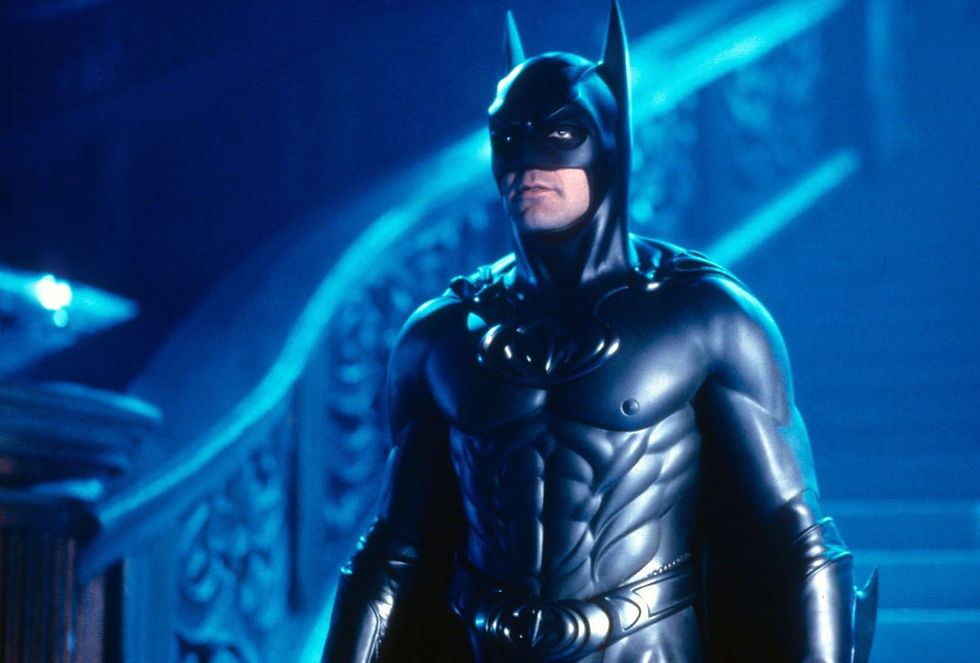
George Clooney’s Batman is often remembered through the bright, toyetic style of Batman & Robin, but his performance has qualities worth separating from the movie’s excess. Clooney gives Bruce Wayne an easy charm and an amused confidence that makes the character feel like a public celebrity as well as a crime fighter. His version is comfortable in the Wayne role, capable of exchanging banter with Alfred and the wider Bat-family without losing the sense that he bears responsibility for Gotham.
Batman & Robin leans into puns, colourful sets and comic-book spectacle. Clooney plays along with that tone rather than pushing the film toward brooding realism. The result is a Batman who can appear almost relaxed, an interesting contrast with later interpretations whose defining trait is emotional isolation. The film’s light approach may not satisfy viewers looking for a dark detective story, but it makes this version accessible and recognisable as a team leader.
Clooney has also spoken self-deprecatingly about the film’s reception, which has helped keep his Batman part of pop-culture conversation. At number ten, his performance is not the most dramatically layered, but it represents a distinctive era of the franchise and shows that Bruce Wayne’s charm can be part of the role rather than a distraction from it.
Need something to listen to after your watchlist? Discover That Love Podcast episodes.
9. Will Arnett

Will Arnett’s Batman is the Lego Dark Knight: self-serious, lonely and very funny. The Lego Movie and The Lego Batman Movie use comedy to examine the character’s familiar habits. Arnett’s gravelly voice exaggerates the idea that Batman wants everyone to see him as a brooding loner, even when the story keeps revealing how much he needs other people. The joke works because it recognises the character’s contradictions rather than dismissing them.
Arnett’s timing gives the performance its energy. He can make a line sound like an epic declaration and then puncture it with a practical or absurd detail. The Lego Batman Movie also gives his version a real emotional journey: Bruce must learn that allowing Robin, Batgirl and Alfred into his life does not weaken him. That theme makes the comedy affectionate. The film can tease Batman’s ego while still treating his grief and fear as real.
At number nine, Arnett earns his place by creating a memorable animated interpretation with a distinct voice and a clear arc. He is not trying to compete with the darkest portrayals. He shows that Batman can be funny without losing his essential traits: intelligence, courage and a lonely person learning to trust a family.
8. Bruce Greenwood
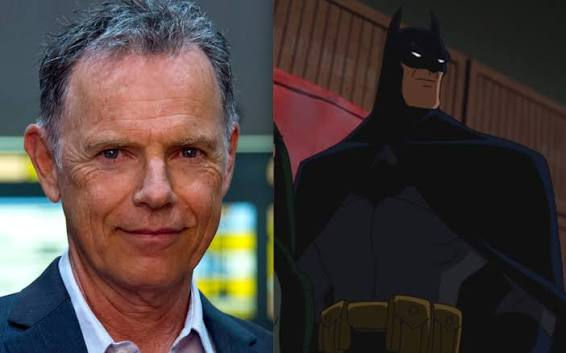
Bruce Greenwood has voiced Batman in several animated projects, including Batman: Under the Red Hood and the Batman: Arkham video games. His take is controlled and authoritative, with enough warmth to suggest the person beneath the mask. Greenwood’s Batman is an experienced figure who can command a room without shouting, but his voice also registers fatigue and concern when a case becomes personal.
Under the Red Hood demonstrates what Greenwood does well. The story asks Batman to face the consequences of his refusal to kill and the trauma of losing Jason Todd. Greenwood makes Bruce’s certainty sound sincere without making it invulnerable. His scenes with the former Robin carry affection, guilt and a stubborn commitment to the code that divided them. The result is a Batman whose restraint becomes an active dramatic choice.
His voice work in the Arkham series also suits interactive storytelling. Batman has to sound observant and decisive while responding to a fast-moving crisis. Greenwood’s consistency helps make the character feel like a centre of gravity amid changing settings and large casts. At number eight, his performance is less widely recognised than Conroy’s, but it gives major animated and game stories a grounded, adult Batman.
7. Val Kilmer
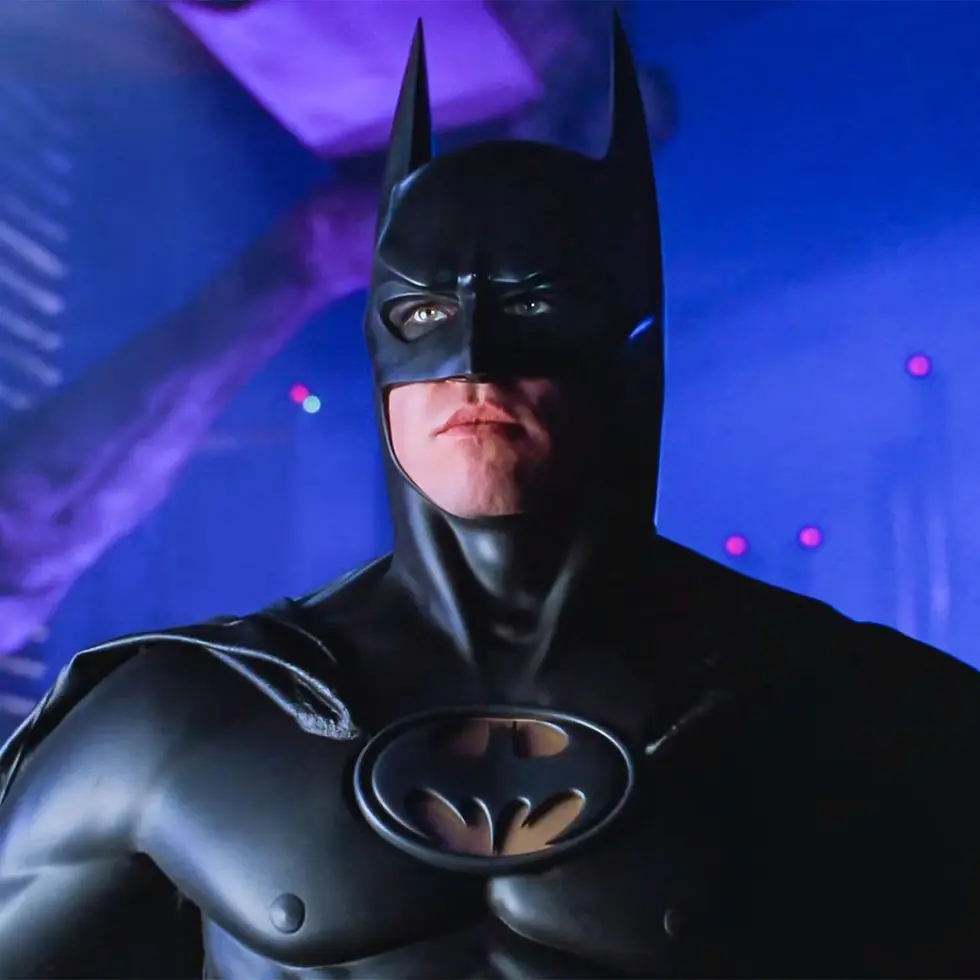
Val Kilmer’s Batman in Batman Forever combines Bruce Wayne’s private damage with a more colourful superhero adventure. Kilmer gives Bruce a thoughtful quality, playing a man who is not entirely comfortable with the persona he has built. The story’s focus on memory and trauma allows him to explore how Batman’s past affects his relationship with the present, especially as Dr. Chase Meridian and Dick Grayson enter his life.
Kilmer brings a quiet intensity to Bruce Wayne. He can move from the polished public figure to a masked fighter without making the change feel like a different character. Batman Forever is brighter than the Burton films, and its visual style can be extravagant, but Kilmer keeps an introspective centre. He suggests that Bruce’s sense of duty may be inseparable from unresolved pain, a tension the film makes explicit.
His tenure lasted one movie, which limits the opportunity to see the interpretation develop. Even so, Kilmer’s Batman remains distinctive because he is reflective rather than purely brooding or comic. At number seven, he offers a thoughtful bridge between the gothic atmosphere of the earlier films and the heightened superhero style that followed.
6. Adam West
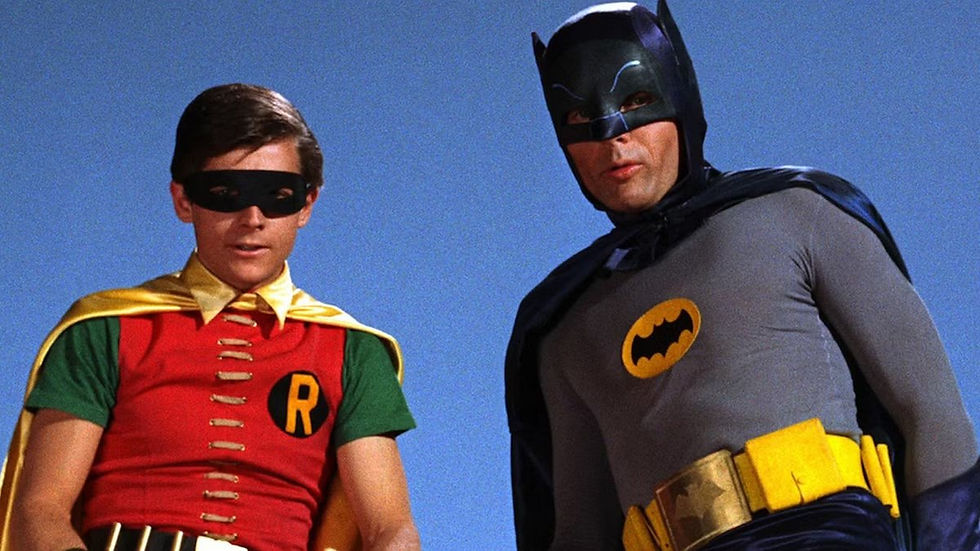
Adam West made Batman a television icon. The 1960s series embraces colourful adventure, direct lessons and comic cliffhangers, and West’s straight-faced delivery is the key to its lasting humour. He plays Batman as sincerely heroic even when the situation is delightfully absurd. The performance never winks so hard that the character becomes a joke; West treats the mission, the rules and the public service announcements with complete conviction.
That sincerity also makes his Bruce Wayne unusually approachable. He is not defined by torment or secrecy in the same way as later versions. He is a capable guardian and an idealistic civic figure, a hero who believes order and kindness can solve problems. The show’s camp style has become a major part of Batman’s history, but West’s performance is why the comedy remains affectionate instead of cynical.
West’s voice and physical mannerisms shaped how many viewers first imagined Batman. Later projects have paid tribute to this version, and his interpretation remains a reminder that the character can support light adventure as well as psychological darkness. At number six, West’s influence and unmistakable charm outweigh the fact that his Batman belongs to a very different style of superhero storytelling.
Taking a break from the screen? Explore the latest episodes.
That Love Podcast also offers advertising opportunities for entertainment brands and creators. See the information above to get in touch.
5. Ben Affleck
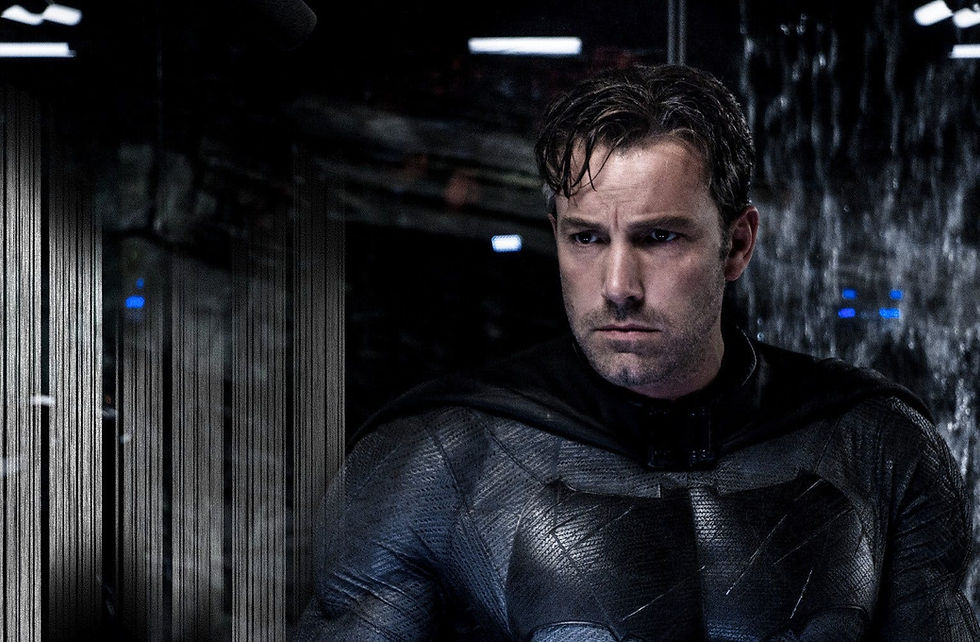
Ben Affleck played an older, battle-worn Batman in Batman v Superman: Dawn of Justice and Justice League. His Bruce Wayne has spent years fighting crime and has allowed grief and anger to harden his judgement. Affleck’s physical presence suits this veteran version: he looks capable of overpowering an opponent, but the performance also suggests exhaustion. This Batman is not at the beginning of his mission; he is facing the possibility that the mission has changed him.
The strongest dramatic idea in Affleck’s portrayal is the tension between strength and moral failure. Bruce becomes convinced that Superman is a threat and prepares to kill him. The story uses that choice to show how far Batman has drifted from the code audiences expect. Affleck’s performance gives the character enough severity to make the conflict believable, while his later interactions with the Justice League reveal a more protective leader.
The films surrounding this Batman are divisive, and the theatrical and extended versions create different experiences. Affleck’s work is best understood as a specific interpretation: an older, physically imposing hero who must rediscover trust. At number five, he brings a distinctive screen presence and a version of Batman rarely explored in live action.
4. Kevin Conroy

Kevin Conroy is the definitive Batman voice for many fans. Batman: The Animated Series established his remarkable contrast between Bruce Wayne’s public warmth and Batman’s low, controlled voice. Rather than treating the dual identity as a simple disguise, Conroy made each side feel like an intentional performance by the same person. The difference helped communicate how Bruce uses his public persona to hide the intensity of his private mission.
Conroy’s voice carried across animated series, films and the Arkham games. That continuity let audiences follow one interpretation through many kinds of stories, from intimate detective cases to large-scale crises. He could be compassionate with a frightened child, stern with a criminal and quietly wounded when facing a friend who had crossed a line. His Batman was disciplined, but never emotionally empty.
The performance also worked opposite a remarkable range of villains. Conroy’s exchanges with Mark Hamill’s Joker are especially beloved, but his Batman was defined by more than that rivalry. He made detective work, restraint and compassion sound like parts of the same character. At number four, Conroy ranks among the most influential Batman performers in any medium and remains a touchstone for voice acting in superhero stories.
3. Michael Keaton
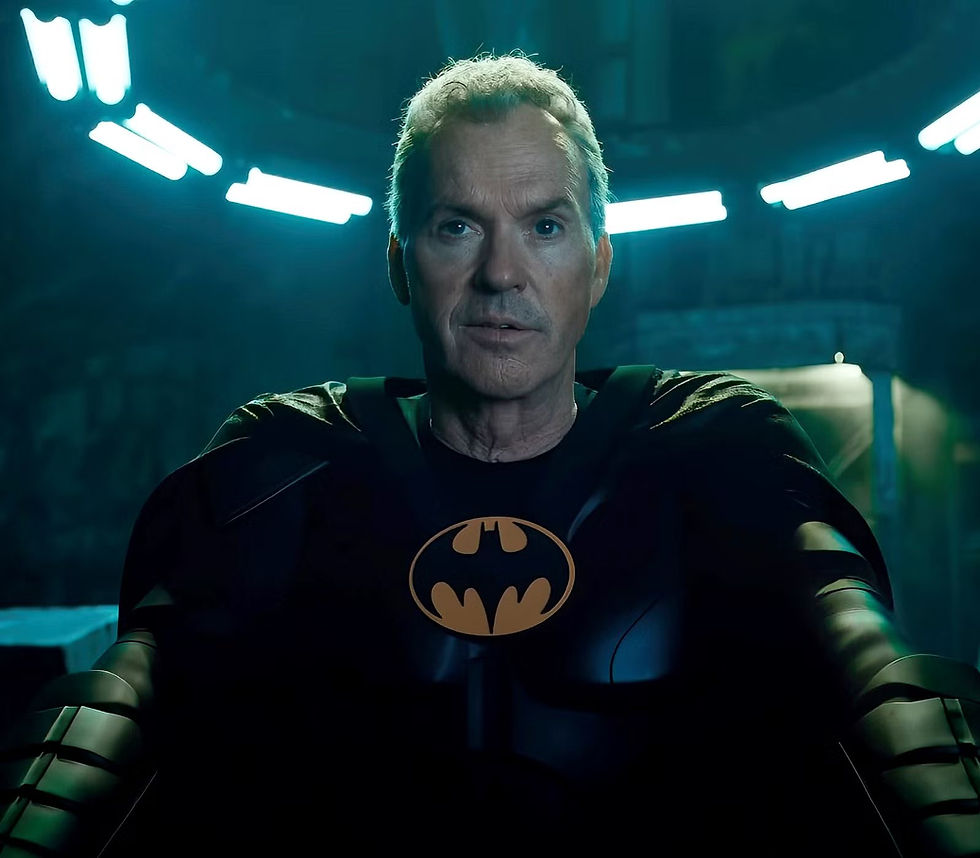
Michael Keaton’s Batman helped establish a darker cinematic direction for the character. In Tim Burton’s Batman and Batman Returns, Keaton’s Bruce Wayne is eccentric, watchful and difficult to read. The contrast between the public billionaire and the masked vigilante feels less like a simple switch than two sides of someone who never quite belongs in ordinary company. Keaton makes the character’s quietness compelling; his Batman does not need to explain every feeling aloud.
Keaton also brings a sharp physical energy to the role. The stiff cowl and armour limit movement, but he uses stillness and abrupt action to make the costume imposing. His scenes with Jack Nicholson’s Joker and Michelle Pfeiffer’s Catwoman show different kinds of connection: one is a personal threat, the other a complicated mirror. Keaton’s Bruce is at his most interesting when another character recognises the loneliness beneath his carefully controlled persona.
His return in The Flash introduced the interpretation to a new generation and invited long-time fans to revisit the Burton era. At number three, Keaton’s Batman remains one of cinema’s most distinctive versions, balancing strangeness, menace and vulnerability.
2. Robert Pattinson
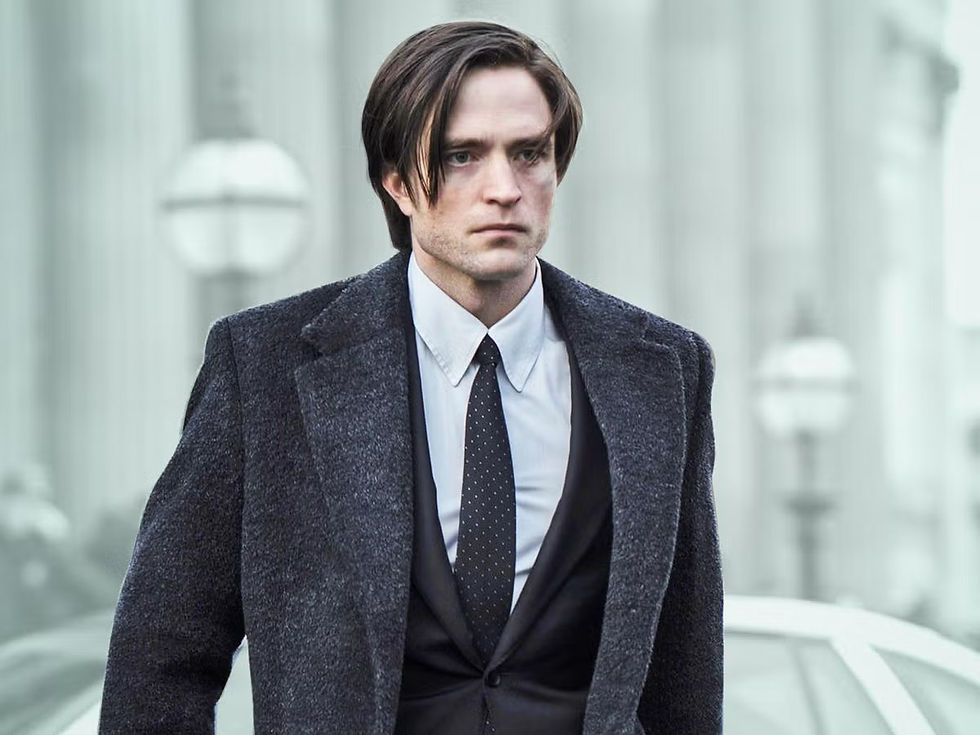
Robert Pattinson’s Batman is a young detective who has not yet learned what Gotham needs from him. The Batman follows him through rain-dark streets, crime scenes and an investigation that challenges his understanding of the city. Pattinson’s Bruce is withdrawn and angry, more comfortable in the cave or on patrol than at public functions. That choice makes the character feel like a work in progress rather than a fully formed legend.
Pattinson’s performance is compelling because the detective work and emotional development support one another. He watches carefully, makes mistakes and gradually learns that vengeance alone cannot inspire Gotham. His physical style is heavy and direct, while the moments without the mask reveal a young man struggling to communicate. The film’s final shift toward hope gives his version a clear direction for future stories.
At number two, Pattinson offers one of the richest recent interpretations of Bruce Wayne and Batman. He fits the noir mood of the film while leaving space for the character to grow. His version is especially effective for viewers who want a detective-led Batman with a strong emotional arc.
Before the No. 1 actor, discover original stories on That Love Podcast.
1. Christian Bale
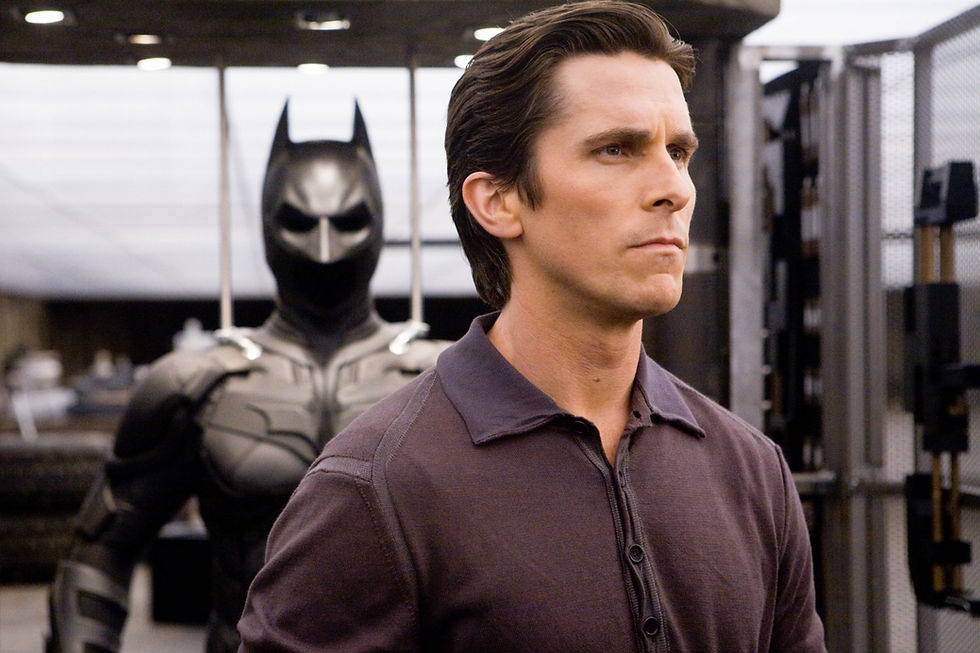
Christian Bale’s Batman tops this list because The Dark Knight Trilogy gives him room to build a complete journey. In Batman Begins, Bruce is a grieving young man who turns fear into a symbol. In The Dark Knight, he confronts the cost of using that symbol in a city under siege. In The Dark Knight Rises, he must decide whether his life can continue beyond the mission. Bale connects those stages through a recognisable intensity and a clear sense of how each film changes Bruce.
His performance balances the two identities. Bruce Wayne can be a polished playboy in public, a strategic philanthropist when necessary and a deeply wounded person in private. Batman’s voice and physicality create a separate presence, but the character beneath the armour remains emotionally legible. Bale’s work with Michael Caine’s Alfred is particularly important: their relationship gives the trilogy a steady emotional centre and makes Bruce’s isolation feel like a choice with consequences.
The trilogy also lets Bale face different kinds of antagonists. Scarecrow tests fear, Ra’s challenges his principles, Joker attacks his moral code, and Bane pushes him to rebuild. Bale’s Batman changes in response rather than repeating the same pose in each film. At number one, he earns the position through range across three movies, a coherent character arc and a performance that helped define the modern superhero blockbuster.
What Makes a Great Batman Performance?
A memorable Batman actor must make the public and private selves feel connected. Bruce Wayne may be a socialite, a recluse, a detective or a veteran, but the audience should sense the same person beneath the changing masks. Actors also need to convey intelligence and physical competence without making Batman invulnerable. Vulnerability gives the hero something to lose and makes the mission matter.
The format changes what the role demands. Live-action actors work with costumes, movement and facial expression; voice performers rely on breath, timing and vocal contrast. Comedy can reveal character as effectively as drama, as Arnett and West demonstrate. A grounded film can focus on investigation and trauma, while an animated series can follow Batman across many years of stories.
The best performance is ultimately the one that fits its project and remains emotionally memorable. No actor has to reproduce another’s voice or body language. The role is strong because different performers can bring out different parts of it while preserving its core: a person who chooses to protect others after experiencing loss.
Comparing the Different Ways Actors Play Batman
The most interesting Batman performances are not trying to do the same job. Adam West plays a confident public hero in a comic adventure, while Michael Keaton makes Bruce feel like an eccentric man who has never fully belonged among ordinary people. Christian Bale builds a character across an origin, a moral crisis and a late-life return. Robert Pattinson focuses on a young detective learning that fear alone cannot inspire a city. Each performance makes a different part of the character visible.
Voice acting deserves its own comparison because it depends on tools that live-action performers do not use in the same way. Kevin Conroy created a clear vocal divide between Bruce Wayne’s public persona and Batman’s controlled intensity. Bruce Greenwood’s voice suggests a seasoned professional who can command a room without raising his volume. Will Arnett uses the familiar gravelly voice as a comic device, then gives the Lego Batman a sincere emotional arc. These performances show how vocal rhythm can communicate age, authority and vulnerability.
Physicality also changes from one version to another. Ben Affleck’s Batman is broad and forceful, appropriate for a veteran who has spent years fighting crime. Val Kilmer’s performance is more introspective, and his film asks how Bruce’s memories affect his choices. Clooney brings a public ease that makes the Wayne persona feel natural. No single posture or voice makes someone the correct Batman; the interpretation has to fit the tone and story around it.
A useful way to choose a favourite is to identify the scene that best expresses the actor’s approach. For Conroy, it may be a quiet conversation that reveals compassion. For Bale, it might be a moment when Bruce’s public mask slips. For Pattinson, a case scene can show how much he is watching and learning. For West and Arnett, comedy itself can reveal the character’s sincerity and loneliness. A memorable performance gives audiences more than a striking costume entrance.
The role’s longevity comes from its ability to hold all these contrasts. Batman can be frightening and compassionate, secretive and public, disciplined and emotionally wounded. Different actors emphasise different sides, while the core remains a person who turns personal loss into a commitment to protect others. Ranking performers is subjective, but comparing those choices helps explain why audiences continue to welcome new versions.
The Craft Behind a Memorable Batman Performance
A Batman actor has to make the cowl readable. The eyes are often the only visible part of the face, so stillness, timing and small shifts in attention carry unusual weight. In animation, a voice actor can create the change between Bruce and Batman through vocal register. In live action, posture and movement do much of the same work: a public Bruce may take up space differently from a vigilante who watches from a doorway.
The balance between toughness and compassion is another test. Batman needs to feel capable enough to face dangerous opponents, but an invulnerable hero quickly becomes emotionally distant. The best performances leave room for the person underneath the armour. Conroy’s voice can sound authoritative while still showing concern; Bale’s trilogy gives Bruce’s discipline a cost; Pattinson’s early-career version reveals how limited his perspective can be. These qualities make the role feel human without weakening the myth.
Batman also changes depending on the relationships around him. A scene with Alfred can reveal exhaustion that Bruce hides from the public. Gordon can draw out the detective and the partner. Robin or Batgirl tests whether Batman can share responsibility rather than treating isolation as a virtue. Some actors have a richer supporting cast than others, which affects what they can show, but even a brief scene can establish whether Bruce trusts anyone.
The history of the role is not a contest where every new actor must defeat the last one. West’s comic sincerity and Arnett’s affectionate parody can both illuminate the character, while Keaton’s strangeness and Affleck’s veteran severity belong to different cinematic eras. A good performance gives audiences a coherent Batman for its own story. That is why fans can hold several versions as favourites without needing to choose only one.
For advertising and partnership opportunities, please refer to the details above and contact the That Love Podcast team.
Conclusion
These ten actors show why Batman remains open to reinvention. George Clooney brings charm to a colourful film, while Will Arnett turns the character’s loneliness into affectionate comedy. Bruce Greenwood and Kevin Conroy demonstrate the range of voice performance, and Val Kilmer offers an introspective live-action Bruce. Adam West made Batman a television icon; Ben Affleck explored an older, damaged hero. Michael Keaton brought gothic strangeness to the big screen, and Robert Pattinson made the detective story feel fresh. Christian Bale leads this ranking through a complete trilogy-long transformation.
The list follows your exact order, but every fan can build a different one. Think about which version captures the detective, the public figure, the fighter or the wounded person best. For additional superhero recommendations, read Top 10 Marvel & DC Movies Ranked in IMDb’s Top 250. Check availability through JustWatch UK, and sign up for updates via the That Love Podcast homepage.
Support That Love Podcast
Enjoyed the guide? Support That Love Podcast.
🎧 Keep the conversation going after this conclusion with That Love Podcast episodes.
Batman actors also leave a mark through the relationships their stories give them. A scene with Alfred can show the cost of Bruce’s isolation; Gordon brings out the detective and the partner; Robin tests whether Batman can share responsibility. The role changes with its supporting cast, but the best performers make Bruce’s choices feel personal. That connection between a symbol and an ordinary person is what keeps the character recognisable across very different portrayals.
Frequently Asked Questions
Who is considered the best Batman actor?
This ranking puts Christian Bale first because his trilogy gives him a full character journey, from Bruce’s origin to the end of his mission. Other viewers may choose Kevin Conroy for voice work, Michael Keaton for gothic intensity or Robert Pattinson for detective-focused storytelling. The best choice depends on which side of Batman matters most to you.
Who voiced Batman in Batman: The Animated Series?
Kevin Conroy voiced Batman in Batman: The Animated Series and many later animated projects and games. His contrast between Bruce Wayne’s public voice and Batman’s lower, controlled delivery became one of the character’s most influential interpretations.
Was Adam West a serious Batman?
Adam West played Batman sincerely, even when the 1960s television series used camp humour and absurd situations. That straight-faced commitment is central to the show’s style. His Batman is a civic-minded hero rather than a brooding vigilante, but the performance treats the character’s mission as real.
Which actor played the oldest Batman?
Ben Affleck’s version is an older, battle-worn Batman shaped by years of fighting crime. Michael Keaton also returned as an older Batman in The Flash. The characters’ ages are tied to their particular screen stories, and they are not all part of one shared timeline.
Is Robert Pattinson’s Batman a detective?
Yes. The Batman places investigation at the centre of the story. Pattinson’s Bruce follows clues, examines crime scenes and works with Lieutenant Gordon to understand the Riddler’s plan. The film also shows that he is still learning how to use his symbol responsibly.
Why is Christian Bale ranked above Michael Keaton?
The ranking values Bale’s development across a three-film arc. His version changes significantly between Batman Begins, The Dark Knight and The Dark Knight Rises. Keaton remains a major and distinctive Batman, but his interpretation has fewer continuous films in which to develop.
Who played Batman in The Lego Batman Movie?
Will Arnett voiced Batman in The Lego Batman Movie. His performance makes the character’s self-serious attitude a source of comedy while giving Bruce a story about learning to accept family and teamwork.
Did George Clooney play Batman more than once?
George Clooney played Batman in Batman & Robin and made a brief appearance as Bruce Wayne in The Flash. His main portrayal belongs to the colourful 1990s film, which has a very different tone from later Batman stories.
Which Batman actor had the longest voice-acting legacy?
Kevin Conroy voiced Batman across animated television, films and video games for decades. His interpretation reached audiences through many formats and helped establish a consistent version of the character for generations of fans.
Where can I watch these Batman performances in the UK?
The films and series are licensed separately, so availability can change. Use a current UK streaming guide such as JustWatch and check whether a title is included in a subscription or available to rent. Animated series and films may have different rights from live-action movies.
You May Also Love
More Places to Find Great Movies and TV Shows
JustWatch UK
For more film, television, comics and pop-culture information, these reference sites are useful starting points:
Advertising and Support
For advertising and partnership enquiries, visit the That Love Podcast contact page. If you enjoy our guides, support the podcast.
Enjoyed what you read?
Subscribe to the That Love Podcast newsletter for the latest blogs, entertainment recommendations, updates and exclusive giveaways. Share the article with someone who loves movies, television, books or pop culture. Let’s spread the love together!

.jpg)




.jpg)


