





6 Best Quentin Tarantino Movies of the Last 25 Years, Ranked

Quentin Tarantino's films turn genre into a playground for tension, talk and sudden reversals. The six films here move from a blizzard-bound chamber western to two connected revenge chapters, a World War II alternate history, a slavery-era rescue story and a late-1960s Hollywood fable. Their tones vary, yet each movie pays close attention to how people perform a role—sometimes for an audience, sometimes for survival, and sometimes because they have mistaken the performance for their real self.
This countdown follows the exact six-title shortlist and ranking supplied: The Hateful Eight begins at number six, and Inglourious Basterds takes the top position. We weigh the clarity and force of each premise, performances, dialogue, visual style, emotional impact, pacing and how well the film uses the genre it borrows. A ranking is not a claim that the lower picks lack memorable scenes. It asks which whole film sustains its ideas and energy most convincingly.
The selected titles fall within the 25-year window as interpreted from the current publication date. Each entry starts with a spoiler-light account of the story so readers understand the characters and stakes before the review begins. Then we discuss what the film does particularly well, where it becomes less effective and why it sits at its given number. The #1 explanation compares the strongest choices directly.
Tarantino's long scenes can be a pleasure when the conversation itself is suspenseful, and a test of patience when the tension stops developing. His stylised violence can make an audience laugh, recoil or question why those reactions arrive together. This list considers that tonal control as part of the craft. It also recognises that viewers differ: some want a revenge story's momentum, others prefer the conversational pressure of a contained western.
For a current UK watch option, each entry links to a JustWatch title page. Subscription and rental availability can change, so check the live listing rather than assuming a film remains on the same service. Whether you want an ensemble mystery or a long, playful genre experiment, these six provide very different ways into Tarantino's filmography.
Genre is a useful lens for comparing these titles because Tarantino borrows familiar shapes and then makes the audience notice how they work. A western can become a chamber mystery; a revenge story can shift from kinetic action to intimate confrontation; a war film can rewrite history through cinema itself. We consider how effectively those choices support the characters and tension, rather than treating references or memorable scenes as a substitute for a whole film.
Affiliate disclosure: This article contains Amazon affiliate links. If you sign up or make a qualifying purchase through one of these links, That Love Podcast may earn a commission at no additional cost to you.
Support That Love Podcast
If you enjoy our entertainment coverage, you can help support That Love Podcast and keep independent articles and original audio stories coming.
That Love Podcast features original romantic audio dramas, comedies and stories.
6. The Hateful Eight

In a post-Civil War Wyoming winter, bounty hunter John Ruth transports prisoner Daisy Domergue toward a town where she is due to face justice. A blizzard forces them to shelter at a mountain stopover already occupied by strangers, including Major Marquis Warren and Chris Mannix, who claims to be the new sheriff. With travel impossible and trust scarce, the group tries to work out who is lying and what each person wants. The confined setting turns ordinary conversation into a test of allegiance, and the danger grows as the travellers realise the room may contain a plan.
The film is built around In a post-Civil War Wyoming winter, bounty hunter John Ruth transports prisoner Daisy Domergue toward a town where she is due to face justice. A blizzard forces them to shelter at a mountain stopover already occupied by strangers, including Major Marquis Warren and Chris Mannix, who claims to be the new sheriff. With travel impossible and trust scarce, the group tries to work out who is lying and what each person wants. The confined setting turns ordinary conversation into a test of allegiance, and the danger grows as the travellers realise the room may contain a plan. This gives its central conflict a shape the audience can track: the protagonist wants one thing, but the setting, other people or their own choices keep changing the cost. The premise is not just background information; it drives the character's next decision and creates the stakes that make the later scenes matter.
The performance work by Samuel L. Jackson as Major Marquis Warren, Kurt Russell as John Ruth and Jennifer Jason Leigh as Daisy Domergue makes those decisions feel personal. The lead has to communicate intention and hesitation at once, while the supporting cast supplies pressure, perspective and contradiction. When the actors disagree about what a moment means, the film gains more than a plot obstacle; it shows how people can share a room and still inhabit different versions of events.
Visually, The Hateful Eight uses its setting to make the story's ideas concrete. Light, scale, production design and movement give the characters a world with its own rules. The best images do not pause the story for decoration; they let the audience feel isolation, power, danger or possibility before anyone explains it aloud.
The structure keeps returning to the choice at the centre of the premise. Each scene either complicates the protagonist's plan or changes what that plan means. That forward movement is one reason the film remains watchable: even when its pace is patient, the audience can sense a question gathering underneath the dialogue and action.
The film's strongest thematic thread concerns revenge, performance, violence, genre play and the power of stories. It approaches that subject through character behaviour rather than a single speech. People reveal their priorities by what they protect, conceal or sacrifice. This gives the story room for ambiguity without making the central conflict hard to understand, and it gives a second viewing a new layer of meaning.
A further strength is the tonal control. the single-location design lets pauses, politeness and small changes in behaviour carry suspense That choice shapes how the audience responds to spectacle and intimacy. The film can move from quiet observation into confrontation without suggesting that scale alone creates significance. The human decision remains the point, even when the imagery becomes the thing viewers remember first.
Performance dynamic: Jackson makes Warren watchful and incisive; Russell's Ruth is bluntly suspicious, while Leigh finds unsettling shifts in Daisy's position These are not small details to wave away: they affect how the film flows and who will enjoy it most. At the same time, its central strengths survive those weaknesses. A viewer interested in revenge, performance, violence, genre play and the power of stories may find the rougher edges part of the film's identity rather than a reason to skip it.
For rewatchability, look at how the early scenes establish information that characters later interpret differently. A gesture, line or visual pattern may feel straightforward on a first pass and more complicated once the conflict is clear. The Hateful Eight That attention to setup and payoff lets the film reward focus without requiring the viewer to solve a hidden code.
Who should watch it? Viewers drawn to revenge, performance, violence, genre play and the power of stories, substantial performances and a director's strong visual point of view are the natural audience. If you prefer concise pacing or lighter subject matter, this may be a title for a dedicated movie night. Its best qualities ask for attention, but they also give that attention something specific to follow.
Why it ranks here: It ranks sixth for its chamber tension and cast, but the long runtime and confined setting offer less variety than the films above it.
Recommended for viewers who enjoy stylised genre films, long suspenseful conversations, revenge stories and bold tonal shifts.
Where to watch: Check current UK streaming and rental availability.
🎧 Need something to listen to after your binge?
Discover original romantic audio dramas, comedies and stories from That Love Podcast.
5. Kill Bill: Vol. 2

After surviving an attack by the Deadly Viper Assassination Squad, the Bride continues the revenge mission begun in the first volume. She has already confronted two former allies, but the remaining names on her list lead toward Budd, Elle Driver and ultimately Bill, the man whose betrayal is most personal. This chapter spends more time with the Bride's training, memories and complicated history with Bill, shifting the revenge story from rapid action toward confrontation and emotional explanation. Her goal remains direct, but the meaning of the violence changes as the target gets closer.
The film is built around After surviving an attack by the Deadly Viper Assassination Squad, the Bride continues the revenge mission begun in the first volume. She has already confronted two former allies, but the remaining names on her list lead toward Budd, Elle Driver and ultimately Bill, the man whose betrayal is most personal. This chapter spends more time with the Bride's training, memories and complicated history with Bill, shifting the revenge story from rapid action toward confrontation and emotional explanation. Her goal remains direct, but the meaning of the violence changes as the target gets closer. This gives its central conflict a shape the audience can track: the protagonist wants one thing, but the setting, other people or their own choices keep changing the cost. The premise is not just background information; it drives the character's next decision and creates the stakes that make the later scenes matter.
The performance work by Uma Thurman as The Bride, David Carradine as Bill and Michael Madsen as Budd makes those decisions feel personal. The lead has to communicate intention and hesitation at once, while the supporting cast supplies pressure, perspective and contradiction. When the actors disagree about what a moment means, the film gains more than a plot obstacle; it shows how people can share a room and still inhabit different versions of events.
Visually, Kill Bill: Vol. 2 uses its setting to make the story's ideas concrete. Light, scale, production design and movement give the characters a world with its own rules. The best images do not pause the story for decoration; they let the audience feel isolation, power, danger or possibility before anyone explains it aloud.
The structure keeps returning to the choice at the centre of the premise. Each scene either complicates the protagonist's plan or changes what that plan means. That forward movement is one reason the film remains watchable: even when its pace is patient, the audience can sense a question gathering underneath the dialogue and action.
The film's strongest thematic thread concerns revenge, performance, violence, genre play and the power of stories. It approaches that subject through character behaviour rather than a single speech. People reveal their priorities by what they protect, conceal or sacrifice. This gives the story room for ambiguity without making the central conflict hard to understand, and it gives a second viewing a new layer of meaning.
A further strength is the tonal control. the non-linear structure and quieter passages deepen the mythic character story established by the first volume That choice shapes how the audience responds to spectacle and intimacy. The film can move from quiet observation into confrontation without suggesting that scale alone creates significance. The human decision remains the point, even when the imagery becomes the thing viewers remember first.
Performance dynamic: Thurman makes the Bride's resolve vivid while allowing hurt and uncertainty to surface; Carradine gives Bill warmth that complicates the threat These are not small details to wave away: they affect how the film flows and who will enjoy it most. At the same time, its central strengths survive those weaknesses. A viewer interested in revenge, performance, violence, genre play and the power of stories may find the rougher edges part of the film's identity rather than a reason to skip it.
For rewatchability, look at how the early scenes establish information that characters later interpret differently. A gesture, line or visual pattern may feel straightforward on a first pass and more complicated once the conflict is clear. Kill Bill: Vol. 2 That attention to setup and payoff lets the film reward focus without requiring the viewer to solve a hidden code.
Who should watch it? Viewers drawn to revenge, performance, violence, genre play and the power of stories, substantial performances and a director's strong visual point of view are the natural audience. If you prefer concise pacing or lighter subject matter, this may be a title for a dedicated movie night. Its best qualities ask for attention, but they also give that attention something specific to follow.
Why it ranks here: It earns fifth for its quieter character work, while its deliberate pace and status as the second half of a larger story make it less complete alone.
Recommended for viewers who enjoy stylised genre films, long suspenseful conversations, revenge stories and bold tonal shifts.
Where to watch: Check current UK streaming and rental availability.
You May Also Like
For more film recommendations, explore these related stories from That Love Podcast.
4. Once Upon a Time in Hollywood
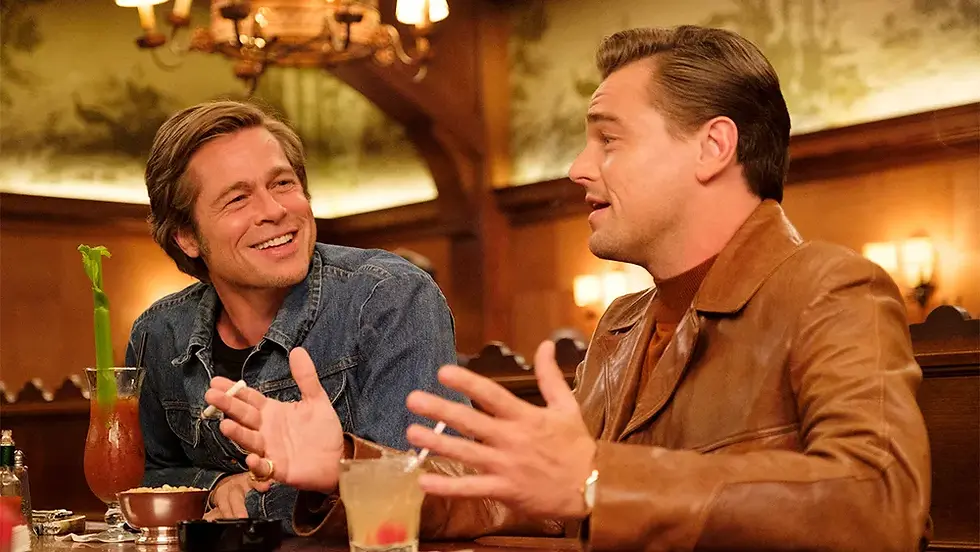
In late-1960s Los Angeles, television actor Rick Dalton worries that his career is fading as Hollywood changes around him. His longtime stunt double and friend Cliff Booth accompanies him between work, home and the city's fringes, while actress Sharon Tate lives nearby as a rising figure in the industry. The film spends time with daily routines, auditions and movie sets, building a portrait of a moment before its story turns toward a tense alternate-history climax. Its central interest is the friendship between Rick and Cliff and the meaning they find in a changing profession.
The film is built around In late-1960s Los Angeles, television actor Rick Dalton worries that his career is fading as Hollywood changes around him. His longtime stunt double and friend Cliff Booth accompanies him between work, home and the city's fringes, while actress Sharon Tate lives nearby as a rising figure in the industry. The film spends time with daily routines, auditions and movie sets, building a portrait of a moment before its story turns toward a tense alternate-history climax. Its central interest is the friendship between Rick and Cliff and the meaning they find in a changing profession. This gives its central conflict a shape the audience can track: the protagonist wants one thing, but the setting, other people or their own choices keep changing the cost. The premise is not just background information; it drives the character's next decision and creates the stakes that make the later scenes matter.
The performance work by Leonardo DiCaprio as Rick Dalton, Brad Pitt as Cliff Booth and Margot Robbie as Sharon Tate makes those decisions feel personal. The lead has to communicate intention and hesitation at once, while the supporting cast supplies pressure, perspective and contradiction. When the actors disagree about what a moment means, the film gains more than a plot obstacle; it shows how people can share a room and still inhabit different versions of events.
Visually, Once Upon a Time in Hollywood uses its setting to make the story's ideas concrete. Light, scale, production design and movement give the characters a world with its own rules. The best images do not pause the story for decoration; they let the audience feel isolation, power, danger or possibility before anyone explains it aloud.
The structure keeps returning to the choice at the centre of the premise. Each scene either complicates the protagonist's plan or changes what that plan means. That forward movement is one reason the film remains watchable: even when its pace is patient, the audience can sense a question gathering underneath the dialogue and action.
The film's strongest thematic thread concerns revenge, performance, violence, genre play and the power of stories. It approaches that subject through character behaviour rather than a single speech. People reveal their priorities by what they protect, conceal or sacrifice. This gives the story room for ambiguity without making the central conflict hard to understand, and it gives a second viewing a new layer of meaning.
A further strength is the tonal control. the film's relaxed pace makes Los Angeles and the routines of work feel like the subject rather than filler That choice shapes how the audience responds to spectacle and intimacy. The film can move from quiet observation into confrontation without suggesting that scale alone creates significance. The human decision remains the point, even when the imagery becomes the thing viewers remember first.
Performance dynamic: DiCaprio plays Rick's insecurity with comic vulnerability, and Pitt makes Cliff's calm confidence magnetic; Robbie's presence is quieter and intentionally observational These are not small details to wave away: they affect how the film flows and who will enjoy it most. At the same time, its central strengths survive those weaknesses. A viewer interested in revenge, performance, violence, genre play and the power of stories may find the rougher edges part of the film's identity rather than a reason to skip it.
For rewatchability, look at how the early scenes establish information that characters later interpret differently. A gesture, line or visual pattern may feel straightforward on a first pass and more complicated once the conflict is clear. Once Upon a Time in Hollywood That attention to setup and payoff lets the film reward focus without requiring the viewer to solve a hidden code.
Who should watch it? Viewers drawn to revenge, performance, violence, genre play and the power of stories, substantial performances and a director's strong visual point of view are the natural audience. If you prefer concise pacing or lighter subject matter, this may be a title for a dedicated movie night. Its best qualities ask for attention, but they also give that attention something specific to follow.
Why it ranks here: It takes fourth for its performances and atmosphere, but its digressive structure and uneven focus are less cohesive than the higher-ranked stories.
Recommended for viewers who enjoy stylised genre films, long suspenseful conversations, revenge stories and bold tonal shifts.
Where to watch: Check current UK streaming and rental availability.
3. Kill Bill: Vol. 1

A woman known as the Bride wakes from a coma after an attack at her wedding rehearsal and sets out to confront the people responsible. Her list begins with former members of the Deadly Viper Assassination Squad, including Vernita Green and O-Ren Ishii, whose position in Tokyo's underworld requires the Bride to face a powerful network of fighters. She wants revenge for a private betrayal, but the film presents the pursuit through shifting genres, stylised violence and carefully staged encounters. The story's emotional centre is simple even when its visual language becomes extravagant.
The film is built around A woman known as the Bride wakes from a coma after an attack at her wedding rehearsal and sets out to confront the people responsible. Her list begins with former members of the Deadly Viper Assassination Squad, including Vernita Green and O-Ren Ishii, whose position in Tokyo's underworld requires the Bride to face a powerful network of fighters. She wants revenge for a private betrayal, but the film presents the pursuit through shifting genres, stylised violence and carefully staged encounters. The story's emotional centre is simple even when its visual language becomes extravagant. This gives its central conflict a shape the audience can track: the protagonist wants one thing, but the setting, other people or their own choices keep changing the cost. The premise is not just background information; it drives the character's next decision and creates the stakes that make the later scenes matter.
The performance work by Uma Thurman as The Bride, Lucy Liu as O-Ren Ishii and Vivica A. Fox as Vernita Green makes those decisions feel personal. The lead has to communicate intention and hesitation at once, while the supporting cast supplies pressure, perspective and contradiction. When the actors disagree about what a moment means, the film gains more than a plot obstacle; it shows how people can share a room and still inhabit different versions of events.
Visually, Kill Bill: Vol. 1 uses its setting to make the story's ideas concrete. Light, scale, production design and movement give the characters a world with its own rules. The best images do not pause the story for decoration; they let the audience feel isolation, power, danger or possibility before anyone explains it aloud.
The structure keeps returning to the choice at the centre of the premise. Each scene either complicates the protagonist's plan or changes what that plan means. That forward movement is one reason the film remains watchable: even when its pace is patient, the audience can sense a question gathering underneath the dialogue and action.
The film's strongest thematic thread concerns revenge, performance, violence, genre play and the power of stories. It approaches that subject through character behaviour rather than a single speech. People reveal their priorities by what they protect, conceal or sacrifice. This gives the story room for ambiguity without making the central conflict hard to understand, and it gives a second viewing a new layer of meaning.
A further strength is the tonal control. the chapter structure keeps the revenge goal clear as the film shifts from crime drama to martial-arts pastiche That choice shapes how the audience responds to spectacle and intimacy. The film can move from quiet observation into confrontation without suggesting that scale alone creates significance. The human decision remains the point, even when the imagery becomes the thing viewers remember first.
Performance dynamic: Thurman makes the Bride physically commanding and emotionally legible; Liu gives O-Ren a composed presence that suits the film's heightened register These are not small details to wave away: they affect how the film flows and who will enjoy it most. At the same time, its central strengths survive those weaknesses. A viewer interested in revenge, performance, violence, genre play and the power of stories may find the rougher edges part of the film's identity rather than a reason to skip it.
For rewatchability, look at how the early scenes establish information that characters later interpret differently. A gesture, line or visual pattern may feel straightforward on a first pass and more complicated once the conflict is clear. Kill Bill: Vol. 1 That attention to setup and payoff lets the film reward focus without requiring the viewer to solve a hidden code.
Who should watch it? Viewers drawn to revenge, performance, violence, genre play and the power of stories, substantial performances and a director's strong visual point of view are the natural audience. If you prefer concise pacing or lighter subject matter, this may be a title for a dedicated movie night. Its best qualities ask for attention, but they also give that attention something specific to follow.
Why it ranks here: It ranks third for visual invention and momentum; Django and Inglourious Basterds build broader ensemble conflicts around their genre play.
Recommended for viewers who enjoy stylised genre films, long suspenseful conversations, revenge stories and bold tonal shifts.
Where to watch: Check current UK streaming and rental availability.
2. Django Unchained

In the American South before the Civil War, German bounty hunter Dr. King Schultz frees Django, an enslaved man, and offers to help him find his wife Broomhilda. The two travel together as bounty hunters, using Schultz's knowledge and Django's growing skills to pursue their goal. Their search leads them to the plantation of Calvin Candie, where the plan to reunite Django and Broomhilda requires them to perform identities that will keep suspicion at bay. The story's adventure structure sits beside the brutal reality of slavery, making the cost of the mission impossible to ignore.
The film is built around In the American South before the Civil War, German bounty hunter Dr. King Schultz frees Django, an enslaved man, and offers to help him find his wife Broomhilda. The two travel together as bounty hunters, using Schultz's knowledge and Django's growing skills to pursue their goal. Their search leads them to the plantation of Calvin Candie, where the plan to reunite Django and Broomhilda requires them to perform identities that will keep suspicion at bay. The story's adventure structure sits beside the brutal reality of slavery, making the cost of the mission impossible to ignore. This gives its central conflict a shape the audience can track: the protagonist wants one thing, but the setting, other people or their own choices keep changing the cost. The premise is not just background information; it drives the character's next decision and creates the stakes that make the later scenes matter.
The performance work by Jamie Foxx as Django Freeman, Christoph Waltz as Dr. King Schultz and Leonardo DiCaprio as Calvin Candie makes those decisions feel personal. The lead has to communicate intention and hesitation at once, while the supporting cast supplies pressure, perspective and contradiction. When the actors disagree about what a moment means, the film gains more than a plot obstacle; it shows how people can share a room and still inhabit different versions of events.
Visually, Django Unchained uses its setting to make the story's ideas concrete. Light, scale, production design and movement give the characters a world with its own rules. The best images do not pause the story for decoration; they let the audience feel isolation, power, danger or possibility before anyone explains it aloud.
The structure keeps returning to the choice at the centre of the premise. Each scene either complicates the protagonist's plan or changes what that plan means. That forward movement is one reason the film remains watchable: even when its pace is patient, the audience can sense a question gathering underneath the dialogue and action.
The film's strongest thematic thread concerns revenge, performance, violence, genre play and the power of stories. It approaches that subject through character behaviour rather than a single speech. People reveal their priorities by what they protect, conceal or sacrifice. This gives the story room for ambiguity without making the central conflict hard to understand, and it gives a second viewing a new layer of meaning.
A further strength is the tonal control. the partnership between Django and Schultz gives the film warmth and forward momentum without hiding the danger of their route That choice shapes how the audience responds to spectacle and intimacy. The film can move from quiet observation into confrontation without suggesting that scale alone creates significance. The human decision remains the point, even when the imagery becomes the thing viewers remember first.
Performance dynamic: Foxx grows into the role's confidence; Waltz brings wit and precision, while DiCaprio's Candie uses charm to make the violence around him more chilling These are not small details to wave away: they affect how the film flows and who will enjoy it most. At the same time, its central strengths survive those weaknesses. A viewer interested in revenge, performance, violence, genre play and the power of stories may find the rougher edges part of the film's identity rather than a reason to skip it.
For rewatchability, look at how the early scenes establish information that characters later interpret differently. A gesture, line or visual pattern may feel straightforward on a first pass and more complicated once the conflict is clear. Django Unchained That attention to setup and payoff lets the film reward focus without requiring the viewer to solve a hidden code.
Who should watch it? Viewers drawn to revenge, performance, violence, genre play and the power of stories, substantial performances and a director's strong visual point of view are the natural audience. If you prefer concise pacing or lighter subject matter, this may be a title for a dedicated movie night. Its best qualities ask for attention, but they also give that attention something specific to follow.
Why it ranks here: It earns second for emotional partnership and a clear rescue story; Inglourious Basterds wins through richer ensemble interplay and tighter suspense.
Recommended for viewers who enjoy stylised genre films, long suspenseful conversations, revenge stories and bold tonal shifts.
Where to watch: Check current UK streaming and rental availability.
🎧 Taking a break from the screen?
Listen to original romance, comedy and drama stories from That Love Podcast.
Advertise With That Love Podcast
Reach readers who love movies, television, books and pop culture through the website, podcast and newsletter.
1. Inglourious Basterds
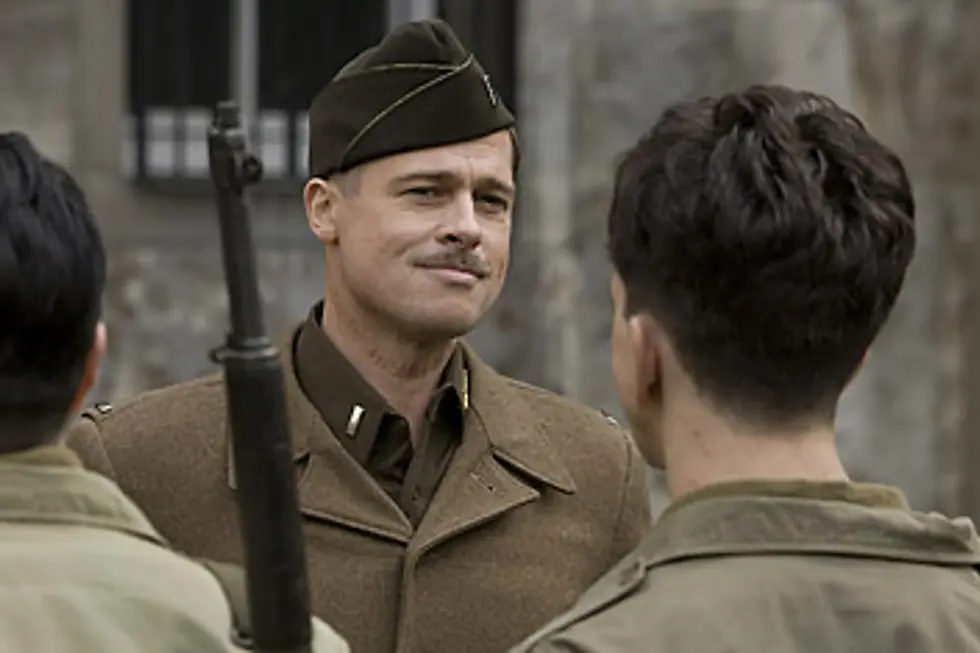
In Nazi-occupied France, two separate plans move toward a gathering of German leaders. Lt. Aldo Raine leads a unit of Jewish-American soldiers who intend to strike at the Nazi leadership, while cinema owner Shosanna Dreyfus makes her own plan after surviving a personal tragedy. Their paths intersect at a Paris cinema where the German war machine is preparing a premiere. The plot depends on characters performing roles in tense rooms, concealing what they know and reading what other people reveal. Its stakes are historical, personal and shaped by the film's alternate-history premise.
The film is built around In Nazi-occupied France, two separate plans move toward a gathering of German leaders. Lt. Aldo Raine leads a unit of Jewish-American soldiers who intend to strike at the Nazi leadership, while cinema owner Shosanna Dreyfus makes her own plan after surviving a personal tragedy. Their paths intersect at a Paris cinema where the German war machine is preparing a premiere. The plot depends on characters performing roles in tense rooms, concealing what they know and reading what other people reveal. Its stakes are historical, personal and shaped by the film's alternate-history premise. This gives its central conflict a shape the audience can track: the protagonist wants one thing, but the setting, other people or their own choices keep changing the cost. The premise is not just background information; it drives the character's next decision and creates the stakes that make the later scenes matter.
The performance work by Brad Pitt as Lt. Aldo Raine, Mélanie Laurent as Shosanna Dreyfus and Christoph Waltz as Hans Landa makes those decisions feel personal. The lead has to communicate intention and hesitation at once, while the supporting cast supplies pressure, perspective and contradiction. When the actors disagree about what a moment means, the film gains more than a plot obstacle; it shows how people can share a room and still inhabit different versions of events.
Visually, Inglourious Basterds uses its setting to make the story's ideas concrete. Light, scale, production design and movement give the characters a world with its own rules. The best images do not pause the story for decoration; they let the audience feel isolation, power, danger or possibility before anyone explains it aloud.
The structure keeps returning to the choice at the centre of the premise. Each scene either complicates the protagonist's plan or changes what that plan means. That forward movement is one reason the film remains watchable: even when its pace is patient, the audience can sense a question gathering underneath the dialogue and action.
The film's strongest thematic thread concerns revenge, performance, violence, genre play and the power of stories. It approaches that subject through character behaviour rather than a single speech. People reveal their priorities by what they protect, conceal or sacrifice. This gives the story room for ambiguity without making the central conflict hard to understand, and it gives a second viewing a new layer of meaning.
A further strength is the tonal control. the parallel plans create a clear spine for a story that thrives on long conversations and sudden shifts in danger That choice shapes how the audience responds to spectacle and intimacy. The film can move from quiet observation into confrontation without suggesting that scale alone creates significance. The human decision remains the point, even when the imagery becomes the thing viewers remember first.
Performance dynamic: Waltz's Landa is charming and terrifying; Laurent gives Shosanna controlled resolve, and Pitt's Raine supplies a distinct comic rhythm These are not small details to wave away: they affect how the film flows and who will enjoy it most. At the same time, its central strengths survive those weaknesses. A viewer interested in revenge, performance, violence, genre play and the power of stories may find the rougher edges part of the film's identity rather than a reason to skip it.
For rewatchability, look at how the early scenes establish information that characters later interpret differently. A gesture, line or visual pattern may feel straightforward on a first pass and more complicated once the conflict is clear. Inglourious Basterds That attention to setup and payoff lets the film reward focus without requiring the viewer to solve a hidden code.
Who should watch it? Viewers drawn to revenge, performance, violence, genre play and the power of stories, substantial performances and a director's strong visual point of view are the natural audience. If you prefer concise pacing or lighter subject matter, this may be a title for a dedicated movie night. Its best qualities ask for attention, but they also give that attention something specific to follow.
Why it ranks here: It wins because the separate plots, performances, dialogue and suspense fit together with exceptional control, creating a richer ensemble than Django and greater variety than Kill Bill.
Recommended for viewers who enjoy stylised genre films, long suspenseful conversations, revenge stories and bold tonal shifts.
Where to watch: Check current UK streaming and rental availability.
🎧 Before we reveal our No. 1 pick…
Discover original romantic audio dramas from That Love Podcast.
Work With That Love Podcast
If you're a brand, author, publisher, entertainment company or business looking to connect with an audience that loves movies, television, romance, books and pop culture, we'd love to hear from you.
Conclusion
This ranking brings together films that use genre as both entertainment and argument. The Hateful Eight compresses distrust into a room; Kill Bill: Vol. 2 turns the revenge saga inward; Once Upon a Time in Hollywood remembers an industry through friendship and nostalgia. Kill Bill: Vol. 1 supplies vivid momentum, Django Unchained connects a rescue story to a violent social order, and Inglourious Basterds makes the collision of its separate plots feel thrillingly inevitable. The top choice wins because it best combines Tarantino's dialogue, ensemble performances, tension and formal play while making its central stakes clear. Your ideal pick may depend on whether you want revenge, a western, a historical fantasy or a Hollywood hangout story. Which one would you put first?
You May Also Like
For more film recommendations, explore these related stories from That Love Podcast.
Support That Love Podcast
If you enjoyed this article and want to support more independent entertainment coverage and original audio storytelling:
Looking for something new to listen to?
You May Also Like
For more film recommendations, explore these related stories from That Love Podcast.
Frequently Asked Questions
Which film by this director is the best starting point?
The most accessible entry is usually the film with a clear central goal and a story that explains its stakes early. For viewers new to this director, the number-one choice on this list offers a strong balance of premise, performances and visual style. If you prefer a quieter drama, choose the title noted in the article for its more intimate focus.
What is the number-one film about?
The number-one film follows a protagonist whose plans change after a major event disrupts their life. The story then builds through a series of choices and consequences, with relationships and the surrounding world affecting what the lead can do. The entry above gives a spoiler-light premise and explains why this title beat the other five.
Are these films connected to one another?
The films in each ranking are independent features unless a title is explicitly a sequel or part of a series. Some entries share a director, actors, genre elements or themes, but they do not require a single viewing order. For paired stories such as the two Kill Bill films or the two Dune films, watching in release order helps the character arcs make sense.
Where can I watch these films in the UK?
UK subscription and rental rights change. Each entry links to a JustWatch UK page, which lists current streaming, rent and buy options when available. Check the linked page before watching because a film may move between services, leave a catalogue or be available only as a digital rental.
Which film is the easiest to watch casually?
That depends on your preferences. The entry with the most direct premise and lighter pacing is the easiest casual choice; the more contemplative or structurally complex films reward a focused watch. The article points out where length, intensity or deliberate ambiguity may make a title less suitable for background viewing.
Which film has the strongest performances?
The ranking weighs performances across the ensemble rather than choosing by star power alone. The number-one entry features actors whose contrasting interpretations make the central conflict easy to follow, while other titles may have a single especially memorable lead. Read each performance section for the specific cast strengths behind the placement.
Are the films suitable for younger viewers?
Several titles on these lists include intense violence, adult themes, disturbing material or strong language. Check the film's current UK age rating and content guidance before watching with younger viewers. JustWatch pages usually show the local rating, and the relevant film's official listing can provide additional details.
Why is the top film ranked above the runner-up?
The top choice wins by combining its strongest qualities more consistently: story clarity, character development, performances, visual craft and emotional impact. The runner-up may excel in one or two areas, but the number-one film makes its parts work together and better matches the criteria of this specific list.
How were these rankings decided?
The ranking uses the exact shortlist and order supplied by the user, presented as a countdown from the lowest listed position to number one. The editorial discussion considers story, performances, direction, thematic focus, consistency, rewatchability and the strengths or limitations that distinguish one position from the next.
What should I watch after finishing this list?
Choose by mood: another film from the same director for a similar visual approach, a related genre title for a familiar premise, or one of the linked recommendations for a broader change of tone. The You May Also Like sections include verified That Love Podcast movie articles for continuing your watchlist.
More Places to Find Great Movies and TV Shows
For criticism, cast details and film databases, explore these established entertainment resources.
Enjoyed What You Read?
Subscribe to That Love Podcast's newsletter for the latest articles, entertainment recommendations, podcast updates and exclusive giveaways. Share this article with someone who loves movies and pop culture. Let's spread the love together!


.jpg)




.jpg)


