



.jpg)
Korean Beef Rice Bowl Recipe


We have all been there. It is a Tuesday evening, the clock is ticking toward 6:00 PM, and the collective energy of the household is dipping into the "hangry" danger zone. In these moments, we often reach for the familiar, and for many of us, that means a pack of minced beef—or "mince," as it’s affectionately known in many kitchens. It is the workhorse of the refrigerator, the reliable friend that transforms into tacos, bolognese, or shepherd’s pie at a moment's notice. But let’s be honest: even the most loyal friendships can benefit from a little excitement. Enter the Korean Beef Rice Bowl, a dish that has exploded in popularity across social media platforms like TikTok and Pinterest. It is trending for a reason: it manages to be incredibly fast, shockingly flavorful, and surprisingly affordable. It’s the "one-pan" miracle that proves you don’t need hours of marinating to achieve deep, restaurant-quality Korean BBQ flavors.
What makes this specific version of the Korean Beef Rice Bowl unique is its "choose your own adventure" nature. While traditional bibimbap or bulgogi can involve intricate preparations and specialized cuts of meat, this recipe utilizes ground beef to ensure the sauce coats every single nook and cranny of the protein instantly.
This version is designed for the modern, busy household. It bridges the gap between the adventurous palate and the "please just give me something I recognize" crowd. By layering a savory, spicy, and sweet beef mixture over a fluffy bed of jasmine rice and topping it with a creamy, zesty gochujang mayo, we create a symphony of textures and temperatures. The heat of the beef meets the cooling crunch of fresh cucumbers and the probiotic tang of kimchi. It is a balanced meal that requires no side dishes and results in minimal washing up—truly the holy grail of weeknight cooking.
This recipe isn't just about feeding people; it’s about reclaiming your evening. It is about the joy of serving a meal that everyone actually wants to eat, from the spice-loving adults to the kids who might just want the "beef and rice" portion. It’s a celebration of the humble mince and a testament to how global flavors can make our daily routines feel a little more like an event. To help us keep sharing these restorative recipes and the stories that go with them, please consider visiting our donation page at https://www.thatlovepodcast.com/donate.
The Masterclass: Creating the Perfect Korean Beef Rice Bowl
The success of a 20-minute meal depends entirely on the harmony of its components. Because we are cooking quickly, every ingredient must pull its weight. We are going to dive deep into the science of the sear, the chemistry of the sauce, and the art of the assembly to ensure that your bowl is nothing short of spectacular.
The Detailed Ingredient List
To serve four people, you will need to gather the following. I recommend organizing your "mise en place"—putting everything in its place—before you turn on the stove, as the cooking process moves very fast once the beef hits the pan.
For the Aromatic Stir-Fry Sauce:
1 teaspoon freshly grated garlic: Use a microplane if you have one. Fresh garlic provides a sharp, pungent kick that jarred garlic simply cannot match.
1 teaspoon freshly grated ginger: Ginger adds a warm, spicy zing that cuts through the richness of the beef.
3 tablespoons all-purpose soy sauce: This is our primary source of salt and umami.
2 tablespoons brown sugar: The molasses in brown sugar helps the sauce caramelize and provides the classic Korean BBQ sweetness.
1 tablespoon sesame oil: Look for toasted sesame oil for that deep, nutty aroma.
1 tablespoon gochujang: This is a Korean fermented chili paste. It has a complex, savory-sweet-spicy profile.
1 teaspoon rice vinegar: A touch of acidity balances the sugar and soy.
1 tablespoon sesame seeds: For texture and a subtle toasted flavor.
For the Beef Stir-Fry:
2 tablespoons extra-virgin olive oil or neutral oil: You need a high smoke point oil to get a good sear on the meat.
500g (1 lb) minced (ground) beef: I recommend an 85/15 or 90/10 lean-to-fat ratio. The fat is where the flavor lives, and it helps create a juicy finish.
2 spring onions (scallions): Finely sliced. We will use the whites for cooking and save the greens for a fresh garnish.
🍽️ You Might Also Like
Love easy comfort food and irresistible desserts? Try these delicious recipes next:
🍲 Easy Lasagna Soup Recipe – A Delicious One-Pot Wonder
https://www.thatlovepodcast.com/post/easy-lasagna-soup-recipe-a-delicious-one-pot-wonder
🍫 Irresistibly Easy Fitwaffle’s Air Fryer Peanut Butter Lava Cakes
🍰 Easy Black Cake Recipe – A Rich and Delicious Caribbean Tradition
https://www.thatlovepodcast.com/post/easy-black-cake-recipe-a-rich-and-delicious-caribbean-tradition
🧀 Easy and Irresistible Baked Feta Pasta with Spinach and Sausage
🍚 15-Minute Korean Beef Bowl Recipe
https://www.thatlovepodcast.com/post/15-minute-korean-beef-bowl-recipe
For the Signature Mayo Drizzle:
3 tablespoons whole-egg mayonnaise: Provides a creamy, rich base.
1 teaspoon gochujang: To carry the heat through the drizzle.
½ teaspoon sesame oil: For aromatic consistency.
½ teaspoon rice vinegar: To brighten the creaminess.
The Foundation and Toppings:
2 cups (370g) cooked jasmine rice: Fluffy, aromatic, and the perfect sponge for the sauce.
1 cup (240g) kimchi: For that essential fermented crunch and heat.
1 medium carrot: Julienned (cut into matchsticks) for a fresh snap.
1 Lebanese (short) cucumber: Sliced into half-moons for a cooling effect.
Phase 1: The Foundations of Flavor (Prepping the Sauce)
We begin our culinary journey not with the meat, but with the sauce. In a small glass bowl, whisk together your grated garlic, ginger, soy sauce, brown sugar, sesame oil, gochujang, rice vinegar, and sesame seeds. As you whisk, you’ll notice the sauce transform into a dark, glossy elixir. This is the "soul" of your dish. The brown sugar needs a moment to begin dissolving into the soy sauce, and the ginger and garlic will start to infuse the liquid with their volatile oils.
If you are new to gochujang, think of it as the "miso of chili pastes." It is fermented, meaning it has a deep "umami" funk that adds a third dimension to the spice. It isn't just "hot"; it’s a story in a jar. If you find yourself in a romantic mood while preparing this meal, perhaps listening to The Coffee Shop Encounter will set the perfect tone for a cozy night in.
Phase 2: The Art of the Sear (Cooking the Beef)
Heat your oil in a large frying pan or a cast-iron skillet over medium-high heat. The pan needs to be hot—if the oil is shimmering, you’re ready. Add the minced beef to the pan. Now, here is a secret: don’t start stirring immediately. Let the beef sit for 60 to 90 seconds. This allows the Maillard reaction to occur—the chemical reaction between amino acids and reducing sugars that gives browned food its distinctive flavor. We want those crispy, caramelized bits of beef.
Once you’ve achieved some browning on the bottom, use your wooden spoon to break the beef into small crumbles. Continue to cook until the meat is entirely browned and any excess moisture has evaporated. If you’re using a higher fat content beef and see a lot of liquid in the pan, you can carefully spoon out some of the rendered fat, but leave a little behind—it’s liquid gold that will help emulsify the sauce.
Phase 3: The Glazing (Adding the Sauce)
Pour your pre-mixed stir-fry sauce over the browned beef. The pan will hiss and steam, and the aroma will instantly fill your kitchen. Turn the heat down to medium and stir well to ensure every single crumble of beef is coated in that dark, sticky glaze. Let it simmer for 2 to 3 minutes. During this time, the sugars in the sauce will begin to bubble and reduce, clinging to the meat rather than sitting at the bottom of the pan.
Just before you turn the heat off, stir in the sliced whites of your spring onions. This adds a subtle, cooked onion sweetness without the crunch of raw scallions. For more on the science of high-heat stir-frying and how to maintain moisture in ground meats, the team at Serious Eats has some truly world-class technical guides that can elevate your stovetop game.
To hear more about the heart and soul behind our creative projects, listen to https://www.thatlovepodcast.com/episodes.
Phase 4: The Emulsion (The Mayo Drizzle)
While the beef rests for a minute, whisk together your mayonnaise, gochujang, sesame oil, and rice vinegar in a small bowl. This "drizzle" is more than a garnish; it is a bridge. It connects the savory beef to the fresh vegetables. The fat in the mayonnaise helps to temper the spice of the gochujang, creating a mellow, creamy heat that is absolutely addictive. If the mixture feels too thick to drizzle, you can add a teaspoon of water or lime juice to reach the desired consistency.
Phase 5: Assembly and Fresh Elements
A great rice bowl is all about the architecture. Start with a generous base of fluffy jasmine rice. The rice acts as the anchor for the entire dish. On one side, spoon a large portion of the Korean beef. On the other, arrange your julienned carrots, sliced cucumbers, and a healthy pile of kimchi.
🍽️ You Might Also Like
Love easy comfort food and irresistible desserts? Try these delicious recipes next:
🍲 Easy Lasagna Soup Recipe – A Delicious One-Pot Wonder
https://www.thatlovepodcast.com/post/easy-lasagna-soup-recipe-a-delicious-one-pot-wonder
🍫 Irresistibly Easy Fitwaffle’s Air Fryer Peanut Butter Lava Cakes
🍰 Easy Black Cake Recipe – A Rich and Delicious Caribbean Tradition
https://www.thatlovepodcast.com/post/easy-black-cake-recipe-a-rich-and-delicious-caribbean-tradition
🧀 Easy and Irresistible Baked Feta Pasta with Spinach and Sausage
🍚 15-Minute Korean Beef Bowl Recipe
https://www.thatlovepodcast.com/post/15-minute-korean-beef-bowl-recipe
Why these toppings?
Carrots: Provide a natural sweetness and a satisfying crunch.
Cucumbers: Act as the "fire extinguisher" for the palate, offering a refreshing contrast to the spicy beef.
Kimchi: Adds acidity and a complex, fermented funk that cuts through the richness of the mayo and the beef.
Garnish the entire bowl with the reserved green spring onion tops and an extra sprinkle of sesame seeds. Finally, use a spoon to zigzag the gochujang mayo across the top. It should look as vibrant and exciting as it tastes.
Chef’s Tips and Tricks for Success
Rice Quality Matters: If you have time, wash your jasmine rice in cold water until the water runs clear before cooking. This removes excess starch and ensures your rice is "fluffy" rather than "gummy."
The "Crispy Beef" Secret: If you want your beef to be extra crispy, cook it in two smaller batches. Crowding the pan causes the temperature to drop, which leads to steaming rather than searing.
Grate, Don't Chop: When dealing with garlic and ginger, grating them creates a paste that dissolves into the sauce. Small chunks of ginger can be an unpleasant surprise for children or fussy eaters.
Balance the Sweetness: If you prefer a less sweet dish, you can reduce the brown sugar to one tablespoon, but be aware that you will lose some of that beautiful caramelization.
If you enjoy the process of bringing disparate elements together to create something beautiful, you might appreciate the narrative threads in A Second Chance at Love.
Variations and Substitutions
One of the best things about this recipe is how forgiving it is.
The Protein: You can easily swap the ground beef for ground pork, turkey, or chicken. If you are plant-based, crumbled firm tofu or a plant-based "meat" substitute works spectacularly well with this specific sauce.
The Veggies: Don't have carrots? Shredded purple cabbage adds a beautiful color and similar crunch. Sautéed mushrooms or a handful of fresh baby spinach are also great additions.
The Heat: If you have zero tolerance for spice, replace the gochujang in the stir-fry with tomato paste. It provides the same deep red color and a savory, "umami" base without any of the heat. Skip the gochujang in the mayo drizzle entirely.
The Mayo: If you are dairy-free, ensure your mayonnaise is plant-based (most store-bought whole-egg mayos are dairy-free but contain eggs; if you are vegan, use an aquafaba-based mayo).
Cultural Context and History
The concept of the "rice bowl" is deeply rooted in the Korean tradition of Bibimbap, which literally translates to "mixed rice." Historically, bibimbap was a way to use up leftover vegetables and meat before the Lunar New Year. It is a dish designed for harmony—traditionally featuring five colors to represent the five elements of the universe. Our modern version, using ground beef and a mayo drizzle, is a "fusion" interpretation that has gained massive traction in Western home kitchens. It respects the core tenets of Korean cuisine—fermentation (kimchi/gochujang), aromatics (garlic/ginger), and the balance of rice and protein—while adapting it for the speed of a 20-minute weeknight dinner.
Nutrition and Health Benefits
This bowl is a nutritional powerhouse.
Beef: Provides high-quality protein and essential iron.
Kimchi: A superstar for gut health, containing billions of probiotics that aid digestion.
Ginger and Garlic: Well-known for their anti-inflammatory and immune-boosting properties.
Fresh Veggies: Carrots and cucumbers provide essential vitamins and hydration. To make this even "lighter," you can swap the jasmine rice for cauliflower rice or serve the beef mixture in large romaine lettuce leaves as "Korean Beef Wraps."
Storage and Reheating Tips
This is the ultimate "cook once, eat twice" meal.
The Fridge: Store the cooked beef and rice in an airtight container for up to 3 days.
The Toppings: Keep the fresh vegetables and kimchi in separate containers. This prevents the rice from becoming soggy and keeps the cucumbers crisp.
Reheating: Reheat the beef and rice in the microwave with a damp paper towel over the top to maintain moisture. Alternatively, throw them back into a hot pan for 2 minutes to revive the crispy edges of the beef.
Not Suitable for Freezing: While the beef can be frozen, the fresh vegetable toppings and the mayo drizzle will lose their texture and emulsion when thawed.
Common Mistakes to Avoid
Overcooking the Beef: Ground beef cooks very quickly. Once the sauce has thickened and coated the meat, take it off the heat. If you keep cooking, the beef will become tough and the sauce may burn.
Using "Lite" Mayonnaise: For the drizzle, a full-fat, whole-egg mayonnaise is essential for the right texture and flavor balance. Lite versions often contain thickeners and sugars that can make the drizzle taste "artificial."
Skipping the Ginger: Even if you think you aren't a fan of ginger, don't skip it. In this small amount, it doesn't taste like "gingerbread"—it just makes the beef taste more "alive."
Adding the Mayo Too Early: Always drizzle the mayo right before serving. If it sits on hot beef for too long, the oil can separate, and it won't look nearly as appetizing.
Conclusion: Why This Recipe Works
The Korean Beef Rice Bowl works because it solves the "Tuesday Night Dilemma." It offers a complete, nutritious, and incredibly exciting meal in the same time it takes to toast a sandwich. It respects the fact that we are all busy, but it refuses to believe that "busy" has to mean "bland." By utilizing a few powerhouse ingredients like gochujang and fresh ginger, you can transform the most basic pantry staple—ground beef—into a dish that feels like a celebration.
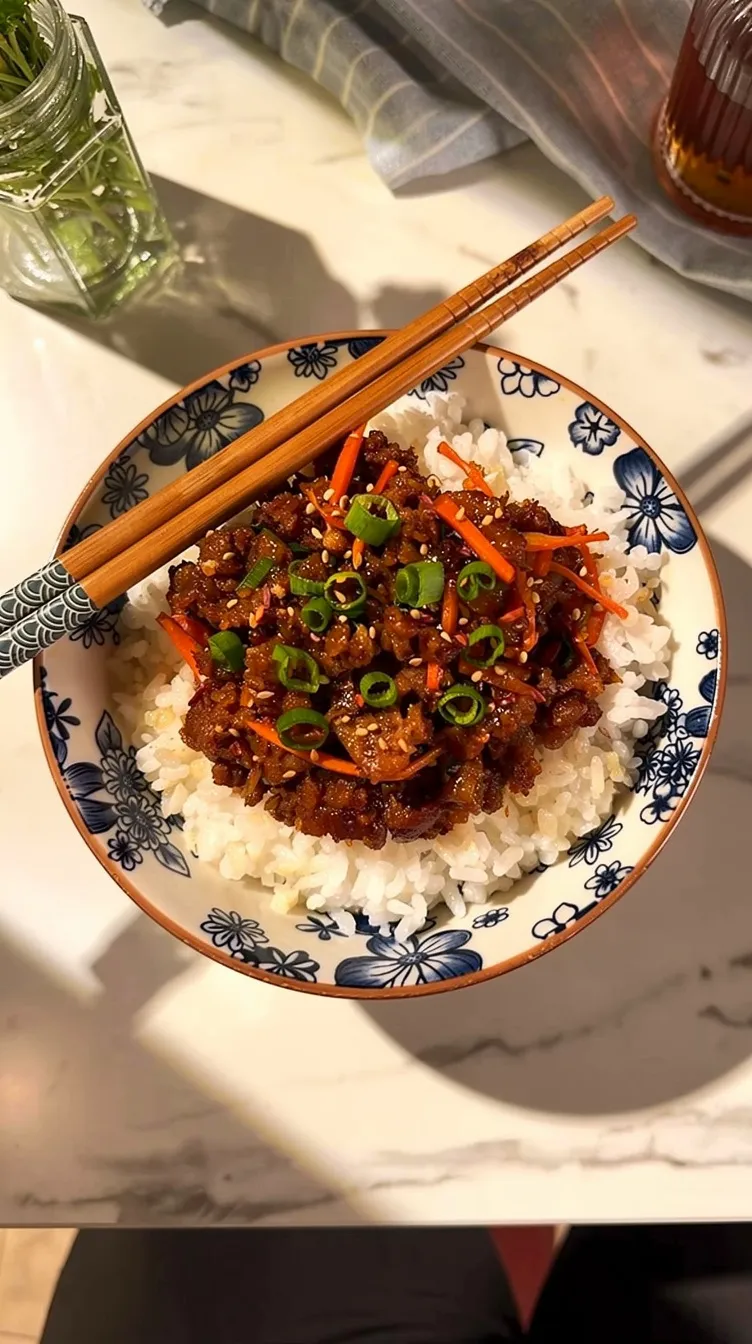
I encourage you to try this recipe tonight. Put on some music, get your rice steaming, and enjoy the process of building these vibrant bowls. Whether you’re serving a house full of picky eaters or looking for a sophisticated solo dinner, this recipe is a guaranteed winner. It’s more than just a meal; it’s a tool for a better, more flavorful week.
Before you start chopping, take a moment to explore our other stories and culinary adventures at https://www.thatlovepodcast.com/episodes.
Your support allows us to keep telling the stories that matter, one bowl at a time. If you’ve found value in our work, a small donation would mean the world to us: https://www.thatlovepodcast.com/donate.
Final Tips for Your Cooking Journey
Make it Your Own: Cooking is an art, not a set of laws. If you love heat, add more gochujang. If you love crunch, add more carrots.
Plan Ahead: If you're really pressed for time, julienne your carrots and slice your cucumbers in the morning. Future You will be so grateful when you walk in the door at 5:30 PM.
Enjoy the Experience: One-bowl meals are meant to be cozy. Find your favorite spot on the couch or gather around the table and savor every spicy, creamy bite.
🍽️ You Might Also Like
Love easy comfort food and irresistible desserts? Try these delicious recipes next:
🍲 Easy Lasagna Soup Recipe – A Delicious One-Pot Wonder
https://www.thatlovepodcast.com/post/easy-lasagna-soup-recipe-a-delicious-one-pot-wonder
🍫 Irresistibly Easy Fitwaffle’s Air Fryer Peanut Butter Lava Cakes
🍰 Easy Black Cake Recipe – A Rich and Delicious Caribbean Tradition
https://www.thatlovepodcast.com/post/easy-black-cake-recipe-a-rich-and-delicious-caribbean-tradition
🧀 Easy and Irresistible Baked Feta Pasta with Spinach and Sausage
🍚 15-Minute Korean Beef Bowl Recipe
https://www.thatlovepodcast.com/post/15-minute-korean-beef-bowl-recipe
Related Articles from That Love Podcast
10 FAQs for the Perfect Korean Beef Rice Bowl
1. Can I use brown rice instead of jasmine? Absolutely! Just keep in mind that brown rice takes significantly longer to cook (usually 40–45 minutes), so plan accordingly so it's ready when your 20-minute beef is done.
2. What is a good substitute for gochujang? If you can't find gochujang, a mix of Sriracha and a little bit of miso paste can mimic that spicy-savory profile, though it won't be exactly the same.
3. Is this recipe gluten-free? To make it gluten-free, use Tamari instead of soy sauce and ensure your gochujang is a gluten-free variety (some brands use barley).
4. Can I make this with steak instead of ground beef? Yes. Use a thinly sliced flank steak or ribeye. Sear it very quickly on high heat so it remains tender.
5. How do I make julienned carrots easily? If you don't have a steady hand with a knife, use a julienne peeler or the large holes of a box grater for a "shredded" effect.
6. Is kimchi too spicy for kids? It often is! For children, I recommend omitting the kimchi and adding extra sliced cucumbers or even some sweet corn.
7. Can I use garlic and ginger powder instead of fresh? You can, but the flavor will be much "flatter." If using powder, use about 1/4 teaspoon of each.
8. What can I do with leftover gochujang? It lasts for months in the fridge! Use it in stews, as a marinade for wings, or stir it into your next batch of roasted vegetables.
9. How do I stop my beef from being too greasy? Use a leaner ground beef (90/10) or drain the fat after browning but before adding the sauce.
10. Can I serve this cold? The beef and rice are best served hot, but the "leftover" beef is actually delicious cold when stuffed into lettuce wraps!


.jpg)


.jpg)







Comments