






Copycat Crumbl Chocolate Chip Cookies

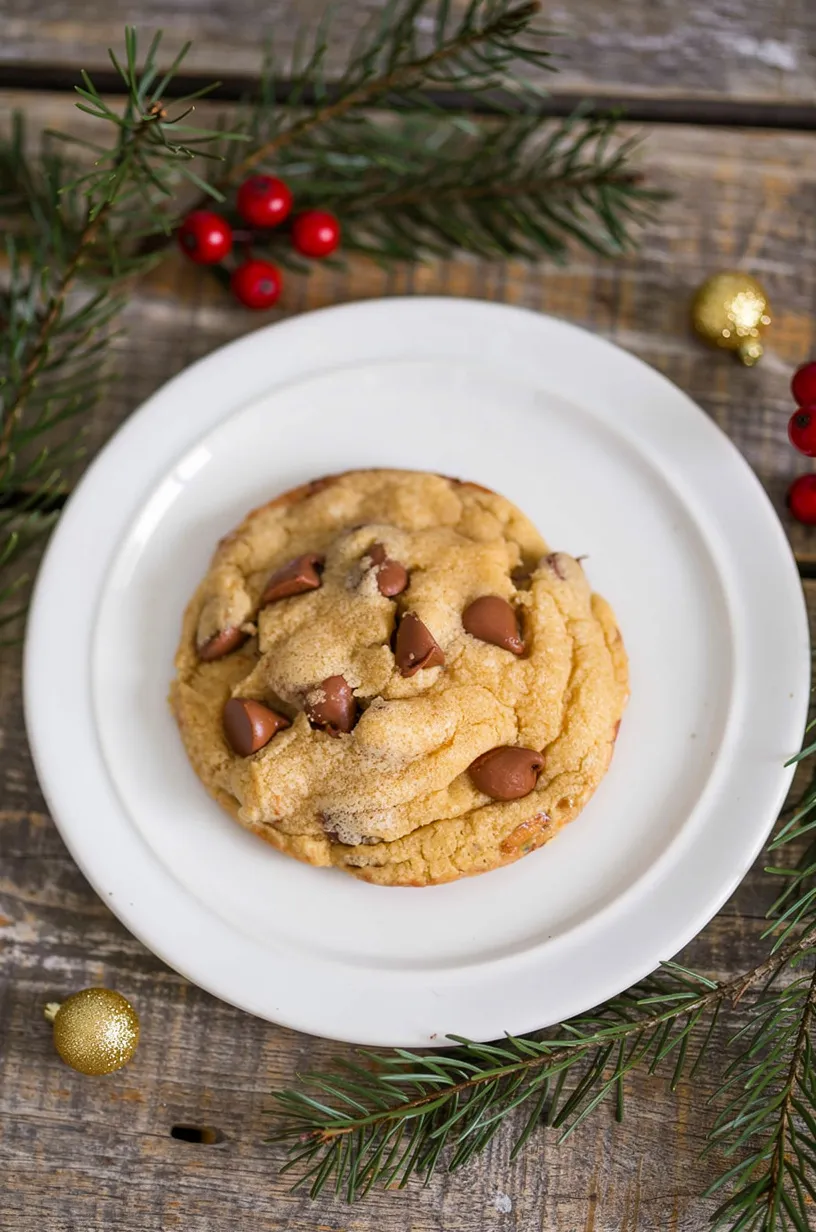
If you love the idea of a thick, bakery-style chocolate chip cookie with a soft middle and pools of milk chocolate, this copycat Crumbl chocolate chip cookie recipe brings that treat into your own kitchen. The cookies are oversized, buttery and gently crisp at the edges, with a chewy centre that stays tender after cooling. You will get a clear, metric-first recipe, practical dough and baking advice, and easy ways to prepare, freeze and serve the cookies.
This is an independent homemade copycat-style recipe inspired by the general look and flavour of a large milk-chocolate chip cookie. It is not Crumbl’s recipe, and Crumbl does not sponsor or endorse it. The method uses common supermarket ingredients, a short chill, and portioning by weight so the cookies bake evenly. Make them for a weekend baking session, a birthday treat, a cookie box or a cosy night with a glass of cold milk. If very large cookies feel like too much, the dough can also be divided into smaller portions with a shorter bake time.
The key is not a secret ingredient; it is controlling the dough temperature and giving each cookie enough space. Use soft but not greasy butter, mix only until the flour disappears, and take the tray out when the edges are set while the centres still look slightly soft. They continue to firm up on the hot pan, which is how you keep the middle tender instead of turning the whole cookie crisp. Let’s bake 👇

You May Also Like
Why You’ll Love This Recipe
These cookies deliver the oversized bakery feel without requiring professional equipment. The dough is made in one bowl with a hand mixer or stand mixer, then portioned into even rounds; a kitchen scale makes this especially easy. The short chill firms the butter so the cookies hold their shape, while a little cornflour helps create a softer crumb.
The flavour is familiar but balanced. Brown sugar gives the dough a gentle caramel note, vanilla rounds it out, and milk chocolate chips make every bite sweet and creamy. A pinch of flaky salt on top is optional, but it is a lovely contrast if you enjoy sweet-and-salty cookies.
This is also a flexible chocolate chip cookie recipe. Make the dough a day ahead, freeze portions for another weekend, or reduce the cookie size if you want more servings. The recipe is useful for bake sales and sharing because one batch produces ten generously sized cookies. If you bake for a mixed group, reserve a few plain dough portions before adding chocolate chips or use dairy-free chocolate that fits the needs of your guests.
What Do Copycat Crumbl Chocolate Chip Cookies Taste Like?
Expect a buttery cookie with a soft, chewy centre, lightly golden edges and generous milk-chocolate pockets. Brown sugar makes the flavour deeper than a plain sugar cookie, but the dough is not meant to taste strongly of molasses. Vanilla adds a familiar bakery aroma, while a little salt keeps the chocolate and sweetness from feeling flat.
The texture changes as the cookie cools. Straight from the oven, the outside is delicate and the middle is very soft. After a short rest on the tray, the edges become sturdy enough to lift while the centre stays tender. If you prefer a firmer cookie, add a minute or two to the bake, but avoid waiting for the centre to look completely dry in the oven; that is usually when the finished cookie becomes overbaked.
Ingredients You’ll Need
This recipe makes 10 large cookies, about 140–145g of dough each.
225g unsalted butter, softened but still cool
180g soft light brown sugar
120g caster sugar
2 large eggs, at room temperature
10ml vanilla extract
420g plain flour
15g cornflour (cornstarch)
5g bicarbonate of soda
5g fine salt
300g milk chocolate chips or chopped milk chocolate
30g extra chocolate chips for the tops
Optional: flaky sea salt for finishing
Butter: Use softened butter that dents when pressed but is not glossy or melting. Butter that is too warm can make the dough greasy and cause excess spreading.
Flour and cornflour: Plain flour provides the structure; cornflour softens the crumb. Weigh the flour if possible. Scooping directly from a bag can pack too much into a cup and make cookies dry.
Chocolate: Milk chocolate is the classic choice for this style, but a mix of milk and dark chocolate gives a less sweet finish. Chopped chocolate creates uneven pools; chips hold their shape more neatly.
Eggs: Large eggs bind the dough and add richness. Bring them closer to room temperature before mixing so the butter mixture stays smooth.
Ingredient Substitutions
Salted butter: Use it if needed, but reduce the added fine salt to about 2g.
Dark brown sugar: It works, though the cookies will taste more toffee-like and may be slightly darker.
Chocolate chunks: Swap them gram for gram for the chips. Keep a few pieces to press on top before baking.
Gluten-free flour: Use a reliable plain gluten-free baking blend that includes a binder. Results vary by brand, so chill the dough and bake one test cookie first.
Dairy-free butter and chocolate: A firm block-style dairy-free butter and dairy-free chocolate can work; avoid soft tub spreads because they contain more water and can change the spread.
Smaller cookies: Portion into 18–20 pieces of around 70g and begin checking the oven after 9 minutes.
Equipment
You will need a large mixing bowl, hand mixer or stand mixer, digital kitchen scale, sieve, baking trays, baking paper and a wire rack. A cookie scoop is convenient but not essential. If using one tray at a time, let it cool fully before adding the next batch; warm metal can cause the dough to spread before it reaches the oven.
How to Make Copycat Crumbl Chocolate Chip Cookies
Prepare the trays. Line two large baking trays with baking paper. Weigh the butter and eggs, then let the butter soften until pliable but cool to the touch. Heat the oven to 180°C conventional or 160°C fan (356°F conventional / 320°F fan).
Cream the butter and sugars. Beat the butter, brown sugar and caster sugar on medium speed for about 2 minutes, stopping to scrape down the bowl. The mixture should look evenly combined and a little lighter, not whipped until fluffy. Over-aerating can make large cookies rise and then collapse.
Add eggs and vanilla. Beat in the eggs one at a time, then the vanilla. If the mixture looks slightly curdled, do not worry; the dry ingredients will bring it together. Scrape the bowl so there are no buttery streaks at the bottom.
Mix the dry ingredients. In a second bowl, whisk together the flour, cornflour, bicarbonate of soda and salt. Add this to the butter mixture in two additions on low speed. Stop as soon as there are no dry flour patches. Stir through 300g of chocolate by hand.
Chill the dough. Cover the bowl and refrigerate for 30–45 minutes. This makes the dough easier to portion and helps limit spreading. If chilling overnight, cover tightly; let the dough sit at room temperature for about 10 minutes before shaping if it is too firm to scoop.
Portion evenly. Divide the dough into 10 portions of roughly 140–145g. Roll each into a tall ball, then press a few reserved chocolate pieces onto the top. Place five cookies on each tray, leaving at least 7cm between them.
Bake one tray at a time. Bake for 12–15 minutes, rotating the tray once if your oven browns unevenly. Look for set, lightly golden edges and a centre that still appears soft and slightly puffed. Do not wait for the middle to turn brown.
Shape and cool. If the cookies spread unevenly, use a large round cutter or mug to gently nudge the hot edges into a round shape. Leave them on the tray for 15 minutes, then transfer carefully to a wire rack. Finish with a little flaky salt if you like.
The Food Standards Agency advises that food safety depends on thorough cooking and safe handling; avoid tasting raw cookie dough because it contains uncooked flour and eggs. For more on handling eggs and leftovers, see the FSA’s cooking guidance.
Important Baking Tips
Measure by weight. A 20g difference in flour can make a noticeable change in a large cookie. Use a scale for repeatable portions and a consistent bake.
Keep the butter cool. Soft butter should bend under pressure but still hold its shape. If it is shiny or beginning to melt, refrigerate it briefly before mixing.
Chill the dough. A brief chill makes the dough easier to handle and helps the cookies bake thick. If your kitchen is warm, chill the shaped portions for 10 minutes before baking.
Do not overmix after adding flour. Once flour is in the bowl, mix only until incorporated. More mixing develops gluten, which can make the cookies tough rather than tender.
Use a cool tray for each batch. A warm baking sheet starts melting the butter before the oven sets the edges. Let trays cool between batches or use a second tray.
Trust the edges. The centre will look underdone compared with the edges, but it sets while resting. Leaving the cookies in the oven until the middle looks firm often leads to a dry result.
Make them smaller if needed. Large cookies are rich. Smaller portions bake more quickly and are easier to share at parties or pack into lunchboxes.
More Recipes You’ll Love
Variations and Substitutions
Chocolate mix: Use 200g milk chocolate and 100g dark chocolate for a less sweet cookie with a deeper cocoa note. Chopped bars give a more varied appearance than uniform chips.
Sea-salt finish: A few flakes on each warm cookie highlight the caramel notes. Keep the amount light; flaky salt is more intense than fine salt.
Smaller batch cookies: Make 18 cookies around 80g each and bake for about 9–11 minutes. Use the same visual cue: set edges and a soft centre.
Nutty version: Fold in 80g toasted pecans or walnuts, reducing the chocolate to 240g so the dough is not overloaded. Check with guests about allergies before serving.
Make-ahead dough: Portion the dough and refrigerate it in a covered container for up to 24 hours. Bring it out just long enough to scoop if it firms up.
What to Serve With Them
A cold glass of milk is the classic pairing because it balances the warm, sweet chocolate. Coffee or espresso is good for adults who want a slightly bitter contrast. For a dessert plate, serve one cookie with vanilla ice cream and sliced strawberries; the fruit adds freshness and the ice cream softens the warm chocolate.
For a party, arrange the cookies on a platter with smaller treats so guests can choose a portion that suits them. They also fit naturally into a bake-sale box with brownies or sugar cookies. If you are gifting them, let the cookies cool completely before wrapping so trapped steam does not soften the edges.
How to Store Leftovers
Room temperature: Store completely cooled cookies in an airtight container for up to 4 days. A small piece of bread in the container can help keep the texture soft, but replace it if it becomes stale or damp.
Refrigerator: Refrigeration is not necessary for plain baked cookies and can make them firm. Keep them in a cool, dry cupboard away from direct sunlight.
Freezer: Freeze baked cookies in a sealed container with baking paper between layers for up to 2 months for best quality. Thaw at room temperature for about 30–45 minutes. You can also freeze portioned raw dough balls; bake from frozen at 170°C conventional / 150°C fan, adding a few minutes and checking the edges.
Reheating: Warm one cookie in a microwave for 8–12 seconds, or in a 150°C oven for 3–4 minutes. Keep the time short; the goal is to soften the chocolate, not bake the cookie again.
Make-Ahead Instructions
You can mix the dough up to 24 hours ahead and keep it covered in the fridge. For longer planning, freeze the portioned dough balls on a tray until firm, then transfer them to a freezer bag and label it with the date. Bake from frozen, allowing extra time and watching for set edges. Avoid freezing the dough in one large block if you want a quick bake later; individual portions thaw and bake more evenly.
Recipe Card: Copycat Crumbl Chocolate Chip Cookies
Prep time: 20 minutes, plus 30–45 minutes chilling
Cook time: 12–15 minutes per tray
Total time: About 1 hour 15 minutes
Yield: 10 large cookies
Category: Dessert, baking
Method: Oven baked
Cuisine: American-inspired bakery style
Ingredients
225g unsalted butter; 180g soft light brown sugar; 120g caster sugar; 2 large eggs; 10ml vanilla extract; 420g plain flour; 15g cornflour; 5g bicarbonate of soda; 5g fine salt; 300g milk chocolate chips; 30g extra chocolate for topping; optional flaky salt.
Instructions
Heat oven to 180°C conventional / 160°C fan. Line two trays with baking paper.
Beat butter and both sugars for 2 minutes until combined and slightly lighter.
Mix in eggs one at a time, then vanilla.
Whisk flour, cornflour, bicarbonate of soda and salt. Add to the wet mixture on low speed and stop when combined.
Fold in chocolate chips. Cover and chill for 30–45 minutes.
Divide into 10 portions of 140–145g. Place five on each tray with 7cm between them and press extra chocolate on top.
Bake for 12–15 minutes until the edges are set and lightly golden while the centres remain soft.
Rest on the tray for 15 minutes before moving to a rack. Add flaky salt if desired.
Notes: A kitchen scale improves consistency. Do not eat raw dough. Smaller cookies need less time; check them early.
Final Thoughts
These copycat Crumbl chocolate chip cookies are all about proportion: a generously sized dough ball, plenty of milk chocolate and a centre that stays soft after the edges have set. The recipe is straightforward enough for a relaxed afternoon bake, but the dough can also be prepared ahead so you can bake a fresh tray when a cookie craving appears.
The most useful step is weighing the portions. Even cookies bake at a similar pace, which means fewer pale centres beside overdone edges. If you like crisp cookies, leave the tray in for another minute; if you want a softer middle, trust the gentle colour cues and let the pan finish the job. Try the recipe as written once, then adjust the chocolate mix or cookie size to suit your kitchen. Save it for your next bake, share a batch with someone who loves a bakery cookie, and tell us whether you prefer the milk-chocolate version or a darker mix.
More Delicious Recipes & Food Ideas
Frequently Asked Questions
How do I make copycat Crumbl chocolate chip cookies thick?
Weigh the dough portions, keep the butter cool, chill the dough briefly and leave generous space between cookies. The edges should set before the centres look fully baked. Letting them rest on the hot tray finishes the bake without drying the middle.
Can I use dark chocolate instead of milk chocolate?
Yes. Dark chocolate gives the cookies a more bittersweet finish and balances the sweet dough. Use the same total weight, or mix milk and dark chocolate to keep some of the classic creamy flavour.
Why did my cookies spread too much?
Butter that was too warm, a warm baking tray or skipping the chill can all encourage spreading. Measure the flour accurately and bake on a cool lined tray. If the dough feels greasy or very soft, refrigerate it for another 15 minutes before baking.
Can I make the dough ahead?
Yes. Cover and refrigerate it for up to 24 hours. You can also freeze portioned dough balls for later. If the dough is very firm after chilling, leave it at room temperature briefly so it can be shaped without warming fully.
How do I freeze Crumbl-style cookies?
Cool the baked cookies completely, then freeze them in a sealed container with baking paper between layers. Thaw at room temperature. For fresh-baked texture, freeze raw dough portions and bake them from frozen with a few extra minutes.
How long do chocolate chip cookies stay fresh?
Stored in an airtight container in a cool, dry place, these cookies are best within about 4 days. The edges gradually soften over time. Freeze extras if you want to keep them longer without sacrificing as much quality.
Can I make smaller cookies?
Yes. Divide the dough into 18–20 portions and begin checking after 9 minutes. Smaller cookies bake faster, so look for lightly golden edges and a soft but set centre rather than following the large-cookie timing.
Do I need a stand mixer?
No. A hand mixer works well, and you can mix by hand with a sturdy spoon if the butter is properly softened. Fold the flour in gently and stop as soon as no dry patches remain.
Can I use self-raising flour?
Plain flour is recommended because the recipe already contains bicarbonate of soda. Self-raising flour adds extra raising agents and can change the shape and texture, so it is better to use plain flour or a measured gluten-free plain blend.
Is raw cookie dough safe to eat?
No. This dough contains raw flour and eggs, so do not taste it before baking. Bake the cookies fully until their edges are set, and wash hands and utensils after handling raw dough.
More Places to Find Great Recipes
Looking for more baking inspiration? These trusted food websites offer recipes, technique guides and ideas for your next sweet treat. They are independent resources and do not endorse this recipe.
Allrecipes — Browse everyday meals, desserts, baking recipes and reader reviews.
Food Network — Find recipes and cooking advice from chefs and food contributors.


.jpg)





.jpg)


Comments