





10 Best Picture Books of 2026 for Young Readers

Choosing a picture book your child will ask for again and again is harder than it looks, especially when hundreds of new titles reach the shelves every year. You want a story that makes them laugh, a few pages that make them think, and pictures worth studying, all without turning bedtime into a negotiation.
This ranking gives you ten of the best picture books of 2026 for young readers, counted down from #10 to #1. By the end you will know which book suits a nervous four-year-old, which one will win over a dinosaur fan, and which one deserves a place on your classroom shelf. We also checked each book’s publisher, release date and recommended age range, so the details here are current.
The list covers funny picture books, quiet and thoughtful stories, and a few brave ones that talk about fear, moving house and even death. Every entry explains what happens in the book, who the main characters are and what kind of reading experience you can expect. That way you can decide quickly whether a title fits your child, your read-aloud group or your next gift.
We looked at four things. First, how strong the story is. Second, how well it speaks to a child’s real worries and joys. Third, how good the artwork and the language are. Fourth, whether it is a book a grown-up would happily read a hundred times. Picture books are short, so every page has to earn its place, and the best ones on this list do exactly that.
You will notice a few patterns as you scroll. Two books pay quiet tribute to Where the Wild Things Are. Two others turn big feelings, such as anxiety and anger, into something a small child can see on the page. One is a pure comic romp about tractors in space, and one is a gentle story from a famous children’s singer and a Caldecott Medal winner. There is plenty of variety, so you can mix and match for a whole month of bedtime stories.
A quick note on how to use the list. We rank from #10 to #1, so our favourite is waiting at the end. Each entry starts with the story, then explains where it lands and why, who it suits best and where to buy it. Release dates and age ranges come from publisher listings and trade reviews, so check availability in your own region before you head to a bookshop or library. One title on the list, I Wonder If I’m Growing, is published later this month, so you can pre-order it now.
If you are refreshing the family bookshelf, stocking a classroom or hunting for a gift that will actually get read, this list is built for you. Let’s start 👇
Affiliate disclosure: This article contains Amazon affiliate links. If you sign up or make a qualifying purchase through one of these links, That Love Podcast may earn a commission at no additional cost to you. As an Amazon Associate I earn from qualifying purchases.
Support That Love Podcast
Enjoying the recommendations? If you enjoy our entertainment and book coverage, you can help support That Love Podcast and keep independent articles and original audio stories coming. Donate to That Love Podcast
Advertise With That Love Podcast
Want to reach readers, parents and entertainment fans? If you’re a brand, author, publisher, streaming company, entertainment business or creator looking to reach an engaged audience, That Love Podcast offers advertising opportunities across the website, podcast and newsletter. Find out more: Advertise with us
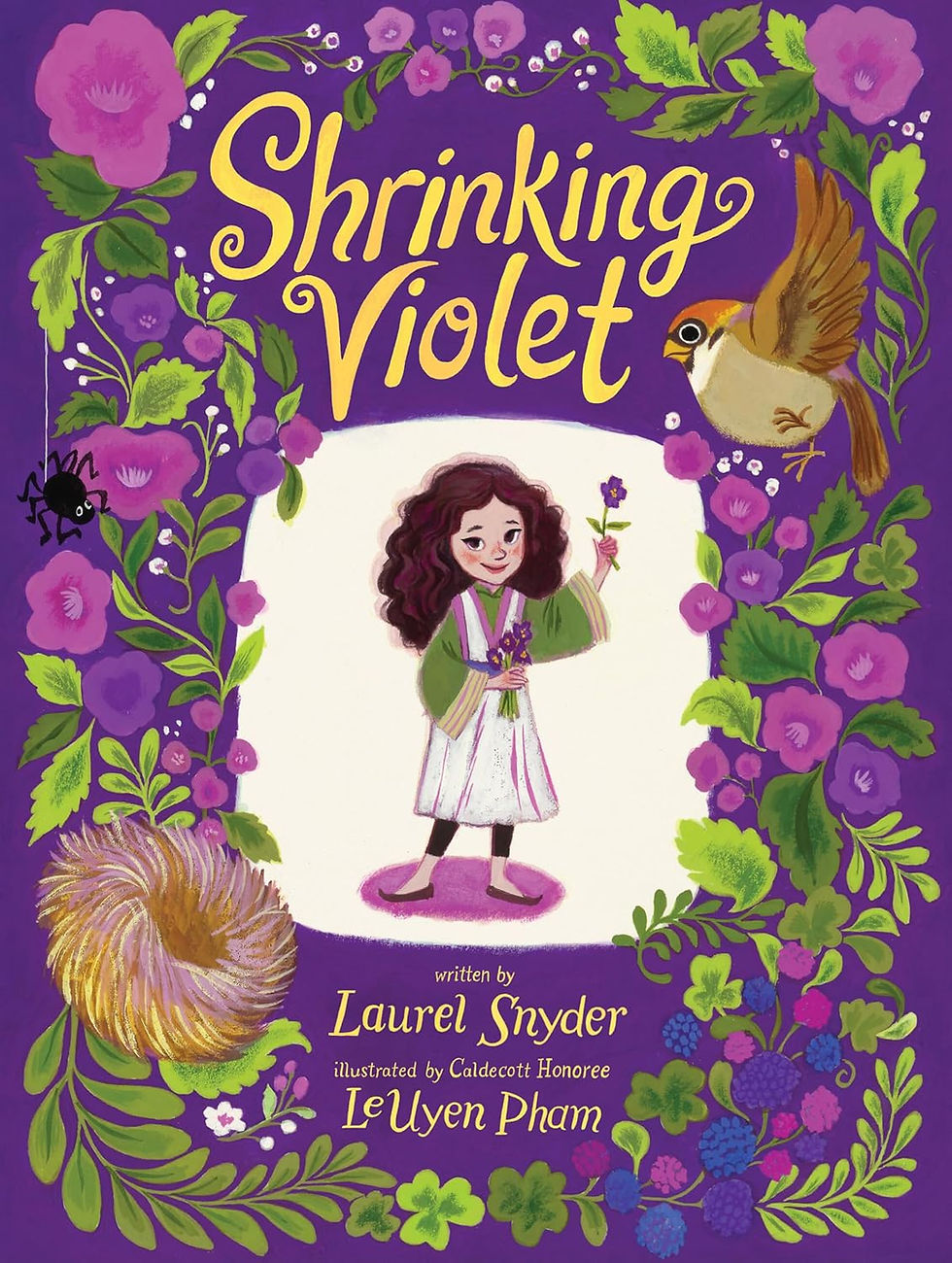
Violet is a girl whose body answers her feelings in a very literal way. When she is scared, she shrinks, and the smaller she gets, the harder it is to face whatever frightened her in the first place. Then her best friend ends up in danger, and Violet has to work out how to manage her fear, even while she is tiny, so she can step in and help. Along the way she learns that feeling small and afraid is normal, and that she is much stronger than she realised.
The idea explains itself, which makes this a handy way to start a conversation about anxiety with a young child. The creative team adds real weight: Laurel Snyder has won a Theodor Seuss Geisel Award, LeUyen Pham is a Caldecott Honor illustrator, and this is their first book together. The message, that we are all bigger than our fears, is clear and kind.
Why it ranks here: It opens the countdown because the shrinking metaphor does most of the teaching for the reader. It is a warm and useful book, and the creators are top-tier, but the books above it leave more to notice on a second and third read.
Who should read it: Children aged 5 to 8 who worry a lot, plus parents and teachers who want a gentle way to talk about fear.
Where to buy: Published as a 56-page hardcover by Chronicle Books on 31 March 2026. Find Shrinking Violet on Amazon or ask your local library.
🎧 Need something to listen to after story time?
Discover original romantic audio dramas, comedies and stories from That Love Podcast. Listen to That Love Podcast
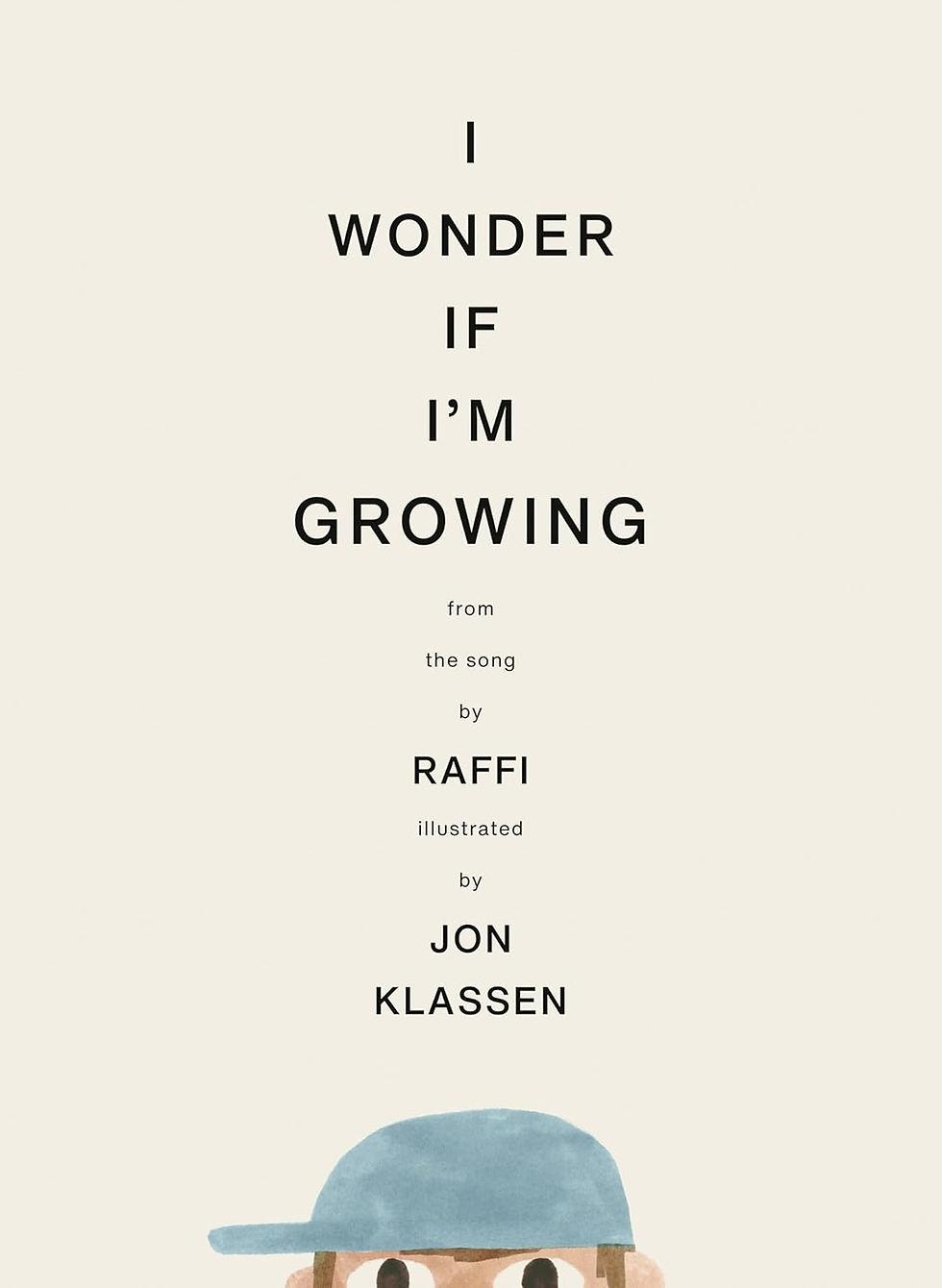
A small child wonders whether they are growing, which is hard to tell when you look at yourself every single day. The book follows the child through ordinary moments, such as eating and having a bath, and each page gives a tiny hint that something is changing. The answer arrives at the end in the most satisfying way a little one could want: the child reaches the tap for the first time. It is a quiet story about change that happens so slowly you only notice it when you stretch a bit higher than yesterday.
Raffi, the singer-songwriter behind “Baby Beluga”, writes the words, and Jon Klassen, the Caldecott Medal winner behind This Is Not My Hat, draws them. Kirkus calls it “a reassuring tale for littles by an author-illustrator dream team” and praises how Klassen’s framing gradually reveals more of the child’s body as the story moves along. His chunky shapes and earth tones keep the mood calm.
Why it ranks here: It sits at #9 because it is not on shelves yet, so most families cannot judge it for themselves, and because its gentle, low-key plot asks for very little action. Even so, a Raffi and Klassen pairing is rare, and the growing-frame trick is clever enough to earn a spot in the top ten.
Who should read it: Ages 2 to 5, toddlers who love measuring themselves against the doorframe, and parents who want a soothing bedtime read.
Where to buy: Published by Tundra Books on 20 October 2026, so you can pre-order it now. Pre-order I Wonder If I’m Growing on Amazon or read the full Kirkus review first.
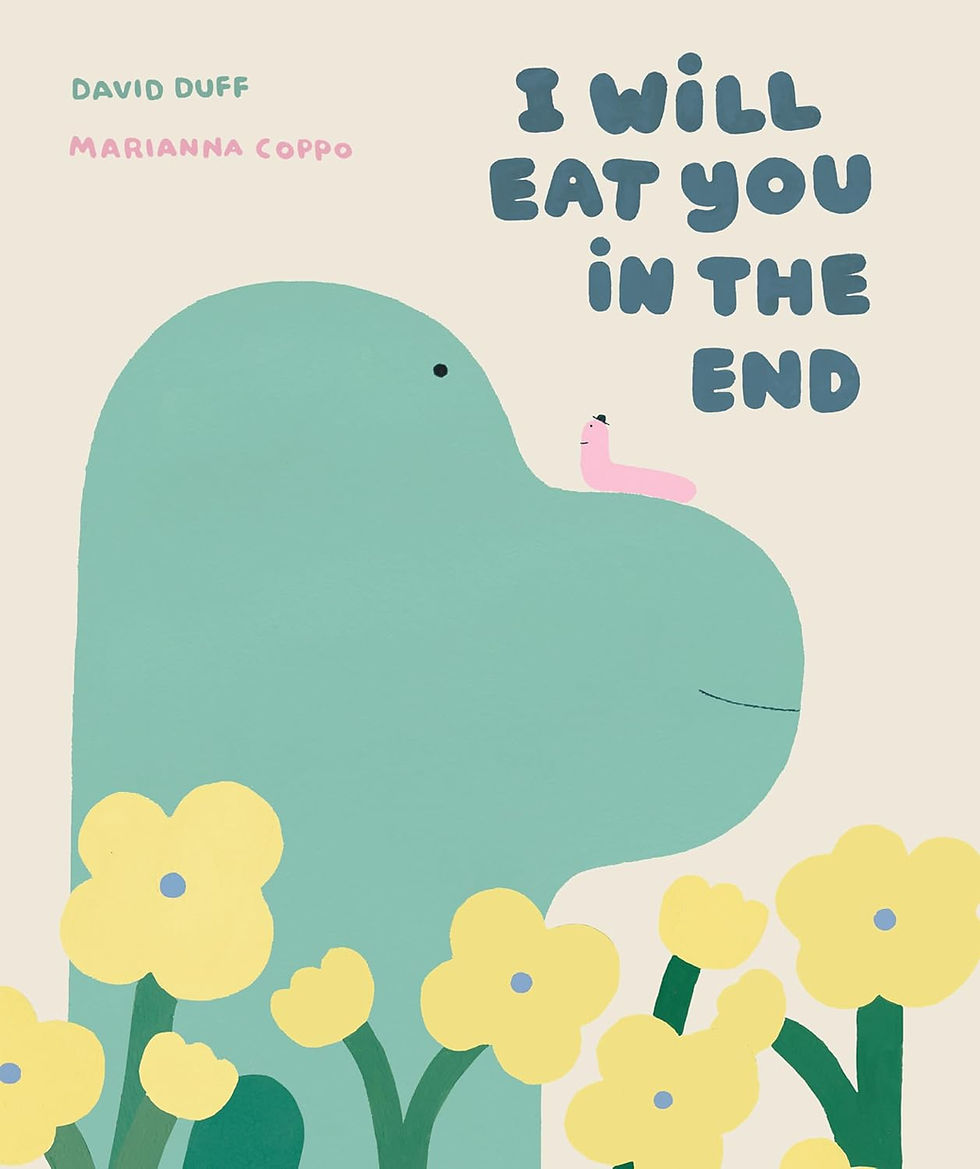
Frank is a worm, and his friend has just been squished by a dinosaur by accident. Instead of screaming, Frank calmly explains the worm’s job in the circle of life, which is to break down what has died so the world can keep growing. The sorry dinosaur and the cool-headed worm slowly become friends, and when danger appears in the sky, Frank makes a promise: he will turn his friend into something nice. Death sits openly in the middle of this picture book rather than hidden behind it, and that is what makes it so unusual.
Marianna Coppo’s illustrations meet David Duff’s blunt, deadpan narration with a gentle touch. Kirkus describes the book as “a strange, sweet, sad paean to the cycle of life and every living thing’s place in it” and praises how openly it speaks to young readers about death. It surprises adults as much as it surprises children.
Why it ranks here: It tackles a subject most picture books avoid and still manages to be funny, moving and kind. It lands at #8 because the dark humour will not suit every child or every bedtime, and the books above it have a wider appeal and a softer landing.
Who should read it: Curious children aged 5 to 8, families talking about loss, pets or the natural world, and parents who like their picture books with a little bite.
Where to buy: Published by Neal Porter Books and Holiday House on 15 September 2026. Find I Will Eat You in the End on Amazon or ask your local library to order a copy.
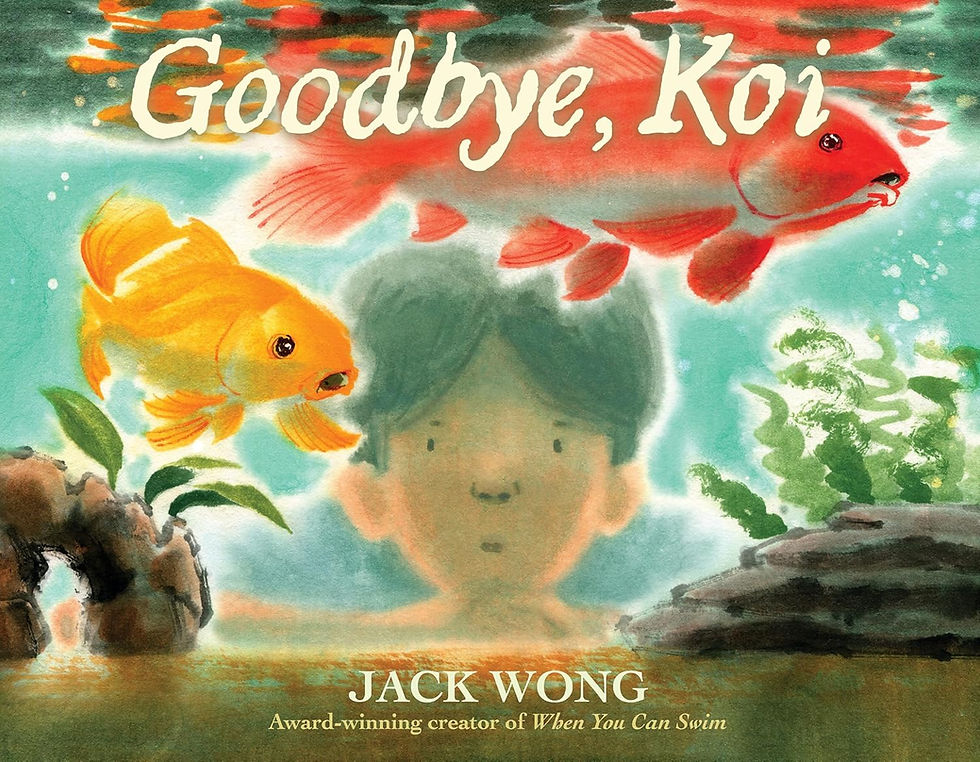
A child and their father are getting ready to move house, and one of the jobs on the list is saying goodbye to their pet koi. The pair carry the fish to a park pond and release it, ticking off the other tasks that come with leaving a home behind. As the story goes on, this small farewell becomes a way of understanding a much bigger change. It draws on Jack Wong’s own experience of moving from Hong Kong to Canada at the age of six.
Wong painted the pictures himself using traditional Chinese brush painting techniques, and the artwork is full of detail, from traditional architecture to busy market scenes and Chinese characters. It is a lovely example of a diverse picture book that feels personal rather than polite. Kirkus calls it “a brilliant, sensitively wrought tale of potentially overwhelming change made manageable.”
Why it ranks here: It gives children a calm, concrete way to talk about moving, leaving friends and growing up, and its handmade artwork is a standout in this year’s releases. It is #7 because the stories above it have more narrative momentum or more laugh-out-loud moments, but few books here feel as honest.
Who should read it: Children aged 4 to 8 who are facing a move or any big change, plus families, teachers and school librarians building a more diverse shelf.
Where to buy: Published by Orchard Books (Scholastic) on 15 September 2026. Find Goodbye, Koi on Amazon or request it at your school or public library.
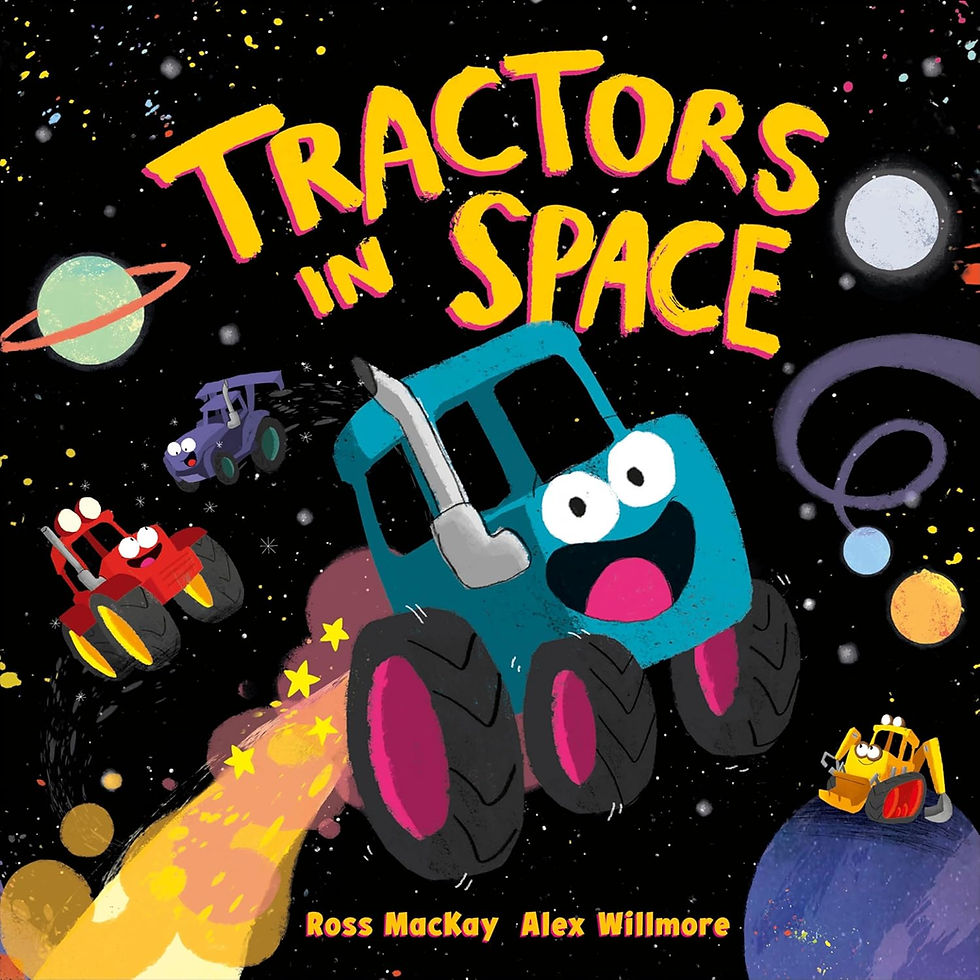
Toby is a young tractor with a very unusual dream: he wants to explore space. Tractors in Space follows his out-of-this-world adventure as he discovers the wonders of the universe, races through asteroids and meets unexpected new friends along the way. It is a 32-page picture book built around a simple, joyful idea, which is that nobody gets to tell you that you are too heavy, too muddy or too farm-bound to do something amazing. The setup is deliberately silly, and it gives young readers a hero who is nothing like a typical astronaut.
Alex Willmore, a Lollies award-winning illustrator best known for The Runaway Pea, supplies the hilarious pictures, and the whole book leans into laugh-out-loud silliness. It is a smart pick for kids who love vehicles, space books and anything with a bit of chaos in it. The book won Gold at the 2026 Right Start Awards in the Top Value category for books, a sign that parents are buying it too.
Why it ranks here: Pure fun earns this a place in the top ten, and it makes a fantastic early read-aloud. It is #6 because it is lighter on emotional depth than the titles above it, which tackle fear, anger and loss. Think of it as the palate cleanser in a list full of big feelings.
Who should read it: Ages 2 to 5, vehicle-obsessed toddlers, space fans and anyone who needs a giggle before bedtime.
Where to buy: Released in January 2026. Find Tractors in Space on Amazon or ask your local bookshop which edition they stock.
Advertise With That Love Podcast
Want to put your book, entertainment brand, streaming service, product or business in front of readers who love movies, television, books and pop culture? That Love Podcast offers sponsorship and advertising opportunities across the website, podcast and newsletter. Learn more: Advertise with us
You May Also Like
Looking for more kids’ book ideas while you decide what to add to the bookshelf? These popular That Love Podcast reads are a great next stop.
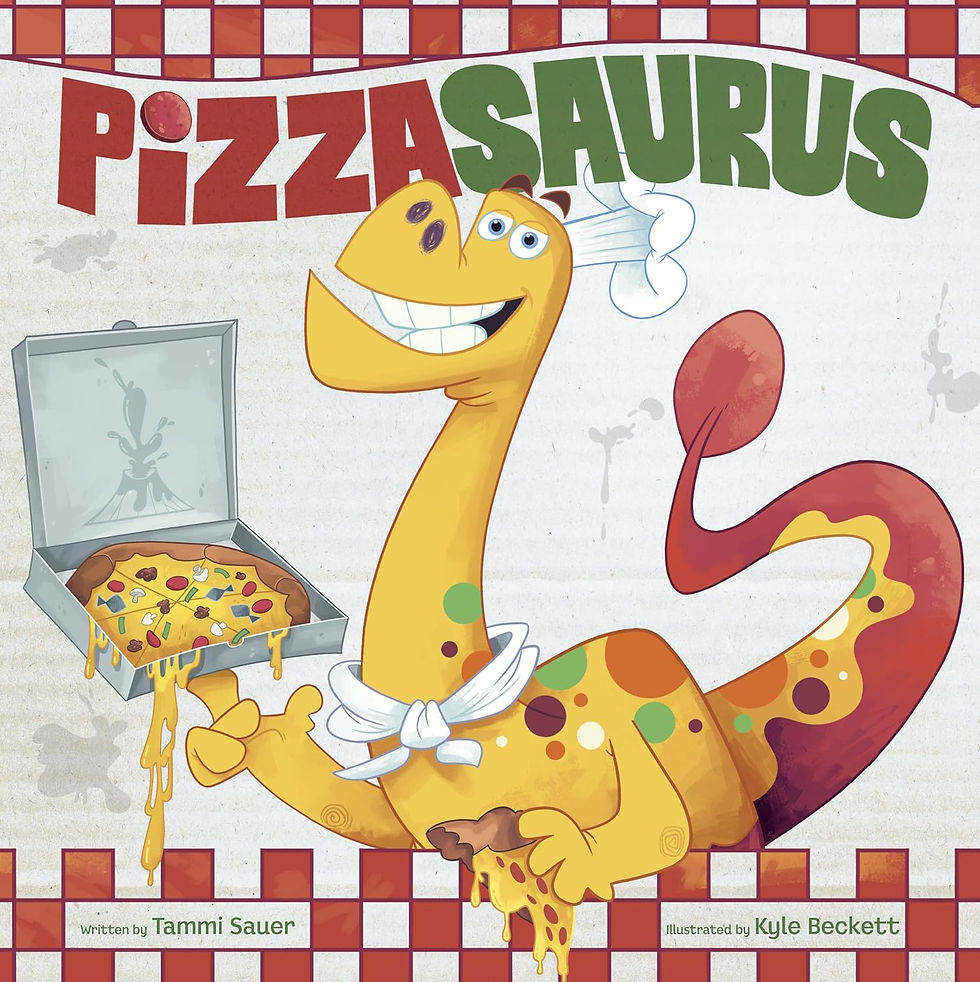
Pizzasaurus is a dinosaur who is not like the others: he lives in a pizza-themed home and eats more pizzas than seems sensible. The narrator treats the reader as a dinosaur expert, and the other dinosaurs, including a Tyrannosaurus rex, Stegosaurus, Triceratops, Apatosaurus, Ankylosaurus and Velociraptor, all compete to show off their own talents. Then Pizzasaurus goes missing, the rumours start flying, and the whole prehistoric crowd has to work out what makes someone special. All that competing for attention sets the stage for plenty of noise, boasting and cheesy jokes.
The jokes come thick and fast, with pizza puns and wordplay on almost every spread. Kyle Beckett’s rubber-faced dinos regularly break the fourth wall, making eye contact with the reader and pulling exaggerated faces of disbelief. Kirkus calls it “cheesy in all the best ways” and notes that it is light on plot but heavy on humour, which is exactly why it works so well read aloud.
Why it ranks here: It is the funniest dinosaur book on the list, with a warm message about friendship and including everyone, and fans of Danny and the Dinosaur will recognise the appeal. It reaches #5 because it pairs its jokes with an actual story, but it stays out of the top half because the plot is slim.
Who should read it: Dinosaur lovers aged 3 to 8, classroom read-aloud sessions and families who think pizza is a love language.
Where to buy: A 32-page hardcover published on 3 March 2026. Find Pizzasaurus on Amazon or see the Kirkus review first.
🎧 Taking a break from the screen?
Listen to original romance, comedy and drama stories from That Love Podcast. Explore the latest episodes
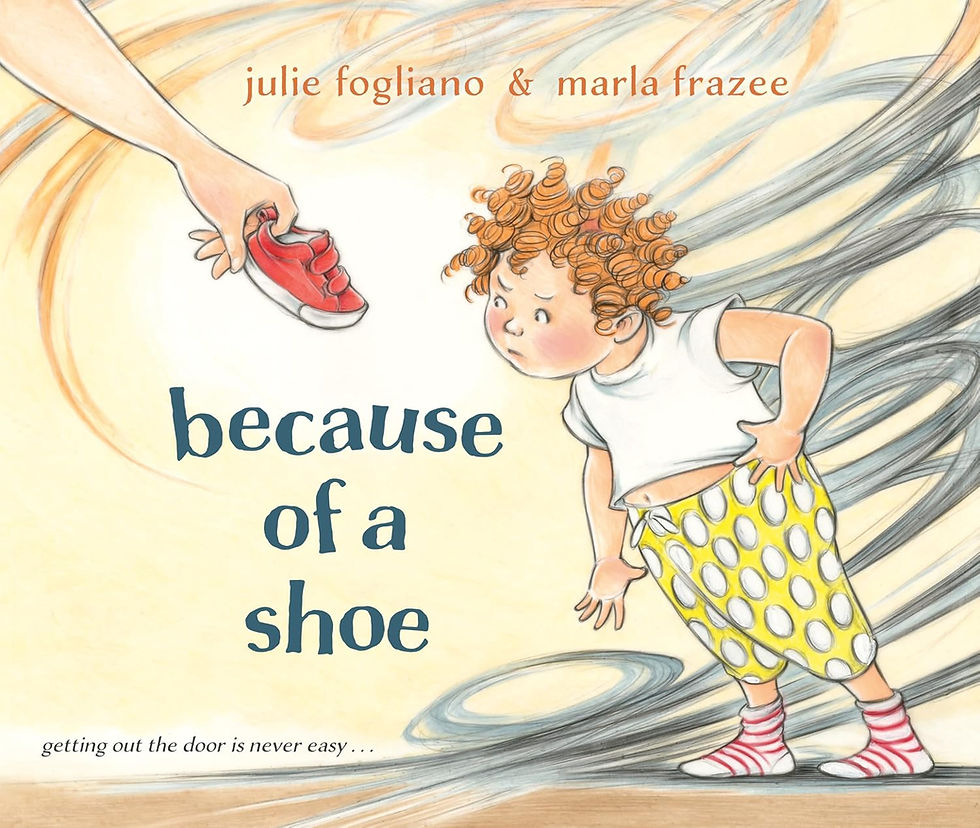
A toddler and a parent are trying to leave the house, but one shoe will not go on, and a full-scale meltdown follows. The text swings between the child’s furious wishes, like wanting every shoe to sink to the bottom of the ocean and get eaten by a shark, and the parent’s maddest face and maddest eyes. Underneath all the screaming, flopping and shoe-throwing, the book keeps asking one question: can the two of them still be loving when both are at their worst?
Marla Frazee uses colour as part of the storytelling. According to Kirkus, the pictures drain to largely grayscale when the parent is at their gloomiest and return to full colour once the two have made peace. Julie Fogliano’s text reads almost like a narrative poem, which makes it a joy to read aloud and gives tired parents a laugh they probably needed.
Why it ranks here: It is funny, honest and beautifully made, and it has earned starred reviews and national bestseller status. It reaches #4 because it captures one exact moment of family life better than almost any other book here. It does not climb higher because the story is narrow: one morning, one tantrum, one emotion.
Who should read it: Toddlers and preschoolers aged 2 to 5, and any parent who has ever lost an argument about footwear. Kirkus calls it “a funny, wrenching affirmation of a parent’s unconditional love”.
Where to buy: Published by Random House Children’s Books on 3 February 2026. Find Because of a Shoe on Amazon or borrow it from your library.
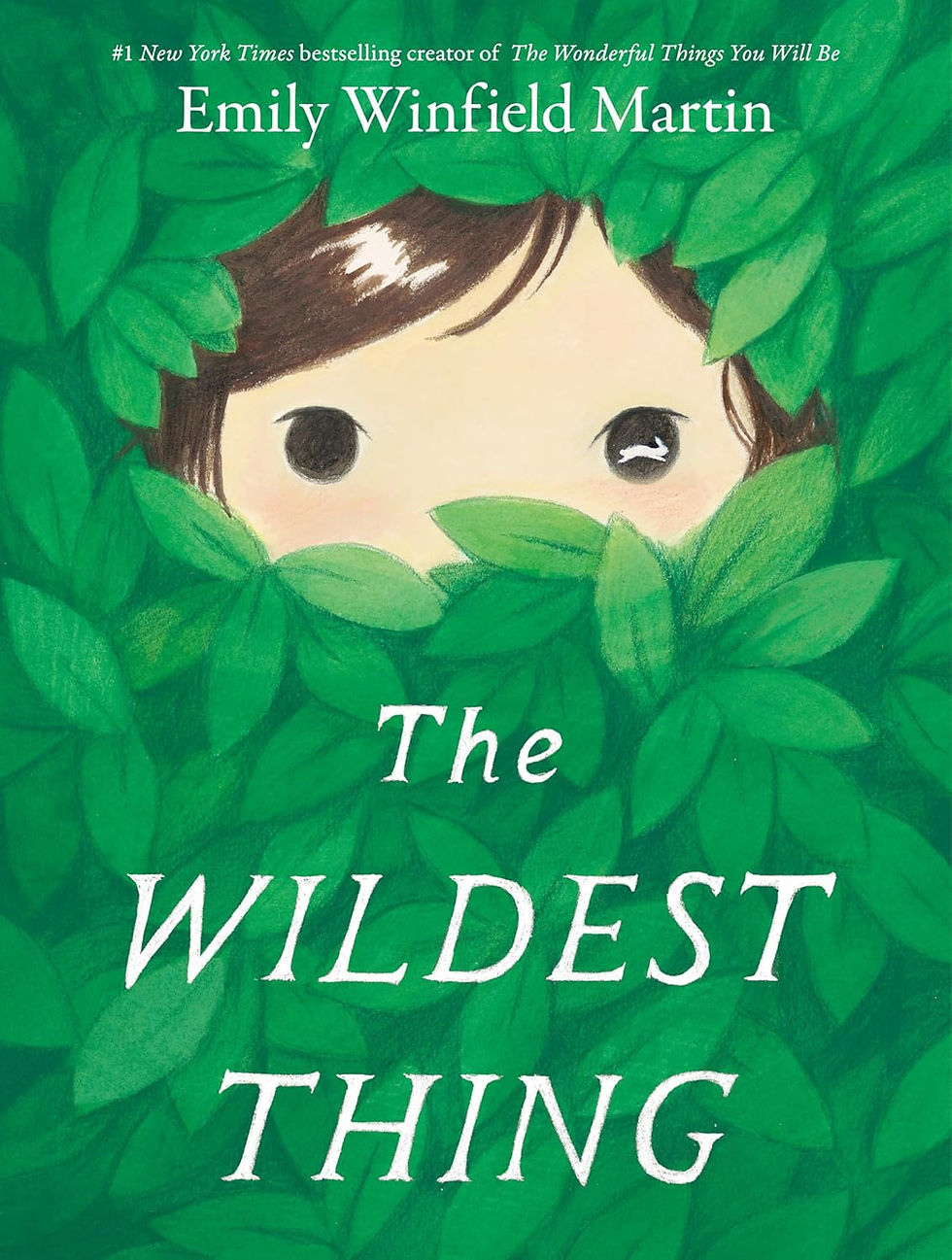
Eleanor is a child who loves wild things, and one night she dreams of mysterious creatures. When she wakes, foliage and forest animals are streaming in through her window. By copying the animals, Eleanor finds the courage to be noisy and free, leaping toward the chandelier or the moon and exploring everything her imagination has been holding back. At the end she tumbles back into bed, smudged, leaf-covered and newly “bloomed”. The story moves from timid, quiet moments to bolder and bolder acts of freedom, all inside one night of dreaming.
Emily Winfield Martin’s luscious full-bleed spreads are filled with natural tones and springy greens, and the animals look charmingly bestial rather than cute and cuddly. The words build like a crescendo, moving from timid statements to increasingly bold ones. Kirkus calls it “a dreamy homage that’s its own budding classic” and notes that it pays tribute to Where the Wild Things Are while saying something fresh about inner wildness.
Why it ranks here: It has the most beautiful artwork among the picture books and a message every child can feel: you are allowed to be loud, messy and yourself. It earns #3 on that mix of beauty and heart, and it misses the top two only because those books give us more story to follow and more surprises along the way.
Who should read it: Dreamy, imaginative children aged 3 to 8, nature lovers and anyone who adored Where the Wild Things Are at bedtime.
Where to buy: A 48-page hardcover from Random House Books for Young Readers, published on 6 January 2026. Find The Wildest Thing on Amazon or ask your library for the audiobook.
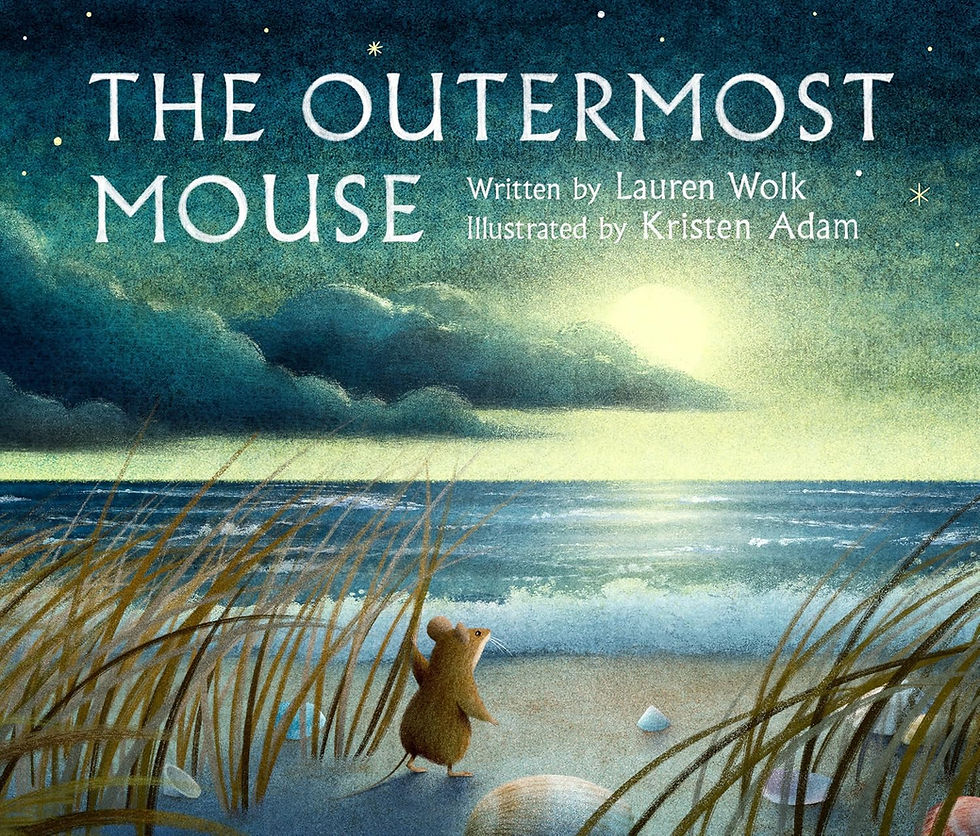
A little mouse loves her home in the Outermost House, a cottage perched on a stretch of beach that juts into the sea. She shares it with an old man, and it gives her everything she needs. But the sea is eating away at the shore, creeping closer and closer, and the mouse decides she cannot simply watch. She sets out to protect what she loves, even though her barricades, by dusk, amount to only the smallest of walls against an enormous ocean.
Lauren Wolk, the author of the Newbery Honor novel Wolf Hollow, adapts themes from Henry Beston’s nonfiction classic The Outermost House for young readers. Kirkus calls it “a triumphant tale of defending what you love” and praises Kristen Adam’s dreamy watercolours, while one reviewer singles out the endpapers as astonishing. The language is poetic, which makes it a more thoughtful read-aloud than most picture books.
Why it ranks here: It is the most literary picture book on the list, with a hopeful message about change and loss that children and adults can both take in. It takes #2 because few books here combine such gorgeous watercolour art with such careful language. It just misses the top spot because its quiet pace asks more patience from very young listeners.
Who should read it: Ages 3 to 6 who enjoy gentle, thoughtful stories, readers who love the seaside, and adults who appreciate beautiful writing.
Where to buy: Published by Dutton on 19 May 2026. Find The Outermost Mouse on Amazon or look for it at your local library.
🎧 Before we reveal our No. 1 pick…
You can also discover original romantic audio dramas from That Love Podcast. Listen here
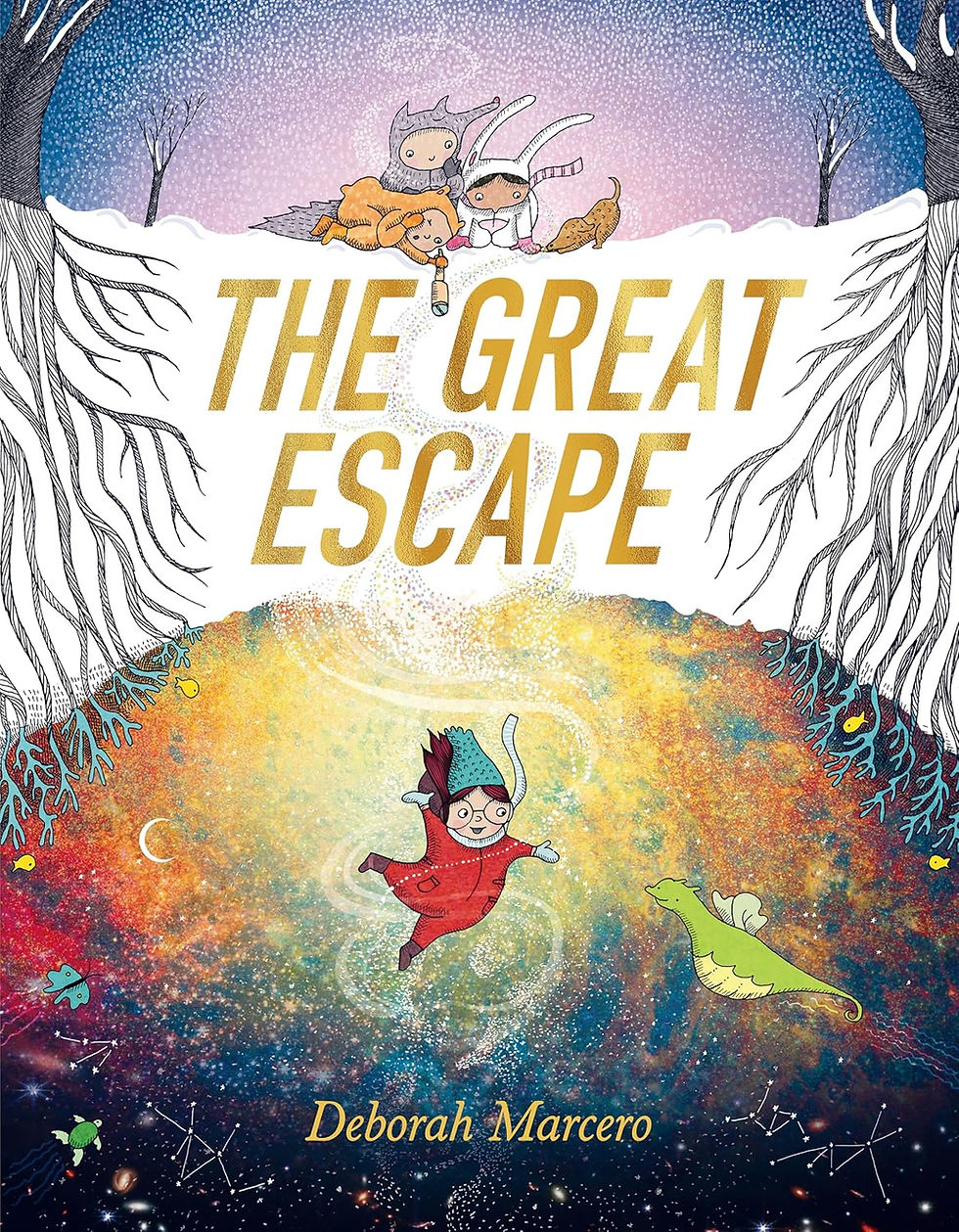
Evie just wants some peace. Her younger siblings will not stop following her, so she turns a snowbank into a portal and slips into an imaginary snowy world, with an upside-down realm on the other side. Her siblings tumble in after her, dressed in animal suits, and the group meets a whale whose baby is caught in a net of constellations. To help, Evie and her siblings have to stop squabbling and work together. It is a story about brothers and sisters who drive each other up the wall and still turn out to need each other.
The book has a clever physical trick: readers must turn it upside down to enter the magical world. Deborah Marcero, whose seventh picture book this is, combines watercolour, ink and digital collage, and layers in public-domain images from the James Webb Space Telescope to give the fantasy realm its starry glow. The story is also personal, inspired by Marcero’s childhood on a small farm with five siblings, and it echoes Where the Wild Things Are without copying it.
Why it ranks here: It has the best mix of story, art and invention of any picture book this year. The sibling relationship feels real, the upside-down trick makes it a book you physically play with, and the emotional payoff lands without a single lecture. It takes the crown because every other title on this list does one or two of those things well, and this one does all of them.
Who should read it: Ages 3 to 7, families with siblings, winter-story lovers and anyone who enjoys picture books that do something new with the form.
Where to buy: A 48-page picture book from Putnam, published on 17 February 2026. Find The Great Escape on Amazon or read this author and illustrator interview with Deborah Marcero.
Work With That Love Podcast
If you’re a brand, author, publisher, entertainment company or business looking to connect with an audience that loves movies, television, romance, books and pop culture, we’d love to hear from you. Discover advertising and sponsorship opportunities: Advertise with us
The Best Picture Books of 2026: Final Thoughts
What connects the strongest books here is honesty. Shrinking Violet, Because of a Shoe and Goodbye, Koi take children’s feelings seriously, I Will Eat You in the End takes death seriously, and I Wonder If I’m Growing takes the small, slow business of getting bigger seriously. Meanwhile The Wildest Thing and The Great Escape both borrow the spirit of Where the Wild Things Are to remind children that wildness and imagination are worth protecting.
The list also shows how varied the year has been. Tractors in Space and Pizzasaurus bring pure comic joy, The Outermost Mouse offers quiet beauty for patient readers, and the rest sit somewhere in between. If you only buy one book, pick the one closest to your child’s current mood: silly, anxious, curious or adventurous.
The Great Escape finished first because it gives you everything a picture book can offer in 48 pages: a story with heart, artwork worth lingering over, and a design trick that turns reading into play. It is also a reminder that picture books are still one of the most inventive forms in children’s publishing.
Now we would love to hear from you. Which book is your favourite, how would you rank them, and which 2026 release do you think we missed? Tell us in the comments and share this list with a parent, teacher or librarian who loves a good story.
Support That Love Podcast
Enjoying the recommendations? If you enjoy our entertainment and book coverage, you can help support That Love Podcast and keep independent articles and original audio stories coming. Donate to That Love Podcast
Looking for something new to listen to?
You May Also Like
Keep the story going with more picture book reviews and children’s book favourites from That Love Podcast.
You May Also Like
Before you go, here are even more kids’ book roundups and family favourites you might enjoy.
Browse more on Amazon: Explore More on Amazon
Frequently Asked Questions About the Best Picture Books of 2026
What is the best picture book of 2026 so far?
Our No. 1 pick is The Great Escape by Deborah Marcero, published by Putnam on 17 February 2026. It combines a story about squabbling siblings with a design trick that asks you to turn the book upside down, and it uses watercolour, ink and digital collage to build a starry fantasy world. The Outermost Mouse and The Wildest Thing follow close behind.
Which new picture books are best for toddlers aged 2 to 5?
For ages 2 to 5, try Tractors in Space, Because of a Shoe and I Wonder If I’m Growing. All three are short, funny or soothing, and full of big pictures. The Wildest Thing and Pizzasaurus also suit preschoolers, with publisher ranges starting at age 3, and they make ideal nursery and kindergarten read-alouds.
Which picture book is best for a child who is anxious?
Shrinking Violet by Laurel Snyder and LeUyen Pham is the best fit. Violet shrinks when she is afraid and has to manage her fear to help her best friend, which gives children a picture of how anxiety feels and how to face it. It is a hardcover for ages 5 to 8 from Chronicle Books, and it carries a message that we are all bigger than our fears.
What is the best picture book about moving house?
Goodbye, Koi by Jack Wong is the clear choice. A child and their father prepare for a move and release their pet koi into a park pond. The story is based on Wong’s own childhood move from Hong Kong to Canada, and Kirkus praises it for making overwhelming change feel manageable. It is recommended for ages 4 to 8.
Which picture book helps children understand death and the life cycle?
I Will Eat You in the End by David Duff, illustrated by Marianna Coppo, handles the subject with dark humour and tenderness. A worm named Frank explains why worms matter after a dinosaur accidentally squishes his friend. Kirkus calls it strange, sweet and sad. It is aimed at ages 5 to 8, so read it first to see whether it suits your child.
What are the funniest picture books of 2026?
Pizzasaurus, Tractors in Space and Because of a Shoe are the funniest picks on our list. Pizzasaurus is packed with pizza puns and rubber-faced dinosaurs, Tractors in Space sends a tractor racing through asteroids, and Because of a Shoe finds the humour in a toddler meltdown. All three are excellent read-aloud books for classrooms, libraries and family reading nights.
Which books on this list are similar to Where the Wild Things Are?
The Wildest Thing by Emily Winfield Martin and The Great Escape by Deborah Marcero both echo Maurice Sendak’s classic. In each one, a child slips into a fantastical world, meets animal creatures and returns changed. Kirkus describes The Wildest Thing as a dreamy homage, while Marcero’s siblings wear animal suits on their snowy adventure. Both are best for ages 3 to 8.
Which of these picture books has not been published yet?
I Wonder If I’m Growing by Raffi and Jon Klassen is published by Tundra Books on 20 October 2026, so it is available to pre-order. I Will Eat You in the End and Goodbye, Koi were both published on 15 September 2026, and the other seven titles came out earlier in the year. Always check your local listings for edition and availability.
Did any of these picture books win awards?
Tractors in Space won Gold at the 2026 Right Start Awards in the Top Value category for books. Because of a Shoe has earned starred reviews and national bestseller status. Many of the creators are decorated too: LeUyen Pham is a Caldecott Honor illustrator, Laurel Snyder has won a Theodor Seuss Geisel Award, and Jon Klassen has won the Caldecott Medal.
How do I choose the right picture book for my child?
Start with your child’s mood and age. Pick Tractors in Space or Pizzasaurus for silly moods, Shrinking Violet or Goodbye, Koi for worries and big changes, and The Outermost Mouse for a calm bedtime. Read the book yourself first if it deals with a heavy subject, check the publisher’s age guidance, and let your child choose between two options so they feel part of the decision.
More Places to Find Great Picture Books
Want to keep exploring new releases? These trusted sites cover children’s publishing all year round.
Kirkus Reviews: independent book reviews with a strong children’s section.
Publishers Weekly: trade news, cover reveals and bestseller coverage for upcoming kids’ books.
ReadBrightly: the Penguin Random House list of the best picture books of 2026.
Penguin Random House: official publisher pages, excerpts and author information.
Bookshop.org: an online bookshop that supports independent bookstores.
Enjoyed What You Read?
Subscribe to That Love Podcast’s newsletter for the latest articles, entertainment recommendations, podcast updates and exclusive giveaways. You can sign up using the form at the bottom of our homepage. And if you know someone who loves movies, television, books or pop culture, share the article with them too. Let’s spread the love together!
Love reading and streaming? Try Amazon Prime


.jpg)



.jpg)


