



10 Sexy Date Night Games for Couples Who Want More Spark

A date night can be lovely and still feel a little too familiar. If dinner, a film and the usual conversation have become your default, sexy date night games for couples can add surprise without requiring an expensive plan or a dramatic makeover. The best games create a reason to laugh, flirt and pay attention to each other again.
These ideas are written for consenting adults and are intentionally flexible. “Sexy” can mean a thoughtful compliment, a private joke, a shared playlist or a conversation that reminds you what you like about one another. It does not have to mean anything explicit, and a game should never create pressure to continue beyond what both partners want. Pick the options that fit your relationship and energy tonight.
You’ll find ten games for different moods: some are quick, some work over dinner and some help you plan an at-home evening. Choose one or combine two. Let either partner pass, change a rule or stop at any time. A little spark is easier to find when the night feels safe and genuinely mutual.
Agree on the mood first
Ask what kind of evening each of you wants: silly, romantic, cosy or more adventurous. Agree that a pass is always allowed and that no answer creates an obligation. Consent is specific and can be changed at any time; Planned Parenthood’s guide offers a clear overview.
10 sexy date night games for couples
10. The first-date remix
Take turns asking the questions you might have asked on an early date, but answer them as the people you are now. What would you order? What would make you laugh? What would you want the other person to know? Keep the questions kind and playful, not like a relationship interview.
This game combines nostalgia with discovery. You might learn that your partner’s favourite answer has changed, or that a small detail from your first date still matters. Newer couples can keep the questions light and share only what feels comfortable.
9. The “choose our mood” card
Write four moods on slips of paper: cosy, silly, romantic and adventurous. Draw one, then name one activity that would fit. Cosy could mean blankets and tea; silly might be a ridiculous quiz; romantic could be a playlist; adventurous might simply be trying a new dessert.
The draw is a suggestion, not a command. If the mood does not suit either of you, redraw or choose another. This can make planning easier when one partner usually carries the whole burden of deciding what to do.

8. Two truths and a lovely memory
Each person shares two true things about themselves and one favourite memory of the relationship. The other guesses which memory is the favourite, then explains what they remember about that day. Choose an ordinary moment rather than a big milestone.
The game invites appreciation without requiring a polished speech. Closeness often grows from small moments: a conversation in the car, a meal that went wrong or a walk where neither of you checked the time. Keep the memory positive and skip anything either person would rather not revisit.
7. The playlist exchange
Each person chooses three songs: one that sets the mood, one that makes you think of your partner and one that would make you laugh if it came on at the wrong moment. Play them in a shuffled order and guess who selected each track. Share the reason for each choice.
This works at home or over text during the day. Music creates a romantic atmosphere without requiring a particular conversation or touch. It is also an easy way to learn how each person describes the relationship.
6. The date-night menu
Create a menu of three small activities: an “appetiser” that takes five minutes, a main event that takes 20 minutes and a gentle wind-down. For example, share compliments, play a board game or cook a favourite snack, then watch a film. Each partner contributes at least one choice.
The menu is more collaborative than one person surprising the other with a full itinerary. Choose activities that fit your budget, access needs and energy. A good date is not measured by how elaborate the menu looks.
5. The question jar
Write questions on slips and sort them into three piles: light, affectionate and future-focused. Try “What tiny thing always makes you smile?”, “What kind of affection helps you feel appreciated?” and “What would you like us to do together this season?” Take turns choosing a category and prompt.
The structure lets you match conversation to the mood. If a question feels too personal, skip it without explanation. The Gottman Institute’s questions for couples offer more inspiration. Listen without immediately correcting or debating the answer.
4. The private compliment auction
Each person gets five imaginary tokens and uses them to “bid” on qualities they appreciate in the other: humour, patience, creativity, reliability or kindness. Spend all five on one quality or distribute them. Then explain one example that made you choose it.
The game makes appreciation concrete. “You’re great” is lovely, but “I noticed you checked in with me after a difficult day” gives your partner a clearer picture of what you value. Avoid keeping score or comparing bids. The tokens are a playful conversation starter, not a competition.

3. The mini treasure hunt
Hide three small notes around the home. Each contains a compliment, an inside joke or a clue to the next one. The final note can suggest a shared activity—dessert, a favourite film or a walk tomorrow. Keep clues simple so the game feels charming rather than like an escape room.
Use details that belong to your relationship: a song, shared phrase or place you both remember. If one partner dislikes surprises, explain the general idea in advance and ask whether they want to play. The goal is a sweet moment, not testing how quickly someone can solve clues.
2. The “this or that” flirt round
Take turns offering two choices: sunrise date or late-night drive, handwritten note or voice message, dancing in the kitchen or a slow walk, planned itinerary or spontaneous stop. After each answer, ask one follow-up: “What makes you choose that?” You can keep the questions nonsexual and still make the game intimate.
This format gives a starting point to people who find open-ended questions difficult. Answers reveal preferences without forcing a serious conversation. There is no wrong choice, and the point is not to persuade your partner to change their mind. Remember the answer and use it to plan a future date.
1. Create your own date-night challenge
Each partner chooses one ingredient for the evening: the music, snack, activity, room setup or conversation prompt. Put the choices together and agree on one simple plan. One person might pick a playlist, the other a dessert, and both choose a five-minute question game before a film.
This is the best all-round game because it makes the date personal. You are not trying to copy a romantic film scene or meet somebody else’s idea of a sexy night. You are building a moment that fits the people in the room. If your energy changes, the plan can change too.
A date-night plan that actually fits
Start with the energy you have, not a fantasy evening where nobody is tired and every detail goes to schedule. Ask, “Would you like something funny, cosy or romantic?” and “Do you want to stay in or go out?” If you both have an easy answer, use it. If one person is unsure, choose the simplest option.
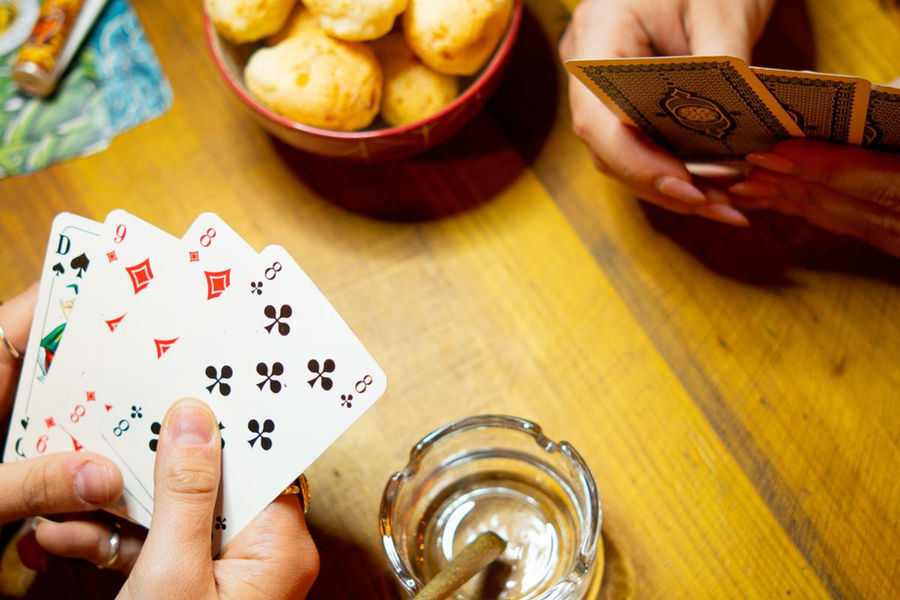
Set a time window that feels generous but not demanding. A 30-minute game can create a lovely pause in the week, and you can continue if you both want. Put water or a favourite drink nearby, choose comfortable seating and decide whether phones will be away. The goal is to reduce small distractions, not create rules that make the night formal.
Choose one activity with a clear beginning and ending. The playlist exchange ends when the songs are done; the question jar can stop after three prompts; the menu game ends when you agree on a future date. A defined activity can reassure someone who worries that a “sexy date night” carries expectations they did not agree to. Let the game stand on its own.
Make the games fit your relationship
New couples may prefer lighter prompts and shorter games. Long-term partners might enjoy questions about what they want more of next month or which shared ritual they miss. Long-distance partners can play over video call or text, choosing a song, a question or a future date idea. Every option can be adapted.
If one partner is shy, offer multiple-choice prompts or let them write an answer first. If one person loves planning and the other likes spontaneity, trade roles: one game is planned, and the next is chosen in the moment. The best date-night games do not demand that both people express affection in the same style.
When a light game opens a real conversation
Sometimes a playful prompt brings up something more meaningful. A favourite-memory question may lead to a conversation about missing time together, or the compliment auction may remind you of a quality you have not mentioned lately. You do not have to resolve every topic in the middle of a date.
Listen first, then ask whether your partner wants a conversation, comfort or simply to be heard. You might say, “Would you like me to listen, or would it help to make a plan?” This keeps a vulnerable moment from turning immediately into a debate or problem-solving session.
If the timing is not right, make a note to revisit it when you are both rested. A game should never be used to force a confession, settle an argument or test a partner’s commitment. Curiosity can invite closeness, but each person chooses how much to share.
Frequently asked questions
What are sexy date night games for couples?
They are playful activities that add flirtation and connection to a date, such as question games, playlists, compliments or shared challenges. They can be romantic without being explicit.

How do we make date-night games feel natural?
Pick a short activity, explain the rules simply and allow either person to pass. Choose games that fit your personalities instead of forcing a trend that does not feel like you.
Can we play these games at home?
Yes. Most ideas need only paper, music or a few minutes of conversation. Combine a game with dinner, dessert or a film for a cosy night in.
What if one partner feels awkward?
Choose a lighter game, shorten the time or stop. Awkwardness is not something a partner needs to overcome on demand. It is fine to laugh, change the rules or try another evening.
Do date-night games have to be sexual?
No. Flirting, compliments, shared memories and choosing a future date can create a romantic mood without sexual content. Let both partners decide what “sexy” means to them.
How can we make sure both partners feel comfortable?
Ask what sounds fun, state that passing is okay and check in during the activity. Consent is ongoing, including for digital messages and physical affection.
What is a good game for a long-term couple?
The question jar, playlist exchange and date-night menu work well because they can reflect your current life and interests. Keep prompts specific to what you appreciate now.
Can a date-night game help us reconnect after a busy week?
It can create a small pocket of focused time. Listening, laughing or planning another date can be enough for one evening.
More thoughtful date-night ideas
For conversation inspiration, explore the Gottman Institute’s questions for couples and its Eight Dates guide. For practical information about boundaries, read Planned Parenthood’s consent guide.
--- Listen to more from That Love Podcast. You can support independent storytelling or advertise with us.
Build a shared date-night menu
Start by asking what each person wants from the evening. One partner may want to laugh; another may prefer quiet. A simple choice between “cosy, silly or romantic” can clarify the mood without turning date night into a negotiation. If your answers differ, combine a short version of both or alternate who chooses.
Next, select one activity with a clear beginning and ending. The playlist game ends when the songs are done; the question jar can stop after three prompts; the menu game ends when you choose the next date. A clear shape helps the evening feel manageable, especially when one of you has had a tiring week.
Make the plan realistic. You do not need special clothes, expensive food or hours of preparation. Use what you already have and skip anything that adds stress. A romantic night can be a favourite snack, a phone-free conversation and a promise to take a walk together tomorrow. The value comes from attention and choice, not the price tag.
Adapt the games for different personalities
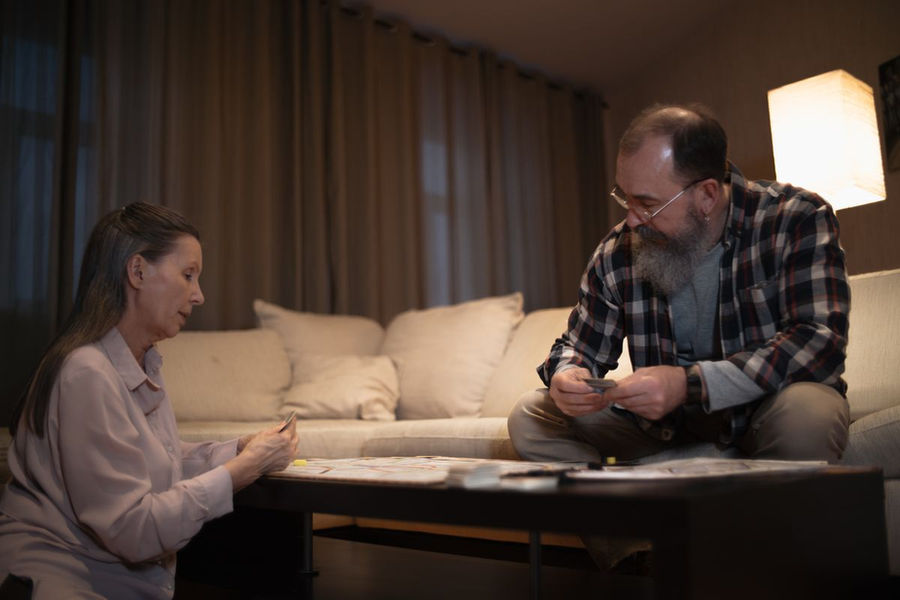
A partner who enjoys talking may love the question jar, while a quieter person might prefer a playlist exchange or a game with written prompts. If one person enjoys surprises, agree on the category before the date rather than revealing every detail. If both people like spontaneity, keep three options ready and choose one when the evening begins.
Long-term couples can use the games to update what they know about one another. Preferences change with work, family, health and season of life. Ask what feels enjoyable now instead of assuming an old answer still applies. Newer couples can keep things light and use the games to learn small preferences without moving faster than either person wants.
Long-distance partners can adapt several ideas through messaging or video calls. Share one song, ask one “this or that” question, or plan an activity for the next visit. If you send a flirty message, check that your partner is in a private and comfortable place to receive it. Digital boundaries deserve the same respect as in-person ones.