






12 Romantic Games for Couples Who Want to Feel Closer

Want to feel closer to your partner without turning the evening into a serious relationship meeting? Romantic games for couples can make it easier to laugh, share stories and learn something new about each other. The best ones are simple enough to start quickly and flexible enough to suit different personalities.
These twelve games are designed for consenting adults and focus on conversation, teamwork and affection. Some involve writing, some use music or shared memories, and others help you plan future time together. You can play one in ten minutes or choose a few for a cosy date night. There is no score that measures how strong your relationship is and no requirement to answer every prompt.
Start by asking whether your partner is in the mood to play. Either person can pass on a question, change a rule or stop. Connection grows through mutual interest, not pressure. The goal is to enjoy a small moment together and find out what feels good for both of you.
A comfort-first rule
Before starting, agree that passing is always allowed and that nothing in a game creates an obligation. Keep personal questions at a level both people enjoy. The Gottman Institute’s couples questions can inspire thoughtful conversation; for consent basics, read Planned Parenthood’s guide.
12 romantic games for couples
12. Relationship trivia
Each person writes five questions about shared memories or preferences: “Which café did we visit on our first weekend together?” or “What snack do I reach for during a film?” Ask the questions in turns and celebrate close guesses as much as exact answers.
This is a playful way to notice what you have learned about each other. Avoid questions designed to catch someone out or make them feel guilty for forgetting a detail. If an answer is wrong, share the story behind it and let the game move on.
11. The memory-match cards
Write a shared memory on one card and a clue on another. Mix the cards and take turns matching them. You can include places, meals, songs and small funny moments. After each match, tell the memory from your own perspective.
This game can be especially sweet because two people often remember different details. Let the differences add to the story rather than arguing over which version is correct. Skip memories that feel tender or unresolved and choose the ones you both enjoy revisiting.

10. Compliment bingo
Draw a simple bingo grid with qualities or actions you appreciate: thoughtful, funny, patient, encouraging, reliable, creative. Take turns giving an example for each square. When you get a line, choose a small shared treat or activity as the prize.
Keep the prize mutual and optional. The point is to notice the good, not to compete over who gives the best compliments. Specific examples make the game feel sincere: “You made me laugh when I was stressed” tells more than a generic “you’re great.”
9. The two-minute interview
One person is the interviewer and asks three light questions about the other’s current interests. Then switch roles. Try questions such as “What have you been curious about lately?” or “What would you like to make more time for this month?”
The format helps couples move beyond practical updates while keeping the conversation manageable. Ask follow-ups with genuine interest, not like a reporter searching for a dramatic answer. You might discover a new hobby, a small wish or a topic worth returning to another time.
8. Choose our next tiny adventure
Each person writes three low-cost outings on slips of paper: a new café, a local walk, a library visit, a market or a free event. Put them in a bowl and draw one. If the idea does not work with your schedule, set it aside and draw again.
The game turns a date idea into a shared plan. Keep the options realistic and accessible. You can add a budget, time limit or travel radius before writing suggestions so that the draw feels exciting rather than impractical.
7. The playlist story
Each partner chooses one song connected to a memory, one that describes their current mood and one that they would like to hear on a future date. Play the songs and explain the choices. You can add the tracks to a playlist for later.
Music gives a conversation an easy rhythm. You do not need to agree about genre or taste; the point is to understand why each person chose a song. If either of you does not want to discuss a memory, simply share the mood or skip to the next track.

6. Build-a-date menu
Write one option for each category: something to eat, something to do, a place to relax and a way to end the evening. Each partner contributes at least two ideas. Combine the choices into a date you could actually fit into the coming week.
The menu makes planning collaborative and helps prevent one person from carrying every decision. If the options do not match, take turns choosing categories or create a third option together. A date does not need to be elaborate to be memorable.
5. The question ladder
Write three levels of prompts: light, affectionate and future-focused. Begin with a simple question, then move to the next level only if both partners want to. Examples include “What made you laugh today?”, “When do you feel most appreciated?” and “What would you like us to try this year?”
The ladder gives each person control over how deep the conversation becomes. You can stay on the light level for the whole game. Do not treat a deeper answer as more valuable; an easy laugh can be exactly what a couple needs that evening.
4. The gratitude exchange
Take turns naming one thing you appreciated about your partner this week and one small moment you enjoyed together. Be specific and let the other person respond before switching. If you prefer, write your answers and read them aloud.
The game is most meaningful when it is sincere rather than exaggerated. You do not need to pretend the week was perfect. Choose a real action or moment, however small, and explain why it mattered to you.
3. The cooperative puzzle
Choose a jigsaw, crossword, card game or simple escape-room-style puzzle that you can solve together. Decide how you will share clues and let each person contribute in their own way. If the puzzle becomes frustrating, take a break or switch to another activity.
Cooperation offers a chance to notice how you work as a team. One partner may spot patterns; the other may keep track of pieces or instructions. The aim is to enjoy the process, not finish first.
2. The future postcard
Each partner writes a short postcard from a future day you would like to share: a weekend trip, a quiet Sunday or a celebration. Describe the setting and one small detail that would make it special. Swap postcards and choose an idea to save for later.

This game invites hopeful conversation without requiring a major commitment. Your postcard can be imaginative or completely practical. If your plans differ, ask what part of the idea matters most and see whether there is a version you would both enjoy.
1. Make a private “us” quiz
Together, write a short quiz about your relationship: favourite shared meal, best inside joke, a quality you admire in each other and a date you want to repeat. Take it separately, then compare answers. Add one new question each time you play.
The quiz is the best all-round game because you design it together. It can be funny, romantic or a mix of both. The answers do not need to match perfectly; they create an opening to share perspectives and add new memories.
How to choose a game that feels right
Ask what kind of connection you want tonight. If you want laughter, choose trivia or the playlist story. If you want to remember good moments, try memory-match cards or the gratitude exchange. If you want a future plan, choose the adventure bowl or future postcard. Matching the activity to the mood makes it easier to enjoy.
Consider time and energy too. A two-minute interview can fit after a long day, while a puzzle or date menu may be better when you have a quiet evening. If one person is tired, keep the activity short and choose a prompt that does not require a lot of emotional energy.
Make the games personal
A game becomes more meaningful when it reflects details from your relationship. Use your favourite places, shared jokes and ordinary rituals. If you are new together, choose lighter prompts that do not assume years of history. If you have been together a long time, ask about what has changed and what you want to keep.
Try not to compare your relationship with a social-media version of romance. You do not need elaborate props, expensive prizes or perfect answers. A game is simply a structure that helps you spend a little focused time together. Keep the rules, questions and length flexible.

Frequently asked questions
What are romantic games for couples?
They are playful activities that help partners share memories, conversation or teamwork. Examples include relationship trivia, playlists, question cards and cooperative puzzles.
Can romantic games help couples feel closer?
They can create a chance to listen, laugh and learn about each other. They are not a guarantee of a particular outcome, and each couple can decide which activities feel meaningful.
What is a good romantic game for a new couple?
Try the playlist story, light question ladder or choose-our-next-adventure game. Keep questions comfortable for the stage of the relationship.
What if one partner does not want to play?
Respect the answer and choose another way to spend time—or postpone the game. Participation should be voluntary.
Do couples games have to be deep?
No. A funny trivia game or playlist exchange can be just as enjoyable as a serious conversation. Pick the mood you both want.
How long should a romantic game last?
There is no set duration. One round or a few questions may be enough. Stop when the game feels complete.
Can we play these games long-distance?
Yes. Use shared notes, video calls, music links or a future-date list. Agree on a time that works for both schedules.
How do we avoid turning a game into a test?
Do not score answers as proof of love or commitment. Use questions to learn about each other, and allow a pass or a different answer.
More date-night conversation ideas
For further inspiration, see the Gottman Institute’s couples questions and Eight Dates resource. For information about boundaries, visit Planned Parenthood’s consent guide.
--- Listen to more from That Love Podcast. You can support us or advertise with us.
Make room for different kinds of romance
Romance can be social or quiet, planned or spontaneous. One partner may feel special when you dress up and go out; another may prefer a calm evening where nobody is rushing. Rather than guessing which style is more romantic, ask what helps each person feel present. You can alternate plans so that both preferences get a turn.
Try adding one detail that feels personal. Use a favourite song, revisit a place you both enjoy or include a food connected to a happy memory. The detail does not have to be expensive. Its meaning comes from the fact that you noticed what your partner likes and invited them to share it with you.
If one idea does not land, do not treat it as evidence that date night has failed. You can laugh, simplify or switch plans. A flexible evening often feels more intimate because both people can be honest about what they need. A romantic night is allowed to be ordinary and still matter.
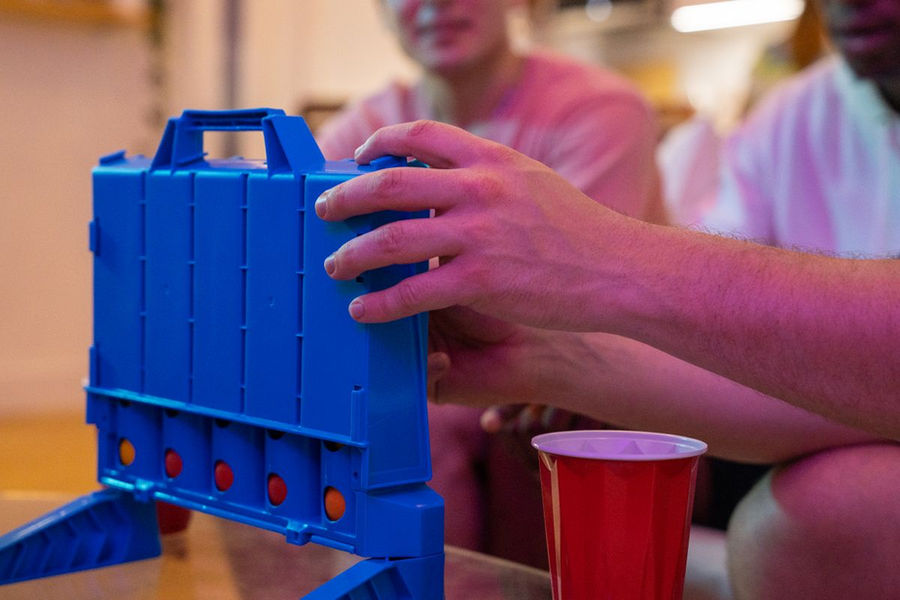
A small planning conversation can make the night easier
Talk about the basics before the evening begins: how much time you have, whether you want to cook, what budget feels comfortable and how much energy you have. These practical details help avoid the disappointment of a plan that sounds lovely but does not fit your real schedule.
You can make a two-choice menu: “Would you rather do a tasting game or watch a new film?” Limiting options can make a decision easier. If neither works, ask your partner to suggest a third. This keeps the plan collaborative and prevents one person from taking responsibility for everyone’s enjoyment.
Think about the room and the people who share it. If you have children, roommates or pets, choose a time and setup that respects everyone’s needs. If privacy matters, keep the plan simple and adaptable. You do not need a perfect evening to enjoy being together.



.jpg)





.jpg)


