





How to Build an Emergency Fund on a Low Income

A broken boiler, a car that won't start on the way to work or a sudden school bill can leave you reaching for a credit card you cannot easily pay off. An emergency fund, even a small one, gives you a cushion so that the next surprise does not turn into a debt problem.
It can feel impossible to save when every pound is already committed. Rent, energy, food and transport come first, and setting money aside can seem pointless when you are not sure there is any to spare. The good news is that an emergency fund does not have to start big. It starts with one clear decision and one small, regular habit.
This guide walks you through ten steps. You will learn how to decide what counts as an emergency, how to set a starter goal that feels reachable and how to find money in your existing budget. You will also see where to keep the fund so it stays separate from everyday spending.
You do not need a high income or any financial qualification. You will need a few recent bank statements, a notebook or notes app and an honest look at what you spend each month. Some steps take only a few minutes. Others are habits you build over time.
It helps to be clear about what the fund is for. It is money set aside for unexpected costs, such as a broken washing machine or boiler. It is not a holiday pot, a sale fund or a way to pay for gifts you planned to buy. Keeping that line clear is what makes the fund useful when you really need it.
MoneyHelper, the free service run by the Money and Pensions Service, suggests a longer-term aim of three to six months of essential outgoings. That can look like a huge number when money is tight, so this guide focuses on starting smaller. As MoneyHelper puts it, any amount saved will help.
If you are already struggling, you are not failing. Many households are in the same position, and free UK support exists. Step nine explains where to find it. Starting early, even with a small amount each month, puts you in a stronger position than waiting for the perfect moment.
Each step ends with two short lines. Why it works explains the reason behind the step, and Try this gives you one action to take straight away. You do not need to finish everything in one sitting. Ticking off one action at a time is how most people build a fund that lasts.
Work through the steps in order if you can. If one feels like too much, pick the one that fits your situation now and come back to the others later.
Let's start 👇
Support That Love Podcast
If these guides help you, you can keep us creating them by donating to That Love Podcast.
Advertise With That Love Podcast
If you are a brand, publisher or business that wants to reach readers planning their household money, we would welcome a conversation about sponsorship. Find out about advertising.
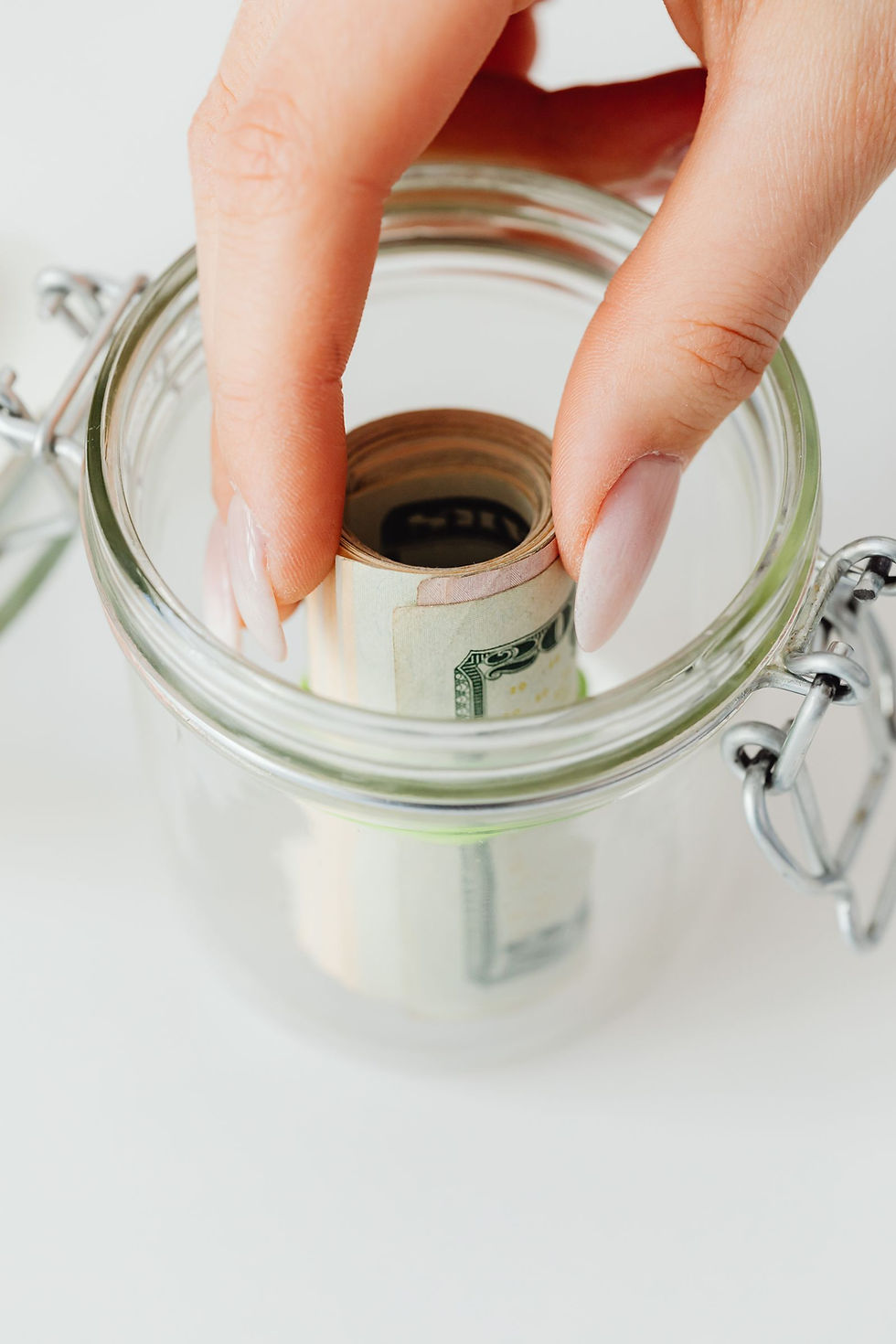
1. Decide What Counts as an Emergency
Before you save, write down what would count as an emergency for your household. For most people that means a sudden cost that you cannot delay or pay for from this month's income. A broken washing machine, a boiler that stops working in winter, a car repair needed to get to work or an urgent dental bill are good examples. Losing your income is a bigger event, and it may need a larger cushion.
Next, write down what does not count. Sales, holidays, new phones, takeaways and planned gifts belong in other budget lines. This list matters because a fund that gets raided for a sale disappears quickly. A clear definition also makes it easier to say no when you are tempted, and it gives you a reason to keep going when money is tight.
Why it works: A clear definition protects the money for the moments that really matter.
Try this: Write five things that would count as an emergency for you and five that would not, then keep the list where you can see it.
2. Set a Small Starter Goal
Start with a target you can reach in weeks or a few months, not years. MoneyHelper's guidance on emergency savings suggests having three to six months of essential outgoings available in an instant access savings account. That is a sensible long-term aim, but it can feel far away on a low income, so treat it as the finish line rather than the first step.
Choose a starter goal that covers one likely unexpected bill, such as a repair or a school cost. Reaching it gives you proof that the plan works, and it builds the confidence to keep going. Once it is done, raise the target to the next milestone. Small goals you actually hit are more useful than large ones you abandon in the second month.
Why it works: A goal you reach builds the habit and momentum you need for a bigger one.
Try this: Pick a starter goal you could reach within a few months, write it down and add a date beside it.
3. List Your Essential Outgoings
Before you can set a target, you need to know what you must pay each month. Essentials are the costs you cannot skip: rent or mortgage, council tax, energy, water, food, your phone, transport to work and any debt repayments. Broadband is essential if you need it for work or school. Leave out anything you could drop without serious harm.
Use your bank statements from the last three months to check the real figures. Look at the average, not one good or bad month, because some bills arrive irregularly. Once you have the total, that number is your essential monthly outgoings. Three to six months of it becomes your long-term target, and your starter goal can be a fraction of that.
Why it works: Your target is based on real costs rather than guesses.
Try this: List your essential bills on one page, then add them up to find your monthly total.

4. Find Money in Your Existing Budget
Most people have small leaks in their spending. MoneyHelper's budgeting guidance suggests that if you spend more than you earn, you should review your outgoings to find savings. It recommends logging everything you buy for a month, or checking a month of card statements, to see where the money really goes.
Look for subscriptions you no longer use, delivery fees, takeaway orders, bank charges and impulse buys. Choose one or two changes you can keep, rather than cutting everything at once and giving up. The money you free up may be small, but moved into the fund every month it adds up, and it does not need extra income to start.
Why it works: Redirecting money you already spend is easier than finding extra income.
Try this: Cancel or pause one subscription you do not use, and move the monthly cost you save into your emergency fund.
5. Keep the Money Separate
Savings that sit in your everyday current account are easy to spend, usually without noticing. MoneyHelper's guidance points to an instant access savings account, which lets you take money out quickly when you need it. Open one that is separate from your everyday account, and give it a clear name such as Emergencies.
Before you open an account, check its terms, including any limits on withdrawals and whether there are restrictions on how often you can move money in or out. Keeping the fund somewhere you cannot see it every day helps, but make sure you can still reach the money quickly in a real emergency. Speed matters when a boiler breaks on a Friday night.
Why it works: Separation makes the fund harder to raid by accident.
Try this: Open a separate instant access account or savings pot this week, and name it clearly.
6. Set Up Small Automatic Transfers
Waiting until the end of the month to see what is left often leaves nothing to save. Set up a standing order or scheduled transfer for the day after you are paid, so saving happens before you have a chance to spend the money. The amount can be small. What matters is that it is regular.
If your income changes from month to month, set a transfer you can keep even in a quiet month. Add extra when a larger payment arrives. Check that the transfer will not push your current account into an overdraft, and reduce it if it might. Review the amount every few months, and increase it when your situation allows.
Why it works: Automatic transfers make saving the default rather than a decision you must remember each payday.
Try this: Set up one standing order for the day after payday, starting with an amount you can afford without borrowing.
7. Put Unexpected Money Straight Into the Fund
Some money arrives by surprise: a tax refund, a gift, a cashback payment, a refund for an overpaid bill or a small bonus from work. Decide in advance that money like this goes into the emergency pot. This lets the fund grow faster without changing your everyday budget.

Check GOV.UK if you think you may be owed a tax refund or any other payment, because you may be able to claim money you are entitled to. When the money lands, move it into the fund before you decide what else it might pay for. Writing the rule down now stops you from making the decision in a tempting moment.
Why it works: One-off payments make a real difference when they go straight to savings.
Try this: Write a rule that any refund or gift over an amount you choose goes into the fund, and keep it with your savings details.
8. Agree Rules for Using the Fund
An emergency fund only works if you have clear rules for it. Decide what can be taken out, such as an unexpected repair, a medical cost or a bill that would otherwise lead to an overdraft. Write the rule down, so you can check any withdrawal against it before you make it.
After you use the fund, make refilling it your next priority. Work out how much you took out, then plan how to restore it over the next few months. A fund that is used, then rebuilt, is still doing its job. What you want to avoid is a fund that slowly disappears into holidays and sales without anyone noticing.
Why it works: Clear rules stop a sale or a holiday being treated as an emergency.
Try this: Write one sentence that starts with I will only use this fund when, and keep it beside your savings.
9. Use Free Support When Money Is Tight
If you are already struggling, free help is available. MoneyHelper is a free and impartial service for money and pension choices, and its budgeting guidance includes a free online budget planner. You can use it to turn your yearly costs into a monthly average.
Citizens Advice offers advice on debt and money, including budgeting and help if you are struggling to pay your bills. GOV.UK's cost of living guidance on managing money also brings together budgeting advice, debt support and government schemes, such as Help to Save and Budgeting Loans and Advances. Speaking to someone early can help you find money you may be missing and prevent a small problem from growing into debt.
Why it works: Early advice can stop a small problem growing into a larger debt.
Try this: Use MoneyHelper's budget planner to write a monthly plan, or contact Citizens Advice if bills are already hard to pay.
🎧 Listen while you plan
Want a break while you work through your money plan? Our episodes page has audio stories and conversations to enjoy.
10. Check the Fund Every Few Months
A fund is not a set-and-forget task. Every few months, check that your essential costs have not changed and that the target still fits your life. Rent rises, energy bills change and families change. If you have used the fund, check it has been refilled. Keep a short note of what it covered, because seeing the fund do its job is a good reminder of why you started.

When you reach your starter goal, set the next milestone on the way to the three to six months of essential outgoings that MoneyHelper suggests. Celebrate each stage, even the small ones. Progress made slowly is still progress, and the fund gets more useful with every step you take.
Why it works: Regular reviews keep the target realistic as your life changes.
Try this: Set a calendar reminder for three months from now to review your fund and your essential costs.
Why This Matters
Most money stress comes from surprises, not from ordinary spending. A broken appliance or an urgent repair can feel like a crisis when it arrives without warning. An emergency fund turns that moment into something you can handle, so the bill does not have to be paid with borrowing.
There is also a practical benefit to having a fund even before you need it. Knowing the money is there reduces the constant background worry about what might go wrong. That can make it easier to plan the rest of your month, because you are no longer making every decision in a state of alarm.
It also gives you room to make calmer decisions. When you have a buffer, you can choose a cheaper repair, wait for a better price or ask for help without feeling trapped. That breathing space matters more than any single number on a savings statement.
How to Get Started
If you want a simple order to follow this week, use the list below. Each item takes only a short time, and you can repeat the first three whenever your costs change.
Write your emergency rules. Use the two lists from step one, and keep them with your savings details.
Add up your essential bills. Use three months of statements, then find the average monthly total.
Open a separate instant access account. Name it clearly, then check its terms before you deposit anything.
Set one standing order. Choose an amount you can keep, and set it to leave your account the day after payday.
Book a review. Put a reminder in your calendar for three months from now.
Once the first transfer has gone through, you have started. Everything else is about keeping it going and adding to it when you can.
Advertise With That Love Podcast
If your business helps people manage money, family life or everyday spending, we would welcome a conversation about working with That Love Podcast. Find out about advertising.
Conclusion
You do not need to build the whole fund at once. Decide what counts as an emergency, set a small starter goal and move a little money into a separate account each month. Over time, the surprises that used to feel like disasters will start to feel manageable.
Support That Love Podcast
If these guides help you, you can keep us creating them by donating to That Love Podcast.
🎧 Listen to That Love Podcast
Enjoy stories and conversations on the go? Browse our episodes page and press play.

Frequently Asked Questions
What is an emergency fund?
It is money set aside for unexpected costs, such as a broken washing machine or boiler. Keeping it separate means it is there when you need it.
How much should I save?
MoneyHelper suggests three to six months of essential outgoings as a longer-term aim. If that feels too far away, start with a smaller goal and build from there.
Where should I keep my emergency fund?
MoneyHelper points to an instant access savings account, which lets you withdraw money quickly. Check the account terms before you open it.
Is an emergency fund the same as a sinking fund?
No. A sinking fund covers costs you can predict, such as car costs or Christmas. An emergency fund is for unexpected events, such as a repair you did not plan for.
What if my income changes from month to month?
Set a transfer you can keep in a quiet month, then add extra when a larger payment arrives. Review the amount every few months, and avoid setting a transfer you cannot keep. A smaller amount you keep up is more useful than a bigger one you stop.
Should I pay off debt or save first?
It depends on your situation. MoneyHelper has a guide titled Pay off debt, save or invest first? and Citizens Advice can help if debt is already a problem.
Can I use the fund for a holiday or a sale?
Only if your own rules allow it. Most people find it works best when the fund is kept for real emergencies, and planned costs have their own pots.
What should I do after I use my emergency fund?
Refill it as your next priority. Work out how much you took out, then plan how to restore it over the coming months. If you cannot refill it straight away, a smaller regular transfer still counts, and you can increase it once bills settle.
Where can I get free help with my money?
MoneyHelper is a free and impartial service with a free budget planner that you can use to plan your monthly money. Citizens Advice gives advice on debt and money, including budgeting help and support if you are struggling to pay your bills. Speaking to them early is often easier than waiting until a debt has grown.
What should I do first?
Start with step one, decide what counts as an emergency, then list your essential outgoings in step three. Those two steps give you the target and the reason for saving.
Where to Read More
This article is general information, not financial advice. Check your own situation, or speak to a free service such as MoneyHelper if you are unsure.
Enjoyed what you read? Subscribe to That Love Podcast’s newsletter for the latest reviews, entertainment recommendations, podcast updates and exclusive giveaways. You can sign up using the form at the bottom of our homepage (thatlovepodcast.com).
Stay kind, stay beautiful, protect your heart, and always remember: you are deeply loved.




.jpg)





.jpg)


