






12 Self-Care Rituals to Embrace This Fall

Fall has a way of changing the pace of everyday life. Mornings get darker, evenings arrive earlier, and the calendar can fill up just as the weather starts encouraging us to stay indoors. It is easy to move straight from summer plans into work, errands, school routines and holiday preparation without pausing to notice what you need.
That is where a few simple fall self-care rituals can help. Self-care does not have to mean a full day at a spa, an expensive shopping list or a perfectly organized morning routine. It can be as ordinary as taking a short walk, making a warm drink, putting your phone away during dinner or giving yourself time to read before bed.
The best autumn self-care rituals are the ones that fit the life you already have. They should feel supportive rather than demanding. You do not need to do all twelve ideas every day, and you do not have to turn relaxation into another task to complete. Pick one small practice that sounds comforting and see how it fits into your week.
These fall self-care ideas focus on the little things that make a season feel more settled: gentle routines, seasonal pleasures, time outdoors, creative breaks and permission to rest. Some take only a few minutes. Others can become a weekly ritual you look forward to. Together, they can help you build a cozy fall routine that feels personal, flexible and realistic.
12. Start the Morning Slowly
When the mornings grow darker and colder, getting out of bed can feel like a negotiation. A rushed start may make the whole day feel hurried before it has even begun. A slow morning ritual gives you a small buffer between sleep and the demands of the day.
That does not mean waking up an hour earlier or building an elaborate routine. Try giving yourself five or ten minutes to sit up, stretch, open the curtains or look outside before you check messages. If you have a few extra minutes, make your bed, wash your face and choose one thing you want to focus on. The aim is not to control everything that happens next. It is simply to begin with a moment that belongs to you.
A slow morning can also be practical. Put your mug, breakfast ingredients or work bag somewhere easy to find the night before. Preparing one small thing in advance can reduce the number of decisions you face when you are still waking up. You might lay out comfortable clothes, fill a water glass or write a reminder on a note by the door.
If you share your home with children, a partner or roommates, a quiet morning may not be possible every day. In that case, look for a small pocket of calm rather than expecting a silent house. A few deliberate breaths while the kettle boils, a favorite song on the way to work or a phone-free breakfast can still count.
The most useful slow-morning ritual is one you can repeat without resenting it. Keep it simple enough to survive a busy Tuesday, not just a peaceful weekend. On days when you are short on time, choose one part of the routine and let that be enough.
A Gentle Way to Try It
Tonight, choose one detail to make tomorrow easier. In the morning, give yourself five minutes before opening social media or email. Notice whether the extra pause changes how you feel as you begin the day. If it helps, keep it. If it does not, adjust it.
11. Take a Short Autumn Walk
A walk is one of the simplest ways to make a fall day feel different. You do not need a destination, a fitness goal or perfect weather. A short stroll around the block, through a nearby park or along a familiar street can help you step away from screens and notice the season around you.
Autumn gives an ordinary walk plenty to look at: changing leaves, cooler air, earlier sunsets, shop windows and the first signs of winter clothing. Instead of listening to something every time you head outside, try walking quietly for a few minutes. Notice the temperature, the light and the sounds around you. You can still bring headphones if music or a podcast makes the walk more enjoyable. The point is to choose the experience intentionally.
Make the ritual easy to start. Keep a jacket and comfortable shoes near the door, or pair your walk with something you already do, such as taking a lunch break or picking up groceries. If a long walk feels like too much, set a small goal: walk to the end of the street and back, or spend ten minutes outside. There is no need to make every outing impressive.
If the weather is wet or the sidewalks are slippery, adapt the plan. Walk somewhere covered, take a few laps inside a shopping centre, or sit near a window and watch the rain. Self-care should respond to your circumstances rather than asking you to ignore them.
Walking can also become a low-pressure social ritual. Invite a friend for a loop around the neighborhood instead of planning a complicated outing. Conversation often feels easier when you are walking side by side, and either person can keep the visit short if they need to.
A fall walk is not a test of discipline. It is a chance to change your surroundings and give your attention a break. Some days you may feel refreshed afterward; other days it may simply be pleasant to have gone outside. Both outcomes are enough.
A Gentle Way to Try It
Choose a safe, familiar route that takes ten to fifteen minutes. Leave your phone in your pocket unless you need it for safety or navigation. Look for one small detail you might have missed from indoors, such as a tree changing color or a new seasonal display.
10. Make a Warming Drink

A warm drink can turn a rushed pause into a small ritual. The comfort comes not only from the mug itself but from the few moments spent preparing it and enjoying it. In fall, that pause can be especially welcome between work, errands and the early evening stretch of the day.
Choose a drink you genuinely enjoy. It might be tea, coffee, warm milk, hot chocolate, herbal tea or a simple mug of warm water with lemon. You do not need a trendy recipe, special equipment or a cupboard full of ingredients. If you like seasonal flavors, add cinnamon, ginger, a little vanilla or a splash of apple cider. Keep the recipe easy enough that you will actually make it.
Try giving the drink your attention instead of carrying it from room to room while doing three other things. Sit down for five minutes, hold the mug and take a few unhurried sips. You could use that time to look out the window, listen to a song or talk with someone at home. If you are working, it might be a natural cue to stand up, stretch and reset before returning to your desk.
The ritual can fit different schedules. Make tea during a mid-morning break, pour coffee before a quiet weekend breakfast or prepare hot chocolate after an outdoor walk. If caffeine affects your sleep, choose a caffeine-free option in the evening. If you have dietary preferences or restrictions, use ingredients that work for you; the comfort does not depend on a particular recipe.
A warming drink is also an easy way to make a home feel more inviting. Keep the mug you like within reach, place tea bags or coffee in one convenient spot and clear a small space where you can sit. A welcoming setup can make a short pause easier to choose.
The goal is not to turn every drink into a wellness performance. It is to notice one ordinary comfort and let yourself enjoy it. A cup of tea will not solve a difficult day, but a quiet break can give you a kinder moment within it.
A Gentle Way to Try It
Pick one drink to associate with a particular pause in your day. Make it the same way for a week, then decide whether the routine feels comforting. Keep the parts you enjoy and skip anything that makes it feel like a chore.
9. Set Aside Time to Read
Reading can be a restful way to give your attention a change of scenery. A few pages of a novel, memoir, essay collection or magazine can provide a quieter alternative to scrolling. Fall is a natural season for creating a cozy reading habit, but you do not need to wait for a rainy afternoon or a perfect reading nook to begin.
Start with a book you want to read, not one you feel you ought to finish. If you are tired, choose something engaging and easy to pick up. If you enjoy learning, try a topic that has interested you for a while. You can also read a short story, a chapter of a book or a few pages before bed. A small reading session still counts.
Make the book visible. Leave it on your bedside table, near your favorite chair or in the bag you take on your commute. If you mostly read on an e-reader, place it somewhere you will notice. A simple cue can be more useful than relying on memory at the end of a long day.
If concentration is difficult, begin with a short timer. Read for ten minutes and stop when the timer ends if you want to. You may continue once you are settled, but you do not have to. Another option is to read at the same time each day, such as while drinking tea or after you have put away your work materials.
Reading does not need to be silent or solitary. Audiobooks can be a good choice while you cook, walk or rest. You might also join a casual book group or trade recommendations with a friend. The best format is the one that helps you enjoy stories and ideas without adding pressure.
Try not to treat your reading list like a productivity challenge. There is no prize for finishing the most books before winter. Give yourself permission to abandon a book that is not working for you, reread an old favorite or take a break when your attention needs something else.
A Gentle Way to Try It
Choose one book and leave it somewhere visible. Read five pages at a time for a few days. If you look forward to picking it up, keep going; if not, choose something that better suits your mood.
8. Stretch Before Bed
A few gentle stretches can create a transition between the busier part of the day and your evening routine. You do not need a workout plan or special flexibility. The idea is to pause, move comfortably and notice where you are holding tension after sitting, commuting or doing everyday tasks.
Choose simple movements that feel comfortable for your body. You might roll your shoulders, turn your head gently from side to side, reach your arms overhead or stretch your calves against a wall. Move slowly and avoid forcing a position. If any movement causes pain, stop and choose something more comfortable. If you have an injury or a condition that affects movement, follow guidance from a qualified healthcare professional.
Keep the ritual short. Five minutes is enough to create a moment of change before you brush your teeth, change into sleep clothes or read. You can do a few stretches beside your bed or on a mat in the living room. If floor exercises are uncomfortable, stay standing or sit in a sturdy chair.
A regular evening stretch can serve as a cue that your workday is over. It gives you a reason to step away from your laptop and check in with how you feel. You might notice that your shoulders are tight, your legs feel tired or you simply need to sit quietly for a minute. That awareness can help you choose what would feel supportive next.
Keep the environment comfortable. Wear clothes that do not restrict movement, leave enough space to stretch safely and use gentle lighting if you prefer a calmer atmosphere. There is no need to follow a video if you would rather move at your own pace. A quiet routine can be just as useful as a structured sequence.
Most importantly, do not make stretching another standard you can fail. Some evenings you may have the energy for several movements; other nights one shoulder roll may be all you want. The ritual is there to support you, not to measure your discipline.
A Gentle Way to Try It

Choose three movements that feel comfortable and spend a minute on each. Breathe normally and move only as far as feels easy. End by sitting or standing still for a moment before continuing your evening.
7. Cook a Seasonal Meal
Cooking something warm and seasonal can make an ordinary evening feel a little more deliberate. Fall ingredients such as squash, apples, pears, potatoes, mushrooms and hardy greens invite comforting meals, but you do not need to prepare an elaborate feast to enjoy them.
Choose a recipe that matches your time and energy. A pot of soup, roasted vegetables, baked apples or a simple pasta dish can be satisfying without requiring a complicated technique. If you are tired, use prepared ingredients or make enough for leftovers. Convenience is not a failure of self-care; it can be part of making a meal manageable.
The ritual can begin before you cook. Browse a local market, choose one ingredient you have not tried before or ask a friend for a favorite cold-weather recipe. At home, put on music, clear enough counter space to work safely and take your time with one step, such as chopping vegetables or stirring a pot. If you enjoy cooking with someone else, invite them to help or simply keep you company.
Food is personal, and seasonal eating does not have to follow a particular diet. Use ingredients that suit your preferences, budget and needs. You can make a vegetarian meal, include meat, choose gluten-free options or stick with familiar food. The point is to create a meal you want to eat, not to follow a rule because it is autumn.
If you live alone, make the ritual pleasant for one. Set the table, choose a comfortable plate and save a portion for another day if the recipe makes more than you need. If you share meals with others, try keeping phones away for part of dinner so you can talk or enjoy a quieter meal together.
A seasonal meal can also reconnect you with routines that feel grounding. Cooking gives the evening a beginning, middle and end: choosing, preparing, eating and tidying up. Keep cleanup realistic, too. Soak a pan, load the dishwasher or leave a few non-urgent tasks until tomorrow.
A Gentle Way to Try It
Choose one easy fall recipe for this week. Make a short shopping list, prepare only what you need and enjoy the meal without expecting it to look like a photograph. Save or share the recipe if you would like to make it again.
6. Take a Screen-Free Break
Phones and computers are part of work, communication and entertainment, so a screen-free break does not need to mean rejecting technology. It can simply be a short period when you give your eyes and attention somewhere else to rest. In a season when evenings are darker and more time is spent indoors, that change of focus can feel welcome.
Start with a small boundary. Put your phone away during one meal, leave it in another room while you read or take ten minutes after work before opening another app. If you need your phone for caregiving, accessibility, work or safety, keep it available and mute only the notifications that are not necessary. A useful break should fit your circumstances.
Decide in advance what you will do during the pause. Without a plan, it is easy to pick up your phone again because the empty space feels unfamiliar. Make tea, water a plant, fold a few clothes, draw, stretch, look out the window or talk to someone at home. You can also do nothing for a few minutes. Rest does not always need to be filled.
Screen-free time can be especially helpful before bed if late-night browsing keeps you alert or pushes your bedtime later. Try charging your phone away from the bed, using a traditional alarm clock if you have one or setting a gentle reminder to start winding down. These are options rather than strict rules; choose what feels realistic.
It may help to tell friends or family when you are taking a break, especially if they expect quick replies. A simple message such as “I’m putting my phone away for dinner and will reply later” can make the boundary clearer. You do not need to be constantly available to show that you care.
Pay attention to how the break feels. Some people enjoy the quiet immediately; others feel restless at first. You do not have to turn that reaction into a problem. Try a shorter break, choose a more engaging activity or keep your phone nearby but face down. The goal is to make more room for intentional attention, not to judge yourself for using a screen.
A Gentle Way to Try It

Choose one screen-free window of ten minutes today. Put the device somewhere out of reach if that works for you, and decide what you will do instead. When the time is up, notice whether you would like to repeat or adjust the experiment.
5. Write Down One Good Thing
A small reflection ritual can help you notice details that might otherwise disappear into a busy week. Writing down one good thing is simple: at the end of the day, record something you appreciated, enjoyed or want to remember. It does not have to be extraordinary. A kind message, a good lunch, a funny moment or a stretch of quiet can be enough.
Keep the practice brief. One sentence is fine. You could use a notebook, a notes app or a calendar. The tool matters less than choosing a place you can return to. If you prefer not to write, record a short voice note or share the moment with someone you trust.
Try to make the observation specific. Instead of writing “Today was good,” you might note “The sky was bright when I walked home” or “I laughed with my sister while we made dinner.” Specific details can make the memory easier to revisit later. You do not need to write beautifully, and nobody else has to read it.
This ritual is not a demand to be positive about everything. Difficult feelings can be real at the same time as small comforts. If the day has been hard, do not force yourself to produce a cheerful answer. You could write what helped you get through, what you need tomorrow or simply, “Today was difficult.” Honesty is more useful than pretending.
Over time, your notes can become a personal record of the season. You might notice recurring comforts, people who show up for you or ordinary places that make you feel at ease. There is no need to analyze every entry or turn the notebook into a major project. Let it be a gentle collection of moments.
If you miss a day, continue when you remember. Do not go back and fill every gap unless you genuinely want to. A self-care ritual should leave room for ordinary forgetfulness. Its value comes from making a little space for reflection, not from maintaining a perfect streak.
A Gentle Way to Try It
Leave a notebook by your bed or add a reminder to a device you already use. Each evening, write one specific detail you want to remember. Keep the entry to a sentence if that makes the habit easier.
4. Create a Calming Evening Routine
An evening routine can make the transition from daytime responsibilities to personal time feel less abrupt. It is not a formula for perfect sleep or a guarantee that you will feel calm. It is a sequence of small cues that tells you the day is winding down.
Choose two or three actions you can repeat most evenings. You might tidy one surface, prepare clothes for tomorrow, wash your face, make a caffeine-free drink or read a few pages. Keep the routine short enough to complete on a busy night. You can always add more later if the simple version feels good.
Timing matters, but it does not need to be exact. You could begin after dinner, when you finish work or when you decide to stop watching television. A familiar starting point makes it easier to remember. If your schedule changes from day to day, attach the ritual to something flexible, such as after you brush your teeth.
Consider how light, noise and devices affect your evening. Some people like dimmer lights or quiet music; others prefer a familiar show or a conversation before bed. There is no single best routine for everyone. Notice what helps you shift gears, and avoid adding steps just because they appear in a perfect-looking online routine.
A calming evening also includes practical preparation. Putting tomorrow’s keys by the door or writing down an important task may make it easier to set work aside. Do only what helps. If preparing for the next day becomes a long checklist, choose the one task that will matter most in the morning.
Some evenings will not follow the routine. You may be out, working late, caring for someone or simply too tired. That does not erase the habit. Use a shorter version, such as putting away your phone, washing your face and taking two slow breaths. You can begin again the next night without treating the previous evening as a failure.
A Gentle Way to Try It
Write down three actions that would help you close out the day. Choose an order and try the routine for a week. Keep the steps that feel calming or useful; remove anything that adds pressure.
3. Spend Time Outdoors
A little time outdoors can help you feel more connected to the season. You do not need to plan a hike or travel somewhere scenic. Sitting on a bench, tending a few plants, walking to a nearby shop or drinking tea on a balcony can create a change of scene.
Fall is especially good for noticing small shifts in the environment. Look at the color of the trees, the angle of the afternoon light or the way the air feels on your face. If you are walking, take a route you know well and let your attention settle on one detail at a time. If you prefer to sit, bring a warm layer and give yourself a few quiet minutes.
Make the plan suit your access, mobility, weather and energy. If standing or walking is uncomfortable, find an outdoor seat or a place you can reach easily. If it is very cold, wet or windy, keep the visit short or choose a covered spot. If going outside is not practical, sit near an open window or bring a natural detail indoors, such as a fallen leaf you found on a walk.
You can make outdoor time social or solitary. Invite a friend, take a dog out, call a family member while you walk or enjoy a few minutes on your own. If you bring headphones, consider taking them off for part of the visit so you can hear the sounds around you. A few minutes of fresh air can be enough; there is no need to meet a step target.
Outdoor time can also be a helpful way to break up a long day at home. Step outside between tasks, stand on the porch after work or take a short walk before dinner. Pairing the ritual with an existing routine makes it easier to remember.
The important thing is to keep the invitation gentle. If the weather is unpleasant or you are unwell, staying indoors may be the kind choice. Seasonal self-care is not about proving that you can tolerate the cold. It is about finding a version of the outdoors that feels accessible and pleasant to you.
A Gentle Way to Try It

Pick a safe place close to home and plan for five minutes outside. Notice three things: one you see, one you hear and one you feel. Head back indoors whenever you are ready.
2. Make Space for a Hobby
A hobby can give your attention a welcome change from work and responsibilities. It might be knitting, baking, photography, gardening, puzzles, drawing, gaming, music, collecting, crafts or a project you have not tried before. It does not have to be productive, impressive or especially useful. Enjoyment is enough.
If you already have a hobby, fall can be a good time to return to it. Put your materials somewhere visible and decide on a small starting point. Knit a few rows, practice one song, make a sketch or spend twenty minutes on a puzzle. Starting with a manageable session makes it easier to begin even when your energy is low.
If you are choosing a new hobby, focus on curiosity rather than buying everything at once. Borrow a book, use materials you already own or try a free beginner lesson before investing in equipment. You might ask a friend to teach you a simple technique or visit a local class. The first version of a hobby does not need to become your identity. You can try it and decide whether you want more.
Schedule the time lightly. A weekly hour may feel realistic; a daily commitment may not. Put a small block on your calendar or connect the hobby to a moment that already exists, such as after dinner or on a Sunday afternoon. If other people share your home, let them know when you would like a little uninterrupted time.
It is normal to be a beginner. Your first attempt may look uneven, sound awkward or take longer than expected. That is not evidence that you are bad at the activity; it is simply what starting often looks like. Choose something that lets you enjoy the process even when the result is imperfect.
A hobby can also create connection. Join a local group, share progress with a friend or make something for someone you care about. But you do not have to show anyone your work. Private enjoyment is a complete reason to keep doing it.
A Gentle Way to Try It
Set a timer for twenty minutes and return to a hobby without expecting to finish anything. If you do not have one, list three activities you have been curious about and try the easiest one with materials you already have.
1. Give Yourself Permission to Rest
Rest may sound like the simplest item on the list, yet it can be one of the hardest to practice. Many people feel they have to finish everything before they are allowed to slow down. But the list of tasks rarely disappears completely. Making room for rest is not a reward for reaching the end of an endless to-do list; it is part of living a sustainable life.
Rest can mean different things at different times. You might need sleep, a quiet hour, a break from decision-making, a lighter schedule or time with someone who makes you feel comfortable. You might also need active rest: a walk, a gentle hobby or an activity that feels refreshing rather than demanding. Ask yourself what kind of tired you are before deciding what would help.
Try noticing when you are treating rest as something you must earn. If you catch yourself thinking, “I can sit down after I finish one more thing,” pause and consider whether that task truly needs to happen now. You may still choose to do it, but the choice can be conscious rather than automatic.
Rest also benefits from practical boundaries. Decide when you will stop working, turn down an invitation when you need an evening at home or leave a non-urgent chore until tomorrow. These choices can be difficult, especially when other people depend on you, so start with a small boundary that is realistic. A ten-minute pause, a quieter weekend morning or a shorter list can be a beginning.
It can help to make rest visible in your schedule. Protect a small block of time in the same way you would protect an appointment. You do not have to fill it with an activity. Read, nap, listen to music, sit quietly or do something that feels restorative. If you share responsibilities, ask for help where possible and be specific about what would make the break workable.
Rest will not look the same every day. Some days you may have the freedom to take a longer break; other days you might get a few quiet minutes. Both can matter. You are not failing at self-care when life becomes busy. You are responding to the season and your circumstances as best you can.
A Gentle Way to Try It
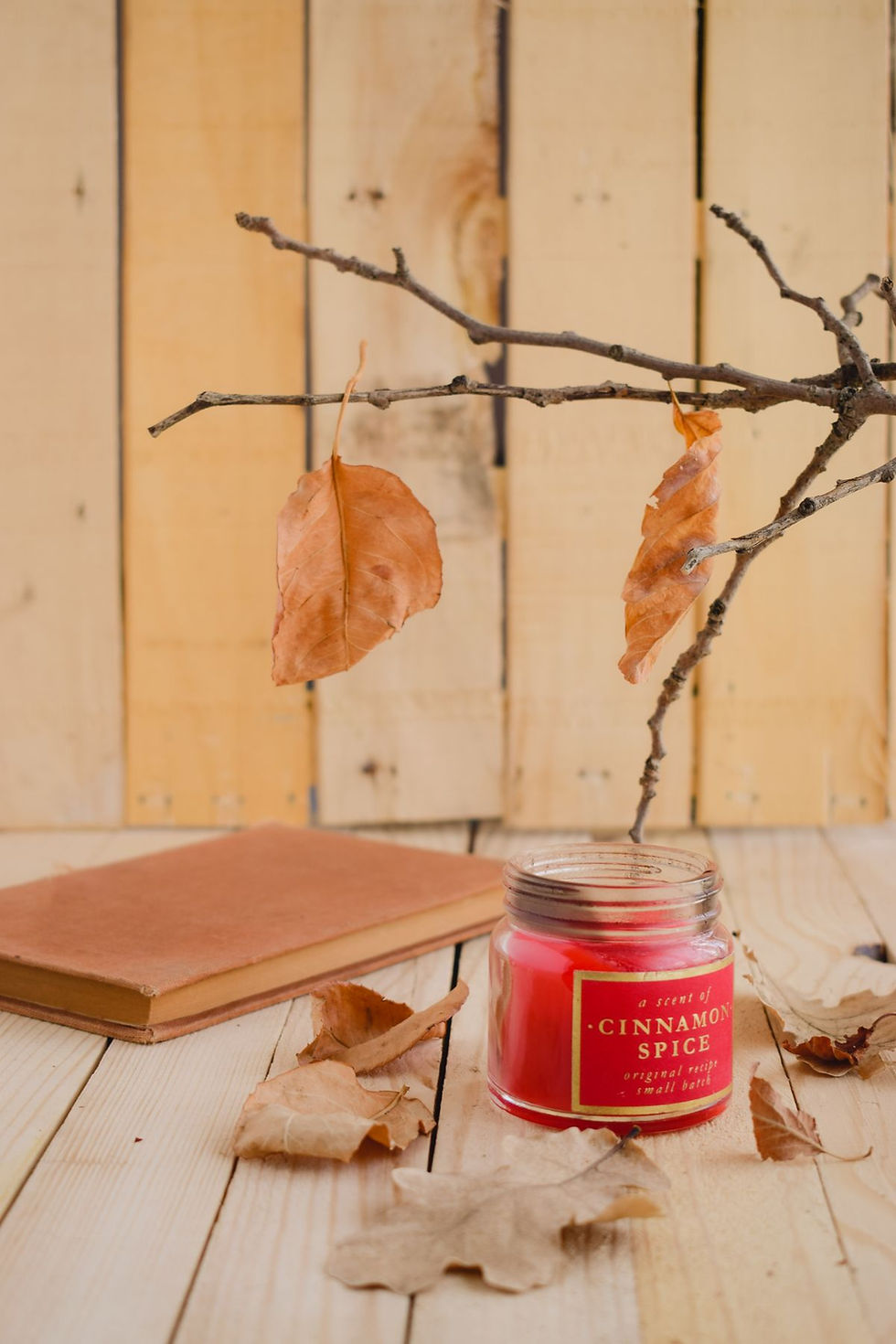
Look at one part of your week and identify a task that can be delayed, simplified or shared. Use the time you create for a short break. Let yourself stop when the break ends without judging whether you rested “correctly.”
Building a Fall Self-Care Routine That Lasts
You do not need to adopt all twelve rituals at once. In fact, choosing too many new routines can make self-care feel like another project to manage. Start with one idea that sounds appealing and make it small enough to fit into your current life. If you enjoy it, keep it. If it feels inconvenient, adjust it or try another.
It may help to choose rituals for different parts of the day. A slow start can support your morning; a seasonal meal can make dinner feel more intentional; a few pages of reading can give the evening a softer finish. Or choose only one dependable ritual, such as a short walk after lunch. There is no ideal number.
Think about what tends to get in the way. If you forget to take a break, set a gentle reminder. If your evenings are unpredictable, keep the ritual flexible. If a hobby requires supplies, place them somewhere visible. A small change in your environment can make the activity easier to begin.
Keep the cost low unless spending money genuinely makes the experience more enjoyable and fits your budget. Most fall self-care rituals require little or nothing: a walk, a notebook, a favorite book, a meal made from ingredients you already like or a few minutes without a screen. You do not need a matching set of candles or a perfectly styled reading nook to create comfort.
It is also useful to check whether a ritual still suits you as the season changes. What feels appealing in early fall may not work during a busy holiday week. Give yourself permission to pause, replace or simplify it. A routine should support your life, not make you feel guilty when the calendar gets full.
Most of all, let the ritual be yours. Some people find calm in a quiet walk; others prefer a lively cooking session with family. Some enjoy journaling, while others would rather listen to music and do a puzzle. Fall wellness is not one prescribed routine. It is the collection of small choices that help you feel more present, comfortable and cared for.
Frequently Asked Questions
What are some simple fall self-care ideas?
Simple fall self-care ideas include taking a short walk, making a warm drink, reading for a few minutes, writing down one good thing from the day, stretching gently or enjoying a seasonal meal. The best idea is one that feels manageable in your actual routine. Start with a small version and change it to fit your time, energy, access and preferences.
How can I create a cozy fall routine?
Choose one or two repeatable activities that make your day feel more settled, such as a slow morning, an evening reading break or a weekly meal you enjoy cooking. Attach the new ritual to a familiar part of your day and keep it brief at first. A cozy fall routine does not need to be elaborate; consistency and comfort matter more than aesthetics.
What is a good autumn self-care ritual for busy people?
A five-minute ritual can work well when your schedule is full. Step outside for a little fresh air, take a screen-free pause, make tea or write one sentence in a journal. Keep the materials nearby and connect the activity to something you already do. A short ritual can still be meaningful when it offers a deliberate pause in a busy day.
How do I practice self-care when the weather is cold?
Choose indoor rituals that feel comfortable, such as reading, cooking, stretching gently, listening to music or working on a hobby. If you want time outdoors, keep it brief, dress for the conditions and choose a safe, accessible place. You can also sit near a window or enjoy a change of scenery in a covered area.
Do fall self-care rituals need to cost money?
No. Many autumn self-care rituals are free or use things you already have. You can take a neighborhood walk, use a notebook, borrow books, prepare a favorite drink or spend a few minutes away from screens. Buying something may add enjoyment, but a special product is not required to make a ritual feel comforting.
How do I stick with a self-care routine?
Make the routine small, connect it to an existing habit and keep the supplies easy to reach. Choose something you actually enjoy rather than a routine you feel you should want. If you miss a day, return when it suits you instead of trying to make up for it. Flexibility can make a routine easier to maintain over time.
Related Reading
For more gentle routines, read 12 Self-Care Rituals to Start the Year Grounded and 12 January Self-Care Challenges to Try in 2026.



.jpg)





.jpg)


