





11 Cozy Reading Nooks to Create

Design a Reading Nook Around the Way You Read
A cozy reading nook does not need a spare room or expensive furniture. It is simply a spot that makes it easier to settle in with a book, magazine, e-reader, or audiobook. The best reading corner reflects how you actually read: curled up for ten minutes, sitting upright with a cup of tea, or listening while your hands are busy. Comfort, good light, and a place to set your book usually matter more than a matching decor scheme.
Start by noticing where you already enjoy reading. Perhaps it is the end of a sofa, a bedroom chair, a sunny kitchen corner, or a place near a window. Build on the habits that already exist rather than searching for a perfect empty corner. Add one useful item at a time and try the setup for a week before deciding that you need more. That keeps a reading nook affordable and easy to change.
These eleven cozy reading nook ideas work for different room sizes and budgets. Each can be adapted for rented homes, shared spaces, limited mobility, and changing seasons. Choose the one that fits your home today, then personalize it with a favorite blanket, a stack of library books, or a lamp you already own. For more gentle seasonal inspiration, explore our fall self-care rituals and autumn journaling prompts.
1. A Window-Side Chair With a Small Table
Place a comfortable chair near a window where you can read in natural light during the day. A small side table gives you a landing place for a book, glasses, a drink, or a bookmark, so you do not have to balance everything in your lap. If the chair is already in the room, try turning it toward the light before buying anything. Even a slight change of angle can make the spot feel more intentional.
For chilly afternoons, keep a throw within reach and check whether drafts make the area uncomfortable. A cushion can add support, but it should not push you into an awkward posture. If glare appears at certain hours, use a curtain or shift the chair a little. Make sure the table and chair leave a clear path through the room, especially if other people share the space.
2. A Bedroom Corner for Quiet Evening Reading
A bedroom reading corner can create a gentle transition between the busy part of the day and bedtime. Use a chair, a compact stool with a cushion, or the comfortable end of a bed. Add a warm, adjustable reading light so you can see without illuminating the entire room. Keep a short stack of books nearby to make choosing the next read easy, but avoid piling so many that the corner becomes another storage task.
If the bedroom is small, a basket beside the bed can hold your current book, a notebook, and reading glasses. A clip-on lamp may work where a floor lamp will not fit. If you share the room, consider a directional light and a quiet format that does not disturb someone else. The corner can be temporary: put the basket away in the morning and bring it back at night.
3. A Sofa-End Reading Station
You may not need a separate nook at all. Choose one end of a sofa and keep a small tray or basket nearby with a book, a bookmark, and a pair of glasses. A cushion can make the seat more supportive, while a throw adds warmth on cold evenings. This setup is especially useful if you like to read in short sessions between other activities.
Keep the station light and easy to move. A basket can go beside the sofa, under a table, or into a cupboard when guests arrive. Use a lamp that provides enough light for the page, and keep drinks on a stable surface rather than on the armrest. When your reading materials have a home, it can be easier to pick up a book instead of searching for one.
4. A Bookshelf Bench or Window Seat

If your home already has a built-in bench or a low shelf that can safely support seating, it may become a natural reading spot. Add a firm seat cushion and one or two back cushions, then position a lamp or make use of daylight. A shelf within reach can hold the books you are currently reading, while a fabric box can store blankets or magazines.
Before sitting on a built-in surface, make sure it is designed to bear weight and does not block a heater, vent, or window access. Keep the arrangement simple so you can reach the books comfortably. If the bench is too deep or hard, use cushions that improve support without making it difficult to stand. A small footrest may help if it does not create a trip hazard.
5. A Tiny Reading Nook in an Awkward Alcove
A narrow alcove, unused corner, or space beside a wardrobe can become a reading nook with a compact chair or floor cushion and a light source. Measure the space before adding furniture and leave room to enter and exit easily. A wall shelf can hold a few books if it is securely installed, while a small basket keeps the rest of the items contained.
In a rental, use furniture that can move rather than making permanent changes. A rechargeable lamp or a plug-in light can provide brightness without a major setup. Choose one or two colors you like and repeat them in a cushion or blanket if that makes the space feel calmer. The nook does not need to be hidden or styled for photographs; it only needs to feel usable.
6. A Kitchen Reading Spot for Morning Pages
If the kitchen is where you naturally start the day, create a reading spot at one end of the table or counter seating area. Keep a book or e-reader in a dry, designated place and add a comfortable seat cushion if you use one. A mug of tea or coffee can make the moment feel like a ritual, while a timer can help you enjoy a few pages before the day’s tasks begin.
Protect the book from spills and kitchen activity by choosing a spot away from the sink and cooking surface. If other people need the table, make the nook easy to clear: a small basket can hold the book and reading glasses and move to a shelf afterward. This corner is ideal for short reading sessions, not necessarily for a long afternoon.
7. A Floor-Cushion Nook for Flexible Seating
A floor cushion or supportive pouf can create a flexible reading corner in a room where a chair would take up too much space. Add a back cushion against a stable wall and place a low table or basket nearby. The setup can be moved for guests, play, or another activity, which makes it useful in a shared living room or studio apartment.
Choose seating that is comfortable to get into and out of. If getting down to the floor is difficult, select a chair or firm raised cushion instead. A soft rug can make the area warmer, but keep its edges flat so they do not catch feet. The point is to create a lower, relaxed option only if it suits your body and your home.
8. A Balcony or Enclosed-Porch Reading Corner
On a mild autumn day, a sheltered balcony or enclosed porch can make a lovely place to read. Use a weather-appropriate chair, a small table, and a blanket that can come back indoors. Keep a lightweight book or e-reader handy and choose a time when the light and temperature feel comfortable. Even ten minutes outside can make a familiar story feel different.
Check the forecast and make sure furniture is stable and suitable for outdoor use. Avoid leaving books, electronics, or soft furnishings where rain or damp can damage them. If the temperature drops, move indoors and recreate the same cue near a window. Outdoor access is a bonus, not a requirement for a cozy nook.
9. A Shared Family Reading Basket

A shared reading nook can invite everyone in the household to read nearby without requiring a silent room. Put a basket of age-appropriate books, comics, magazines, and puzzles beside a sofa or rug. Add a lamp and a couple of comfortable seats, then agree that people can read different things at their own pace. The shared area can make reading feel like part of everyday home life.
Keep the basket manageable by rotating a few titles at a time. If children use the space, choose durable books and place them within reach. If someone prefers audio, headphones can let them participate without adding noise. Shared reading does not need to mean everyone reads together or chooses the same material; it can simply mean making books easy to find.
10. A Desk Corner That Changes After Work
A desk can become a reading nook after work if you make a clear transition. Close work tabs, move the keyboard aside, and put a novel or magazine where the computer was. Adjust the chair and lamp for comfort, and keep your work papers in a tray or drawer if possible. This works well for people who do not have room for another piece of furniture.
Try not to read in a posture that leaves you feeling like you are still working. Turn the chair toward a window or add a cushion, and put your phone on silent if you can. If the desk continues to pull your attention back to work, choose a different chair or read on the sofa instead. Use the arrangement that helps you leave the workday behind.
11. An Audio-Book Nook for Hands-Free Reading
Reading can include audiobooks, so a cozy nook can be built around listening. Choose a comfortable chair or a spot where you like to knit, draw, stretch gently, or rest. Keep headphones or a speaker within reach, and save a short list of titles so you do not spend the whole break deciding what to play. A physical book is optional.
If you listen while moving around, choose an activity and volume that let you remain aware of your surroundings. At home, a speaker can be more comfortable than headphones for some listeners. If you share the space, agree on a volume or use headphones. This nook can make stories accessible on days when holding a book or focusing on a page is not appealing.
Make the Nook Comfortable, Practical, and Easy to Keep
Before adding decorations, check the essentials: can you sit comfortably, see the page, reach what you need, and leave the spot without bumping into anything? A chair that looks inviting but causes back discomfort is not the right choice. Try the setup for a few reading sessions and adjust the light, cushion, or table height based on how it feels.
Layer lighting where possible. Daylight is useful, but a cloudy afternoon or evening calls for a lamp that illuminates the page without creating glare. Put the light at a position that suits how you read, and make sure the cord does not cross a walkway. If outlets are limited, a rechargeable lamp can be an alternative. Good lighting is practical comfort, not a styling extra.
Keep frequently used items nearby and everything else elsewhere. A small basket can hold one or two current books, a bookmark, glasses, and a blanket. Store extra books on a shelf or rotate them occasionally. Leaving a clear surface makes it easier to sit down without tidying first and helps the corner remain a place to relax.
Think about temperature and sound. A throw, warm socks, or a seat away from a draft can make an autumn nook more inviting. If household noise is common, try headphones, a soft playlist, or a time when the room is quieter. You do not need silence for reading; choose the level of sound that lets you enjoy the page.
Make the setup accessible to the people who use it. Keep paths clear, use stable furniture, and position books at a comfortable height. If you have limited space, choose portable items and store them together. If you have limited budget, begin with furniture you already own and borrow books from a library. Comfort is a matter of fit, not price.
Finally, let the nook change with your reading habits. A cookbook may take the place of a novel, or an audiobook may be more appealing during a busy week. You can move the chair when the sun changes or pack away the basket during a gathering. A reading nook is successful when it helps you return to stories in a way that feels easy.
Frequently Asked Questions About Cozy Reading Nooks

How much space do I need for a reading nook? A nook can be as small as one end of a sofa with a basket nearby. A full corner is optional. Choose a spot where you can sit comfortably, see the page, and reach your book without blocking a walkway.
What makes a reading nook cozy? Comfort, useful lighting, and easy access to reading materials make the biggest difference. A blanket or cushion can add warmth, but you do not need decorative purchases. Personal touches are welcome if they make the space more pleasant to use.
How can I make a reading nook in a small apartment? Use portable pieces: a basket, a clip-on or rechargeable lamp, and a chair or sofa you already own. Store the materials together and bring them out when you want to read. A nook can be temporary and still feel intentional.
What is the best lighting for reading? Choose a light bright enough to see the page comfortably and position it to reduce glare. Natural light works during the day, while an adjustable lamp is useful after dark. If your eyes feel strained, change the angle or brightness and take a break.
Can a reading nook include an audiobook? Absolutely. A comfortable seat, headphones or a speaker, and a saved book list can make an audio nook. Pair listening with a quiet activity if you enjoy doing something with your hands.
Make a Little Room for a Good Story
Choose one corner, chair, or basket and make it easier to reach a story. You can start with a library book and a lamp you already own. If the setup is comfortable, return to it; if it is not, adjust it. The nook belongs to your everyday life, so it can be simple, portable, and imperfect.
On a chilly day, a few pages can be a gentle way to pause. Let your reading nook invite you rather than demand a routine. Whether you stay for five minutes or a whole chapter, the point is to make room for the kinds of stories and quiet moments you enjoy.
Build a Reading Nook on Any Budget
A no-spend reading nook can begin with a seat you already like, a book from the library, and a lamp from another room. Try relocating a chair before deciding that you need a new one. Put your current book in a basket, tote, or tray so it stays together with your bookmark and glasses. Moving a few useful items into one place can create the feeling of a nook without changing the room.
With a small budget, consider one comfort improvement at a time. A washable cushion cover, a secondhand side table, or an adjustable bulb may solve a specific problem. Before buying, test the reading spot for a few days and note what is missing. If you keep reaching for a drink, add a stable surface; if the page feels dim, adjust the light. Buying to solve a real inconvenience is more useful than copying a styled image.
A larger budget gives you more options, but it still helps to start with function. Measure the area, check furniture dimensions, and make sure the chair has enough support for the amount of time you like to read. Think about delivery access, assembly, and whether the item can be used elsewhere if your needs change. Choose pieces that can adapt rather than ones that only fit a single photo-ready arrangement.
Decor can come last. A small plant, framed print, or favorite blanket may make the corner feel personal, but the nook does not need a theme. Let the books, colors, and objects that already make you happy guide the look. If the area starts to collect unrelated clutter, reset the basket and return only the things you use for reading.
Small-Space and Shared-Home Solutions
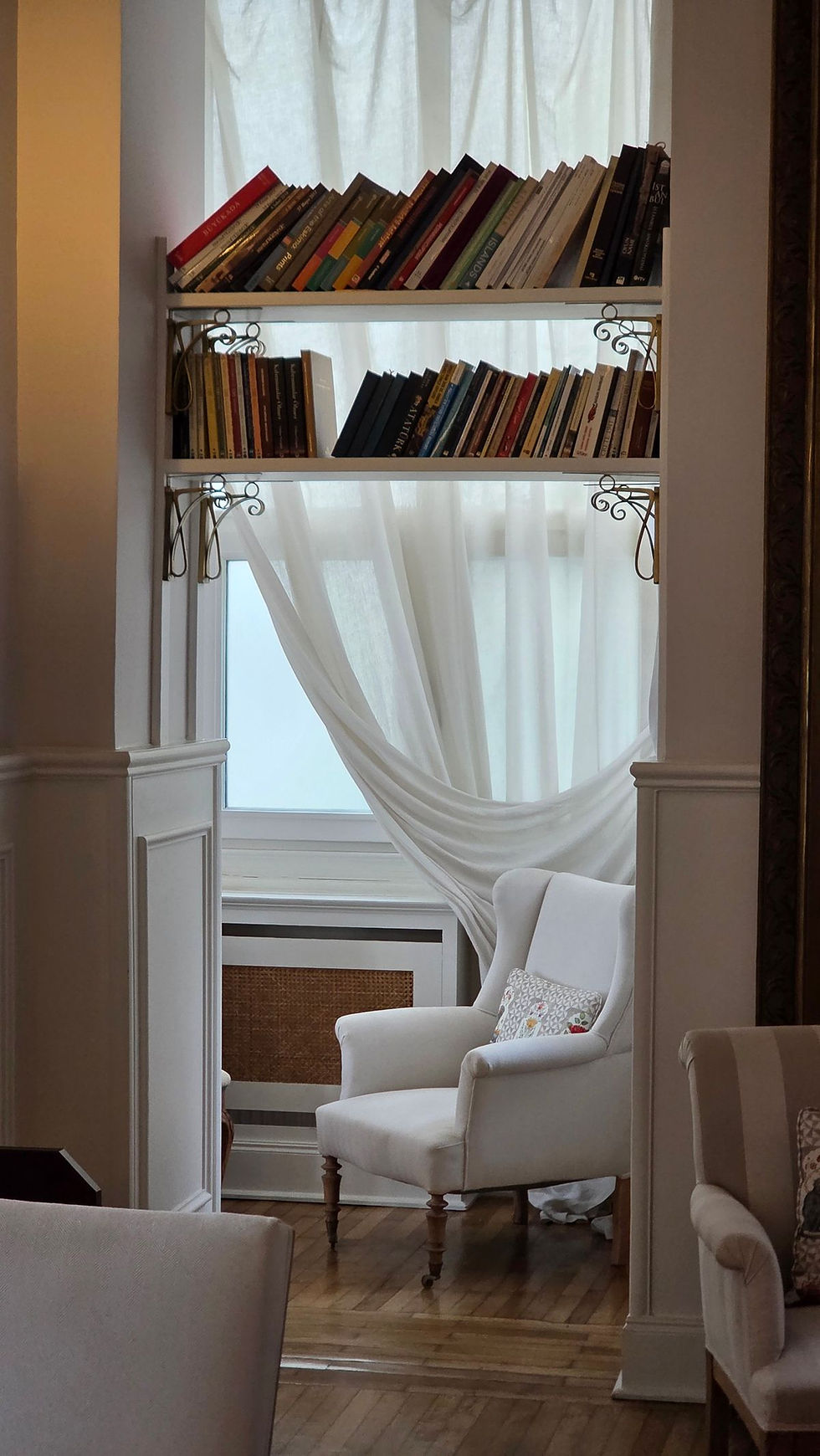
In a studio or small bedroom, a reading nook can be portable. Store a book, reading light, and soft layer in a basket or fabric tote. When you want to read, bring them to a comfortable chair or the sofa; when you are finished, return them to the basket. A portable setup avoids dedicating precious floor space to furniture that may be needed for another activity.
In a shared home, agree on how the space will be used. A seat by a window may serve several people, so keep personal items contained and return the area to its shared state afterward. You can also create individual reading kits with headphones, bookmarks, and a chosen book. Shared quiet does not require everyone to read at the same time; it simply makes space for reading to be a normal option.
If noise or interruptions are common, choose a nook near a predictable quiet time or use a format that can pause easily. Audiobooks, short stories, essays, and magazine articles can be easier to enjoy in brief stretches than a long chapter. Keep a bookmark handy so you can return without needing to remember the exact page or paragraph.
A small nook can change locations as the season does. In bright weather, move toward a window; on a colder evening, choose a spot away from drafts. If you rearrange often, mark a comfortable furniture position mentally or use a rug to define the area. Flexibility is part of the design.
Make the Reading Spot Comfortable for Your Body
Comfort can influence whether you return to a reading spot. Notice your posture after ten minutes: are your shoulders raised, are you leaning toward the page, or are your feet unsupported? Adjust the chair, add a cushion, or use a footrest if it helps. A comfortable position may be upright, reclined, or somewhere in between; it depends on what feels supportive to you.
Keep the book or screen at a height that does not require constant bending. A lap desk or book stand can help some readers, while others prefer holding a paperback. If holding a book becomes tiring, consider a lighter edition, an e-reader, or audio. These options let you keep enjoying stories even when your hands or eyes need a different kind of support.
Lighting should make text easy to see without harsh glare. Try reading at the time you expect to use the nook and adjust the lamp from there. If you read with glasses, keep them nearby; if your eyes become tired, pause or change the text size on a screen. Your reading setup can evolve as your needs and preferences change.
Leave a clear path to and from the nook. Secure loose cords, avoid unstable stacks, and choose a chair that does not wobble. If you use a mobility aid, leave enough room to position it and reach your book safely. A beautiful corner that is difficult to enter is not a useful one; practical access belongs in the design from the beginning.
A Gentle Reading Habit for Chilly Days

If you want to read more this autumn, make the first step small. Place one book in the nook and aim for five pages or ten minutes, whichever feels easier. You can stop when the time is up or continue if you are enjoying it. A flexible invitation is easier to return to than a demanding page count that turns reading into homework.
Attach reading to a routine you already have. Read a few pages after lunch, while a drink cools, or before turning on a show. The cue helps you remember without requiring a perfect schedule. On days when you are tired, a short article or an audiobook can still offer a story without asking for the same focus.
Keep a note of books you might enjoy next, but do not feel obliged to finish a book that is not working for you. Borrowing from a library can make it easier to experiment with genres and return a title that does not fit. Reading for pleasure gives you permission to change direction.
At the end of the week, ask what made it easier to read: the lighting, the comfortable seat, a particular time, or a shorter session. Keep the helpful conditions and adjust anything that got in the way. Your habit can grow from repeated pleasant moments rather than from a strict target.
A Few Seasonal Touches That Stay Practical
Autumn details can make a nook feel inviting, but they should not make it harder to use. A washable throw, a warm-toned lamp, or a coaster for your mug can add seasonal comfort and still work later in the year. Choose items that have a practical job or that you genuinely enjoy seeing. Avoid crowding the surface where you need to put your book.
If you enjoy seasonal scents, keep them subtle and optional. Fragrance can be uncomfortable for some people, so a cozy reading corner does not need candles, sprays, or scented products. Soft lighting, a warm blanket, and a good story create atmosphere without adding anything to the air.
Think about how the nook will work on an ordinary day, not just a quiet weekend. Can you sit down without moving a pile? Is the book easy to find? Can you keep a drink safe from electronics? These practical questions can help the corner remain useful through changing routines and guests.
A reading nook does not need to be kept perfect. Return the book and one or two accessories when you finish, and let the rest of the room be a lived-in room. If the space becomes cluttered, reset it in a minute instead of turning tidying into a major project. A welcoming nook is one you can actually use.
Frequently Asked Questions About Creating a Reading Nook
Do I need a chair to make a reading nook? No. A sofa, bed, sturdy bench, or comfortable floor cushion can work if it supports your body and is safe to get into and out of. Use the seating you already enjoy and add only what makes reading easier.
How do I make a reading nook without a window? Use a lamp that makes the page easy to see and add a comfortable seat, a small table, or a basket for books. A window is a nice feature, but it is not essential. A calm, convenient place can feel inviting without a view.
How can I keep a reading nook tidy? Limit the items stored there to the book you are reading, a bookmark, glasses, and perhaps a blanket. A basket or tray helps contain them. Put extra books elsewhere and rotate a few titles when you want a change.
What should I put in a reading nook? Start with a book, comfortable seating, and useful light. Add a surface for a drink or a basket for reading supplies if you need one. Blankets, plants, and decorative objects are optional and should not crowd the space.
Can a reading nook work for children and adults? Yes. Keep books at a reachable height and offer a mix of formats and interests. A shared corner can include sturdy picture books, novels, comics, and audio options. Let each person choose what to read rather than making the nook feel like a classroom.
Keep the Reading Nook Ready for the Next Chapter
A reading nook becomes more useful when returning to it is easy. Leave your current book, bookmark, and reading glasses in one predictable place, and put away anything that has started to crowd the seat. A two-minute reset can make the corner inviting without asking you to reorganize the whole room.
When your reading mood changes, let the nook change with it. Swap a novel for a magazine, choose an audiobook, or move the basket to another chair. The space is there to support the way you enjoy stories now, not to preserve a particular look. Keep it comfortable and practical as the weather and your routines shift.





.jpg)





.jpg)


