



.jpg)
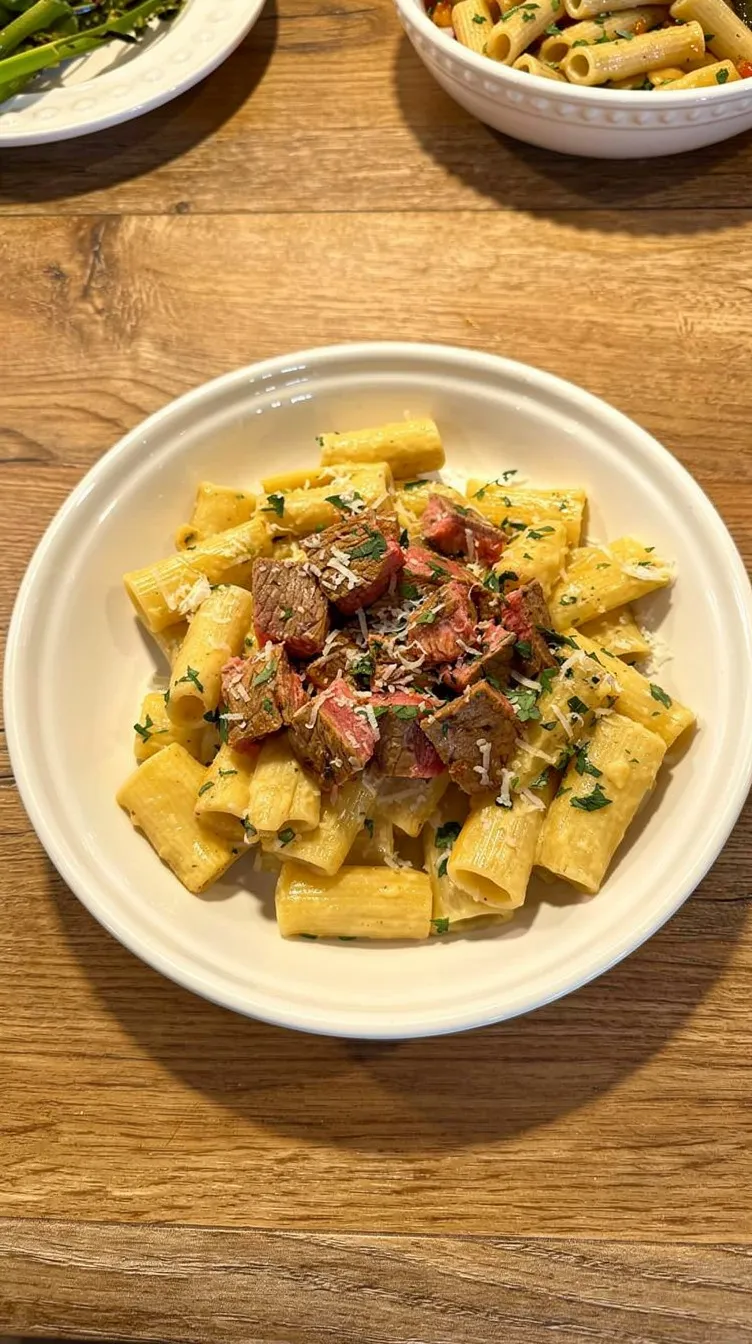
Creamy Garlic & Herb Steak Pasta: The Ultimate 30-Minute Comfort Food Masterpiece

Updated: Aug 13
There is a profound, almost magical kind of romance that happens when a fiercely hot skillet meets a perfectly marbled cut of beef. Imagine the sound: a loud, crackling sizzle that instantly fills your kitchen with the intoxicating, savory aroma of browning meat. Now, imagine pairing that mouthwatering steak with the sweet, mellow fragrance of butter-softened shallots, the sharp, aromatic bite of minced garlic, and the earthy perfume of fresh thyme and parsley. It is the kind of olfactory experience that draws people out of their bedrooms and living rooms, hovering around the kitchen island with hungry anticipation. This Creamy Garlic & Herb Steak Pasta is not just a recipe; it is a culinary event, a testament to the fact that you do not need hours of prep time or a culinary degree to create a restaurant-quality meal at home.
Right now, visually stunning, glossy, and indulgent pasta dishes are completely dominating food feeds across the internet. From perfectly curated aesthetic video tutorials to viral picture boards, millions of home cooks are falling in love with the concept of the "elevated weeknight dinner." What makes this specific rendition of steak pasta so spectacular is its breathtaking simplicity combined with its deeply complex flavor profile. We are taking the hearty, satisfying nature of a classic steakhouse dinner and marrying it with the soul-warming comfort of an Italian-American cream sauce. The tender, bite-sized cubes of seared beef act as little sponges, soaking up a velvety, garlic-infused cream sauce that clings desperately to every single ridge of your chosen pasta.
Whether you are looking to impress a new partner on a cozy date night, treating yourself after a grueling workweek, or simply trying to feed a family of voracious eaters with something that feels incredibly special, this dish delivers on every single front. It is rich, it is deeply savory, it is beautifully balanced by the subtle tang of Dijon mustard, and best of all, it goes from the cutting board to your dining table in under thirty minutes. If you appreciate the art of sharing beautiful meals and cultivating love through food, please consider supporting our community. You can help us continue bringing you these delectable culinary deep-dives by visiting this link: https://www.thatlovepodcast.com/donate

The Magic Behind the Creamy Garlic & Herb Steak Pasta
Before we dive into the specific mechanics of cooking this incredible meal, it is crucial to understand the symphony of flavors that makes it work so flawlessly. Cooking is, at its heart, an exercise in balancing contrasting elements. When dealing with heavy cream, butter, and rich red meat, the palate can quickly become overwhelmed by the sheer fattiness of the dish. To counteract this, we build layers of flavor that slice through the richness, creating a dynamic, mouthwatering experience that keeps you going back for another bite.
The magic truly begins in the skillet with the steak bites. By searing the meat at a high temperature, we trigger the Maillard reaction—a chemical process between amino acids and reducing sugars that gives browned food its distinctive, savory flavor. This process leaves behind a sticky, caramelized residue on the bottom of the pan known as "fond." In many amateur kitchens, this fond is mistakenly washed away. In our recipe, however, it is the foundational building block of the entire dish. When we deglaze the pan with beef broth, we scrape up all that concentrated, roasted beef flavor and incorporate it directly into the cream sauce, turning a simple dairy base into a deeply savory, umami-rich masterpiece.
You Might Like This
Steak, garlic, herbs, and creamy pasta are difficult to argue with when you need a proper comfort-food dinner. These related creamy and beef pasta recipes are perfect for your next weeknight meal:
Selecting the Ultimate Cut of Beef
When a recipe calls for a fast, high-heat sear, the cut of beef you choose will dictate the entire texture of the final dish. Because the steak is cut into bite-sized pieces and cooked in a matter of minutes, you cannot rely on slow-cooking methods to break down tough connective tissues. You need a cut that is naturally tender and well-marbled.
Beef fillet, also known as tenderloin, is the absolute gold standard for this recipe. It is the most tender cut of beef available, meaning your steak bites will practically melt in your mouth. However, it is also the most expensive. For a more budget-friendly option that still delivers spectacular results, a high-quality sirloin steak is an exceptional choice. Sirloin offers a more robust, beefy flavor than tenderloin and has enough marbling to stay juicy during a quick sear. Alternatively, a ribeye steak can be used if you prefer a fattier, incredibly rich bite, though you will want to trim away any large, hard pieces of fat before cubing it. Whichever cut you choose, ensure it is brought to room temperature before hitting the hot pan; cold meat will dramatically lower the temperature of your skillet, causing the beef to steam and boil rather than developing that crucial, flavorful crust.
The Importance of the Right Pasta Shape
In the world of pasta, the shape you select is not merely an aesthetic choice; it is an architectural decision. Different sauces require different structural supports. A delicate, olive-oil-based sauce pairs beautifully with long, thin strands like spaghetti or angel hair. However, a thick, heavy, velvety cream sauce requires a pasta shape with fortitude, ridges, and cavities to hold the liquid.
For this Creamy Garlic & Herb Steak Pasta, short tube pastas are your best friend. Rigatoni is perhaps the most iconic choice. Its large, hollow center acts as a tunnel, trapping the creamy garlic sauce and occasionally harboring a small piece of shallot or herb, ensuring that every single bite is bursting with flavor. The exterior ridges of the rigatoni also provide a rough surface for the Parmesan-infused cream to cling to. Paccheri, a smooth, oversized tube pasta, is another fantastic option that offers a delightfully chewy texture and a massive surface area for the sauce. If you prefer something smaller, Ditalini or Penne Rigate will also perform beautifully. The goal is to choose a pasta that stands up to the hearty nature of the steak, ensuring the meat and the carbohydrates are in perfect textural harmony.
Ingredients
For the Steak & Pasta:
1 lb (450g) beef fillet or sirloin steak, cut into bite-sized cubes
12 oz (340g) short tube pasta (Rigatoni, Paccheri, or Ditalini)
1 tbsp olive oil
1 tbsp butter
Generous pinch of coarse black pepper and kosher salt
For the Creamy Pan Sauce:
2 tbsp butter
1 medium shallot, finely chopped
4 cloves garlic, minced
1/2 cup beef broth (or a splash of dry white wine to deglaze)
1 cup heavy cream (double cream)
1/2 cup freshly grated Parmesan cheese
1 tsp Dijon mustard (adds a great savory depth)
1 tbsp fresh parsley or thyme, finely chopped
Step-by-Step Cooking Instructions
Bring a large, heavy-bottomed pot of water to a vigorous, rolling boil over high heat.
Generously salt the boiling water until it tastes somewhat like the sea, which is crucial for flavoring the pasta from the inside out.
Add your chosen short tube pasta to the boiling water and stir immediately to prevent the noodles from sticking together.
Cook the pasta for about 1 to 2 minutes less than the package instructions indicate for "al dente," as it will finish cooking later in the warm cream sauce.
Before draining the pasta, carefully scoop out and reserve about 1/2 cup of the starchy pasta water in a heatproof mug or measuring cup.
Drain the pasta thoroughly in a colander and set it aside.
While the pasta is boiling, place a large, wide skillet (preferably stainless steel or cast iron to promote better browning) over medium-high heat.
Add the olive oil and 1 tablespoon of butter to the skillet, allowing the butter to melt and begin to foam slightly.
Thoroughly pat your steak cubes dry with a paper towel to remove excess moisture, which ensures a proper, crusty sear.
Season the steak cubes generously and evenly with the kosher salt and coarse black pepper.
Once the oil and butter mixture is screaming hot and shimmering, carefully add the seasoned steak cubes in a single, even layer, making sure not to overcrowd the pan.
Allow the steak bites to sear completely undisturbed for 1 to 2 minutes so they develop a deeply browned, caramelized crust on the bottom.
Using tongs, quickly flip the steak bites and cook for another 1 minute on the opposite side to lock in the juices while keeping the center tender and medium-rare.
Promptly remove the seared steak bites from the skillet, transfer them to a clean plate, and set them aside to rest (do not wipe out the skillet).
Lower the stove's heat to medium to prevent the remaining fats from burning.
Add the remaining 2 tablespoons of butter to the same skillet, letting it melt into the residual steak juices.
Toss in the finely chopped shallot and sauté, stirring frequently, for about 2 minutes until the pieces become soft and translucent.
Add the minced garlic to the shallots and cook for exactly 30 seconds, stirring constantly, just until the garlic becomes highly fragrant but not browned.
Pour the beef broth into the skillet, immediately using a wooden spoon to scrape the bottom of the pan, releasing all the dark, flavorful browned bits (the fond) into the liquid.
Allow the broth to simmer gently until the liquid has reduced by roughly half, concentrating the savory beef flavors.
Whisk the Dijon mustard thoroughly into the reduced broth until it is completely dissolved and integrated.
Slowly pour the heavy cream into the skillet, stirring gently to combine it with the mustard and broth base.
Let the creamy sauce simmer softly over medium-low heat for about 3 to 4 minutes, watching carefully as it begins to thicken and coat the back of your spoon.
Reduce the stove heat to its absolute lowest setting.
Gradually sprinkle the freshly grated Parmesan cheese into the simmering cream, stirring constantly until the cheese melts completely, transforming the liquid into a smooth, glossy, velvet-like sauce.
Transfer the slightly undercooked pasta into the skillet, folding it gently into the cheese sauce.
Add the rested steak bites back into the skillet, making sure to pour in any of the delicious resting juices that have accumulated on the plate.
Toss all the ingredients together continuously for about 1 to 2 minutes, allowing the pasta to absorb the sauce and finish cooking.
If the sauce appears too thick or gloppy, splash in a little of the reserved, starchy pasta water, one tablespoon at a time, tossing vigorously until you reach a perfectly silky consistency.
Remove the skillet from the heat entirely.
Garnish the finished dish with the finely chopped fresh parsley or thyme, and add one final, generous crack of fresh black pepper over the top before serving immediately.
You Might Like This
Steak, garlic, herbs, and creamy pasta are difficult to argue with when you need a proper comfort-food dinner. These related creamy and beef pasta recipes are perfect for your next weeknight meal:
Chef's Tips and Tricks
Achieving restaurant-quality results at home is rarely about having expensive equipment; rather, it is about mastering foundational culinary techniques and understanding the science of how ingredients interact. The most critical element in this recipe is achieving the perfect sear on your steak bites. To do this, you must conquer moisture. If you take your steak directly from the refrigerator packaging and throw it into the pan, the surface moisture will rapidly turn to steam. Steam cannot exceed 212 degrees Fahrenheit (100 degrees Celsius), which is far below the temperature required for the Maillard browning reaction to occur. Therefore, you must diligently pat your cubed beef completely dry with paper towels before seasoning. Furthermore, do not season your beef until right before it hits the pan; salt draws moisture to the surface of the meat, so letting salted beef sit for ten minutes will undo all your drying efforts.
Another vital technique is understanding the concept of emulsification, particularly when building your pan sauce. We are combining fat (butter, cream, cheese) with water-based liquids (beef broth). Without proper care, these elements can separate, resulting in a greasy, broken sauce rather than a smooth, velvety coating. The Dijon mustard in this recipe is not just for flavor; mustard acts as a natural emulsifier, helping to bind the fat and water molecules together stably.
When it comes time to add the Parmesan cheese, always, always grate it yourself from a solid block. Pre-packaged, pre-grated cheeses are coated in anti-caking agents like cellulose or potato starch to prevent the shreds from clumping in the bag. While these agents are perfectly safe to eat, they refuse to melt properly when introduced to heat, leaving your beautiful cream sauce with a grainy, gritty texture. Grating your own cheese ensures a flawlessly smooth melt. Finally, the reserved starchy pasta water is liquid gold. As the pasta cooks, it releases starches into the boiling water. When you add a splash of this starchy water to your finished pan sauce, it acts as a magical binding agent, helping the creamy sauce cling tenaciously to the noodles rather than sliding off into a pool at the bottom of your bowl.
To explore more ways to elevate your everyday cooking and turn meal prep into an act of self-care and romance, take a moment to listen to our incredible audio experiences at https://www.thatlovepodcast.com/episodes. We explore the profound connection between creating beautiful things, nurturing relationships, and finding joy in the everyday moments.
You Might Also Like
Creamy Tuscan Garlic Chicken: A decadent, sun-dried tomato and spinach chicken skillet that rivals any Italian restaurant.
Classic Spaghetti Carbonara: Learn the authentic Roman technique for achieving a flawless, creamy egg and pancetta sauce without any actual cream.
Garlic Butter Shrimp Scampi: A bright, zesty, and buttery seafood pasta that comes together in just fifteen minutes.
Variations and Substitutions
One of the greatest joys of mastering a pan sauce recipe is realizing how incredibly adaptable it is. Once you understand the base mechanics of searing a protein, deglazing a pan, and building a cream reduction, the culinary world is your oyster.
If you are looking to incorporate more vegetables into your diet, this recipe welcomes them with open arms. Fresh baby spinach is a phenomenal addition; simply toss a few handfuls into the skillet during the final minute of cooking, allowing the residual heat of the sauce to wilt the leaves perfectly. Cremini or button mushrooms also make a brilliant variation. If you choose to add mushrooms, slice them and sauté them in the butter alongside the shallots. Mushrooms release a tremendous amount of savory, earthy umami compounds that beautifully complement the richness of the beef and the cream. Sun-dried tomatoes, drained of their oil and roughly chopped, can also be stirred in to provide a sweet, tart, and chewy contrast to the heavy dairy base.
For those adhering to specific dietary requirements, substitutions are simple and effective. To make this dish entirely gluten-free, simply swap the traditional wheat pasta for your favorite gluten-free alternative. Brown rice pasta or chickpea pasta both hold up wonderfully to heavy cream sauces, though you must be diligent not to overcook them, as gluten-free noodles are more prone to becoming mushy.
If you are looking to reduce the heavy dairy footprint, you can execute a dairy-free variation with a bit of creativity. Swap the butter for a high-quality vegan butter block or simply use extra olive oil. To replace the heavy cream, full-fat canned coconut milk is an excellent alternative, offering a similarly luxurious mouthfeel, though it will impart a very faint coconut flavor. Alternatively, a homemade cashew cream (soaked, raw cashews blended with water until perfectly smooth) provides an incredibly neutral, rich, and creamy base that mimics dairy cream astonishingly well. To substitute the Parmesan cheese, a generous sprinkle of nutritional yeast will provide that deeply savory, cheesy, and nutty flavor profile without any animal products.
Protein swaps are equally seamless. If beef is not your preference or falls outside your budget, this exact sauce methodology works spectacularly with boneless, skinless chicken thighs cut into bite-sized pieces. Chicken thighs remain incredibly juicy during a high-heat sear and pair beautifully with the garlic and herb profile. Plump, jumbo shrimp can also be utilized; simply sear the shrimp for one minute per side until they just turn pink, remove them from the pan, and build the sauce as instructed.
In the realm of modern culinary exploration, understanding how to pivot and substitute ingredients is what transforms a good cook into a great one. For more inspiration on adapting to life's unpredictable moments, both in the kitchen and in relationships, you can dive into our lifestyle articles at https://www.thatlovepodcast.com/blog/date-night-recipes. Building confidence in your choices allows you to create masterpieces out of whatever you have on hand.
Cultural Context and History
To truly appreciate a bowl of Creamy Garlic & Herb Steak Pasta, it is fascinating to trace the cultural lineage of the ingredients and techniques that bring it to life. This dish is a beautiful, hybrid child of classical European culinary traditions and robust, modern Italian-American comfort food.
In traditional, regional Italian cooking, you will very rarely find heavy cream paired with steak and pasta in this specific manner. Italian cuisine typically prides itself on hyper-regionality and highlighting a few stark, pristine ingredients. In Italy, a premium cut of beef (like a Bistecca alla Fiorentina) is usually grilled over wood coals and served simply with a drizzle of robust olive oil, perhaps accompanied by a side of roasted potatoes or bitter greens, completely separate from the primo piatto (the pasta course).
The concept of heavy cream sauces thickened with Parmesan cheese traces its roots back to the Alfredo and butter-heavy sauces of Rome, which were eventually heavily modified and enriched when Italian immigrants arrived in the United States. In the mid-20th century, as dairy became widely affordable and accessible in America, Italian-American restaurant chefs began utilizing heavy cream to create luxurious, foolproof sauces that appealed heavily to the American palate, which craved rich, caloric density.
Simultaneously, the technique of building a pan sauce—searing a piece of meat, utilizing the fond, deglazing with broth or wine, and enriching the reduction with butter and cream—is a cornerstone of classical French gastronomy. The French culinary tradition of sauces suprêmes and pan reductions heavily influenced the steakhouse culture that blossomed across America and Britain.
This specific recipe, therefore, represents a beautiful culinary melting pot. It takes the French technique of the seared steak and deglazed pan sauce, marries it with the Italian-American love affair for Parmesan-enriched cream and hearty tube pasta, and presents it in a modern, fast-paced format designed for the contemporary home cook. It is a dish that speaks to our globalized palates, taking the absolute best, most comforting elements from different culinary histories and serving them up in one deeply satisfying, unified bowl. For a deeper understanding of the history and science behind classical pan sauces, the culinary experts at Serious Eats offer an incredible, comprehensive breakdown of the methodology.
You Might Like This
Steak, garlic, herbs, and creamy pasta are difficult to argue with when you need a proper comfort-food dinner. These related creamy and beef pasta recipes are perfect for your next weeknight meal:
Nutrition Information
Please note that the following nutritional values are rough estimates based on standard ingredient measurements and a 4-serving yield. Actual values will vary depending on the specific brands, fat content of the beef, and exact measurements used.
Calories: 780 kcal per serving
Protein: 38 g
Carbohydrates: 65 g
Dietary Fiber: 3 g
Total Sugars: 4 g
Total Fat: 42 g
Saturated Fat: 22 g
Cholesterol: 135 mg
Sodium: 650 mg (will vary heavily based on broth and added salt)
Potassium: 420 mg
Storage and Reheating Tips
One of the great tragedies of cooking with heavy cream and premium beef is that the leftovers can be notoriously temperamental. When left to cool, the butterfat in the heavy cream and the starches from the pasta congeal, turning that once-silky, flowing sauce into a thick, solid block in your refrigerator. Furthermore, the tender steak bites, if reheated improperly, will quickly cross the line from medium-rare perfection into tough, chewy, and overcooked territory. However, with the right techniques, you can successfully revive this dish the next day.
If you have leftovers, allow the pasta to cool to room temperature (but do not leave it out for more than two hours for food safety reasons). Transfer the pasta and steak into an airtight glass or plastic container. It will keep safely in the refrigerator for up to three days. I strongly, vehemently advise against freezing this dish. Dairy-based sauces, particularly those bound with cheese, do not survive the freezing and thawing process well. The ice crystals that form during freezing will violently break the emulsion of the sauce, resulting in a grainy, separated, and highly unappetizing texture when thawed.
When it comes time to reheat, the microwave is your enemy. The aggressive, uneven radiation of a microwave will obliterate the emulsion of the cream sauce, leaving you with a pool of separated oil and tough, rubbery steak bites. The absolute best way to reheat Creamy Garlic & Herb Steak Pasta is gently, on the stovetop.
Transfer your cold leftovers into a skillet or saucepan. Add a splash of fresh liquid—either a tablespoon of milk, a splash of beef broth, or even just a little bit of water. Place the skillet over medium-low heat and cover it with a lid for the first two minutes to trap the steam and gently warm the pasta through. Remove the lid and begin to stir the pasta softly, folding the newly added liquid into the congealed sauce. As the pan warms, the sauce will miraculously come back to life, re-emulsifying into a creamy state. Keep a very close eye on the steak bites; you want to warm them just until they are heated through, removing the pan from the heat immediately to prevent them from overcooking. The entire stovetop reheating process should take no more than five to seven minutes.
It is all about patience and gentle heat. Navigating the delicate balance of reviving a complex dish is much like maintaining the delicate balance of a thriving relationship—it requires attention, care, and the willingness to add a little something fresh to keep the magic alive. For more thoughts on nurturing what matters most, explore our relationship insights at https://www.thatlovepodcast.com/blog/comfort-food-ideas.
Common Mistakes to Avoid
Even the most straightforward, thirty-minute recipes have hidden pitfalls that can trip up an enthusiastic home cook. By being aware of these common mistakes, you can guarantee a flawless outcome on your very first attempt.
The single most frequent error made with this dish is overcrowding the skillet when searing the steak bites. It is tempting to throw all the beef into the pan at once to save time. However, if the beef cubes are touching each other, they will rapidly lower the temperature of the pan. Instead of searing and creating a gorgeous, caramelized crust, the meat will release its juices and begin to boil and steam in its own liquid. You will be left with pale, gray, rubbery meat lacking any complex flavor. If your skillet is not large enough to hold all the beef with plenty of space between each piece, you must sear the meat in two separate batches. Patience during the searing phase is absolutely non-negotiable.
Another major mistake is allowing the cream sauce to reach a hard, rolling boil. Heavy cream is relatively stable, but if it is subjected to violent, aggressive heat for an extended period, the dairy proteins can curdle and separate, resulting in a sauce that looks split and greasy. Once you add the cream to the pan, the heat should be kept to a gentle, lazy simmer. The bubbles should lightly break the surface, not churn aggressively.
Similarly, adding the Parmesan cheese while the pan is still over high heat is a recipe for disaster. High heat causes the proteins in the cheese to seize up and clump together tightly, while simultaneously expelling their internal fats. This creates stringy, chewing-gum-like wads of cheese swimming in a pool of oil, rather than a smooth, integrated sauce. You must turn the heat down to the absolute lowest setting, or even remove the pan from the heat entirely, before gradually whisking in your freshly grated Parmesan.
Finally, draining your pasta completely without saving the starchy water is a heartbreaking error. We have all done it—dumped the pot into the colander and watched the cloudy, starchy liquid vanish down the drain, only to realize our mistake a second too late. That starchy water is the secret ingredient that binds the fats in the sauce to the carbohydrates in the pasta. Before you even lift the pasta pot off the stove, get into the habit of dipping a mug into the water and setting it aside. It is the ultimate culinary insurance policy, allowing you to thin out a thick sauce or rescue a broken emulsion with just a quick splash.
Conclusion
In the chaotic, fast-paced rhythm of our daily lives, carving out thirty minutes to stand by a warm stove, breathe in the scent of roasted garlic and searing beef, and create something beautiful with your own hands is a profound act of self-care. The Creamy Garlic & Herb Steak Pasta is so much more than a list of ingredients and a sequence of instructions. It is a reliable, comforting, and deeply impressive culinary tool that proves that luxury and convenience do not have to be mutually exclusive.
By mastering the simple art of a high-heat sear, understanding the transformative power of deglazing a pan, and learning how to gently coax heavy cream and Parmesan cheese into a velvety, clinging sauce, you elevate your home cooking to an entirely new echelon. This is the kind of meal that demands you slow down, pour a glass of robust red wine, and savor every single, savory, umami-rich bite. It is the kind of dish that turns a mundane Tuesday evening into a memorable occasion, and a planned date night into a resounding, spectacular success.
Do not let the fear of overcooking a steak or splitting a cream sauce hold you back. Armed with the detailed steps, the scientific reasoning behind the techniques, and the troubleshooting tips provided in this guide, you are more than capable of executing this masterpiece flawlessly. So, gather your ingredients, turn on your favorite playlist, and let the kitchen become your sanctuary. The sizzle of the pan and the comfort of the pasta await.
For more ways to enrich your life, explore compelling narratives, and find inspiration for your next great date night, make sure to tune in and listen to our beautiful stories at https://www.thatlovepodcast.com/episodes.
We are incredibly passionate about bringing you content that elevates your everyday life, from the kitchen to your relationships. If you loved this deep dive into culinary comfort and want to help us keep the inspiration flowing, please consider supporting our platform. Your generosity allows us to keep creating. Support us today at: https://www.thatlovepodcast.com/donate
You Might Like This
Steak, garlic, herbs, and creamy pasta are difficult to argue with when you need a proper comfort-food dinner. These related creamy and beef pasta recipes are perfect for your next weeknight meal:
Frequently Asked Questions
What if I don't have heavy cream, can I use milk? Using standard milk (whole, 2%, or skim) instead of heavy cream will drastically change the texture of the sauce. Milk lacks the high fat content necessary to thicken properly and create a velvety texture, and it is highly prone to curdling when introduced to heat and acidic ingredients like mustard. If you must use milk, you will need to create a roux first (cooking equal parts butter and flour in the pan before adding the milk) to stabilize and thicken the liquid.
What kind of steak is best on a tight budget? If beef fillet or sirloin is out of your budget, a flank steak or skirt steak can be used. However, because these cuts are naturally tougher and more fibrous, you must ensure you cut them strictly against the grain into very small, bite-sized pieces. Searing them incredibly fast over screaming high heat will keep them from becoming too chewy.
Can I make this recipe ahead of time for a dinner party? It is highly recommended that you serve this dish immediately after it is cooked. Cream sauces and seared steak do not hold well over long periods. As it sits, the pasta will continue to absorb the sauce, becoming dry, and the steak will lose its ideal temperature and texture. If you want to prep ahead, you can chop your shallots, mince your garlic, grate your cheese, and cube your steak in advance, allowing you to throw the meal together in just 15 minutes when your guests are ready to eat.
Why did my cream sauce separate and look greasy? A sauce separates (or "breaks") when the emulsion between the fat and the water fails. This usually happens for three reasons: the cream was boiled too aggressively over high heat, the Parmesan cheese was added while the pan was too hot, or you used a pre-grated cheese coated in anti-caking agents. To fix a slightly broken sauce, remove it from the heat, add a splash of reserved, starchy pasta water, and whisk vigorously to force the emulsion back together.
What kind of wine pairs best with this steak pasta? Because this dish is incredibly rich and features red meat, you want a wine with enough body and tannin structure to cut through the heavy fat of the cream and the butter. A robust, dry red wine is ideal. A classic Cabernet Sauvignon, a peppery Syrah, or an earthy Italian Chianti Classico will beautifully complement the savory notes of the seared beef and the pungent garlic.
Do I absolutely have to use Dijon mustard? You do not have to use it, but it is highly recommended. You will not explicitly taste "mustard" in the final dish. Instead, the Dijon acts as a crucial background note, providing a subtle, acidic tang that balances the overwhelming richness of the cream and cheese. It also acts as a chemical emulsifier, helping to keep your sauce smooth and stable.
Can I add fresh tomatoes or spinach to this recipe? Yes, adding vegetables is a wonderful way to brighten up the heavy dish. Fresh cherry tomatoes can be halved and sautéed with the shallots until they burst, adding a lovely acidity to the cream sauce. Fresh baby spinach can be folded into the skillet at the very end, just before adding the pasta, allowing the residual heat to wilt it perfectly.
How do I get a good crust on my steak without overcooking the inside? The secret is heat and dryness. Your steak cubes must be patted completely dry with paper towels. Your skillet (preferably cast iron or heavy stainless steel) must be preheated until the oil is shimmering and almost smoking. Place the steak in the pan and, most importantly, leave it completely alone. Do not constantly stir or shake the pan. Let the meat sit for a full minute to develop a crust, then flip it once.
Can I use a different type of cheese instead of Parmesan? Parmesan (Parmigiano-Reggiano) is preferred for its sharp, salty, and nutty flavor profile, which cuts through the cream beautifully. However, Pecorino Romano is a phenomenal, slightly sharper substitute. Grana Padano also works well but is much saltier, so you will need to reduce the amount of added kosher salt in the recipe. Avoid soft, melting cheeses like mozzarella or cheddar, as they will turn the sauce stringy and gloppy rather than silky.
Is it okay to wash my pasta with cold water after boiling? Absolutely not. Rinsing your pasta under cold water washes away the sticky surface starches that naturally cling to the noodles. Those starches are essential; they act like glue, grabbing onto the creamy garlic sauce and forcing it to coat the pasta. Rinsing the pasta will result in a slippery noodle that rejects the sauce entirely. Simply drain the pasta in a colander and immediately toss it into your warm skillet.
For more incredible, science-based cooking techniques and foolproof recipes, explore the archives at Bon Appétit.
To expand your culinary repertoire and discover the histories behind your favorite comfort foods, dive into the extensive resources available at Epicurious.
Purchase Your Essential Kitchen Tools
To execute a perfect, high-heat sear and achieve that flawless, caramelized crust on your steak bites, you need the right equipment. A heavy-bottomed, heat-retaining skillet is the single most important tool in this recipe's arsenal. Upgrade your culinary setup and browse our highly recommended, chef-approved cast iron and stainless steel skillets right here, ensuring your next date night dinner is an absolute triumph!


.jpg)






.jpg)


Comments