






The 12 Best Charles Dickens Books, Ranked

Subtitle: From A Christmas Carol and Oliver Twist to Great Expectations and Bleak House, these are the Dickens books every reader should know.
Charles Dickens wrote more than a shelf of Victorian classics. He created a whole ecosystem of unforgettable characters, foggy streets, disastrous families, grotesque villains, comic side plots and institutions that seem designed to make ordinary people miserable. His best books can be funny, sentimental, furious and deeply moving — often within the same chapter.
A ranking of Dickens’ greatest books is not quite the same as a ranking of his novels. This list includes A Christmas Carol, the short 1843 novella that has become one of his most influential works, alongside his major full-length novels. It is impossible to tell the story of Dickens’ legacy without Scrooge, just as it is impossible to understand Victorian fiction without Pip, Oliver, David Copperfield, Miss Havisham or Esther Summerson.
The ranking weighs literary ambition, emotional power, social insight, character creation, cultural influence and modern readability. Some of these books are long and demanding; others can be read in a winter afternoon. All of them prove why Dickens remains one of the most widely read writers in the English language.
If you are unsure where to start, the Charles Dickens Museum recommends beginning with accessible books such as A Christmas Carol or Oliver Twist before tackling his largest later novels.
Let’s get into it 👇
Support That Love Podcast
Enjoying the recommendations? You can help support That Love Podcast and keep independent entertainment content like this coming.
Want to Reach Entertainment Fans?
If you're a brand, author, publisher, streaming company, entertainment business, or creator looking to reach an engaged audience, That Love Podcast offers advertising opportunities across the website, podcast, and newsletter.
Find out more: Advertise With That Love Podcast
For the full 15-novel guide, read Every Charles Dickens Novel, Ranked.
12. The Pickwick Papers (1836–1837)
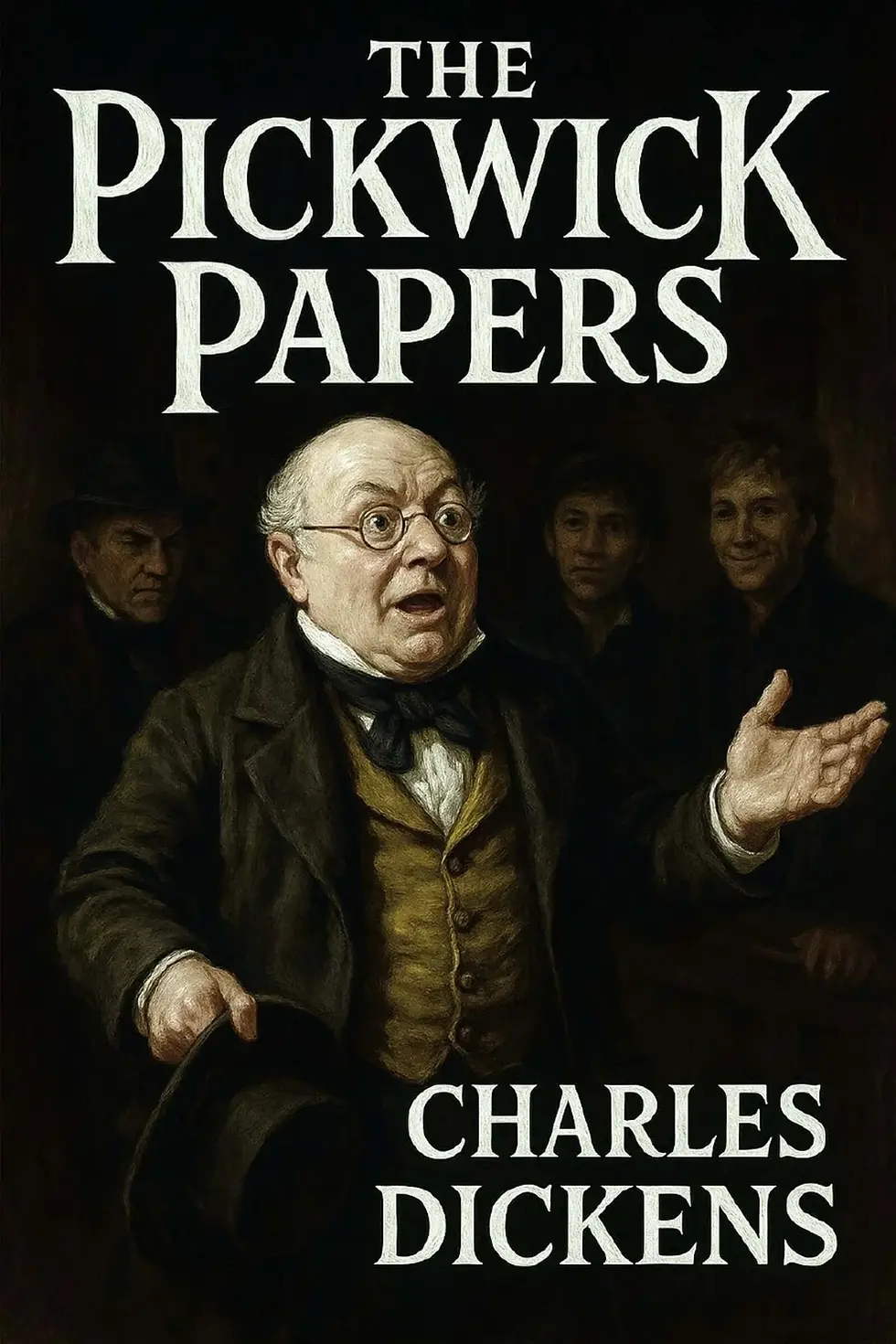
Dickens’ first novel is not his most polished, but it is possibly his most joyful. The Pickwick Papers follows the adventures of Samuel Pickwick and the members of the Pickwick Club as they travel, encounter strange people, get tangled in misunderstandings and generally turn ordinary life into an excuse for comic disaster.
There is no single plot with the precision of Great Expectations or Bleak House. Instead, the pleasure lies in the episodes, the inns, the eccentric characters and the warm friendship between Mr Pickwick and Sam Weller. It is Dickens before he became the great Victorian social novelist — but his comic genius is already unmistakable.
Why it belongs on the list: The birthplace of Dickens’ career and a wonderfully funny portrait of friendship and English absurdity.
Best for: Readers who enjoy episodic comic adventures and large casts of oddballs.
Where to read: Widely available in print, ebook and audiobook editions.
🎧 Need something to listen to after your reading session? Discover original romantic audio dramas, comedies and stories from That Love Podcast: Listen to That Love Podcast
11. Nicholas Nickleby (1838–1839)

At the centre of Nicholas Nickleby is a simple but powerful idea: a young man must protect the people he loves from cruelty. After Nicholas’ father dies, his family becomes dependent on the cold and calculating Ralph Nickleby. Nicholas’ journey takes him from the horrors of Dotheboys Hall to the chaotic world of Victorian theatre.
The boarding-school sections, particularly the suffering of Smike, remain among Dickens’ angriest early writing. But this is also a huge entertainment, full of theatrical comic characters, villainous schemes and the kind of coincidence-driven plotting Dickens could make feel irresistible.
Why it belongs on the list: A big-hearted early novel with righteous anger, unforgettable villains and enormous comic energy.
Best for: Readers who want a sweeping Victorian story with clear heroes and villains.
Where to read: Widely available in print, ebook and audiobook editions.
10. Hard Times (1854)
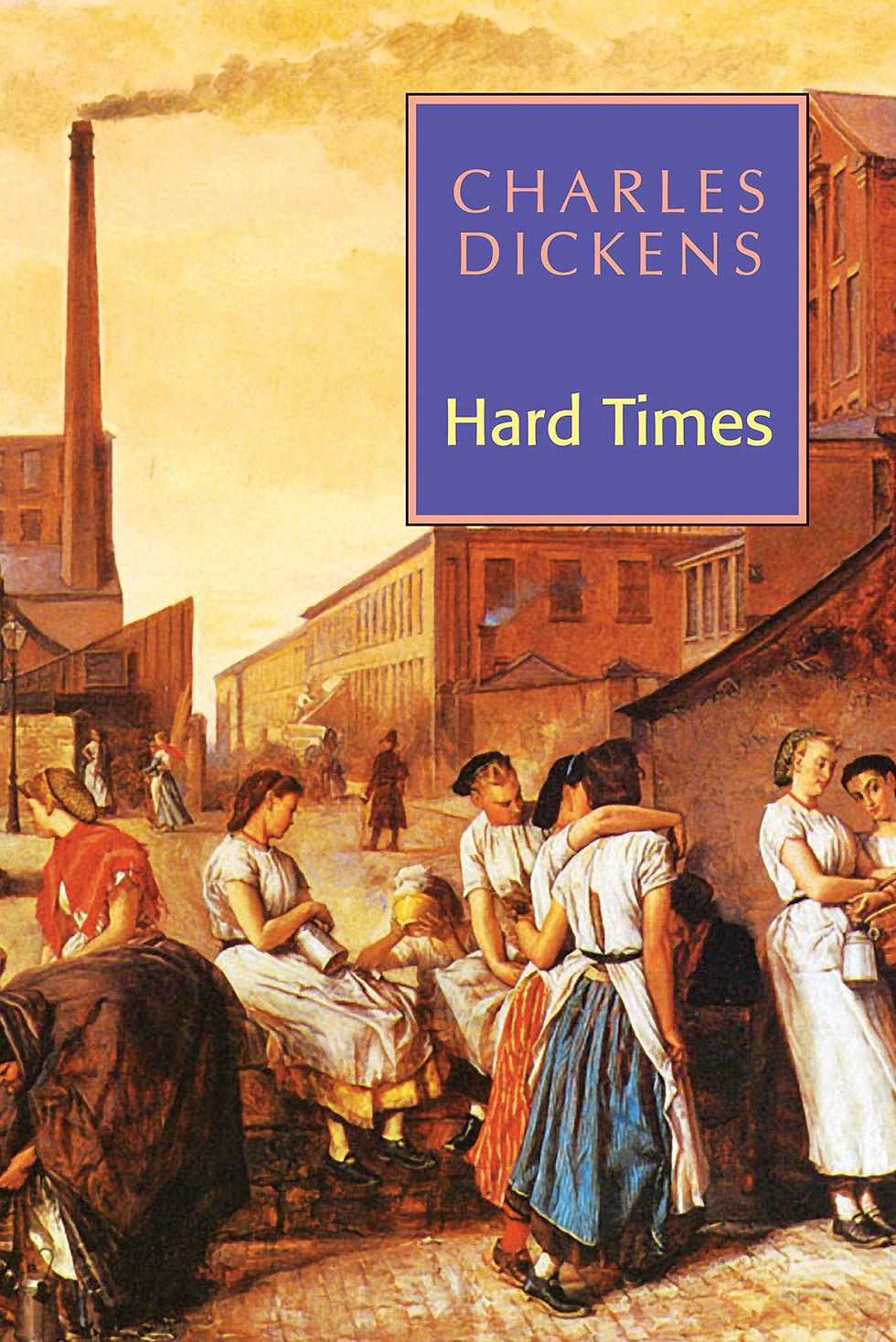
Hard Times is the shortest of Dickens’ major novels, and one of his most direct. Set in the industrial town of Coketown, it attacks an education system and economic culture built around facts, productivity and profit at the expense of imagination, empathy and joy.
Thomas Gradgrind’s attempt to raise his children according to cold logic becomes the novel’s warning. Louisa Gradgrind is especially moving as she realises that a life without emotional freedom is not a life at all. The book is often more like a fable than a realistic social panorama, but its themes remain startlingly relevant.
Why it belongs on the list: A concise, angry and accessible Dickens novel with an urgent critique of dehumanising systems.
Best for: Students and readers looking for a shorter classic with clear social themes.
Where to read: Widely available in print, ebook and audiobook editions.
9. Oliver Twist (1837–1839)
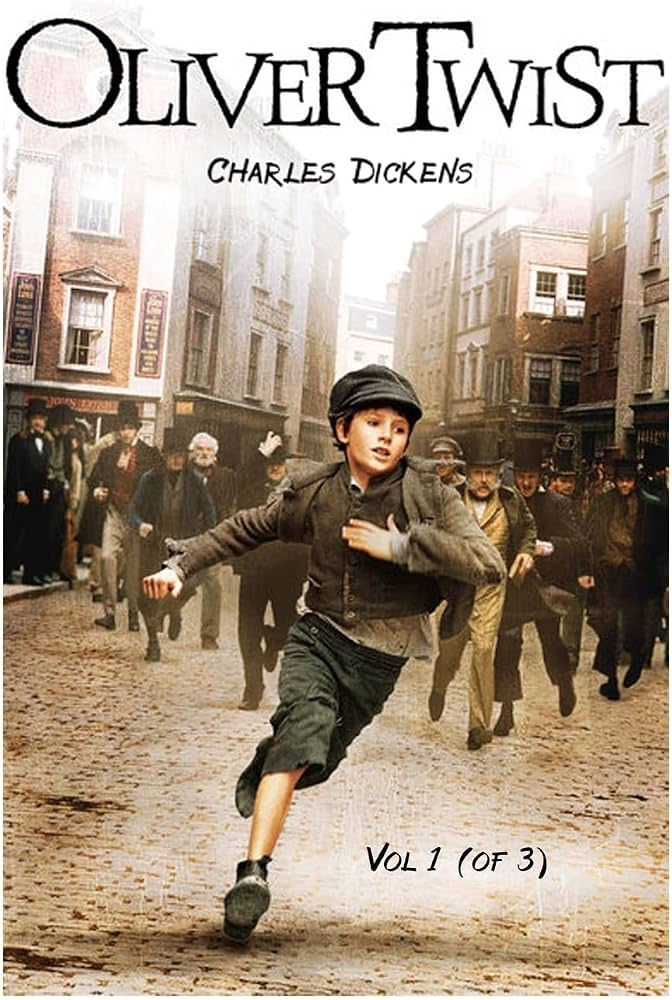
Oliver Twist remains one of Dickens’ most famous books because it gives poverty and childhood vulnerability a human face. Oliver is born in a workhouse, asks for more food and is pushed into a world where adults repeatedly exploit, neglect or try to control him.
Fagin, Nancy, Bill Sikes and the Artful Dodger have become cultural icons, while the novel’s outrage at the workhouse system still lands. Modern readers should also approach Dickens’ antisemitic depiction of Fagin critically. The book’s social conscience is powerful, but that harmful stereotype must be part of any honest discussion.
Why it belongs on the list: A landmark novel of child poverty, exploitation and survival with one of literature’s greatest casts.
Best for: First-time Dickens readers and anyone interested in Victorian London.
Where to read: Widely available in print, ebook and audiobook editions.
8. Dombey and Son (1846–1848)

Dombey and Son is an underappreciated turning point in Dickens’ career. Paul Dombey is a wealthy businessman obsessed with the continuation of his family firm, so focused on his young son that he ignores the love and loyalty of his daughter, Florence.
The novel is about money, pride, grief and the emotional damage caused by treating people as extensions of a business. Florence is one of Dickens’ most sympathetic characters, and the book’s focus on a father’s failure to recognise his daughter’s worth gives it a surprisingly modern emotional force.
Why it belongs on the list: A richer and darker family drama than many readers expect from mid-career Dickens.
Best for: Readers drawn to generational stories, family conflict and overlooked classics.
Where to read: Widely available in print, ebook and audiobook editions.
For another curated reading list, explore 8 Must-Read LGBTQ+ Romance Books Released in 2026.
7. Little Dorrit (1855–1857)

Little Dorrit is Dickens at his most suffocating. Amy Dorrit grows up in the Marshalsea debtors’ prison, where her father is trapped by debt and the family’s entire life becomes shaped by confinement, shame and dependence.
The novel is deliberately vast and slow, mirroring the bureaucratic systems it condemns. Dickens is furious about debt, inherited social privilege and public institutions that appear to function while actually grinding people down. Amy’s quiet compassion keeps the story from becoming entirely bleak.
Why it belongs on the list: A dense, serious masterpiece of social criticism with enormous emotional depth.
Best for: Readers ready for a long, challenging Dickens novel with a powerful political edge.
Where to read: Widely available in print, ebook and audiobook editions.
6. A Tale of Two Cities (1859)
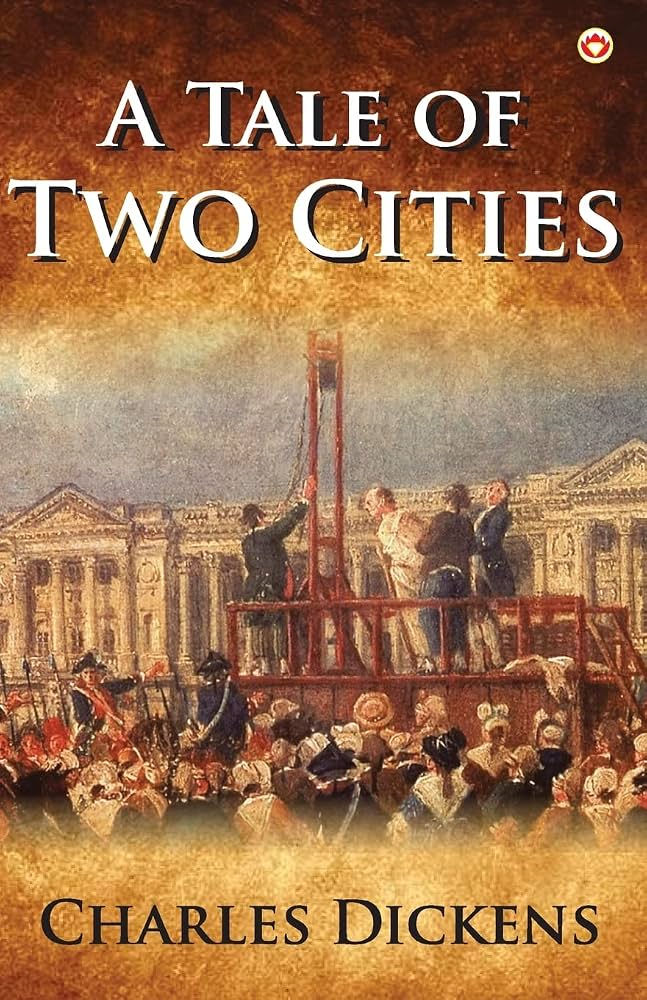
“It was the best of times, it was the worst of times” is an opening so famous that it risks obscuring how good the novel actually is. Set between London and Paris during the French Revolution, A Tale of Two Cities is a story of imprisonment, inherited trauma, class rage and personal sacrifice.
The historical material is more concentrated than in most Dickens novels, giving it a sharp, propulsive pace. The emotional climax belongs to Sydney Carton, whose final choice transforms him from a wasted, cynical figure into one of Dickens’ most memorable heroes.
Why it belongs on the list: A thrilling historical drama with an unforgettable ending and some of Dickens’ most powerful themes.
Best for: Readers who like revolution, romance, suspense and classic tragic heroism.
Where to read: Widely available in print, ebook and audiobook editions.
5. A Christmas Carol (1843)
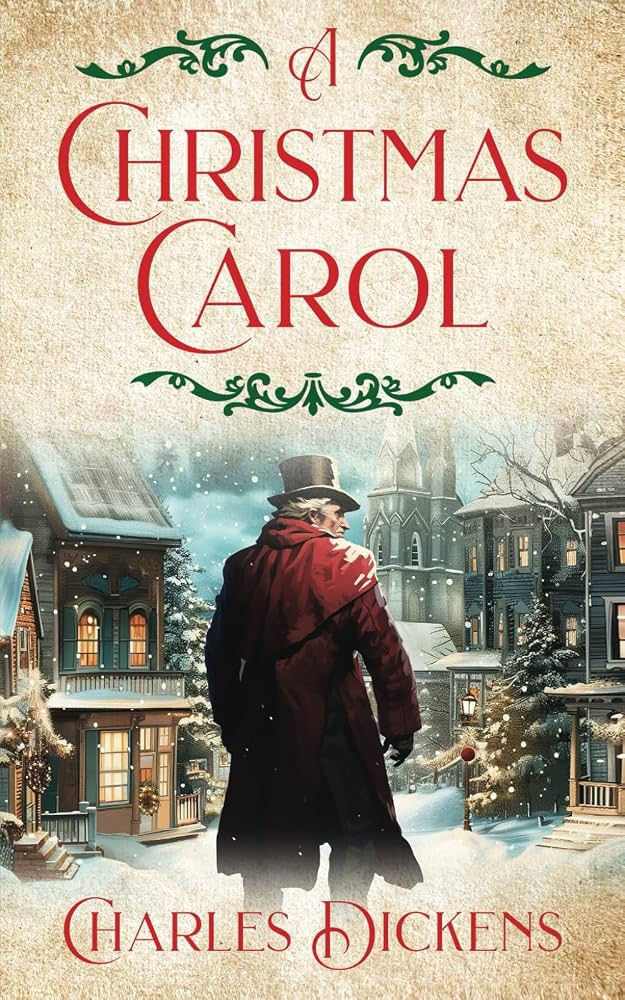
No Dickens book has had a larger effect on popular culture than A Christmas Carol. In a relatively short space, Dickens creates Ebenezer Scrooge, the Ghosts of Christmas Past, Present and Yet to Come, the Cratchit family and a story of moral transformation that has been adapted endlessly.
The novella is warm, funny and deeply angry about poverty. Dickens did not invent Christmas, but his story helped shape the modern cultural image of the holiday as a season of generosity, family and responsibility toward people in need. The Charles Dickens Museum notes that the story was an instant success in 1843 and remains closely associated with Dickens’ legacy.
Why it belongs on the list: The most accessible Dickens book and one of the most enduring stories ever written about change and compassion.
Best for: Everyone, especially readers new to Dickens.
Where to read: Widely available in print, ebook and audiobook editions.
4. Our Mutual Friend (1864–1865)

Dickens’ final completed novel begins with a body pulled from the Thames and expands into a strange, brilliant story about inheritance, social climbing, waste, wealth and the value of human life. Its London is built from dust heaps, river mud, social ambition and people trying to become someone else.
The book is less immediate than Great Expectations, but it is astonishingly rich. Bella Wilfer’s growth is one of Dickens’ finest character arcs, while the novel’s obsession with money and image makes it feel surprisingly modern.
Why it belongs on the list: A dark, inventive late-career masterpiece that rewards readers willing to immerse themselves in its strange world.
Best for: Experienced Dickens readers and fans of literary mysteries.
Where to read: Widely available in print, ebook and audiobook editions.
3. David Copperfield (1849–1850)

David Copperfield is Dickens’ great coming-of-age novel and perhaps his most personal work. David’s life takes him through childhood trauma, factory labour, education, early romance, friendship, disappointment and eventual success as a writer.
The book is packed with extraordinary characters: the wildly optimistic Mr Micawber, the terrifying Uriah Heep, fierce aunt Betsey Trotwood and loyal Peggotty. It is long, but the first-person narration makes David’s story feel intimate, immediate and deeply affecting.
Why it belongs on the list: A huge, immersive novel about childhood, self-invention and the difficult process of becoming an adult.
Best for: Readers who enjoy life-spanning stories and memorable supporting characters.
Where to read: Widely available in print, ebook and audiobook editions.
2. Great Expectations (1860–1861)

Few Dickens novels are as perfectly constructed as Great Expectations. Pip begins as a frightened child on the Kent marshes, encounters escaped convict Magwitch and is later drawn into the strange world of Miss Havisham and Estella.
The novel’s great subject is self-deception. Pip believes becoming a gentleman will make him worthy of Estella, but his ambitions repeatedly blind him to the people who have loved him most loyally. Miss Havisham’s decaying wedding feast is one of the most memorable images in Victorian fiction, but Pip’s painful moral growth is the reason the novel lasts.
Why it belongs on the list: Dickens at his most readable, psychologically sharp and emotionally devastating.
Best for: Almost any reader looking for a first full-length Dickens novel.
Where to read: Widely available in print, ebook and audiobook editions.
Advertise With That Love Podcast
Want to put your book, entertainment brand, streaming service, product, or business in front of readers who love movies, television, books and pop culture?
That Love Podcast offers sponsorship and advertising opportunities across the website, podcast and newsletter.
🎧 Before we reveal our No. 1 pick, you can also discover original romantic audio dramas from That Love Podcast.
1. Bleak House (1852–1853)

Bleak House is the best Charles Dickens book because it contains everything he did best. It is a mystery, a social novel, a satire, a romance, a legal nightmare and a portrait of London as a city full of fog, wealth, sickness and inequality.
At its centre is the endless Chancery case of Jarndyce and Jarndyce, a legal dispute so prolonged that it destroys the lives it is meant to resolve. Esther Summerson’s intimate narration gives the novel warmth, while the omniscient present-tense chapters create a larger, darker portrait of a society that has forgotten how to care for its people.
The novel is long, but no part of it feels accidental. Its characters, from Lady Dedlock to Inspector Bucket to the unforgettable Mr Skimpole, create a world that is both wildly entertaining and morally furious.
Why it belongs at No. 1: Dickens’ most ambitious, complete and artistically daring novel — still funny, devastating and alarmingly relevant.
Best for: Readers ready to discover why Dickens is considered one of the greatest novelists in English.
Where to read: Widely available in print, ebook and audiobook editions.
Work With That Love Podcast
If you're a brand, author, publisher, entertainment company or business looking to connect with an audience that loves movies, television, romance, books and pop culture, we'd love to hear from you.
Discover advertising and sponsorship opportunities here:
You May Also Love
Final Thoughts
Dickens’ best books last because they refuse to separate entertainment from empathy. He can make readers laugh at a ridiculous name, recoil from a villain, get lost in a mystery and then confront the cruelty of a society that treats poor people, children and debtors as expendable.
For a short, unforgettable introduction, start with A Christmas Carol. For the ideal first major novel, choose Great Expectations. And for the full Dickens experience — the humour, the darkness, the anger, the mystery and the immense compassion — Bleak House remains the one to beat.
Frequently Asked Questions
What is Charles Dickens’ best book?
Bleak House is often considered Dickens’ greatest book because of its ambitious structure, memorable characters, social criticism and powerful mystery plot.
What is the easiest Charles Dickens book to read?
A Christmas Carol is the easiest place to start because it is a short novella. Great Expectations and Oliver Twist are the most accessible full-length novels.
What are the top three Charles Dickens books?
A strong top three is Bleak House, Great Expectations and David Copperfield.
Is A Christmas Carol a Dickens novel?
No. A Christmas Carol is a novella, but it is one of Dickens’ most famous and influential books.
Which Dickens book is best for students?
Hard Times, Oliver Twist, A Christmas Carol and Great Expectations are all excellent choices for students because they have clear themes, memorable characters and manageable entry points.
Why is Great Expectations so popular?
The novel combines a gripping plot, memorable characters such as Miss Havisham and Magwitch, and an emotionally relatable story about class, ambition and growing up.
Is Oliver Twist still worth reading?
Yes, though modern readers should read it critically because of Dickens’ antisemitic portrayal of Fagin. Its critique of child poverty and institutional cruelty remains important.
What is Dickens’ longest book?
Bleak House, Little Dorrit and Our Mutual Friend are among Dickens’ longest and most demanding novels, depending on the edition.
Which Dickens book has the best ending?
A Tale of Two Cities is often praised for its unforgettable ending, centred on Sydney Carton’s sacrifice.
Where can I read Charles Dickens books for free?
Because Dickens’ works are in the public domain, many are legally available through Project Gutenberg, Internet Archive and public-library ebook collections.
More Places to Find Great Books and Literary Resources
Enjoyed What You Read?
Subscribe to That Love Podcast’s newsletter for the latest blogs, entertainment recommendations, updates and exclusive giveaways.
And if you know someone who loves books, films, television or pop culture, share the article with them too.
Let’s spread the love together!


.jpg)





.jpg)


