



.jpg)
Sesame-Soy Dumpling Salad Recipe


Introduction
If you have scrolled through Instagram or TikTok in the past few months, you have undoubtedly witnessed the meteoric rise of the "Dumpling Salad." At first glance, it seems almost too simple, perhaps even a bit chaotic. Throwing hot, pan-fried dumplings into a bowl of crisp, cold greens? It challenges our traditional notions of how a dumpling should be served. When I first encountered this trend, I was admittedly skeptical. Having been led astray by viral food hacks before (yes, I am still recovering from the great baked feta pasta incident of 2021), I wondered if this was just another flash-in-the-pan gimmick.
However, the premise was undeniable: take a bag of frozen dumplings—a staple in almost every busy household's freezer—and elevate them from a late-night snack into a vibrant, texturally complex, and genuinely healthy meal. Could this actually be the weeknight dinner salvation I had been searching for?
The answer is a resounding yes. This Sesame-Soy Dumpling Salad is not just a trend; it is a paradigm shift in lazy-yet-luxurious cooking. What makes this specific version unique is the meticulous balance of the dressing and the deliberate contrast of textures. We aren't just tossing soggy boiled dumplings into limp lettuce. We are engineering a masterpiece of crispy, golden-bottomed gyoza resting on a bed of sturdy, shredded wombok cabbage, all brought together by a bold, umami-rich dressing that packs a punch of ginger, garlic, and toasted sesame.
It is the perfect antidote to culinary fatigue. Whether you are battling the sweltering heat of a summer evening and crave something refreshing, or you simply have exactly fifteen minutes to get dinner on the table before chaos ensues, this salad delivers. It is endlessly adaptable, kid-friendly (with a quick dressing hack), and profoundly satisfying. Prepare to look at the humble frozen dumpling in a completely new light.
If you enjoy discovering new recipes and the stories behind them, please consider supporting our work by visiting our donation page at: https://www.thatlovepodcast.com/donate
The Anatomy of the Perfect Dumpling Salad
To understand why this recipe works so spectacularly well, we must break down its components. This is not merely a tossed salad; it is a carefully constructed balance of temperature, texture, and taste.
The Foundation: The Dumplings
The star of the show is, unsurprisingly, the dumpling. The beauty of this recipe lies in its convenience, which means we are using frozen dumplings. You do not need to spend hours folding wrappers to make this dish incredible.
Choosing Your Dumpling: The type of dumpling you choose will dictate the overall flavor profile of the salad. For a lighter, fresher take, vegetable gyoza (like Mushiki or Mr. Chen's) are superb. They often contain edamame, cabbage, and mushrooms, which complement the fresh salad ingredients perfectly. If you crave something heartier, pork and chive or chicken and lemongrass dumplings are excellent choices. The key is to select a dumpling with a relatively thin wrapper, such as a potsticker or gyoza style, rather than a thick, doughy bun.
The Cooking Method: How you cook the dumplings is the single most critical step in this recipe. Boiling or steaming them will result in a soft, slippery texture that gets lost among the crunchy vegetables. We need contrast. Therefore, pan-frying is non-negotiable.
The goal is to achieve a deep, golden-brown crust on the base of the dumpling while ensuring the filling is piping hot and the wrapper is pleasantly chewy. To do this, we employ the "fry-steam-fry" method. First, heat a tablespoon of neutral oil (like canola or grapeseed) in a large non-stick skillet over medium-high heat. Arrange the dumplings in the pan, flat side down. Let them sizzle undisturbed for about two minutes until the bottoms are deeply bronzed and crispy.
Next comes the steaming phase. Carefully pour about half a cup of water into the hot skillet—it will immediately hiss and spit, so stand back! Quickly cover the pan with a tight-fitting lid and reduce the heat to medium-low. This steam bath cooks the filling and softens the upper portion of the wrapper. After about 4 to 5 minutes, the water should be almost entirely evaporated.
Finally, remove the lid and let the dumplings cook for another minute or two. This allows the remaining moisture to cook off, re-crisping the bottoms that may have softened during steaming. The result? A dumpling that is crispy, chewy, and juicy all at once.
If you are a fan of quick, flavorful meals that utilize clever shortcuts, you might also enjoy exploring our collection of food recipes where we celebrate delicious efficiency.
The Crunch: The Salad Base
The vegetables in this salad serve as the crisp, refreshing canvas for the hot dumplings and robust dressing. Because the dumplings are warm and the dressing is heavy on soy and oil, you need vegetables that can stand up to wilting.
Wombok (Napa) Cabbage: This is the ideal base. It is sweeter and more tender than standard green cabbage, yet it retains a fantastic crunch even when dressed. You will need about two cups, finely shredded. If you cannot find wombok, a mix of shredded green cabbage and crisp romaine lettuce works well.
Lebanese (Short) Cucumber: Cucumbers add a burst of hydration and a cooling element that balances the salty soy dressing. Lebanese or Persian cucumbers are preferred because they have a thin skin and fewer seeds, meaning they won't make your salad watery. Slice them into thin half-moons.
The Alliums: Spring onions (scallions) and red onions provide a necessary sharp, pungent bite. Slice the spring onions finely, utilizing both the white and green parts. For the red onion, slice it as thinly as possible. If you find raw red onion too aggressive, soak the slices in ice water for ten minutes before draining and adding them to the salad; this mellows their bite significantly.
The Flavor Bomb: The Sesame-Soy Dressing
The dressing is what elevates this from a bowl of random ingredients into a cohesive, restaurant-quality dish. It is bold, salty, slightly sweet, and packed with umami.
The Ingredients:
3 tbsp Tamari or All-Purpose Soy Sauce: This provides the salty, savory backbone. Tamari is an excellent choice if you require a gluten-free option.
2 tbsp Rice Wine Vinegar: Essential for acidity. It cuts through the richness of the sesame oil and the fried dumplings, brightening the entire dish.
1 tbsp Toasted Sesame Oil: Do not skip this! Toasted sesame oil is deeply aromatic and provides that unmistakable nutty flavor.
1 tsp Freshly Minced Garlic & 1 tsp Freshly Grated Ginger: These aromatics bring a sharp, fresh heat. Always use fresh rather than powdered for this dressing; the difference is night and day.
1 tbsp Brown Sugar: A touch of sweetness is necessary to balance the harshness of the vinegar and soy sauce. Honey or maple syrup can be substituted.
1 tbsp Toasted Sesame Seeds: For texture and visual appeal.
1 tbsp Chilli Oil Crisp (Optional but highly recommended): Brands like Lao Gan Ma have revolutionized home cooking. The chili crisp adds heat, texture, and an incredible depth of flavor.
1 Spring Onion & 2 tbsp Coriander (Cilantro), finely chopped: Adding fresh herbs directly into the dressing ensures the flavor is distributed evenly throughout the salad.
2–3 tbsp Water: This might seem unusual, but it is a crucial chef's trick. The dressing as written is very intense. Adding a little water thins it out, allowing it to coat the salad evenly without overwhelming the palate.
The Method: Whisk everything together in a bowl, adding the water one tablespoon at a time until you reach a consistency that coats the back of a spoon but runs off easily.
Speaking of finding the perfect balance, achieving harmony in the kitchen often mirrors finding harmony in life. If you enjoy stories that explore the delicate balance of relationships and personal growth, you might find our podcast episodes particularly engaging. You can listen to them here: https://www.thatlovepodcast.com/episodes.
Assembly: The Art of the Toss
Timing is everything when assembling the Sesame-Soy Dumpling Salad. You want to bring the components together just before serving to maximize the contrast between the hot, crispy dumplings and the cold, crunchy salad.
In a large, wide serving bowl, combine the shredded cabbage, sliced cucumber, red onion, and half of the spring onions.
Pour about two-thirds of the dressing over the vegetables and toss thoroughly. You want every leaf of cabbage to glisten.
Carefully arrange the hot, pan-fried dumplings on top of the dressed salad. Do not toss the dumplings into the salad aggressively, as you want to preserve their crispy bottoms.
Drizzle the remaining dressing over the dumplings.
Garnish generously with fresh coriander leaves, finely chopped roasted peanuts (for an essential extra layer of crunch), and an extra spoonful of chili crisp if you like it spicy.
Chef’s Tips, Tricks, and Adaptations
Variations and Substitutions
The beauty of a "kitchen sink" style salad is its extreme adaptability. Use what you have in the crisper drawer.
Vegetable Swaps: Shredded carrots add fantastic color and crunch. Blanched green beans, thinly sliced snow peas (mangetout), or a handful of fresh bean sprouts provide excellent textural variations. Thinly sliced radishes offer a peppery bite.
Nut Allergies: If peanuts are off the table, toasted cashews or slivered almonds are excellent substitutes. For a nut-free crunch, try toasted sunflower seeds or crispy fried shallots (often available in Asian grocers).
Herb Variations: If you are one of the many people who possess the gene that makes coriander (cilantro) taste like soap, simply swap it out! Fresh mint or Thai basil will completely change the flavor profile but are equally delicious and authentic to Southeast Asian flavor palates.
The "Kid-Friendly" Dressing Hack
As mentioned in the introduction, bold, chunky dressings are not always a hit with younger palates. My own children declared the garlic and ginger bits "too spicy."
To make this meal family-friendly without cooking two separate dinners, prepare the salad base plain. For the kids, mix a simple, smooth dressing of 1 tablespoon soy sauce, 1 tablespoon rice wine vinegar, and 1/2 teaspoon of sesame oil. Drizzle this lightly over their portion of dumplings and plain veggies. They get the flavor without the overwhelming intensity, and you get to enjoy your chili crisp in peace!
Storage and Reheating
This salad is fantastic for meal prep, provided you store the components correctly.
The Veggies: Shred the cabbage and slice the onions and cucumbers up to three days in advance. Store them in airtight containers in the fridge. Do not dress them until right before eating, or they will turn into a soggy mess.
The Dressing: The dressing can be made up to a week in advance and stored in a glass jar in the fridge. The flavors actually meld and improve over time. Just be sure to give it a vigorous shake before using, as the oil and vinegar will separate.
The Dumplings: While dumplings are best eaten fresh out of the pan, you can cook them ahead of time. Store them in the fridge for up to two days. When you are ready to eat, you have two choices: eat them cold (they are surprisingly good this way in a salad!) or reheat them by tossing them in a hot skillet with a tiny splash of oil for a minute or two until the bottoms re-crisp.
Leftovers: If you have already tossed the salad with the dressing and the dumplings, it will keep in the fridge for about 24 hours. The cabbage will lose its crunch, and the dumpling wrappers will soften, but it will still taste phenomenal. It is not suitable for freezing.
Common Mistakes to Avoid
Watery Dressing: Be careful when washing your salad greens. If your cabbage and cucumber are wet when you add the dressing, the water will dilute the sesame-soy mixture, resulting in a bland salad. Use a salad spinner or pat the vegetables completely dry with a clean tea towel.
Soggy Dumplings: This usually happens during the steaming phase. If you add too much water to the skillet, the dumplings will boil rather than steam, turning the wrappers to mush. Stick to half a cup, and listen to the pan—when the hissing stops, the water is gone, and you need to remove the lid.
Skipping the Sugar: It can be tempting to omit the brown sugar to make the dressing "healthier," but don't do it. The sugar does not make the dressing sweet; it acts as a necessary counterbalance to the harsh acidity of the vinegar and the intense saltiness of the soy sauce. Without it, the dressing will taste flat and aggressive.
The Cultural Context of the Dumpling
While this specific salad is a modern, internet-born creation, the components are deeply rooted in Asian culinary traditions. Dumplings (Jiaozi in Chinese, Gyoza in Japanese, Mandu in Korean) have a history stretching back over 1,800 years. Legend has it they were invented by a Chinese physician during the Han Dynasty to cure frostbitten ears, designing the dough to resemble an ear and filling it with warming herbs and meat.
Today, dumplings are a symbol of wealth and prosperity, commonly eaten during the Lunar New Year because their shape resembles ancient Chinese gold ingots. The act of folding dumplings is often a communal family activity, representing unity and togetherness.
By taking this ancient, revered food and incorporating it into a fast, fresh salad, we are participating in the constant evolution of global cuisine. It is a fusion of convenience culture and traditional flavors, demonstrating that "fast food" can still be nourishing, vibrant, and culturally resonant.
Understanding the history of the food we eat adds a layer of appreciation to every bite. Similarly, exploring the complexities of human relationships can deepen our appreciation for the people in our lives. If you are intrigued by stories of love, connection, and the human experience, we invite you to explore our podcast series, such as That British Love, which delves into these very themes.
Nutritional Breakdown
This Sesame-Soy Dumpling Salad is not only a feast for the taste buds but also a remarkably balanced meal.
Carbohydrates: The dumpling wrappers provide a satisfying source of complex carbohydrates to fuel your evening.
Protein: Depending on your dumpling choice (pork, chicken, or tofu/edamame-based vegetable dumplings), you receive a solid serving of protein, which keeps you feeling full and satisfied. The roasted peanuts also add a plant-based protein boost.
Vitamins and Minerals: The wombok cabbage is an excellent source of Vitamin C and Vitamin K. Cucumbers provide hydration and silica, which is great for skin health.
+1
Healthy Fats: The toasted sesame oil and the peanuts offer heart-healthy monounsaturated fats.
While the sodium content can be high due to the soy sauce and commercial dumplings, you can mitigate this by choosing low-sodium soy sauce (or coconut aminos) and being mindful of the brand of dumplings you purchase.
Conclusion
The Sesame-Soy Dumpling Salad is a rare internet phenomenon that entirely lives up to the hype. It is a masterclass in utilizing pantry and freezer staples to create a meal that feels intentional, fresh, and exciting. By combining the deeply satisfying, savory crunch of pan-fried gyoza with the cooling, vibrant crispness of an Asian-inspired slaw, this recipe solves the perpetual weeknight dinner dilemma.
It requires minimal chopping, utilizes a foolproof cooking method for the dumplings, and features a dressing so good you will want to bottle it and pour it over everything. Best of all, it is fiercely adaptable. Whether you are clearing out the crisper drawer, catering to picky toddlers, or trying to impress a date with a seemingly effortless gourmet bowl, this recipe rises to the occasion.
So, the next time you find yourself staring blankly into the freezer at 6:00 PM, resist the urge to order takeout. Grab that bag of dumplings, whisk together some soy and sesame, and prepare to elevate your evening. Your taste buds—and your schedule—will thank you.

Before we move on to the frequently asked questions, if you are looking for the perfect auditory accompaniment to your dinner prep, tune in to our latest stories. You can find our podcast episodes here: https://www.thatlovepodcast.com/episodes.
And if you love what we do and want to help us keep creating content that celebrates food, love, and life, please consider making a contribution at: https://www.thatlovepodcast.com/donate.
Related Articles from That Love Podcast
Date Night Dinners: 5 Meals to Cook Together - Discover more recipes that are perfect for a fun, interactive evening in the kitchen with your partner.
The Psychology of Comfort Food - Explore why certain foods, like a warm dumpling, evoke such strong feelings of nostalgia and well-being.
Frequently Asked Questions (FAQs)
1. Can I use a different type of vinegar for the dressing? Yes, but rice wine vinegar is preferred for its mild, slightly sweet flavor profile. If you must substitute, apple cider vinegar is the closest match. Avoid white vinegar, as it is too harsh, and balsamic, which will completely alter the flavor.
2. I don't have a non-stick pan. Can I still pan-fry the dumplings? It is riskier, but possible. If using stainless steel or cast iron, ensure the pan is very hot and well-oiled before adding the dumplings. Do not attempt to move them until a solid crust has formed, or the wrappers will tear.
3. Are frozen dumplings already cooked? Most commercial frozen dumplings have raw fillings (especially meat varieties) and must be cooked thoroughly. Always read the package instructions. The fry-steam-fry method ensures the raw filling is cooked to a safe temperature.
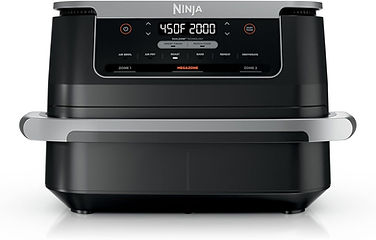
4. Can I air-fry the dumplings instead? Yes! Air-frying creates a very crispy dumpling, though it lacks the chewy texture of the steamed wrapper. Toss frozen dumplings in a little oil and air fry at 375°F (190°C) for 8-10 minutes, shaking the basket halfway through.
5. What is Chilli Oil Crisp and where do I find it? Chilli crisp is a Chinese condiment made of infused oil containing crunchy bits of chili peppers, garlic, soybeans, and spices. Lao Gan Ma is the most famous brand. It is available in the Asian aisle of most major supermarkets or at specialty Asian grocers.
6. Can I make this salad vegan? Absolutely. Ensure you purchase vegetable or tofu-based dumplings. The dressing is already vegan-friendly, as tamari and soy sauce are plant-based.
7. How do I stop my cabbage from going brown after shredding? Wombok (Napa cabbage) is quite sturdy and resists browning better than iceberg lettuce. Store it in an airtight container lined with a dry paper towel to absorb excess moisture, and it will stay fresh and green for days.
8. Is this recipe gluten-free? You must make two adjustments. First, use Tamari instead of standard soy sauce. Second, you must source gluten-free dumplings, as traditional dumpling wrappers are made from wheat flour. Many brands now offer rice-flour wrapper alternatives.
9. Can I serve this warm? The beauty of the dish is the contrast between the hot dumplings and the cold salad. However, if you prefer, you can lightly sauté the cabbage and onions for a minute or two before tossing them with the dressing and dumplings for a warm, wilted salad experience.
10. What can I do with leftover dressing? The sesame-soy dressing is incredibly versatile! Use it as a marinade for chicken thighs, a dipping sauce for spring rolls, or drizzle it over steamed broccoli or roasted sweet potatoes.
External Resources
Serious Eats: How to Cook Frozen Dumplings - A comprehensive, science-based guide to perfecting the fry-steam-fry method.
The Woks of Life: Guide to Asian Greens - An excellent resource for identifying and utilizing vegetables like Napa cabbage in your cooking.


.jpg)






.jpg)


Comments