

10 Things Inside Out 2 Gets Right About Teen Anxiety

Teen anxiety can be difficult to talk about because worry is often invisible until it starts shaping choices, friendships or sleep. Inside Out 2 gives that feeling a bright orange character and a very busy control room, making an abstract experience easier to notice. Riley’s story is still a family adventure, but the arrival of Anxiety changes the movie’s focus to social pressure, fitting in and the uncertainty of becoming a teenager.
This countdown follows your exact order, beginning with self-acceptance at number ten and ending with Anxiety’s protective intention at number one. Each point looks at what the film depicts, why it feels familiar and where its metaphor has limits. We are weighing how clearly a moment reflects teen experience, how useful it can be as a conversation starter and how strongly it supports the story. A lower number on this list does not mean a concern is unimportant; it reflects how specifically the film develops each idea.
Riley is thirteen and preparing for high school when she attends a hockey camp with her two close friends. She hopes to connect with Val Ortiz and other older players, while worrying that she will be separated from the friends she already loves. Anxiety believes that preparation can protect her from rejection and mistakes. Her plan takes control of Headquarters and alters Riley’s sense of self, turning an understandable wish to belong into a source of pressure.
The film’s orange character is not a clinical explanation of anxiety, and the story cannot represent every teenager’s experience. Anxiety can be a normal response to uncertainty, but ongoing distress that interferes with school, sleep, home or friendships deserves real support. We’ll keep the article focused on the film while pointing readers toward the NHS for practical, current information.
One helpful way to use the film is to ask what Anxiety is trying to protect Riley from, then whether her strategy is actually helping. A teenager may welcome a curious conversation more than a quick correction. The NHS recommends listening and avoiding assumptions, and its advice is linked below for readers who need more than an animated story can offer.
The best moments in Inside Out 2 show that a protective feeling can help and overwhelm at the same time. Riley’s mind fills with possible futures, and the film asks whether avoiding every mistake is a realistic way to grow. Pixar’s official Inside Out 2 guide explains the character and story setup; the NHS guide to anxiety in children and young people is a separate source for support. Check the current UK viewing listing for watch options. Let’s get into it 👇
Affiliate disclosure: This article contains Amazon affiliate links. If you sign up or make a qualifying purchase through one of these links, That Love Podcast may earn a commission at no additional cost to you. As an Amazon Associate I earn from qualifying purchases.
Explore more through this Amazon offer.
Support That Love Podcast
Enjoying the recommendations? Your support helps us make more independent entertainment coverage and original audio stories. Donate to That Love Podcast.
That Love Podcast features original romantic audio dramas, comedies and stories. Listen to That Love Podcast.
10. Accepting every part of yourself is healthier than chasing perfection

Image source and credit: Disney / Pixar
At hockey camp, Riley starts imagining the kind of person she needs to become to impress Val and feel ready for high school. Anxiety responds by trying to remove the parts of Riley that might be rejected, pushing the new sense of self toward a polished image. The other emotions see a fuller person: someone who can be kind, awkward, competitive, loyal and uncertain in the same week.
The film’s evolving Sense of Self gives identity a visible form without claiming that a teenager can define herself once and be finished. Riley’s wish to fit in is understandable, but the story shows the cost of treating perfection as the entry fee for friendship. Self-acceptance here does not mean refusing to change; it means not editing away every imperfect part to win approval. That distinction is especially useful in a story about new social groups.
This is tenth because self-acceptance is the broad destination of the film, while the list’s other points focus on the specific pressures that lead Riley there. It belongs above a generic message about popularity because the movie connects it to the actual sense of self Riley is building. It starts the countdown as the largest lesson, then the entries above it show the anxiety, comparison and fear that make that lesson necessary.
Who should watch: For teens who feel they have to become a different person to be accepted.
Where to watch: Check JustWatch UK for current options.
Explore more through this Amazon offer.
9. You cannot completely eliminate anxiety

Image source and credit: Disney / Pixar
Anxiety arrives at Headquarters with lists, plans and the belief that every future risk can be anticipated. She wants Riley to avoid rejection, make the right friends and arrive at high school prepared. The story does not resolve this by pretending worry can simply be deleted. Instead, the emotions have to understand what Anxiety is trying to do and find a way to let her exist without allowing her to run every decision.
That is a more humane idea than treating anxiety as an enemy that must be defeated. The character is overactive and sometimes harmful, but her motive is protection. The film’s metaphor can help viewers name worry, though real anxiety varies widely and may need support beyond a movie conversation. The NHS notes that many young people worry at times, while persistent anxiety that interferes with everyday life may need professional help.
This ranks ninth because it is an important caution about the story’s metaphor rather than its most fully dramatized emotional discovery. It beats perfection as a practical reading of the ending: the goal is not to erase a feeling, but to create a healthier relationship with it. It sits below friendship and identity because those are the immediate stakes Riley experiences at camp.
Who should watch: Useful for families who want to discuss worry without labelling a young person as the problem.
Where to watch: Check JustWatch UK for current options.
8. Negative self-talk can become powerful

Image source and credit: Disney / Pixar
As Anxiety’s plans take over, Riley’s Sense of Self becomes tied to a list of judgments about the person she must be. Those beliefs affect how she sees herself during camp and how she reacts when she thinks she has made a mistake. The film represents the process as a system of ideas growing inside Riley’s mind, so viewers can see that an inner voice is influencing the choices she makes outside it.
The visual metaphor is simple, but it captures how one harsh thought can begin to sound like a fact when repeated. Riley is not defined by a single anxious belief, even when it feels powerful in the moment. The story also shows why reassurance is more useful when it recognises a real fear instead of dismissing it. A film can open this conversation, but persistent negative thoughts that affect everyday life deserve attention from trusted adults or professionals.
It takes eighth place because the film gives self-talk a memorable visual role, though the point is less developed than Riley’s social fears and Anxiety’s overplanning. It ranks above perfection because it identifies the internal messages that drive the pursuit of it. It remains below identity because the changing Sense of Self is the broader framework for understanding how those thoughts become part of Riley’s view of herself.
Who should watch: For viewers who want language for the difference between a mistake and the story you tell yourself about it.
Where to watch: Check JustWatch UK for current options.
7. Teen identity becomes more complicated

Image source and credit: Disney / Pixar
Riley enters the sequel as a thirteen-year-old whose world is expanding beyond the original emotions’ familiar routines. She is still the girl her friends and family know, but high school, hockey and new friendships are changing how she imagines herself. Pixar’s story guide describes Riley’s Sense of Self as rapidly changing. At Headquarters, the incoming emotions force the original team to confront the fact that one established identity cannot cover every new situation.
That transition is one of the film’s sharpest observations about adolescence. Riley does not simply replace her childhood self with a more mature one; she adds new interests, fears and social goals to a personality still taking shape. The movie gives that idea a glowing visual system, making a complex process understandable to young viewers. Its metaphor has limits, but the feeling of being unsure which version of yourself will show up is recognisable.
Identity ranks seventh because it underpins the whole sequel, but the more concrete points above it show the specific ways that uncertainty appears in Riley’s life. It beats self-talk because it provides the larger context for changing beliefs. It sits below rejection and impression management, which give the abstract idea immediate social consequences at the hockey camp.
Who should watch: A strong entry for teenagers who feel different around family, old friends and new classmates.
Where to watch: Check JustWatch UK for current options.
6. Fear of rejection can affect friendships

Image source and credit: Disney / Pixar
Riley wants to keep her two close friends, but she learns they will attend another school and begins to worry about being left behind. At camp she also wants Val and the older players to like her. Anxiety reads those changing relationships as a high-stakes test, encouraging Riley to act in ways she thinks will protect her place. The conflict comes from wanting new acceptance without losing the people who already matter.
The film understands that friendship worry is not only about being popular. It can involve loyalty, distance, uncertainty and the fear that a new connection will replace an old one. Riley’s hopes are normal, but Anxiety makes the stakes feel absolute. That makes the camp story easy to follow: one social moment appears to threaten Riley’s entire future. The movie’s humour gives the pressure room to breathe without suggesting that it is imaginary to the person feeling it.
This reaches sixth because it links anxiety to relationships viewers care about and gives Riley’s decisions emotional stakes. It ranks above identity because the friendship tension makes the changing self visible in particular scenes. It stays below the top five because the film develops fitting in, mistakes and overthinking as even more direct examples of how that fear influences Riley.
Who should watch: For teens navigating changing friend groups, new schools or the feeling of being on the edge of a group.
Where to watch: Check JustWatch UK for current options.
You May Also Like
If the film’s characters have you in the mood for more animated stories, family dynamics and teen-focused viewing, explore these verified guides:
5. Trying to impress people can change how you act

Image source and credit: Disney / Pixar
At hockey camp, Riley meets Val, a confident older player she admires, and sees an opportunity to impress someone who may influence her high-school future. Anxiety studies what Val’s group values and pushes Riley to copy those signals. The desire to make a good first impression is ordinary, but Riley’s choices begin to move away from the person her old friends recognise. That gap becomes part of the emotional conflict.
The film captures how social performance can creep into ordinary decisions. Riley is not being dishonest because she is cruel; she is afraid that being herself might not be enough. The hockey setting gives the issue a clear goal and a visual rhythm, while the console shows how quickly a plan can become a performance. Many viewers will recognise the feeling of rehearsing what to say before entering a new room.
This takes fifth because the camp provides specific, engaging examples of anxiety changing behaviour. It beats friendship fear by showing the actions that grow from it, but sits below overthinking and small mistakes because those reveal the internal cycle more directly. The point earns a top-five place for making the social pressure understandable without turning Riley into a simple cautionary tale.
Who should watch: For anyone who has tried to copy a group’s style or personality just to make a smoother first impression.
Where to watch: Check JustWatch UK for current options.
🎧 Taking a break from the screen? Discover original romance, comedy and drama stories from That Love Podcast. Explore the latest episodes.
Advertise With That Love Podcast
Want to put your book, entertainment brand, streaming service, product or business in front of readers who love movies, television, books and pop culture? We offer sponsorship and advertising opportunities across the website, podcast and newsletter. Learn more.
4. Overthinking can take over quickly

Image source and credit: Disney / Pixar
Anxiety does not focus only on what Riley is doing at hockey camp; she projects possible outcomes into the future and tries to prepare for all of them. She builds plans around the idea that one wrong choice could cost Riley a friendship or a place with Val’s group. The new emotion thinks several steps ahead, filling Headquarters with lists and warnings. Riley’s immediate situation becomes crowded by things that have not happened yet.
The movie turns overthinking into a busy machine, which is funny and recognisable at once. It shows how planning can start as a helpful attempt to be ready, then consume the present when every possibility feels urgent. Real anxiety is not always so neat or visible, and the film is not a treatment guide. Still, the contrast between living the camp experience and rehearsing its possible failures gives viewers a clear way to discuss rumination.
This ranks fourth because it is the most visually inventive part of Anxiety’s character and a strong engine for the plot. It sits above impression management by showing how worry keeps generating new demands even after Riley has made a plan. It stays outside the top three because fitting in and seemingly small mistakes make the stakes more personal and immediate.
Who should watch: For viewers who recognise the exhausting habit of replaying conversations or forecasting every outcome.
Where to watch: Check JustWatch UK for current options.
3. Small mistakes can feel enormous

Image source and credit: Disney / Pixar
Riley arrives at camp wanting to play well and make a strong impression. When something does not go perfectly, Anxiety treats the moment as evidence that Riley may fail socially or disappoint the people she wants to impress. The film shows the emotional system reacting far beyond the size of the immediate mistake. A minor setback becomes linked to high-school hopes, friendships and Riley’s developing picture of herself.
That emotional magnification is familiar to many teenagers: an awkward comment or missed opportunity can feel like it will define the whole day. Inside Out 2 makes the scale visible through the console and Riley’s shifting sense of self. It does not say every worry is trivial; it lets the audience understand why a small event can feel large when belonging matters. Adults watching with teens can use that distinction to listen rather than measure the reaction from the outside.
This earns third place because the film makes the disproportion between event and feeling especially clear, and the idea connects directly to Riley’s fear of judgment. It ranks above overthinking because viewers see a concrete trigger rather than only the mental planning around it. It sits below fitting in and Anxiety’s protective motive, which explain why these mistakes carry such weight.
Who should watch: For teenagers and adults who remember one awkward moment taking over their thoughts for hours.
Where to watch: Check JustWatch UK for current options.
Explore more through this Amazon offer.
2. Teenagers worry about fitting in
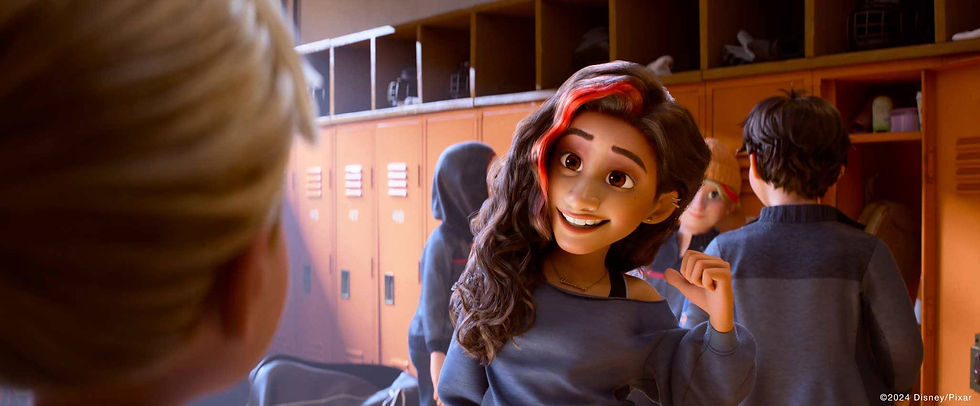
Image source and credit: Disney / Pixar
Riley is on the cusp of high school and wants to belong with the older hockey players she admires. Her close friends remain important, but she also worries that they will drift apart when they attend different schools. Anxiety views the camp as a rehearsal for Riley’s future social life and pushes her toward choices designed to secure acceptance. The sequel frames fitting in as a powerful desire rather than a shallow wish for popularity.
That makes Riley’s conflict specific and compassionate. She is juggling new friendships, an old bond and the idea that other people’s approval might determine who she becomes. The film’s humour softens the pressure without denying it. The NHS also identifies school and social situations as common sources of worry for children and teenagers, while encouraging adults to listen without assumptions. That real-world context is useful alongside the film’s metaphor.
This ranks second because fitting in is the clearest social question driving Riley’s camp decisions. It outranks mistakes and self-talk by connecting many smaller worries to one understandable wish for belonging. Anxiety’s protective intention takes the top position because it explains the full emotional mechanism behind that wish, but fitting in is the human concern that makes the plot resonate.
Who should watch: Especially relatable for teens entering a new school, team or friendship group.
Where to watch: Check JustWatch UK for current options.
🎧 Before we reveal our No. 1 pick, discover original romantic audio dramas from That Love Podcast. Listen here.
1. Anxiety often tries to protect us

Image source and credit: Disney / Pixar
Anxiety appears at Headquarters determined to prepare Riley for every possible negative outcome. She believes that thinking ahead can stop rejection, mistakes and future disappointment. With high school approaching, she focuses on Riley’s place among the hockey players and the friends she may soon be separated from. Her plan changes how the other emotions operate and pushes Riley toward a version of herself designed to prevent harm.
This is the film’s strongest insight because it gives Anxiety a comprehensible motive without presenting every action as helpful. The character wants Riley to be safe and accepted; the problem is the belief that control can guarantee either outcome. Pixar’s description of Anxiety stresses her lists, plans and drive toward perfection, matching the story’s visual language. The NHS likewise describes anxiety as a natural response to stress while distinguishing everyday worry from persistent problems that affect daily life.
It takes number one because it holds the whole sequel together: the new emotion’s protective goal launches the conflict, powers the comedy and makes Riley’s eventual self-understanding matter. Fitting in is the immediate fear, but protection explains why Anxiety acts so urgently. The lesson beats the rest because it offers compassion and a necessary limit at once—understand what worry wants, while recognising that it cannot make every choice for us.
Who should watch: A thoughtful starting point for families discussing worry, safety and when to seek more help.
Where to watch: Check JustWatch UK for current options.
Work With That Love Podcast
If you are a brand, author, publisher, entertainment company or business looking to connect with an audience that loves movies, television, romance, books and pop culture, discover our advertising and sponsorship opportunities.
Conclusion
Inside Out 2 works as a teen story because it understands that pressure can arrive disguised as preparation. Anxiety wants to protect Riley from rejection and mistakes, but the film shows how a useful instinct can become exhausting when it imagines the future as a series of tests Riley must pass perfectly.
The most relatable points are social: fitting in, impressing people and worrying that a small error will define you. The movie connects those moments to a developing identity, showing how one belief can sound powerful while still being only one part of a person. Its broader suggestion is not that teenagers should stop worrying by choice. It is that feelings can be heard without being handed complete control.
Anxiety ranks first here because she is the character through whom the sequel explores both compassion and limits. She is not a villain to erase, but her good intention does not make every plan healthy. That is a thoughtful foundation for a conversation, especially when paired with reliable support. If anxiety is persistent or affecting daily life, the NHS guidance linked above can help families decide what to do next. Which part of Riley’s story felt most familiar to you? Share your thoughts and what you think the film handled best.
You May Also Like
If the film’s characters have you in the mood for more animated stories, family dynamics and teen-focused viewing, explore these verified guides:
Support That Love Podcast
If you enjoyed this guide and want to support more independent entertainment coverage and original audio storytelling, donate to That Love Podcast.
Looking for something new to listen to? Listen to That Love Podcast.
You May Also Like
If the film’s characters have you in the mood for more animated stories, family dynamics and teen-focused viewing, explore these verified guides:
Explore more through this Amazon offer.
Frequently Asked Questions
What does Inside Out 2 get right about teen anxiety?
The film shows how worry can begin with a wish to protect Riley and then grow into overplanning, social pressure and fear of mistakes. It also recognises that fitting in matters to her. The story is a metaphor, not a clinical guide, and real anxiety can look different for each person.
Is Anxiety the villain in Inside Out 2?
Anxiety is the main opposing force in much of the story, but she is not written as evil. She wants Riley to be prepared and accepted. The trouble comes when her plans take over the other emotions and Riley’s choices. That sympathetic conflict is central to the film’s message.
Does Inside Out 2 accurately portray anxiety?
It offers a memorable metaphor, not a medical description. Real anxiety can involve different thoughts, feelings and physical responses, and persistent distress may need professional help. The NHS provides guidance for parents and young people; the film can support conversation but cannot diagnose or treat anyone.
Why does Riley worry about fitting in?
Riley is thirteen, facing high school and attending a hockey camp where she hopes to impress older players. She also learns that her close friends will attend a different school. Those changes make belonging feel urgent and give Anxiety a specific future to try to control.
What is Riley’s Sense of Self in Inside Out 2?
The film imagines Riley’s beliefs about herself as a developing Sense of Self. As she enters adolescence, new experiences and relationships influence how she thinks about who she is. It is a visual story device rather than a literal psychological structure.
Can small mistakes feel bigger during adolescence?
Inside Out 2 depicts Riley interpreting social setbacks through the high stakes she attaches to camp, friendship and high school. Many people recognise how a mistake can loom large when they fear judgment, though experiences vary. The film presents this in a comic metaphor rather than making a clinical claim.
How can I talk to a teenager about anxiety?
The NHS advises parents to listen carefully, avoid assumptions and not dismiss a young person’s worries. Ask open questions about what is bothering them and consider speaking with a GP or school when anxiety is persistent or affects everyday life. The film may help begin a conversation, but it is not a substitute for support.
Is Inside Out 2 appropriate for teenagers?
Yes, it is an animated film centred on a teenager’s social and emotional world. Families may find its themes useful for discussing friendship, pressure and identity. Viewers should remember that the story simplifies feelings for comedy and storytelling.
Who voices Anxiety in Inside Out 2?
Maya Hawke voices Anxiety. Pixar describes the character as highly organised and focused on preparing Riley for possible negative outcomes. The performance gives the emotion a restless comic energy while preserving her protective motive.
Where can I watch Inside Out 2 in the UK?
Current subscription, rental and purchase listings may change. Check the JustWatch UK link in this article for up-to-date options. For advice about anxiety in children and teenagers, use the separate NHS link rather than relying on the film.
More Places to Find Great Movies and TV Shows
The official Pixar page and Disney’s film page provide studio information. IMDb is useful for cast and release details, while Rotten Tomatoes gathers reviews and JustWatch UK checks current viewing options.
Enjoyed What You Read?
Subscribe to That Love Podcast’s newsletter for new articles, entertainment recommendations, podcast updates and exclusive giveaways. If you know someone who loves animation, family films or pop culture, share this guide with them too. Let’s spread the love together!
Explore more through this Amazon offer.