





Greta Van Fleet’s Palace for the People Review – Arena Rock With a Human Pulse

Introduction
Greta Van Fleet have never been shy about making rock music feel enormous. Palace for the People, released October 9, 2026, arrives with a 13-song, 58-minute frame and the kind of title that suggests grand architecture, big ideas and even bigger guitar tones. The question is whether the band’s fourth studio album uses that scale to move somewhere new, or whether it simply builds another impressive room inside a sound listeners already know.
The answer is a bit of both. Produced by Mike Elizondo, the album carries the band’s familiar appetite for classic-rock drama: expressive lead guitar, Josh Kiszka’s high, elastic vocal, and arrangements that are willing to rise toward the arena ceiling. Yet some of the most revealing moments are quieter. “Boughten Bliss” leans on acoustic guitar and lush strings, “Lost in the Golden” gallops forward with a more direct rock charge, and “Saw You Stand” begins with an opening figure associated with Burt Bacharach and Hal David’s “Anyone Who Had a Heart” before developing in the band’s own direction.
That range makes Palace for the People a more interesting listen than a simple return to bombast. The record can still feel familiar, and at 58 minutes it occasionally asks its ideas to carry more weight than they can. But the album also shows a band interested in texture, melodic shape and the human feeling underneath its theatrical gestures. Jake Kiszka’s comments about guitar colours and acoustic textures are borne out in the arrangements: this is not wall-to-wall distortion, even when the songs aim for a large silhouette.
If you already love Greta Van Fleet, there is a lot here to enjoy, particularly when the band lets a melody or a change in dynamics lead. If you have bounced off the group because their influences can feel too visible, this album probably will not rewrite your mind in one sitting. It does, however, offer enough variation to make its best songs feel less like a tribute exercise and more like a group trying to build its own vocabulary from familiar materials.
This review looks at how the album’s sequencing works, where its performances reach beyond the expected, and which songs make the strongest case for the band’s next chapter. The short version: Palace for the People is a confident, often satisfying rock record whose ambition is more compelling when it makes room for intimacy. So, is it worth the full 58 minutes? Let’s get into it.

Support That Love Podcast
Enjoying the reviews and recommendations? You can help support That Love Podcast and keep independent entertainment coverage and original storytelling going.
Donate to That Love Podcast: https://www.thatlovepodcast.com/donate
If you enjoyed this, check out: Twin Atlantic: Separation from the Animals Album Review — https://www.thatlovepodcast.com/post/twin-atlantic-separation-from-the-animals-album-review
Want to Reach Entertainment Fans?
If you’re a brand, author, publisher, streaming company, entertainment business or creator looking to reach an engaged audience, That Love Podcast offers advertising opportunities across the website, podcast and newsletter.
Find out more: https://www.thatlovepodcast.com/advertise-with-us
What Is Palace for the People?
Palace for the People is Greta Van Fleet’s fourth studio album, a 13-track rock release produced by Mike Elizondo. Rather than build a narrative concept with a plot, the album moves through emotional and sonic scenes: a beginning that announces scale, songs about desire and self-possession, stretches of guitar-led momentum, and reflective passages that give the record a more human centre.
The opening track, “Into the Beginning,” serves as a threshold into the album’s theatrical world. “Tear It Down” follows with a more forceful, direct approach, while “Heart and the Beat” and “Boughten Bliss” broaden the emotional palette. Later, “Field of Stars,” “Play Your Games” and “Dreams You Hold” continue the record’s movement through romance, ambition and uncertainty. The final run — including “Heya,” “Call My Own” and “Born into This” — turns increasingly toward atmosphere and dramatic resolution.
The title suggests a shared space, but the songs are less about a literal palace than the emotional architecture people build around desire, belonging and expectation. That reading is supported by the album’s contrasts. “Boughten Bliss” strips the sound toward acoustic guitar and strings; “Lost in the Golden” moves with a galloping rock pulse; “Saw You Stand” begins with a recognisable pop-soul reference before opening into a larger arrangement. The record is interested in what happens when intimacy and spectacle share the same stage.
Greta Van Fleet’s identity remains central. Josh Kiszka’s distinctive vocal sits above Jake Kiszka’s guitar work, with Sam Kiszka’s bass and keyboard contributions and Danny Wagner’s drumming helping the arrangements expand and contract. The appeal is the band’s commitment to scale; the risk is that familiar classic-rock language can sometimes overshadow the group’s own ideas. Palace for the People spends much of its runtime negotiating that tension.
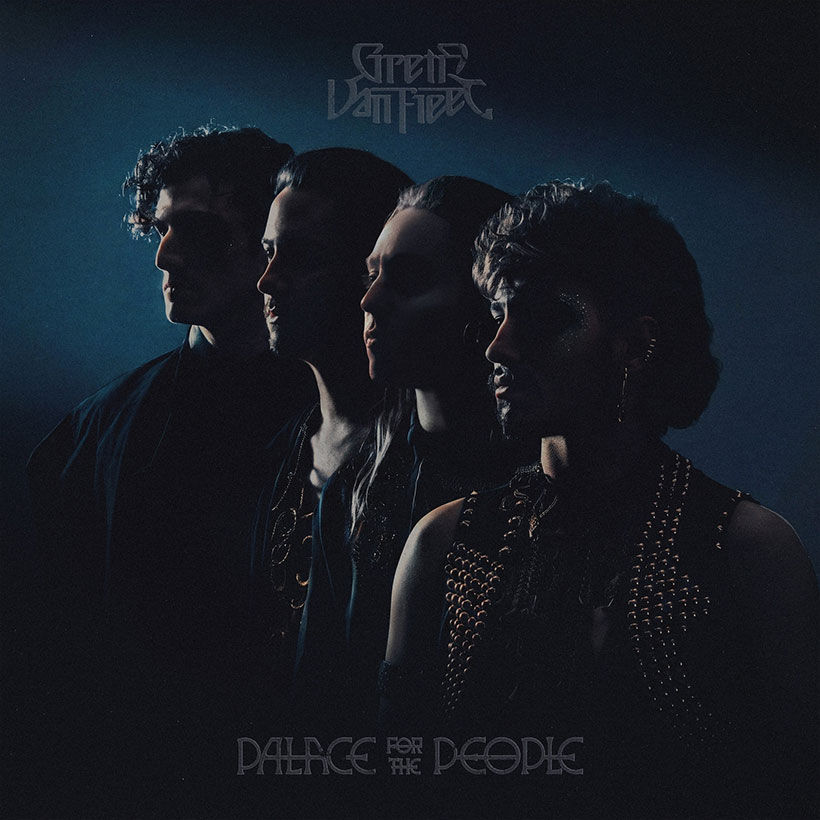
Album Tracklist
1. Into the Beginning
2. Tear It Down
3. Heart and the Beat
4. Boughten Bliss
5. Field of Stars
6. Play Your Games
7. Dreams You Hold
8. Lost in the Golden
9. Touch Again
10. Saw You Stand
11. Heya
12. Call My Own
13. Born into This
The Album’s Structure and Flow
At 58 minutes, Palace for the People is long enough to create an immersive world and long enough to expose any repeated gestures. The opening stretch establishes the album’s dramatic vocabulary quickly. “Into the Beginning” announces that the band is thinking in large shapes, and “Tear It Down” gives the listener a more muscular entry point. “Heart and the Beat” then shifts toward melody and mood, helping the first section feel like a sequence rather than three versions of the same opening statement.
“Boughten Bliss” is a crucial early contrast. Its acoustic guitar and lush strings reveal a softer side of the production, and that change of scale makes the louder songs more effective when they return. This is a lesson the record understands at its best: heaviness is more powerful when a song has shown you what quiet can sound like. The track does not abandon the band’s sense of drama; it redirects it toward detail and atmosphere.
The middle portion has a few places where the pacing loosens. Some songs rely on the same familiar build from restrained verse to full-band release, and a 58-minute album could use sharper editing between those gestures. Even when the performances are committed, a repeated dynamic arc can become predictable. The tracklist is strongest when a song changes its shape in a meaningful way rather than merely growing louder.
The later songs help restore momentum. “Lost in the Golden” supplies a galloping rock charge, while “Saw You Stand” uses its opening reference point to create a distinctive bridge between older pop songwriting and the band’s own widescreen approach. “Born into This,” with its orchestral interludes and miniature rock-opera design, ends the record on an intentionally dramatic scale. The finale is memorable, although its ambition is more convincing as a closing scene than as a model for every song.
The sequence therefore succeeds through contrast, not consistency of volume. The acoustic and atmospheric passages make the bombast feel less automatic, while the larger songs remind the quieter ones that they belong to a rock album with real physical energy. A shorter version might have been tighter, but the current flow does build a world worth spending time in.
The Band’s Performances
Josh Kiszka remains one of the most immediately recognizable voices in contemporary rock. His high register can turn a melodic line into a dramatic event, and he knows how to push a sustained note toward theatricality without making every song sound identical. The album benefits when he pulls back. A more controlled phrase or a breath between lines can feel more affecting than another full-volume vocal summit, because restraint lets the listener hear the person inside the persona.
Jake Kiszka’s guitar work is a major part of the album’s character. Palace for the People uses a broad palette of tones, from acoustic texture to the more muscular lead sound expected from the band. That variation is important because it gives the songs individual shapes. The guitar does not simply provide a familiar classic-rock stamp; on the stronger arrangements it becomes a storyteller, changing the emotional temperature of a section before the lyric has to explain anything.
Sam Kiszka’s bass and keyboard work gives the arrangements width, while Danny Wagner’s drumming supplies the drive that keeps the bigger tracks grounded. When the rhythm section locks into a groove, the album’s theatrical details become easier to enjoy because the songs have a physical centre. The band sounds most convincing when it performs as a unit rather than treating every track as a platform for a single spectacular gesture.
The limitation is that the vocal and instrumental signatures can sometimes reinforce the band’s familiar comparisons. A towering vocal, a bluesy guitar flourish and a large chorus may be enjoyable on their own, but repeating that combination can make the group’s influences more audible than its new ideas. The quieter production choices help counter this. They show that the band can communicate without reaching for maximum scale every time.
What Works Best on Palace for the People
The album’s strongest quality is its dynamic range. “Boughten Bliss” makes the case for acoustic guitar and lush strings, allowing the listener to hear intimacy as a deliberate artistic choice rather than a pause before the next big riff. That softer colour changes the context of the album around it. The more forceful tracks feel larger because they are no longer the only emotional register available.
“Lost in the Golden” succeeds through momentum. Its galloping rock movement gives the album a clear forward push, and the track feels built for a room full of people without relying entirely on volume. The rhythm and guitar line do the work of carrying the listener along. It is an example of the band’s arena instincts being useful: scale becomes a communal feeling rather than a decorative layer.
“Saw You Stand” is another highlight because it begins from a specific musical reference and then develops beyond recognition. The opening nod to “Anyone Who Had a Heart,” written by Burt Bacharach and Hal David, provides an unexpected doorway into the song. The band’s arrangement uses that familiar melodic memory as material, not as a substitute for an idea. The shift gives the track a distinct identity inside an album that can otherwise lean on familiar structures.
The production has a persuasive sense of craft. Elizondo helps the band shape the arrangements around different textures, and the album does not treat classic-rock scale as an excuse to leave every instrument at full blast. Acoustic details, orchestral colours and atmospheric passages keep appearing. These choices make the record feel more considered than a simple attempt to recreate the band’s live volume in studio form.
Finally, the album has conviction. Even when a song does not entirely land, the band plays as though the feeling behind it matters. That commitment suits music built around romantic and existential intensity. Palace for the People wants to be earnest, and in a culture that often rewards detachment, that directness can be refreshing when the songwriting gives it a strong enough foundation.
What Doesn’t Quite Work
The album’s length is its clearest structural problem. Fifty-eight minutes is manageable, but several songs use familiar build-and-release patterns that make the middle feel longer than the runtime suggests. The issue is not that the band repeats a sound; repetition is part of rock music’s pleasure. It is that some tracks do not add enough variation to justify their full stretch, especially when the same emotional crescendo has already appeared elsewhere on the record.
There are also moments when the band’s influences remain too visible. Greta Van Fleet have spent much of their career working in conversation with classic rock, and Palace for the People does not fully escape that conversation. A vocal flourish or guitar figure can sound like a signpost toward the past rather than a discovery made in the present. The band is most distinctive when it brings in acoustic colour, unusual melodic movement or an arrangement decision that changes the expected shape.
Some lyrical ideas feel less specific than the music surrounding them. The album is clearly reaching for big themes — desire, identity, belonging and the stories people tell about themselves — but grand titles and large arrangements can create expectations that a lyric does not always meet. When the words stay broad, the listener may hear the drama more than the thought. A few sharper details could have made the emotional stakes feel more personal.
These issues do not make the album a failure; they keep it from becoming the definitive leap forward its ambitions promise. The record has several strong songs and a more varied palette than a straight-ahead hard-rock return, but its most familiar choices still outweigh its boldest ones across the full sequence.
A Closer Track-by-Track Listen
“Into the Beginning” is a telling opening title because it promises a beginning while acknowledging that the band arrives with history. Greta Van Fleet are not introducing themselves from a blank page; every new album is heard in the context of what came before and of the classic-rock tradition that shaped them. Starting with a threshold rather than a straightforward single lets the band establish a dramatic space. The track’s job is to ask the listener to enter that world, and the rest of the album gradually reveals whether it can make the invitation feel fresh.
“Tear It Down” is among the album’s more direct early gestures. Its title suggests dismantling, but the interesting question is what the song wants to clear away: a personal barrier, an inherited expectation or simply the restraint of the opening track. The forceful rock approach gives the phrase physical momentum. It works because it follows the album’s scene-setting beginning with a clearer surge of energy. The contrast helps the opening run feel purposeful, even if the band’s familiar dramatic vocabulary is already easy to recognize.
“Heart and the Beat” points toward a familiar rock subject — feeling rendered through rhythm — but its place in the sequence gives it a larger role. It helps connect the opening announcement to the more varied middle section, where the album starts to explore smaller textures and new moods. The title sounds almost like a compact definition of the band’s appeal: emotion and pulse are meant to work together. The track is most effective when the groove supports the vocal rather than simply serving as a platform for the next crescendo.
“Boughten Bliss” is one of the album’s clearest departures from its heavier image. Acoustic guitar and lush strings change the emotional scale, giving the song a more reflective atmosphere. It is important that this is not treated as a disposable interlude. The quieter arrangement asks the listener to hear vulnerability as a full part of Greta Van Fleet’s identity. Its presence also improves the songs around it by creating contrast. When a record makes room for softness, the later electric passages can feel chosen rather than automatic.
The word “boughten” in the title adds an uneasy note to “Boughten Bliss.” It hints at a happiness that may be acquired, packaged or temporary, which sits neatly beside the song’s softer musical surface. The contrast between an apparently gentle arrangement and a title that complicates bliss makes the track more intriguing than a generic ballad. It does not need to spell out a complete thesis; the mismatch between sound and word gives the listener something to consider. This is the kind of small conceptual detail that helps an album’s quieter song feel memorable.
“Field of Stars” expands the album’s imagery outward. A field is open ground; stars make that ground feel immense and distant. In a record already drawn to theatrical scale, the title fits the band’s instinct to connect personal emotion with a vast setting. That can be effective when the melody gives the image a human centre. The danger is that cosmic language can become abstract if a song does not offer a specific feeling beneath it. The album’s best use of this kind of imagery is when the arrangement keeps the listener close to the voice.
“Play Your Games” introduces a more skeptical phrase into an album that often sounds earnest. The title suggests performance between people, and that makes it a useful counterpoint to the grander declarations elsewhere. Relationships involve roles, tests and the stories each person tells about the other. A rock song can make that tension feel immediate through its delivery, even when the lyric stays broad. The track’s contribution to the sequence is tonal: it adds suspicion and friction, preventing the album’s emotional world from becoming uniformly romantic or heroic.
“Dreams You Hold” turns attention toward ambition and the private obligations that come with it. The phrasing suggests a dream is not simply something you have, but something you keep carrying. That idea aligns with the band’s own long relationship to scale and expectation. The song can therefore be heard as a reflection on persistence as much as aspiration. Its success depends on whether the performance makes the sentiment feel earned. When Kiszka’s vocal leans into feeling without overplaying it, the song’s broad language gains a more personal edge.
“Lost in the Golden” is a strong title for one of the album’s more energetic moments. “Golden” can mean beautiful or valuable, but being lost in it suggests that abundance can also disorient. The song’s galloping rock movement gives that phrase a physical counterpart: the track presses forward with enough momentum to make the listener feel carried along. This is one of the album’s most immediately satisfying combinations of title, rhythm and scale. It offers the kind of forward motion that a long record needs in its later stretch.
“Touch Again” signals a return, whether emotional or physical, and the title changes how the listener hears the surrounding sequence. Palace for the People frequently moves between distance and closeness, between the wide-open arrangements and more intimate subject matter. A phrase about touching again brings the focus back to contact. That shift is valuable on a record with so much theatrical space. It reminds the listener that the music’s grand settings are ultimately built to hold ordinary human needs: recognition, reassurance and the wish to be close to someone.
“Saw You Stand” is especially interesting because its opening figure draws on Burt Bacharach and Hal David’s “Anyone Who Had a Heart.” That reference gives the song a recognizable point of departure before the band develops it into its own arrangement. The choice is more persuasive than a simple quotation because the song uses a memory of pop songwriting to create a different scale and emotional direction. It reveals a band willing to make its influences part of the composition, not just part of its image. The result is one of the record’s more distinctive structural moments.
The “Saw You Stand” opening also clarifies what influence can do when handled thoughtfully. A familiar melodic shape can invite the listener in, but it cannot carry the whole song. The arrangement must then give the reference a new purpose. Here, the transition toward a larger Greta Van Fleet sound creates a sense of transformation. The song becomes a conversation across eras, with the original inspiration present but not allowed to dictate every choice. That is a more interesting relationship with classic pop and rock history than simple imitation.
“Heya” sounds like a compact exclamation, and its placement late in the tracklist helps lift the energy before the album’s final stretch. A song can perform a structural job even if it is not the deepest lyric on the record. This one acts as a moment of renewed motion, reminding the listener that the album is still a rock record meant to move air and bodies. Its contribution becomes more apparent in sequence than in isolation, where the title’s brevity might make it seem like a minor piece.
“Call My Own” takes a different path, using atmosphere rather than a straightforward full-band charge. The title carries a desire for agency: to name something, claim it or recognize it as one’s own. That idea fits the album’s broader negotiation between inherited influence and personal identity. The quieter sonic approach supports the theme because it gives the voice and texture more room. The song is a useful late-album pause, though a listener who wants every track to build toward a huge chorus may find it less immediate.
“Born into This” closes the record with the design of a miniature rock opera, including orchestral interludes. That is a fitting finale for an album that has spent much of its runtime thinking in large gestures. The title suggests inheritance and circumstance, themes that resonate with the band’s relationship to its musical influences. The orchestral framing creates a sense of culmination, but the best part is not sheer size; it is the way the ending gathers the album’s dramatic language into one final scene. It feels intentionally staged without being merely ornamental.
The last track also makes a useful distinction between being born into a tradition and being trapped by it. Greta Van Fleet clearly inherit a rock vocabulary from earlier generations, but inheritance does not have to mean repetition. The album’s most inventive moments happen when it handles that vocabulary as material it can reshape. “Born into This” does not solve the band’s influence problem, but it gives the album a satisfying way to acknowledge the question. Its ending is both a conclusion and an admission that the conversation continues.
Taken together, the track titles form a loose movement from arrival to disruption, desire, ambition, distance and inheritance. They do not create a strict concept narrative, and the review should not pretend they do. But the recurring language of beginnings, dreams, touch, games and ownership does give the sequence a thematic vocabulary. The music moves between those ideas rather than arranging them as chapters in a plot. That looseness is appropriate for a rock album whose main story is emotional and sonic, not literal.
The album’s strongest tracks also demonstrate the value of contrast. A quiet acoustic arrangement can make a later guitar-led rush feel more forceful. An unexpected Bacharach and David reference can make a subsequent rock expansion feel less predictable. An atmospheric song can create a pause before a theatrical finale. These choices are not just ornaments; they are part of the album’s pacing. The record feels most alive when it remembers that a listener needs changes in scale to appreciate scale itself.
There is a case for shortening the tracklist, but the additional songs also make the album’s world more legible. A shorter album might have had sharper momentum; the full 13 tracks allow the band to show more sides of its sound. The question is whether those sides are distinct enough. Some are, particularly when acoustics, orchestral colour or a new melodic reference changes the track’s character. Others land closer to the familiar template. That unevenness is the source of both the album’s generosity and its occasional drag.
The album also asks the listener to accept a high level of earnestness. There is little interest in undercutting the drama with irony. That can feel exposed in an era when many artists protect themselves with distance, but earnestness alone does not guarantee emotional power. It has to be matched by precise writing and choices that feel personal. Palace for the People reaches that balance in its most restrained moments. When it relies on broad declarations, the same sincerity can feel less specific than the band intends.
As a guitar record, Palace for the People succeeds when the instrument changes the emotional direction of a song. Jake Kiszka’s palette includes acoustic textures as well as larger electric tones, and that range prevents the album from being a single long showcase of volume. A guitar part can establish a mood before the vocal enters, or provide a counterpoint to the lyric. Those details are more revealing than technical display for its own sake. They suggest a band thinking about how sound can carry meaning.
The rhythm section keeps the album from floating away into its own grandeur. Big vocals and orchestral gestures require a stable pulse underneath them; otherwise, the songs can feel like effects without movement. Bass and drums give the dramatic arrangements a centre of gravity, especially in the tracks that lean into a galloping rock feel. When the pulse is clear, the listener can feel the song in the body before interpreting its larger images. That physical grounding is essential to the album’s best moments.
The recurring tension between public spectacle and private feeling is what makes the title Palace for the People worth considering. A palace usually suggests privilege and distance, while “for the people” suggests openness and shared ownership. The phrase contains a contradiction, and the album’s best songs explore it by moving between grandeur and intimacy. The weaker songs lean more heavily on the grand side, where the arrangement can overshadow the person at the centre. That reading gives the record a useful interpretive thread without forcing it into a rigid concept.
Ultimately, this is a record for listeners who enjoy hearing a band work through its influences in public. Greta Van Fleet are not hiding the classic-rock lineage that informs them, and Palace for the People makes no claim to erase it. The album is most exciting when the band adds a new texture or structural idea to that lineage. It is less exciting when the listener can predict the next vocal lift or guitar flourish. Both tendencies are present, which is why the album feels like a step forward without being a full arrival.
You’ll Also Love
For more thoughtful album coverage, read Kodaline: We Were Only Young Album Review — https://www.thatlovepodcast.com/post/kodaline-we-were-only-young-album-review
Advertise With That Love Podcast
Want to put your music, series, book, entertainment brand, product or business in front of readers who love television, music, books and pop culture? That Love Podcast offers advertising and sponsorship opportunities across the website, podcast and newsletter.
Find out more: https://www.thatlovepodcast.com/advertise-with-us
The Band, Its Influences and Its Relationships
A band review is also a review of the relationships that make a group sound like itself. Palace for the People depends on the chemistry among the Kiszka brothers and Wagner: the lead vocal and guitar can reach for theatrical heights because bass, keys and drums keep the songs connected to a shared pulse. When that balance is strong, the music feels like four musicians listening and responding rather than one frontman backed by a large arrangement.
The group’s relationship with classic rock is more complicated. Influence can be a source of vocabulary, but it can also become a shadow. Greta Van Fleet are at their most convincing when they use familiar ingredients to express a new detail, such as the quieter acoustic textures on “Boughten Bliss” or the unusual opening reference in “Saw You Stand.” Those moments suggest a band that can respect its musical history without treating it as a set of instructions.
The album’s title and its recurring emotional scale also suggest a tension between public image and private feeling. “Palace” implies grandeur, while the record’s most affecting moments often arrive when the arrangement becomes smaller. That contrast makes the album’s better songs feel human. They recognize that confidence and vulnerability are not opposites, and that a dramatic persona can still leave room for uncertainty.
The band does not explain every relationship or idea in detail, and that openness can make some lyrics feel indistinct. But the performances communicate a real investment in the songs. The musicians sound committed to each other’s instincts, and that mutual trust allows the record to move between big rock gestures and gentler passages without losing its identity.
Sound, Production and Atmosphere
Palace for the People is built around contrast between electric force and acoustic detail. The guitar tones can stretch toward a wide, old-school rock image, while acoustic guitar and orchestral strings introduce a different kind of space. The album’s sound is not simply vintage; its production uses those colours to create changes in scale. A listener moves from a crowded, amplified room to a more private setting and back again.
The production’s most effective choice is to let arrangements breathe. “Boughten Bliss” uses acoustic guitar and strings to create a clear contrast with the heavier material. “Call My Own” takes a more atmospheric path, while “Born into This” uses orchestral interludes to make its rock-opera design feel intentional. Those choices show that the band and producer understand how texture can build drama without another guitar solo.
The 58-minute length gives the album room to establish a world, and its sequencing creates a steady movement from announcement to release. But the atmosphere can become too uniform when a song returns to the same scale of crescendo. At those moments, the record’s polished production emphasizes the similarity rather than hiding it. A tighter edit could have made the remaining songs hit with greater force.
Still, the album sounds most like itself when it combines old and new instincts. The music can carry the spectacle of classic arena rock while using contemporary production clarity and quieter arrangement choices. Its best moments feel less like an imitation of a concert and more like a studio album that has considered how each instrument should affect the listener.
Themes: Ambition, Belonging and the Private Self
Palace for the People is interested in the stories people construct around desire and belonging. Its language often reaches for large symbols, and the music gives those symbols an appropriately expansive setting. The challenge is making the scale feel personal. The album succeeds when a broad theme is anchored by a specific musical moment: a guitar line that turns tender, a vocal that holds back, or a section that trades power for space.
There is also a tension between performance and sincerity. Greta Van Fleet are a theatrical rock band, and their songs often sound built to be seen as much as heard. Yet the record’s softer tracks suggest that the spectacle works best when it reveals something vulnerable underneath. The listener does not need the band to abandon its dramatic side; it needs the drama to lead somewhere emotionally specific.
The title’s idea of a palace shared by people can be read as a question about community. What kind of space does music create, and who gets to feel at home inside it? The album’s biggest grooves offer a communal answer, while its quieter passages suggest that belonging is also an interior experience. Those two scales — arena and individual — create the most compelling thread through the record.
The record does not always push these ideas as far as its title implies. Some lyrics remain broad, and the arrangements sometimes supply more grandeur than the underlying thought can support. But the album’s attention to contrast points toward a more compelling version of this conversation, one where the band’s theatrical identity and its quieter instincts strengthen each other.
Is Palace for the People Worth Listening To?
Yes, with a little patience for the album’s length and familiar influences. Palace for the People is a strong choice for listeners who enjoy melodic hard rock, guitar-forward arrangements and vocals that embrace full theatrical scale. If you already follow Greta Van Fleet, the new emphasis on acoustic colour and atmosphere gives you a few different corners to explore.
The album also suits listeners who like hearing a record as a sequence rather than a playlist of singles. “Boughten Bliss,” “Lost in the Golden,” “Saw You Stand” and “Born into This” show different sides of the band, and their contrast gives the album its most rewarding arc. Listening in order helps the quieter moments reshape the bigger ones.
If classic-rock comparisons have been your main reason for avoiding the group, this album may not be the one that changes everything. The band still works within a recognizable vocabulary, and some of its choruses and crescendos feel familiar. Listeners who want a radically new direction or tightly edited modern rock may find the 58-minute running time and broad lyrical language frustrating.
I would recommend it as a satisfying, not definitive, album. It has enough musical detail to reward a full listen, and its best moments suggest a band capable of making its own version of arena rock. Save it for a time when you can hear the whole sequence; its quieter passages matter as much as the loudest hooks.
Where to Listen to Palace for the People
Palace for the People was released October 9, 2026 through Republic and Lava Records and is available through official music services, including Apple Music. Streaming availability varies by territory and service. Official listing: https://music.apple.com/us/album/palace-for-the-people/6793709908
Work With That Love Podcast
If you’re a brand, author, publisher, entertainment company or business looking to connect with an audience that loves movies, television, music, books and pop culture, we’d love to hear from you.
Explore advertising and sponsorship opportunities: https://www.thatlovepodcast.com/advertise-with-us
Final Verdict
Greta Van Fleet’s Palace for the People is a confident rock album with more going on than its grand title and familiar influences initially suggest. The full-band songs still reach for arena-sized release, but the moments that stay with me are often the ones that make the room smaller: acoustic guitar, strings, atmospheric space and a vocal that does not need to climb every mountain.
The album’s weakness is that it sometimes mistakes scale for development. At 58 minutes, repeated build-ups and broad lyrics make the middle less focused than it could be. A shorter tracklist might have made the standout songs feel even more decisive, and a few more lyrical specifics would have helped the album’s large themes hit home.
Still, there is real pleasure in hearing the band broaden its palette. “Boughten Bliss” gives the record a needed tenderness, “Lost in the Golden” brings its most immediate forward motion, and “Saw You Stand” shows how a recognizable reference can become part of a new arrangement. The result is not a complete reinvention, but it is a meaningful refinement.
⭐ Review Score: 7.5/10 — A dramatic, well-played rock album that finds its most original voice when it pairs arena ambition with acoustic intimacy.
Conclusion
Palace for the People makes its strongest argument through contrast. The album wants to fill a room, but it understands that a quieter guitar or a held-back vocal can make the biggest chorus feel more human. That balance gives Greta Van Fleet’s fourth studio album a more varied character than a simple return to familiar rock grandeur.
The record could be tighter, and some of its themes remain larger than the details used to express them. Even so, the best songs show a band refining its own voice from a vocabulary it did not invent. That distinction matters: influence is unavoidable, but the choices a group makes with it are what turn a reference into an identity.
If you’ve heard the album, tell me which track best represents the band’s next chapter and whether the quieter moments changed how you heard the bigger songs. I’d love to know your score and what you think the record leaves room for next.
Donate to That Love Podcast: https://www.thatlovepodcast.com/donate
Listen to That Love Podcast: https://www.thatlovepodcast.com/episodes
You May Also Love
Keep exploring music reviews from That Love Podcast:
Blossoms’ Songs from the Wedding Cake Album Review — https://www.thatlovepodcast.com/post/blossoms-songs-from-the-wedding-cake-album-review
Bloc Party: Anatomy of a Brief Romance Album Review — https://www.thatlovepodcast.com/post/bloc-party-anatomy-of-a-brief-romance-album-review
Twin Atlantic: Separation from the Animals Album Review — https://www.thatlovepodcast.com/post/twin-atlantic-separation-from-the-animals-album-review
Johnny Marr: The Age of Everything Album Review — https://www.thatlovepodcast.com/post/johnny-marr-the-age-of-everything-album-review
Frequently Asked Questions
Is Palace for the People worth listening to?
Yes, particularly for listeners who enjoy melodic hard rock, big guitar arrangements and a band willing to move between arena scale and quieter acoustic passages. The album is not a full reinvention, and some songs repeat familiar structures, but its strongest tracks show a broader palette and rewarding dynamics.
When was Palace for the People released?
Greta Van Fleet released Palace for the People on October 9, 2026. The album is the band’s fourth studio album and was produced by Mike Elizondo.
How many tracks are on Palace for the People?
The standard album listing contains 13 tracks and runs for approximately 58 minutes. Track and edition details can vary slightly by territory or format, so check the official music-service listing where you live.
Who produced Palace for the People?
Mike Elizondo produced Palace for the People. The production supports a wide palette that includes electric rock arrangements, acoustic guitar, strings and atmospheric passages.
What genre is Palace for the People?
The album is primarily rock, drawing on hard rock and classic arena-rock traditions. It also uses acoustic and orchestral textures that broaden its sound beyond a continuous run of heavy guitar songs.
What is the best song on Palace for the People?
“Boughten Bliss” is one of the album’s most revealing songs because its acoustic guitar and lush strings offer a softer counterpoint to the bigger rock tracks. “Lost in the Golden” is a strong choice for listeners seeking a more direct, galloping rock song, while “Saw You Stand” stands out for its distinctive opening reference.
Is Palace for the People Greta Van Fleet’s first album?
No. It is the band’s fourth studio album, following their earlier full-length releases. The band’s official site and current streaming listings provide the latest catalogue information.
What is the running time of Palace for the People?
The album runs for about 58 minutes across 13 tracks, making it a substantial but manageable full-album listen.
Where can I stream Palace for the People?
The album is available through official streaming services, including Apple Music. Availability can vary by region, so check the service listing in your country.
What should I listen to after Palace for the People?
If you want more Greta Van Fleet, revisit the band’s earlier albums to hear how its sound has developed. For more rock album coverage, That Love Podcast has reviews of Twin Atlantic, Bloc Party, Blossoms and Johnny Marr.
More Places to Find Music and Album Information
For album reviews, artist interviews and rock news, consult established music publications such as Louder, Guitar World, Rolling Stone, NME and Billboard. Official artist and streaming-service pages are the best place to confirm credits, release information and listening options.
Official Greta Van Fleet site: https://gretavanfleet.com/
Apple Music album listing: https://music.apple.com/us/album/palace-for-the-people/6793709908
Guitar World interview: https://www.guitarworld.com/artists/guitarists/jake-kiszka-greta-van-fleet-palace-for-the-people-interview
Enjoyed What You Read?
Subscribe to That Love Podcast’s newsletter for the latest reviews, recommendations, entertainment news, updates and exclusive giveaways. If you know someone who loves movies, television, music, books or pop culture, share this article with them too. Let’s spread the love together!
Listen to That Love Podcast: https://www.thatlovepodcast.com/episodes




.jpg)





.jpg)


