





10 Church-Style Home Decor Looks


There is an undeniable magic in stepping off a busy, chaotic street and into the hushed, reverent stillness of a centuries-old building. The air feels cooler, the light filters through intricate glass in jewel-toned beams, and the sheer scale of the architecture immediately centers the mind. In an increasingly overstimulating world, it is no surprise that homeowners are turning to ecclesiastical architecture and sacred space decor to transform their modern residences into peaceful retreats. The "Sanctuary" aesthetic has rapidly evolved from a niche architectural salvage hobby into a dominant force in interior design, taking over mood boards with its blend of history, drama, and profound tranquility.
Church-style home decor is not about recreating a literal place of worship, but rather capturing the profound emotional resonance of chapel style interiors. From the soaring heights of cathedral ceilings to the grounded, historical weight of reclaimed church pews, this design movement embraces both the moody gothic decor of the Victorian era and the pared-back serenity of monastic interior design. Whether you live in a genuine church conversion home or a contemporary apartment craving a touch of historical gravitas, integrating antique religious artifacts and gothic revival furniture can instantly elevate your space.
In this comprehensive guide, we will explore the ten most captivating ecclesiastical decor trends. We will delve into how to balance heavy, ornate brass candle holders with soft, modern textiles, and how to use stained glass decor to paint your rooms with light. Prepare to embrace the neo-gothic home trends that are redefining luxury and comfort.
If you love creating spaces that nurture the soul and want to support our mission of sharing inspiring lifestyle and relationship content, please consider donating here: https://www.thatlovepodcast.com/donate
Explore More From That Love Podcast
Before we dive into the grand world of ecclesiastical design, take a moment to explore these related articles designed to help you build a beautiful, loving, and deeply connected life:
10. The Reclaimed Church Pew as Dining or Entryway Seating

Starting off our list at number ten is perhaps the most iconic and accessible piece of rustic church decor: the reclaimed church pew. As older religious buildings are modernized or decommissioned, thousands of these beautifully crafted, solid wood benches make their way into the architectural salvage market. Integrating a church pew into your home introduces immediate historical weight, incredible durability, and an unmatched storytelling element to your daily living space.
The Aesthetic and Vibe: A traditional oak, mahogany, or pine church pew brings a sense of communal gathering to a space. When used as dining seating—often placed on one side of a long, rustic farmhouse table—it encourages closeness and shared meals. The high backs, often featuring subtle gothic or traditional chapel aesthetics with carved paneling or hymnal racks, draw the eye upward and anchor the room. In an entryway or mudroom, a pew serves as a striking, functional drop-zone that establishes a reverent, welcoming tone the moment guests step through the front door.
How to Style It: The key to styling church pew dining seating or entryway benches is softening the inherent rigidity of the wood. Left bare, a pew can look austere and feel uncomfortable for extended sitting. Counteract the hard lines by layering long, custom-made linen cushions in neutral tones like oat, charcoal, or muted sage. Drape a chunky knit throw or an authentic sheepskin over the backrest to introduce texture and warmth. If the pew still has its original hymnal holders on the back, use them to display vintage books, dried floral arrangements, or even small, trailing potted plants.
Color Palettes: To highlight the rich patina of the reclaimed wood, surround the pew with a monastic interior design color palette. Think warm, plaster-textured walls in alabaster or limestone, paired with matte black or forged iron fixtures to ground the space.
Call to Action: Ready to hunt for your own piece of history? You can often find stunning reclaimed pews at local architectural salvage yards, or browse curated selections from vintage sellers on Chairish or Etsy.
For more on cultivating a home full of warmth and conversation, tune into our latest podcast episodes here: https://www.thatlovepodcast.com/episodes
9. Gothic Arch Mirrors and Architectural Window Frames

Coming in at number nine is a design element that instantly shifts the architectural geometry of a standard, boxy room: gothic arch mirrors and repurposed arched window frames. The pointed arch is the defining characteristic of gothic architecture, originally engineered to distribute weight and allow cathedrals to reach soaring heights toward the heavens. By bringing this shape into your home, you introduce a sense of verticality, grace, and spiritual elevation.
The Aesthetic and Vibe: Modern gothic interior design heavily relies on the pointed arch to break up the monotony of right angles. A massive floor mirror featuring a gothic arch frame can make a standard living room or bedroom feel like a palatial estate. The shape inherently draws the eye upward, mimicking the experience of looking toward a cathedral ceiling. When these mirrors feature distressed wood or antiqued iron mullions (the vertical bars dividing the glass), they add a layer of historical romanticism that feels both elegant and slightly mysterious.
How to Style It: A large gothic arch mirror is best used as a focal point. Lean it against a focal wall in your sanctuary style bedroom to reflect natural light and visually double the space. Alternatively, source genuine, antique arched window frames from architectural salvage yards. Even without glass, these frames can be mounted on the wall as sculptural art. You can weave dried eucalyptus or ivy through the wooden panes, or place a grouping of staggered pillar candles in front of the frame to create a mesmerizing, flickering altar effect during the evening.
For more tips on setting the perfect mood in your bedroom with lighting and mirrors, check out our guide on 12 Valentine's Day Outfit Ideas To Copy For Your Date Night—because your environment should look just as good as you do!
Color Palettes: Gothic arches pair beautifully with deep, moody gothic decor. Consider backdrop walls painted in rich, saturated hues like emerald green, deep navy, or aubergine. These dark colors allow the reflective surface of the mirror or the weathered texture of the window frame to truly pop.
You can easily find modern reproductions of gothic arch mirrors that fit any budget. Explore the extensive collections available on Wayfair or browse Amazon for quick delivery options to immediately elevate your space.
8. Antique Brass Altar Candlesticks and Heavy Candelabras

At number eight, we focus on the smaller details that carry an immense visual impact: antique brass altar candlesticks and grand floor candelabras. In traditional church settings, fire is a symbol of the divine presence, illumination, and prayer. Translating this into home decor brings a sacred, contemplative warmth to your dining room, mantelpiece, or coffee table.
Related Article:
Creating a Sacred Space at Home: Integrating Faith and Decor If you are drawn to the tranquility of altar decor, you will love our deep dive into making your home a true haven. Discover how the physical elements of your house can support your spiritual and emotional well-being by reading 10 Inspirational TV Shows for Easter Reflection, which perfectly complements a quiet evening lit only by candelabras.
The Aesthetic and Vibe: There is a specific weight and patina to genuine church brass. Ornate brass candle holders, especially those that were used as vintage altar decor, often feature intricate detailing—such as clawed feet, etched crosses, or twisted columns. They exude an undeniable neo-gothic home trend aesthetic. A cluster of towering, heavy brass candlesticks dripping with melted wax looks effortlessly romantic and slightly undone, perfectly capturing the "Dark Academia" and gothic revival furniture movements.
How to Style It: The secret to styling ecclesiastical brass is asymmetry and abundance. Instead of placing two perfectly matched candlesticks on either end of a mantel, cluster five or seven candlesticks of varying heights in the center of a dining table or on a vintage sideboard. Use high-quality, beeswax taper candles in unexpected colors like deep burgundy, black, or natural honey. Allow the wax to drip and pool slightly to create that lived-in, centuries-old aesthetic.
Call to Action: Skip the modern reproductions and hunt for the real deal. Scour local antique fairs, flea markets, or browse the vintage collections on eBay for authentic brass altar pieces that carry true history.
7. Stained Glass Suncatchers and Transom Windows

Taking the seventh spot is the most vivid and colorful aspect of church-style home decor: stained glass. Historically, stained glass windows were used in cathedrals not just for their breathtaking beauty, but to tell theological stories to congregations. Today, integrating stained glass decor into a modern home is a surefire way to infuse your space with dynamic, shifting color and an artisanal, bespoke atmosphere.
The Aesthetic and Vibe: Stained glass interacts with its environment in a way that no other decor item can. As the sun moves across the sky, a stained glass panel projects brilliant, jewel-toned light across your floors and walls, changing the mood of the room hour by hour. It brings a sense of awe and artistic reverence, perfectly aligning with religious motif decor and spiritual home design. Whether it is a traditional geometric pattern, a sprawling floral motif, or an intricate religious scene, stained glass demands attention.
How to Style It: You don't need to undergo a massive renovation to enjoy this look. If replacing a window isn't feasible, hunt for antique stained glass panels that have been framed in wood and equipped with hanging chains. Suspend these panels in front of existing, clear windows using heavy-duty hooks. They act as magnificent suncatchers and provide instant privacy without sacrificing light. For a more integrated look, installing custom stained glass in smaller, high-up spaces—like transom windows above doors or small bathroom windows—adds a profound touch of ecclesiastical architecture at home without overwhelming the room.
To learn more about the fascinating history of architectural stained glass and how it is being preserved in modern design, explore this comprehensive guide by Architectural Digest.
Support independent artisans and glassmakers who keep this ancient craft alive. Commission a custom piece or purchase ready-made suncatchers from talented creators on Etsy.
6. Cathedral Ceilings with Exposed Wooden Trusses

At number six, we move from decorative accents to a major architectural feature: the cathedral ceiling with exposed wooden trusses. If you are building a new home, renovating, or living in a space that already boasts high ceilings, maximizing this vertical space is the ultimate way to achieve a chapel style interior.
The Aesthetic and Vibe: The term "cathedral ceiling" itself is derived from the soaring, inverted V-shape of classic church roofs. This design draws the eye upward, creating a sense of expansiveness, breathability, and grandeur. When you expose the structural wooden trusses—or install decorative beams to mimic the look—you add incredible warmth and rustic church decor appeal. It balances the overwhelming height with grounded, earthy materials, resulting in a cathedral style living room that feels both majestic and deeply cozy.
How to Style It: If your home already has vaulted ceilings, strip any white paint off existing beams and stain them a rich, dark walnut or leave them as raw, weathered oak. The contrast between crisp white ceiling drywall and dark, heavy timber is a hallmark of gothic revival furniture and architecture. To further emphasize the height, install dramatic, oversized church style lighting (which we will cover more in-depth in item number two) that drops down from the center apex of the trusses.
Call to Action: If you don't have natural trusses, you can fake the look brilliantly with lightweight faux wood beams. Browse the extensive options and installation kits available at The Home Depot.
5. The Monastic Minimalist Bedroom

Entering the top five, we explore a look that contrasts the heavy ornamentation of gothic decor with profound simplicity: the monastic minimalist bedroom. Monastic interior design draws inspiration from the austere, disciplined, and deeply peaceful living quarters of monks and nuns. In a world full of noise, turning your bedroom into a literal sanctuary style bedroom focused entirely on rest, prayer, and quiet contemplation is a radical act of self-care.
For a weekly dose of peace, love, and inspiration, make sure you are subscribed to our podcast! Listen here: https://www.thatlovepodcast.com/episodes
The Aesthetic and Vibe: The monastic aesthetic is defined by "warm minimalism." It eschews clutter, bright colors, and technological distractions (no TVs allowed here!). Instead, it focuses on high-quality, natural materials, muted tones, and the play of shadow and light. It is incredibly grounding. A monastic bedroom feels like a deep exhale. It utilizes raw textures—limewash walls, tumbled linens, raw wood, and stone—to create an environment that feels ancient, pure, and spiritually cleansing.
How to Style It: Start by stripping the room down to its essentials. The bed should be simple, perhaps a low-profile, solid wood platform bed without a flashy headboard. Dress the bed in 100% organic, unbleached linen sheets in shades of flax, stone, or pure white. Ditch the glossy paints in favor of a Roman clay or limewash treatment on the walls to give them a suede-like, mottled texture. Keep bedside tables sparsely decorated—a simple ceramic jug for water, a single taper candle, and a stack of meaningful books.
Cultivating a minimalist space can also help minimize stress in your relationships. Clear out the physical clutter to make room for emotional connection, a concept discussed deeply in our article: 10 Habits of Couples Who Stay Deeply in Love for a Lifetime.
Call to Action: To achieve the perfect, imperfectly wrinkled linen bedding essential for a monastic bedroom, invest in a premium duvet set from West Elm or Cultiver.
4. Ornate Religious Artifacts and Tapestries

Coming in at number four is the incorporation of genuine (or meticulously reproduced) antique religious artifacts and sprawling textile tapestries. Whether you are deeply religious or simply appreciate the unparalleled craftsmanship of historical church items, these pieces serve as captivating conversation starters and anchor a room with serious neo-gothic home trends.
Related Article:
Weaving History into Your Modern Home Incorporating artifacts into your home is much like weaving a narrative of faith and endurance. If you appreciate historical context and spiritual storytelling, you will thoroughly enjoy our curated reading list: 12 Faith-Based Spring Reading Picks. Grab a book from the list and read it under the shadow of your newly acquired tapestries!
The Aesthetic and Vibe: This look leans heavily into the "Maximalist Gothic" aesthetic. It involves displaying items like carved wooden crucifixes, vintage cast-iron holy water fonts, framed pages of illuminated manuscripts, or large, woven tapestries depicting biblical scenes or medieval floral motifs. These pieces add a layer of solemnity and museum-quality intrigue to your home. They transform a blank wall into a shrine of history and artistry, embodying the core of spiritual home design.
How to Style It: When working with religious motif decor, intentionality is key. To avoid the space looking like a cluttered antique shop, give these artifacts room to breathe. Mount a large, antique wooden carved panel or an iron cross alone on a prominent wall. For tapestries, hang a heavy, woven piece behind a sofa or above a bed to act as a dramatic, sound-absorbing headboard. Mix these ancient-looking items with clean, modern furniture to create a striking juxtaposition that highlights the artifact's historical beauty rather than burying it in theme-park-style styling.
Call to Action: For high-end, authenticated antique religious artifacts and stunning vintage textiles, browse the incredible curated collections on 1stDibs or Chairish.
3. Vintage Choir Stalls in Entryways and Hallways
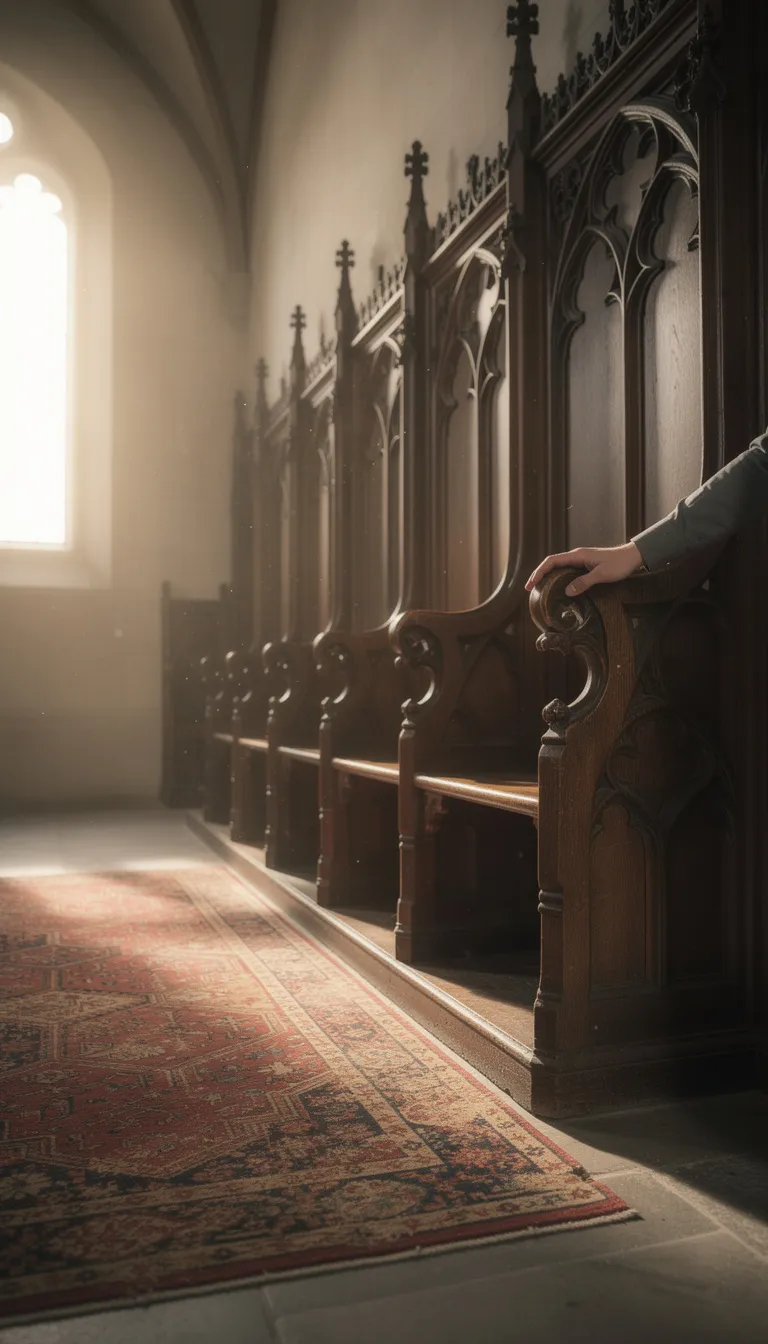
Taking the bronze medal at number three is one of the most structurally impressive pieces of ecclesiastical furniture you can acquire: vintage choir stalls. While church pews are common, choir stalls are rarer, more ornate, and usually feature divided seating, high backs with intricate gothic tracery, and armrests.
The Aesthetic and Vibe: Integrating a choir stall into your home is the ultimate flex of ecclesiastical architecture at home. These pieces were originally designed for monks or choristers to sit in during long services, often featuring "misericords" (small wooden shelves under folding seats). They are heavy, imposing, and dripping with gothic revival furniture charm. In a home, a choir stall immediately transports you to the nave of a grand cathedral. It is a bold, uncompromising statement piece that dictates the design language of the entire room.
How to Style It: Because choir stalls are incredibly visually heavy, they need to be placed in spaces that can handle their scale. A grand entryway, a wide hallway, or a large mudroom is the perfect location. Treat the stall as a functional piece of art. Above the high wooden back, hang a series of moody, landscape oil paintings in ornate gold frames. Place a vintage runner rug in deep reds and blues in front of it to soften the floor. To keep the look intentional, avoid cluttering the seats with too many pillows; let the magnificent woodwork speak for itself.
To see how top interior designers balance heavy, historical wooden pieces with modern elements to avoid a space feeling like a museum, read this insightful feature by House Beautiful.
Due to their rarity, sourcing a vintage choir stall takes patience. Keep an eye on high-end architectural salvage auctions, or work with a specialized antique dealer through 1stDibs to track down the perfect piece.
2. Chapel-Style Mood Lighting: Wrought Iron Chandeliers and Lanterns

Just missing the top spot, at number two, is the defining element of church-style ambiance: chapel-style mood lighting. You can have all the pews, arches, and tapestries in the world, but if your home is flooded with harsh, cool-toned, recessed LED lighting, the sanctuary illusion shatters immediately. Authentic chapel style interiors are defined by pools of warm, low, and dramatic light.
Looking for ways to keep the spark alive under that romantic lighting? Listen to our podcast episodes on relationship building here: https://www.thatlovepodcast.com/episodes
The Aesthetic and Vibe: Church style lighting is all about wrought iron, blackened steel, seeded glass, and the illusion of candlelight. Massive, tiered iron chandeliers suspended by heavy chains, gothic lantern sconces flanking doorways, and oversized pendant lights evoke the feeling of walking through a monastery cloister at dusk. This lighting style produces profound shadows and highlights the textures of the room. It is the cornerstone of moody gothic decor.
How to Style It: Replace standard flush-mount lights with hanging iron lanterns. In a dining room or a cathedral style living room, install a large, circular wagon-wheel chandelier featuring faux-candle lightbulbs. The key is the color temperature of the bulbs: ensure every bulb in the room is ultra-warm (around 2200K to 2700K) to mimic the amber glow of real fire. Install dimmer switches on every fixture. The ability to lower the lights to a faint, atmospheric glow is non-negotiable for achieving that peaceful, sacred space decor vibe.
Setting the right mood lighting is also an incredible tool for romance. Discover how manipulating your environment can foster intimacy in our popular guide: How to Be a Better Man For Yourself and Your Partner.
Call to Action: For high-quality, beautifully crafted wrought iron chandeliers and gothic-inspired lanterns, browse the extensive, timeless lighting collections at Pottery Barn.
1. The Sanctuary Living Room: Maximalist Ecclesiastical Elegance

Taking the highly coveted number one spot on our list is not a single item, but an entire cohesive aesthetic: The Sanctuary Living Room. This is the culmination of all the trends combined into a breathtaking, maximalist expression of church conversion homes and neo-gothic home trends. It is the ultimate goal for anyone obsessed with ecclesiastical architecture at home.
Related Article:
Creating a Home That Nurtures Your Soul A living room should be a place where you can deeply connect with your loved ones, away from the distractions of the outside world. Learn how to foster those deep connections and communicate beautifully in your newly designed space by reading 50 Flirty Texts to Kickstart a Conversation With Your Crush (because sparking joy is just as important as sparking a beautiful room design!).
The Aesthetic and Vibe: The Sanctuary Living Room is fearless. It does not shy away from drama, scale, or history. It is a space that feels deeply protective, intellectually stimulating, and wildly luxurious. This look combines the soaring height of cathedral ceilings, the heavy, grounded nature of gothic revival furniture, the moody color palettes of the Victorian era, and the flickering warmth of antique brass altar decor. It is a space designed for deep conversations, reading massive hardcover books, and escaping the modern world. It is the epitome of the "Dark Academia" and "Gothic Revival" movements.
How to Style It: To achieve the Sanctuary Living Room, start with a dark, enveloping color palette. Paint the walls (and perhaps the ceiling) in a matte, deep charcoal, forest green, or espresso brown. Hang heavy, floor-to-ceiling velvet drapes to absorb sound and add theatrical luxury.
Center the room around a massive, ornate stone or carved wood fireplace. Flank the fireplace with towering built-in bookcases filled with vintage books, interspersed with religious motif decor like small busts, crucifixes, and brass candlesticks. Use a plush, tufted Chesterfield sofa in a jewel-tone velvet as your main seating, grounded by an intricately patterned, distressed Persian rug.
Finally, hang a colossal wrought-iron chandelier from the center of the ceiling, and place gothic arch mirrors strategically to bounce the warm, dim light around the room. The result is a space that feels like a private, royal chapel—a true sanctuary for the soul.
For incredible visual inspiration on how celebrities and designers execute the maximalist gothic and sanctuary styles, explore this gallery of dramatic living spaces by Elle Decor.
Call to Action: To build your sanctuary, start by sourcing a foundational piece of statement furniture, like a classic velvet Chesterfield sofa. Explore bespoke and high-end options to anchor your living room on Anthropologie.
Conclusion
Embracing church-style home decor is about much more than following a fleeting design trend; it is a profound choice to cultivate an environment of peace, reverence, and historical beauty. By integrating elements like reclaimed church pews, gothic arch mirrors, stained glass, and the warm glow of chapel-style lighting, you are effectively transforming your house into a sanctuary.
Whether you lean toward the stark, calming aesthetic of a monastic minimalist bedroom or the rich, dramatic layers of a maximalist neo-gothic living room, ecclesiastical design offers a timeless escape from the frantic pace of the modern world. It reminds us to look up, to slow down, and to appreciate the sacred artistry of the past. As you bring these ten looks into your own home, may your space become a true haven of comfort and spiritual rest.

If this guide inspired you to rethink your home’s aesthetic and you want to support the creation of more in-depth lifestyle and relationship content, please consider donating to our platform here: https://www.thatlovepodcast.com/donate
Keep the inspiration flowing by listening to our latest podcast episodes full of love stories and advice: https://www.thatlovepodcast.com/episodes
More Related Articles from That Love Podcast
10 FAQs About Church-Style Home Decor
1. Is it disrespectful to use religious artifacts as home decor? For most, it is considered a celebration of the artistry and history of the faith. However, intentionality is key. Displaying antique religious artifacts with respect, giving them breathing room rather than treating them as kitsch, honors their original purpose while elevating your home's aesthetic.
2. How can I make gothic decor look modern and not like a haunted house? The secret is balance. Mix heavy gothic revival furniture and moody gothic decor with clean, modern lines, crisp white linens, and plenty of natural light. Incorporating contemporary art alongside antique pieces prevents the space from feeling like a Halloween set.
3. Where is the best place to find reclaimed church pews? Architectural salvage yards are your best bet. You can also search online marketplaces like Etsy, Facebook Marketplace, or specialized antique dealers on Chairish and 1stDibs.
4. What colors work best for a sanctuary style bedroom? For a monastic interior design vibe, stick to warm neutrals: alabaster, stone, flax, muted terracotta, and sage green. Avoid high-gloss paints; opt for matte, limewash, or Roman clay finishes for a soft, ancient texture.
5. Can I install faux cathedral ceiling beams myself? Yes! High-density polyurethane faux beams are incredibly lightweight and designed for DIY installation. They can dramatically alter a room’s height and give you that cathedral ceiling look without structural changes.
6. What is "Dark Academia" and how does it relate to church decor? Dark Academia is an aesthetic focused on classic literature, gothic architecture, and a romanticized view of traditional education. It heavily overlaps with church-style decor through the use of dark woods, vintage books, candelabras, and moody lighting.
7. How do I clean and maintain antique brass candelabras? To preserve the vintage patina, avoid harsh chemical brass cleaners which will strip the character. Instead, use a soft cloth and a gentle mixture of warm water and mild dish soap. Allow melted wax to remain for a rustic look, or gently peel it off once fully hardened.
8. Are stained glass suncatchers expensive? While large, architectural stained glass windows can cost thousands, small suncatchers made by independent artisans on sites like Etsy are very affordable and offer the same beautiful light-filtering effects.
9. How do I light a dark, gothic-style living room? Layer your lighting. Avoid overhead "big lights" (recessed LEDs). Instead, use a central wrought iron chandelier on a dimmer, supplemented by wall sconces, floor lamps, and an abundance of actual candles to create a warm, enveloping chapel style interior.
10. What is a "misericord" on a choir stall? A misericord (from the Latin for "mercy") is a small wooden shelf on the underside of a folding seat in a choir stall. When the seat was folded up during long periods of standing in church, the monk or chorister could lean against the shelf for slight physical relief.
For more tips on incorporating unique, historical, and dramatic architectural salvage into your modern apartment or house, check out the fantastic styling guides over at Apartment Therapy.



.jpg)







.jpg)


Comments