




10 Binge-Worthy British TV Shows of 2026 So Far

British television has delivered a wide range of binge-worthy viewing in 2026, from returning spy dramas and police procedurals to literary adaptations, ambitious crime stories and sharp contemporary series. This list is a year-to-date guide through October 5, 2026, and includes shows with a new season or first run available to UK viewers during the year. That distinction matters: a series can remain popular in 2026 without releasing new episodes this year. Each choice earns its place through momentum, atmosphere, performances and the strength of its central story. Some are built for cliffhangers; others reward a slower weekend watch as characters and institutions reveal themselves over time. The ranking is a starting point rather than a universal verdict. Choose the title that matches the mood you want—international espionage, street-level policing, newsroom politics, period drama or an unusual literary mystery—and use the notes below to decide where to begin.
This article contains affiliate links. If you make a purchase through them, we may earn a commission at no extra cost to you.
How We Ranked These 2026 Shows
This list considers the strength of each new season or first run, the confidence of its writing, the performances, the atmosphere and how well its premise supports several episodes in a row. A returning series qualifies only when it released new episodes in the UK during 2026 by October 5. We also considered range: a useful watchlist should offer more than one flavour of television. That is why a period drama can sit beside a thriller or comedy, provided each delivers a distinctive and satisfying viewing experience. Release windows and streaming rights vary between countries, so check the official broadcaster or service for current availability.
If you want more recommendations after this list, browse 10 Best British Sitcoms of the 2000s, Ranked, 10 Best British Sitcoms of the 2010s, Ranked, 10 Best British Sitcoms of the 2020s, Ranked. For more screen picks, see 10 Best Black Sitcoms of the 2000s, Ranked, 10 Best Black Sitcoms of the 2010s, Ranked, 10 Shows to Watch if You Like Abbott Elementary.
The 10 Best Picks
10. The Night Manager

The Night Manager earns a place here through the 2026 continuation of the British espionage thriller about a former soldier pulled into international arms dealing. That central situation immediately gives the series a clear identity, but its value as a binge comes from how the premise opens up over time. Instead of treating the setup as a one-episode novelty, the show can return to its pressures from new angles: relationships shift, small decisions acquire consequences and characters discover that their first explanations were incomplete. The result is a series with a world viewers can enter quickly and enough ongoing movement to make the next episode feel worthwhile.
One of the most distinctive elements is undercover identity, elite circles and the moral cost of proximity to dangerous people. This gives the writers a way to build tension, humour or drama from interaction rather than relying only on sudden plot turns. A glance, a meeting or a quiet disagreement can tell us as much as a major reveal because the characters are responding to different needs. The show’s strongest scenes let those differences surface naturally. That makes the experience feel specific to this series, while still leaving room for broadly recognisable emotions such as ambition, fear, loyalty, embarrassment or the desire to be understood.
The reason The Night Manager works especially well in a 2026 watchlist is that its polished spy-story surface sits alongside questions about loyalty and complicity. Performances and pacing matter as much as the premise: the people on screen need to be interesting when they are succeeding, failing or simply trying to get through an ordinary day. This entry has a clear tone, and that consistency helps a binge. Episodes can develop their own situations without losing the larger thread. Viewers who like to notice changing relationships will find detail to follow, while anyone looking for straightforward momentum can focus on the immediate dilemma in each instalment.
9. Blue Lights

Blue Lights earns a place here through the fourth season of the Belfast police drama, released in 2026. That central situation immediately gives the series a clear identity, but its value as a binge comes from how the premise opens up over time. Instead of treating the setup as a one-episode novelty, the show can return to its pressures from new angles: relationships shift, small decisions acquire consequences and characters discover that their first explanations were incomplete. The result is a series with a world viewers can enter quickly and enough ongoing movement to make the next episode feel worthwhile.
One of the most distinctive elements is street-level cases, community ties and the cumulative pressure carried by a police team. This gives the writers a way to build tension, humour or drama from interaction rather than relying only on sudden plot turns. A glance, a meeting or a quiet disagreement can tell us as much as a major reveal because the characters are responding to different needs. The show’s strongest scenes let those differences surface naturally. That makes the experience feel specific to this series, while still leaving room for broadly recognisable emotions such as ambition, fear, loyalty, embarrassment or the desire to be understood.
The reason Blue Lights works especially well in a 2026 watchlist is that its ensemble approach gives professional stakes a human context and a strong sense of place. Performances and pacing matter as much as the premise: the people on screen need to be interesting when they are succeeding, failing or simply trying to get through an ordinary day. This entry has a clear tone, and that consistency helps a binge. Episodes can develop their own situations without losing the larger thread. Viewers who like to notice changing relationships will find detail to follow, while anyone looking for straightforward momentum can focus on the immediate dilemma in each instalment.
8. Industry

Industry earns a place here through the 2026 return of the London finance drama about young professionals in high-pressure investment banking. That central situation immediately gives the series a clear identity, but its value as a binge comes from how the premise opens up over time. Instead of treating the setup as a one-episode novelty, the show can return to its pressures from new angles: relationships shift, small decisions acquire consequences and characters discover that their first explanations were incomplete. The result is a series with a world viewers can enter quickly and enough ongoing movement to make the next episode feel worthwhile.
One of the most distinctive elements is ambition, money, status and the temptation to treat every relationship as leverage. This gives the writers a way to build tension, humour or drama from interaction rather than relying only on sudden plot turns. A glance, a meeting or a quiet disagreement can tell us as much as a major reveal because the characters are responding to different needs. The show’s strongest scenes let those differences surface naturally. That makes the experience feel specific to this series, while still leaving room for broadly recognisable emotions such as ambition, fear, loyalty, embarrassment or the desire to be understood.
The reason Industry works especially well in a 2026 watchlist is that its characters are compelling partly because their confidence and ethics remain unstable. Performances and pacing matter as much as the premise: the people on screen need to be interesting when they are succeeding, failing or simply trying to get through an ordinary day. This entry has a clear tone, and that consistency helps a binge. Episodes can develop their own situations without losing the larger thread. Viewers who like to notice changing relationships will find detail to follow, while anyone looking for straightforward momentum can focus on the immediate dilemma in each instalment.
7. The Capture
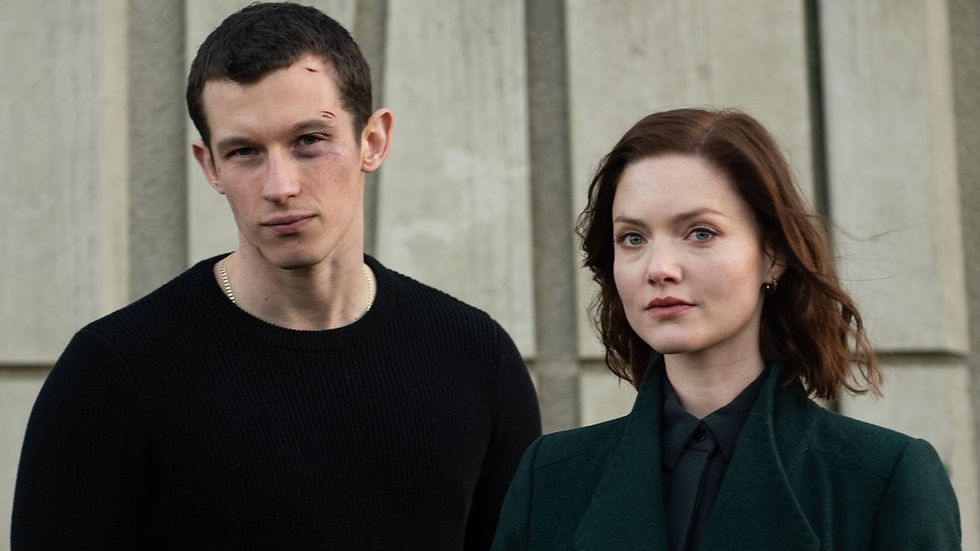
The Capture earns a place here through the 2026 third season of the surveillance thriller centred on contested images and evidence. That central situation immediately gives the series a clear identity, but its value as a binge comes from how the premise opens up over time. Instead of treating the setup as a one-episode novelty, the show can return to its pressures from new angles: relationships shift, small decisions acquire consequences and characters discover that their first explanations were incomplete. The result is a series with a world viewers can enter quickly and enough ongoing movement to make the next episode feel worthwhile.
One of the most distinctive elements is digital manipulation, public trust and the difference between seeing something and knowing it is true. This gives the writers a way to build tension, humour or drama from interaction rather than relying only on sudden plot turns. A glance, a meeting or a quiet disagreement can tell us as much as a major reveal because the characters are responding to different needs. The show’s strongest scenes let those differences surface naturally. That makes the experience feel specific to this series, while still leaving room for broadly recognisable emotions such as ambition, fear, loyalty, embarrassment or the desire to be understood.
The reason The Capture works especially well in a 2026 watchlist is that its conspiracy plot turns current technology anxieties into a propulsive mystery. Performances and pacing matter as much as the premise: the people on screen need to be interesting when they are succeeding, failing or simply trying to get through an ordinary day. This entry has a clear tone, and that consistency helps a binge. Episodes can develop their own situations without losing the larger thread. Viewers who like to notice changing relationships will find detail to follow, while anyone looking for straightforward momentum can focus on the immediate dilemma in each instalment.
6. Ludwig

Ludwig earns a place here through the 2026 second season of the British detective comedy-drama about a puzzle-setter drawn into police cases. That central situation immediately gives the series a clear identity, but its value as a binge comes from how the premise opens up over time. Instead of treating the setup as a one-episode novelty, the show can return to its pressures from new angles: relationships shift, small decisions acquire consequences and characters discover that their first explanations were incomplete. The result is a series with a world viewers can enter quickly and enough ongoing movement to make the next episode feel worthwhile.
One of the most distinctive elements is lateral thinking, family complications and the distance between puzzles and human motives. This gives the writers a way to build tension, humour or drama from interaction rather than relying only on sudden plot turns. A glance, a meeting or a quiet disagreement can tell us as much as a major reveal because the characters are responding to different needs. The show’s strongest scenes let those differences surface naturally. That makes the experience feel specific to this series, while still leaving room for broadly recognisable emotions such as ambition, fear, loyalty, embarrassment or the desire to be understood.
The reason Ludwig works especially well in a 2026 watchlist is that its lighter mystery format is balanced by a distinctive lead and an ongoing personal story. Performances and pacing matter as much as the premise: the people on screen need to be interesting when they are succeeding, failing or simply trying to get through an ordinary day. This entry has a clear tone, and that consistency helps a binge. Episodes can develop their own situations without losing the larger thread. Viewers who like to notice changing relationships will find detail to follow, while anyone looking for straightforward momentum can focus on the immediate dilemma in each instalment.
You May Also Like
5. A Thousand Blows

A Thousand Blows earns a place here through the 2026 continuation of the period crime drama set in Victorian London. That central situation immediately gives the series a clear identity, but its value as a binge comes from how the premise opens up over time. Instead of treating the setup as a one-episode novelty, the show can return to its pressures from new angles: relationships shift, small decisions acquire consequences and characters discover that their first explanations were incomplete. The result is a series with a world viewers can enter quickly and enough ongoing movement to make the next episode feel worthwhile.
One of the most distinctive elements is survival, criminal networks and harsh social conditions shaping the characters’ choices. This gives the writers a way to build tension, humour or drama from interaction rather than relying only on sudden plot turns. A glance, a meeting or a quiet disagreement can tell us as much as a major reveal because the characters are responding to different needs. The show’s strongest scenes let those differences surface naturally. That makes the experience feel specific to this series, while still leaving room for broadly recognisable emotions such as ambition, fear, loyalty, embarrassment or the desire to be understood.
The reason A Thousand Blows works especially well in a 2026 watchlist is that its stylised historical world gives ambition and conflict a physical edge. Performances and pacing matter as much as the premise: the people on screen need to be interesting when they are succeeding, failing or simply trying to get through an ordinary day. This entry has a clear tone, and that consistency helps a binge. Episodes can develop their own situations without losing the larger thread. Viewers who like to notice changing relationships will find detail to follow, while anyone looking for straightforward momentum can focus on the immediate dilemma in each instalment.
4. The Other Bennet Sister

The Other Bennet Sister earns a place here through a 2026 literary adaptation that moves the focus to Mary Bennet and her choices. That central situation immediately gives the series a clear identity, but its value as a binge comes from how the premise opens up over time. Instead of treating the setup as a one-episode novelty, the show can return to its pressures from new angles: relationships shift, small decisions acquire consequences and characters discover that their first explanations were incomplete. The result is a series with a world viewers can enter quickly and enough ongoing movement to make the next episode feel worthwhile.
One of the most distinctive elements is family expectations, self-knowledge and the pressure of living inside a familiar story. This gives the writers a way to build tension, humour or drama from interaction rather than relying only on sudden plot turns. A glance, a meeting or a quiet disagreement can tell us as much as a major reveal because the characters are responding to different needs. The show’s strongest scenes let those differences surface naturally. That makes the experience feel specific to this series, while still leaving room for broadly recognisable emotions such as ambition, fear, loyalty, embarrassment or the desire to be understood.
The reason The Other Bennet Sister works especially well in a 2026 watchlist is that its change of perspective creates new emotional stakes within a recognisable period world. Performances and pacing matter as much as the premise: the people on screen need to be interesting when they are succeeding, failing or simply trying to get through an ordinary day. This entry has a clear tone, and that consistency helps a binge. Episodes can develop their own situations without losing the larger thread. Viewers who like to notice changing relationships will find detail to follow, while anyone looking for straightforward momentum can focus on the immediate dilemma in each instalment.
3. Bait

Bait earns a place here through a 2026 British comedy-drama about an actor under pressure as a major career opportunity approaches. That central situation immediately gives the series a clear identity, but its value as a binge comes from how the premise opens up over time. Instead of treating the setup as a one-episode novelty, the show can return to its pressures from new angles: relationships shift, small decisions acquire consequences and characters discover that their first explanations were incomplete. The result is a series with a world viewers can enter quickly and enough ongoing movement to make the next episode feel worthwhile.
One of the most distinctive elements is public image, professional ambition and the comic discomfort of being watched. This gives the writers a way to build tension, humour or drama from interaction rather than relying only on sudden plot turns. A glance, a meeting or a quiet disagreement can tell us as much as a major reveal because the characters are responding to different needs. The show’s strongest scenes let those differences surface naturally. That makes the experience feel specific to this series, while still leaving room for broadly recognisable emotions such as ambition, fear, loyalty, embarrassment or the desire to be understood.
The reason Bait works especially well in a 2026 watchlist is that its entertainment-industry setting joins satire to personal uncertainty. Performances and pacing matter as much as the premise: the people on screen need to be interesting when they are succeeding, failing or simply trying to get through an ordinary day. This entry has a clear tone, and that consistency helps a binge. Episodes can develop their own situations without losing the larger thread. Viewers who like to notice changing relationships will find detail to follow, while anyone looking for straightforward momentum can focus on the immediate dilemma in each instalment.
2. The Cage

The Cage earns a place here through a 2026 British drama whose contained setting and high stakes create an ensemble thriller. That central situation immediately gives the series a clear identity, but its value as a binge comes from how the premise opens up over time. Instead of treating the setup as a one-episode novelty, the show can return to its pressures from new angles: relationships shift, small decisions acquire consequences and characters discover that their first explanations were incomplete. The result is a series with a world viewers can enter quickly and enough ongoing movement to make the next episode feel worthwhile.
One of the most distinctive elements is confinement, competing loyalties and decisions made when options narrow. This gives the writers a way to build tension, humour or drama from interaction rather than relying only on sudden plot turns. A glance, a meeting or a quiet disagreement can tell us as much as a major reveal because the characters are responding to different needs. The show’s strongest scenes let those differences surface naturally. That makes the experience feel specific to this series, while still leaving room for broadly recognisable emotions such as ambition, fear, loyalty, embarrassment or the desire to be understood.
The reason The Cage works especially well in a 2026 watchlist is that its compact structure keeps tension focused on people under pressure. Performances and pacing matter as much as the premise: the people on screen need to be interesting when they are succeeding, failing or simply trying to get through an ordinary day. This entry has a clear tone, and that consistency helps a binge. Episodes can develop their own situations without losing the larger thread. Viewers who like to notice changing relationships will find detail to follow, while anyone looking for straightforward momentum can focus on the immediate dilemma in each instalment.
1. Half Man

Half Man earns a place here through a 2026 British drama tracing a relationship and the histories that reshape it. That central situation immediately gives the series a clear identity, but its value as a binge comes from how the premise opens up over time. Instead of treating the setup as a one-episode novelty, the show can return to its pressures from new angles: relationships shift, small decisions acquire consequences and characters discover that their first explanations were incomplete. The result is a series with a world viewers can enter quickly and enough ongoing movement to make the next episode feel worthwhile.
One of the most distinctive elements is masculinity, friendship and consequences carried across years. This gives the writers a way to build tension, humour or drama from interaction rather than relying only on sudden plot turns. A glance, a meeting or a quiet disagreement can tell us as much as a major reveal because the characters are responding to different needs. The show’s strongest scenes let those differences surface naturally. That makes the experience feel specific to this series, while still leaving room for broadly recognisable emotions such as ambition, fear, loyalty, embarrassment or the desire to be understood.
The reason Half Man works especially well in a 2026 watchlist is that its more reflective approach builds emotional suspense through character history. Performances and pacing matter as much as the premise: the people on screen need to be interesting when they are succeeding, failing or simply trying to get through an ordinary day. This entry has a clear tone, and that consistency helps a binge. Episodes can develop their own situations without losing the larger thread. Viewers who like to notice changing relationships will find detail to follow, while anyone looking for straightforward momentum can focus on the immediate dilemma in each instalment.
Choosing a Show for Your Next Binge
The easiest way to choose is to start with the kind of tension you want. Spy and surveillance stories make trust the central question; police dramas focus on the pressure of a job and the community around it; period stories place individual choices inside larger social rules. Comedy-drama can offer a lighter surface while still examining ambition and identity. If you are deciding between two entries, read the audience notes and pick the one that matches your mood. A shorter season can make a satisfying evening watch, while an ongoing story may be better saved for a free weekend. Availability also changes by region, so check your local streaming guide before you settle in.
Why These Series Reward a Binge
A binge-worthy series gives viewers more than an unresolved cliffhanger. It creates a reason to spend time with its characters, whether that comes from a difficult partnership, a complicated workplace or a world with its own rules. The shows in this guide use different methods to keep that connection alive. Some make each episode deepen a central mystery; others let relationships and professional pressures accumulate gradually. Watching several episodes close together can make small choices easier to notice and recurring themes more satisfying. It can also reveal which stories benefit from a slower pace. A good binge is not simply fast; it is a run of episodes that makes the next hour feel like a worthwhile choice.
You May Also Like
Official Viewing and Release Information
Release dates, regional availability and episode schedules can change. Check the broadcaster or platform before watching.
Frequently Asked Questions
What does “2026 so far” mean in this ranking?
It means the show had a new season or first-run episode available to UK viewers by October 5, 2026. A programme does not qualify solely because it was trending this year or arrived in another territory in 2026. Release dates can vary between broadcasters and countries, so always check your local listing.
Are these all British-made series?
The list focuses on British television productions or shows substantially associated with British broadcasters and creative teams. A co-production may involve international partners, and streaming services can distribute a series outside the UK. The article uses “British” as a practical guide to the television context, not as a claim that every cast member or production partner is from the UK.
Which show is best for a fast-paced binge?
The Night Manager and The Capture are natural choices if you want espionage, conspiracies and continuing plot questions. Blue Lights and A Thousand Blows offer momentum through cases or conflict, while Ludwig keeps the mystery lighter. Choose according to whether you want a serious thriller, a grounded police drama or crime-solving with comic warmth.
Which series is best for character-focused viewing?
Blue Lights, Industry, The Other Bennet Sister and Half Man put relationships and personal choices near the centre. Their stories are not only about what happens next, but why people make decisions under pressure. If you prefer atmosphere and character development to constant action, those entries are strong places to begin.
Do I need to watch earlier seasons first?
For returning series, watching from the beginning will usually make character changes and ongoing storylines clearer. New viewers can still sample a recent episode, but the impact of a new season may depend on earlier events. Newer first-run series such as Bait, The Cage, The Other Bennet Sister and Half Man can be approached from episode one without a previous season.
Where can I stream these shows?
Availability depends on your country and can change as licensing agreements move titles between platforms. Check the official broadcaster or streaming service for the current season, episode count and regional access. A UK broadcast or iPlayer release does not automatically mean the show is on the same service internationally.
Which entry mixes comedy and drama?
Ludwig and Bait are the clearest lighter-toned choices in this selection, although their comic elements serve different stories. Ludwig combines a puzzle-solving lead with family complications; Bait brings humour into the pressures of a career opportunity. Both can suit viewers who want character tension without the intensity of a full-scale thriller.
How were the rankings decided?
The order weighs writing, performances, atmosphere, originality, pacing and the strength of the 2026 run. It also considers how well each series works as a recommendation for someone choosing what to watch next. Rankings in arts coverage are editorial judgments, so a personal favourite may land in a different position without making the list less useful.
Are these shows suitable for all ages?
No single age rating applies to the entire list. Several dramas include violence, adult themes, strong language or distressing situations. Check the programme’s official content guidance before watching with younger viewers or anyone sensitive to particular subjects.
Could this list change later in 2026?
Yes. This is a year-to-date snapshot through October 5, and additional seasons or premieres may arrive before the end of the year. Schedules can change, and some shows receive international releases at different times. The list can be updated as new UK releases become available.


.jpg)





.jpg)


