






9 Home Renovation Mistakes to Avoid in 2026


Introduction
We are living in an era of rapid transformation within the home design industry. As we move deeper into 2026, the concept of "home" has evolved from a mere shelter into a multi-functional sanctuary that serves as an office, a gym, a spa, and a gathering place. The renovation market is booming, fueled by viral TikTok transformations and Pinterest mood boards that promise instant gratification. However, the reality of tearing down walls and ripping up floorboards is far more complex than a 15-second highlight reel suggests.
In 2026, homeowners are facing a unique set of challenges: fluctuating material costs, a shift away from the stark minimalism of the early 2020s, and the integration of sophisticated AI-driven smart home technology. The stakes are high. A renovation is likely the most significant financial investment you will make this year, and the margin for error is slim. Avoiding common pitfalls is not just about saving money; it is about preserving your mental health and ensuring your home remains valuable and functional for decades to come.
Whether you are planning a complete gut renovation or a cosmetic refresh, understanding the landscape of modern design is crucial. From the "broken plan" revolution to the necessity of acoustic zoning, we have analyzed the data to bring you the definitive guide on what not to do. Here are the top 9 home renovation mistakes to avoid in 2026.
Related Articles from That Love Podcast
9. Ignoring Acoustic Privacy (The "Echo Chamber" Mistake)
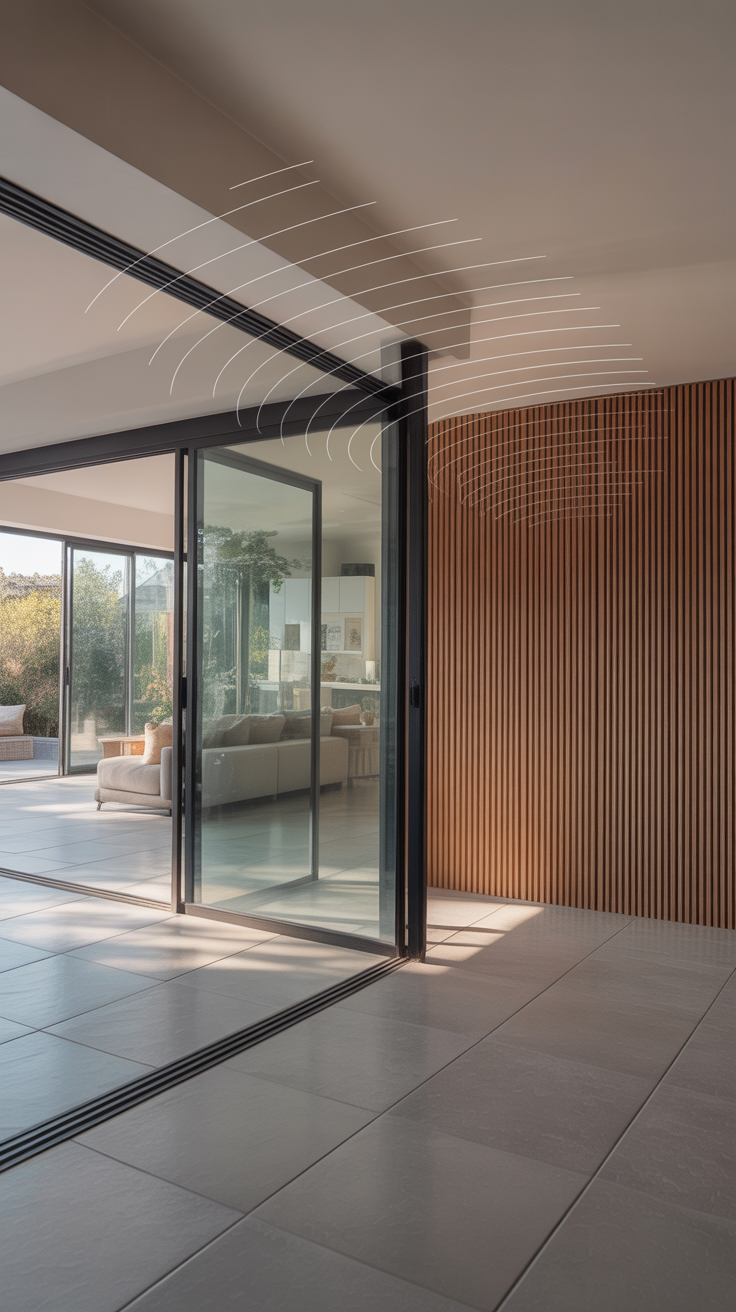
The Mistake: Ranking at number 9 is a subtle but pervasive error: prioritizing visual aesthetics over acoustic comfort. In the rush to install hard surfaces—luxury vinyl plank (LVP), quartz countertops, and massive glass walls—homeowners often forget that these materials reflect sound. In 2026, where hybrid work is the standard, a home that echoes is a home that doesn't function.
The 2026 Context: With multiple family members taking Zoom calls, streaming 8K content, and using voice-activated assistants simultaneously, noise pollution inside the home has become a major stressor. The mistake lies in assuming that standard drywall and hollow-core doors are sufficient. They are not. If you renovate without considering sound transmission, you end up with a beautiful space where you can’t hear yourself think.
How to Fix It:
Invest in Solid-Core Doors: Swap out standard hollow doors for solid-core options. They feel heavier and block significantly more sound between bedrooms and hallways.
Acoustic Insulation: When walls are open, install mineral wool insulation (like Rockwool) instead of standard fiberglass. It creates a dense barrier against airborne noise.
Soft Surfaces: Balance your hard finishes. If you have tile floors, incorporate large area rugs, upholstered furniture, and heavy drapery.
Decor Solutions: Look into acoustic wood slat wall panels. They are a massive trend on Pinterest for 2026 because they look architectural while absorbing sound waves.
8. Over-Reliance on "Fast Trends" (The Micro-Trend Trap)

The Mistake: Number 8 is the seduction of the "Micro-Trend." Social media algorithms move faster than construction schedules. By the time you finish tiling your bathroom in that hyper-specific, funky pattern you saw on TikTok, the trend may already be "out." Renovating based on fleeting viral moments leads to "renovation regret" and poor resale value.
The 2026 Context: We are seeing a backlash against "Fast Furniture" and "Fast Renovation." The "Checkerboard Everything" trend of 2024/2025 is already waning. Homeowners who committed to permanent installations of highly specific, loud trends are now facing expensive rework. The mistake is confusing decor (which is easy to change) with hard finishes (which are expensive to change).
How to Fix It:
The 80/20 Rule: Keep 80% of your renovation timeless. Stick to neutral, high-quality materials for flooring, tile, and cabinetry (e.g., white oak, natural stone, warm whites). Use the remaining 20% for trends via paint, hardware, lighting, and textiles.
Material Authenticity: Avoid materials that are trying to look like something else. In 2026, authenticity is king. Use real wood instead of plastic laminates where possible, or high-quality ceramic rather than faux-stone plastic sheets.
Longevity Check: Before approving a finish, ask yourself: "Will I still love this in 5 years?" If the answer is "maybe," skip it.
Call to Action: Planning a renovation takes focus. Stream the best home design shows on Amazon Prime Video for inspiration!
Related Article: Upgrading on a Budget If you are worried about costs but want to stay trendy, check out our guide on 8 Ways To Upgrade Your Kitchen (on a budget!). It covers how to use paint and hardware to refresh without a full demo.
7. Skimping on Lighting Layers (The "Hospital Glare" Mistake)

The Mistake: At number 7, we have lighting. The most common amateur mistake is installing a grid of recessed "can" lights in the ceiling and calling it a day. This creates the dreaded "Swiss Cheese Ceiling" effect and casts harsh, unflattering shadows that make your cozy living room feel like a hospital waiting room.
The 2026 Context: Lighting design has advanced tremendously. The trend is "Hidden Light." We are moving away from seeing the bulb to seeing the glow. LED technology allows for strip lighting in joinery, toe-kicks, and coves. Failing to plan for these layers during the electrical rough-in phase is a critical error because it is nearly impossible to add later without reopening walls.
How to Fix It:
The Three Layers: Every room needs Ambient (overhead), Task (lamps/under-cabinet), and Accent (art lights/cove lights) lighting.
Dimmers are Non-Negotiable: Every single switch in your renovation should have a dimmer. This allows you to change the mood from "cleaning mode" to "dinner party mode" instantly.
Color Temperature: Stick to 2700K or 3000K warm white bulbs. Avoid 4000K or 5000K "Daylight" bulbs in residential spaces, as they can disrupt your circadian rhythm and feel sterile.
Smart Integration: Ensure your switches are compatible with smart home ecosystems like Matter, allowing for voice control and automation.
6. Neglecting Smart Home Infrastructure (The "Wi-Fi Dead Zone")
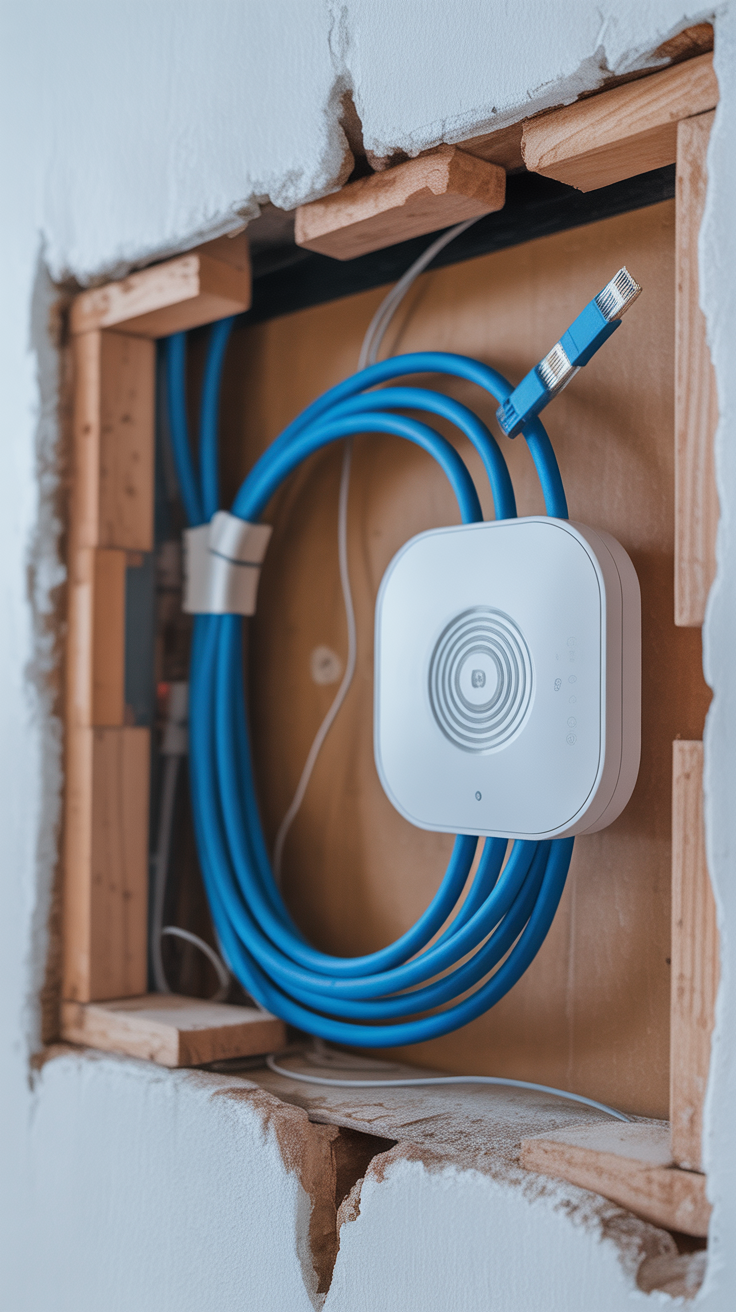
The Mistake: Ranking sixth is failing to renovate for the future. Many homeowners focus on the tile and paint but forget the invisible infrastructure. In 2026, a home without robust networking, smart wiring, and energy monitoring is already outdated. The mistake is relying solely on wireless mesh systems without hardwiring the backbone.
The 2026 Context: We are in the age of the "Proactive Home." Smart fridges, AI-driven energy management systems, and high-bandwidth streaming require a robust network. If you strip your walls down to the studs and don't run CAT6A or CAT7 ethernet cables, you are making a massive mistake. Wireless is convenient, but wired is reliable.
How to Fix It:
Hardwire Access Points: Run ethernet cables to ceiling points on every floor for wireless access points. This ensures seamless Wi-Fi coverage without dead zones.
Smart Blinds/Curtains: Pre-wire power to your window headers. Retrofitting motorized window treatments later requires unsightly battery packs or visible cords.
Energy Monitoring: Install a smart electrical panel (like Span) that allows you to monitor consumption and optimize for solar or battery storage, which is becoming standard in 2026 renovations.
5. Underestimating Supply Chain Timelines (The "Empty Shell" Wait)

The Mistake: Number 5 is a logistical nightmare: poor timing. Homeowners often demo their kitchen the moment the contractor says "go," only to realize the cabinets are on backorder for 16 weeks. Living in a construction zone with no sink or stove strains relationships and budgets.
The 2026 Context: While the acute crises of the early 2020s have stabilized, the supply chain in 2026 is still volatile due to global localized disruptions and high demand for sustainable materials. Custom windows, European appliances, and specific handmade tiles (like Zellige) often have long lead times. The mistake is assuming "in stock" means "instant delivery."
How to Fix It:
The "Materials on Site" Rule: Do not allow demolition to begin until all critical finish materials (tile, plumbing fixtures, cabinets, flooring) are physically on-site or in a local warehouse.
Order Early: Appliances and windows should be ordered months before the permit is even issued.
Check Lead Times: Verify lead times personally. Don't just take the salesperson's word for it; ask for tracking or confirmed production dates.
4. Forgetting Biophilic Elements (The "Sterile Box" Syndrome)

The Mistake: Coming in at number 4 is ignoring the human need for nature. A renovation that seals a house up tight without considering natural light, airflow, and organic materials results in the "Sterile Box" syndrome—a home that looks clean but feels lifeless and depressing.
The 2026 Context: Biophilic Design—design that connects people to nature—is the dominant architectural philosophy of 2026. It is no longer just a buzzword; it is a requirement for mental wellness. Mistakes include installing small windows, blocking view corridors to the garden, or using entirely synthetic materials (vinyl everywhere) with no natural wood or stone to ground the space.
How to Fix It:
Maximize Glazing: If structural budget allows, enlarge windows or add skylights. Natural light regulates mood and sleep cycles.
Indoor-Outdoor Flow: Install large sliding or bifold doors that open living spaces to the outdoors.
Natural Materials: Prioritize materials that patina. Unlacquered brass, honed marble, and oiled wood floors age beautifully and add "soul" to a home that plastics cannot mimic.
Green Spaces: Design dedicated spots for indoor plants, such as built-in planters or shelves near windows with appropriate lighting.
Related Article: Bedroom Sanctuary To see how biophilic design applies to your sleeping space, read 13 Stunning Aesthetic Bedroom Ideas. It explores bringing nature indoors for better rest.
3. Misjudging the "Open Concept" (The "No Walls" Regret)

The Mistake: The bronze medal of mistakes goes to the blind adherence to "Open Concept." For years, the first thing people did was "tear down that wall." In 2026, we are realizing the downsides: cooking smells traveling to the sofa, noise carrying everywhere, and a lack of private nooks.
The 2026 Context: The trend has shifted to "Broken Plan" living. This retains the light and flow of open concept but uses zoning techniques to create separation. The mistake is removing all walls to create one giant warehouse-like room, which destroys intimacy and makes heating/cooling less efficient.
How to Fix It:
Use Partitions: Instead of a full wall removal, consider glass partitions, double-sided fireplaces, or open shelving units to divide spaces while keeping sightlines open.
Defined Zones: Use changes in floor level (sunken living rooms are back!), ceiling treatments (beams or dropped ceilings), or flooring material changes to define the kitchen from the lounge.
The "Mess Kitchen": If you have the space, a scullery or "mess kitchen" hidden behind the main kitchen is the ultimate 2026 luxury, allowing you to hide dirty dishes while entertaining in the open plan space.
2. DIYing Complex Systems (The "TikTok Tutorial" Disaster)

The Mistake: Runner-up at number 2 is the DIY hubris. Influencers make tiling a shower or installing electrical work look like a fun weekend project. In reality, improper waterproofing leads to mold behind walls, and amateur electrical work creates fire hazards.
The 2026 Context: As tradesperson labor costs rise, more homeowners are attempting dangerous DIYs. However, insurance companies in 2026 are becoming stricter about unpermitted work. The mistake is thinking you can watch a 10-minute video and master a trade that takes 4 years of apprenticeship.
How to Fix It:
Know Your Limits: DIY painting, trim work, landscaping, and hardware installation? Go for it. DIY plumbing, HVAC, structural framing, and waterproofing? Hire a pro.
The Cost of Rework: Fixing a botched DIY job often costs 3x more than hiring a pro initially because of the demolition required to reach the problem.
Permits are Your Friend: Never skip permits. They are your protection. A permitted renovation adds value; unpermitted work is a liability during resale.
1. Skipping the Contingency Fund (The "Money Pit" Reality)

The Mistake: Taking the number 1 spot is the most fatal error of all: Financial Optimism. Homeowners budget for the "best case scenario." They assume no rot will be found, no pipes will need replacing, and prices won't rise. When reality hits, the project stalls, or finishes are cheapened to compensate.
The 2026 Context: Inflation and labor shortages mean that quotes are often estimates, not guarantees. Hidden costs in older homes (asbestos, lead paint, outdated wiring) are almost guaranteed. The mistake is budgeting down to the last dollar without a safety net.
How to Fix It:
The 20% Rule: Take your contractor's quote and add 20%. That is your real budget. If you are renovating a historic home, make it 30%.
Don't Max Out: If you are financing the renovation, do not borrow your absolute maximum limit. Leave room for the unexpected.
Prioritize the "Boring" Stuff: Spend your contingency on insulation, subfloors, and waterproofing first. You can always upgrade a light fixture later, but you can't easily upgrade the pipes behind the wall.
Conclusion
Renovating a home in 2026 is an exciting journey toward creating a space that truly reflects your lifestyle and values. By avoiding these 9 critical mistakes—from the allure of fast trends to the neglect of acoustic privacy—you can ensure your project is a success.
Remember, a great renovation is a marathon, not a sprint. It requires patience, planning, and a respect for the process. Focus on functionality, future-proofing, and authentic materials, and you will build a home that stands the test of time.

Related Articles from That Love Podcast
10 FAQs About Home Renovation in 2026
1. What is the biggest design trend for 2026? Biophilic design and "warm minimalism" are dominant. People want homes that feel organic, with natural woods, stones, and plenty of plants, moving away from the sterile all-white / grey looks of the past.
2. How much should I budget for a kitchen renovation in 2026? Costs vary wildly by location, but a mid-range kitchen remodel in the U.S. typically falls between $35,000 and $65,000. For high-end custom work, expect to start at $80,000+. Always add a 20% contingency.
3. Is "Open Concept" officially dead? Not dead, but evolved. "Broken Plan" is the new standard, using half-walls, glass dividers, or shelving to create zones within a large space, offering the benefits of light flow without the noise and smell issues.
4. What flooring adds the most resale value? Solid hardwood or high-quality engineered hardwood remains the gold standard for ROI. Luxury Vinyl Plank (LVP) is popular for durability, but wood is preferred in luxury markets.
5. How do I make my home "Smart" ready during a renovation? Run neutral wires to all switch boxes (required for smart switches), install CAT6 ethernet cabling to every room, and consider a smart electrical panel to monitor energy usage.
6. What are the best sustainable materials to use? Reclaimed wood, cork flooring, bamboo, recycled glass tiles, and zero-VOC paints are excellent choices. Look for FSC-certified lumber and locally sourced stone to reduce carbon footprint.
7. Should I replace my windows? If they are single-pane or drafty, yes. New double or triple-pane windows significantly improve energy efficiency and acoustic privacy. In 2026, black or bronze exterior frames are still very trendy.
8. How do I find a reliable contractor? Referrals are best. Ask friends or neighbors. Verify their license and insurance. Ask to see a current job site (not just finished photos) to check how clean and organized they keep their workspace.
9. What is "Zellige" tile? Zellige is a handmade Moroccan clay tile known for its imperfections and variations in color/texture. It reflects light beautifully and is a top trend for backsplashes and shower walls in 2026.
10. Why is lighting so important in a renovation? Lighting dictates how a space feels. Good lighting can make a small room feel large and expensive; bad lighting can make a luxury room feel cheap. Layering ambient, task, and accent lighting is essential.



.jpg)





.jpg)


Comments