


10 The Lion King Quotes That Hit Different as an Adult

Introduction
The Lion King is a family classic, but its lessons about duty, identity and family land harder the older you get. Revisiting it as an adult can feel like hearing old advice for the first time. The story of a young lion who must face his past is simple on the surface and deeply human underneath.
These ten quotes show how much more meaning the film holds once life has taught you a few hard lessons. From Mufasa’s guidance to Rafiki’s wisdom and the gentle absurdity of Timon and Pumbaa, each line carries something that grown-ups recognise. Some are funny, some are sad, and many are both.
The Lion King works on adults because it tells a story about parents and children without softening the hard parts. Mufasa is a loving father and a frightening one. Simba is brave and reckless. Viewers who have become parents, or who have lost a parent, often find the film hits closer to home than they expected.
The music and the animals make the story feel light, but the themes are heavy. Grief, betrayal and the pressure to take up a role you did not choose all sit at the centre. Those themes make the quotes feel like advice from people who have lived through hard seasons.
Each entry explains the context, why the quote hits differently for adults, why fans and critics value it, and who should watch next. The list counts down from ten to one, so the film’s most important reminder comes last. Let’s start 👇

Enjoying these? Support That Love Podcast and help us keep making independent entertainment and original audio stories.
Rewatching these films as an adult? Try Amazon Prime.
10. “It is time.”
From: The Lion King. The film builds toward a moment when Simba must face the past and take his place. This line marks the point of no return. It is a turning point that the whole story has been leading toward.
Why it ranks here: Eventually you have to stop running from responsibility. Adults know that the moment to step up often arrives without warning. The line captures that quiet, unavoidable call to act.
Why fans and critics value it: Fans regard the ending as a satisfying payoff. Critics often mention the film’s clear arc from fear to responsibility, and this moment is where that arc becomes complete.
Who should watch it: Best for anyone facing a turning point.
What to notice: Notice how the moment arrives after the story has spent its time on fear and avoidance. The line signals that the waiting is over. It is a reminder that growth often comes at a clear turning point.
🎧 Want more original stories alongside your binge? Explore the latest That Love Podcast episodes.
9. “He lives in you.”
From: The Lion King. After Mufasa’s death, a lesson about legacy becomes central to Simba’s journey. The line describes how a parent’s influence continues in their child. It turns grief into something that carries forward.
Why it ranks here: Family influence continues long after people are gone. Adults often notice their parents’ habits, values and sayings in themselves. The line turns memory into something that lives on in the people we become.
Why fans and critics value it: Fans find it deeply moving. Critics praise the film’s treatment of family legacy, and this line is often quoted in tributes to parents and relatives.
Who should watch it: Best for anyone grieving a parent or relative.
What to notice: Notice how the line turns memory into action. Simba’s father is not gone while Simba carries his lessons. It is a quiet, hopeful answer to grief.
8. “Long live the king.”
From: The Lion King. The film’s villain, Scar, pursues the throne through deceit and betrayal. Words about kingship are used to hide ambition. The line works as a warning as much as a celebration.
Why it ranks here: Betrayal feels far darker once you understand ambition. Adults recognise how power can corrupt loyalty and trust. The line echoes through the film as a reminder that titles and real leadership are not the same thing.
Why fans and critics value it: Fans enjoy the film’s villains, and Scar is often named among Disney’s most memorable antagonists. Critics praise how his ambition drives the story forward.
Who should watch it: Best for viewers interested in ambition and power.
What to notice: Notice how the words feel hollow when they come from the wrong person. Ambition wears the language of loyalty. The line is a useful reminder to look at what people do, not only what they say.
Students can get Amazon Prime for less. Check the Prime Student offer.
7. “I laugh in the face of danger.”
From: The Lion King. Youthful confidence in The Lion King often leads to comic moments, and this line plays on bravado. It shows a character who has not yet learned humility. The joke is funny because the danger is obvious to everyone else.
Why it ranks here: Youthful confidence becomes funny in hindsight. Adults know that bravado can hide inexperience, and the line plays on that gap. It is a reminder that confidence and wisdom are not always the same thing.
Why fans and critics value it: Fans enjoy the comic tone. Critics often mention how the film balances comedy and danger, and this line is a good example of that balance.
Who should watch it: Best for viewers who enjoy playful bravado.
What to notice: Notice the comedy in the gap between confidence and reality. The film lets the audience see the danger that the character cannot. That tension makes the line both funny and telling.
6. “You deliberately disobeyed me.”
From: The Lion King. After Simba disobeys him, Mufasa confronts his son with a serious lesson about danger and trust. The scene shows discipline mixed with fear. It is one of the most personal moments between father and son.
Why it ranks here: Parenting looks very different from the adult side. Viewers who become parents often understand the worry behind a parent’s anger. The line shows how discipline and fear can sit side by side.
Why fans and critics value it: Fans recognise the emotional honesty of the moment. Critics note how the film frames discipline through love rather than cruelty, which is why the scene still feels so real.
Who should watch it: Best for parents and carers.
What to notice: Notice how the anger carries fear underneath it. Mufasa’s warning is about safety as well as obedience. Parents watching often see their own worries in the scene.
Want to reach entertainment fans? Advertise with That Love Podcast and put your brand in front of readers who love movies, television and pop culture.
5. “Everything you see exists together in a delicate balance.”
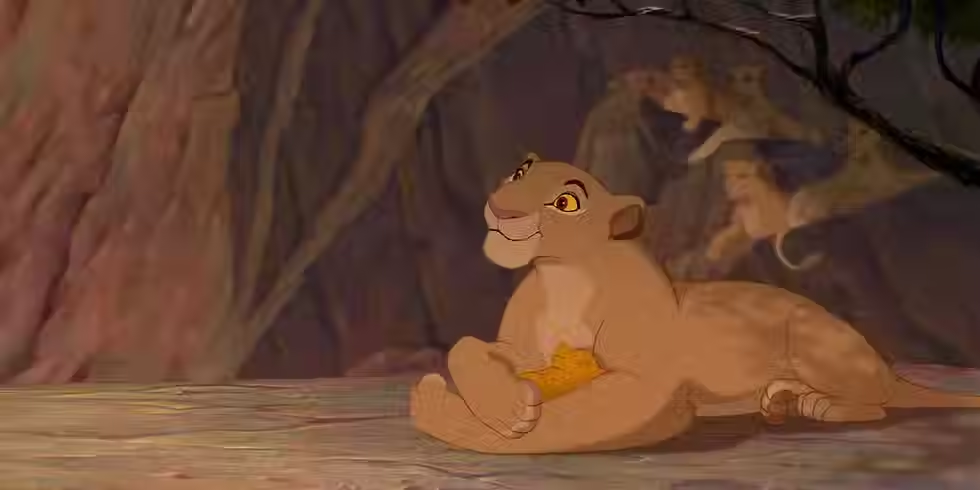
From: The Lion King. Mufasa explains the Circle of Life to Simba, showing how every creature depends on others. The line offers a view of connection and balance. It sits at the heart of the film’s grand, reflective moments.
Why it ranks here: Adulthood teaches how interconnected life really is. Choices ripple outward to family, friends and communities. The line suggests that balance matters because everything depends on everything else.
Why fans and critics value it: Fans love the film’s grand and emotional moments. Critics often describe the Circle of Life as the film’s emotional core, and this line is one of the reasons why.
Who should watch it: Best for anyone thinking about community and connection.
What to notice: Notice how the Circle of Life is shown through images as well as words. The scene makes balance feel visible. The line suggests that every choice affects more than we think.
4. “Being brave doesn’t mean you go looking for trouble.”
From: The Lion King. Mufasa’s lessons guide Simba toward maturity, and this line separates courage from recklessness. The message is a reminder that real courage is measured by judgement. It is part of a larger conversation about becoming a responsible leader.
Why it ranks here: It describes bravery as thoughtful, not reckless. Adults learn that facing responsibilities calmly takes real strength. The line separates bravado from genuine courage, which is a lesson many people learn late.
Why fans and critics value it: Fans quote the line for its clear moral. Critics often highlight how the film teaches responsibility through the father and son bond, and this quote is one of its clearest lessons.
Who should watch it: Best for parents and young adults.
What to notice: Notice the difference between courage and recklessness. The line is a correction, not a scolding. It shows young characters how strength grows from judgement.
3. “Hakuna Matata.”
From: The Lion King. Timon and Pumbaa teach Simba a carefree philosophy after he runs away from his responsibilities. The song becomes a symbol of escape. It is light and catchy, and it tempts both Simba and the audience.
Why it ranks here: It is catchy, but it shows how tempting it is to avoid responsibility. Adults often wish for an easier life with no bills or worries. The phrase captures that wish perfectly, and the film gently questions it.
Why fans and critics value it: Fans love the song’s upbeat energy and its lasting popularity. Critics often mention it as one of the most memorable musical moments in the film.
Who should watch it: Best for people who feel overwhelmed.
What to notice: Notice how the song makes escape sound joyful. The film is honest about the appeal of avoidance, and that is why the song is so memorable. It works as a playful test of how far we would run.
Looking for more to watch? Explore this Amazon offer.
2. “The past can hurt. But the way I see it, you can either run from it or learn from it.”
From: The Lion King. Rafiki gives Simba a practical lesson about grief and memory. His advice is simple: the past can hurt, but it also teaches. The moment shows the film’s wisdom in a gentle, playful voice.
Why it ranks here: Healing is about learning, not pretending. Adults know the past often returns in new forms until it is faced. The line shows that growth begins when we stop running and start understanding.
Why fans and critics value it: Fans quote it often for its wise, gentle tone. Critics praise the film’s honest look at loss, and this line is widely cited as one of its most mature moments.
Who should watch it: Best for anyone dealing with old hurt.
What to notice: Notice the gentle tone of the advice. Rafiki does not tell Simba to forget the past, only to learn from it. That distinction is the heart of the line.
1. “Remember who you are.”
From: The Lion King. Simba runs from his past after his father’s death, and he needs a reminder of his identity. The line comes from Mufasa’s voice, urging his son to return to his place. It is one of the most emotional turning points in the film.
Why it ranks here: Identity becomes harder to hold onto as life changes. Adults face moments when pressure makes them forget their values. The line is a reminder to return to the core of who you are, however far you have wandered.
Why fans and critics value it: Fans treat it as one of the film’s most powerful moments. Critics often point to the film’s theme of responsibility and identity as central to its appeal, and this line captures it perfectly.
Who should watch it: Best for anyone rediscovering who they are.
What to notice: Notice how the line appears at a moment of doubt. The film frames identity as something that can be lost and found again. It is the emotional anchor of the whole story.
How to Watch It as an Adult
Watch the scenes with Mufasa and Simba as a parent, not only as a child. The film asks what it means to guide someone, and to accept that they will make mistakes.
Notice how Rafiki, Timon and Pumbaa offer different kinds of wisdom. One is serious and one is playful, and both show that growing up does not have to mean losing joy.
Finally, pay attention to the ending. The film is about returning home and taking responsibility, and that message becomes more meaningful the longer you have been away from your own roots.
Final Thoughts
The Lion King is more than a childhood favourite. Its quotes about identity, courage and family become more useful with every year you live. Watch it again, and you may find advice that now fits your own life. Every line on this list has a second meaning for grown-up viewers.
Want to reach entertainment fans? Advertise with That Love Podcast and put your brand in front of readers who love movies, television and pop culture.
Enjoying these? Support That Love Podcast and help us keep making independent entertainment and original audio stories.
Why These Lines Last
The quotes that matter most in The Lion King are the ones that connect growing up with responsibility. Simba’s story is not just about becoming king; it is about accepting that the past shapes the future. That message is easy to miss as a child, but it becomes clear once you have made your own hard choices.
The film also works because its wisdom is delivered in different tones. Mufasa is serious, Rafiki is gentle and playful, and Timon and Pumbaa are comic. Together they show that there is more than one way to face life. Adults often find that a line which once seemed silly now carries a surprising amount of truth.
The film also trusts its audience. It does not explain every feeling, and it lets the music and images carry some of the weight. That restraint is why the quotes stay with people. Pick the line that speaks to you today, and you may find the film has been waiting for you to be ready for it.
A Closer Look at the Context
Context matters in The Lion King because the film moves from innocence to responsibility in a clear arc. Early scenes are bright and playful, while later ones are darker and more serious. Reading the quotes against that shift helps show why the same lines can sound playful at one point and urgent at another.
The Pride Lands themselves are part of the message. They are a place of balance, but that balance can be broken by greed, pride and fear. Scar’s rule shows what happens when power is used for the wrong reasons, and the film asks viewers to notice how leadership and loyalty depend on each other.
It is also worth thinking about the film’s music and animation. Scenes that look simple are often carefully staged, with silence and movement doing as much as dialogue. Those choices make the emotional beats hit harder, especially for adult viewers who recognise how much a single moment can change a life.
Who Will Get the Most from These Quotes
Parents often find that The Lion King changes shape when they watch it with their children. The scenes that once felt like simple adventures start to feel like guidance about patience, discipline and love. Watching the film together can turn into a conversation about responsibility, which makes it more than entertainment.
The film also suits adults who are going through change. A new job, a move or the loss of a family member can make the story’s questions about identity feel immediate. Viewers in those seasons often return to Rafiki’s advice or Mufasa’s warning and find that the words fit their situation better than they expected.
Finally, the film rewards viewers who look beyond the surface. The jokes and songs are part of its charm, but the lessons about balance and responsibility are what keep it alive. Taking a moment to notice those lessons can make a second or third viewing feel as meaningful as the first.
A simple way to use this list is to read it alongside the film. Pick one quote before you press play and watch for the moment it appears. Afterwards, ask yourself whether the line means something different now than it did when you first saw it. Many adults find that the answer is yes, and that is exactly why the film keeps its place in our lives.
Frequently Asked Questions
Why do The Lion King quotes feel different as an adult?
Adult life brings responsibility and difficult choices, so lines about duty and identity carry more emotional weight than they did in childhood.
Are these quotes exact?
Please check the wording against the film before you share it, as quotes can vary slightly between sources.
Which Lion King quote is the most meaningful?
“Remember who you are” is a popular pick because it speaks to identity changing as life goes on.
Who voices Mufasa?
James Earl Jones voices Mufasa, and Matthew Broderick voices the adult Simba.
Is The Lion King only for children?
It is made for families, but its themes about responsibility, family and loss are widely felt by adult viewers.
Can I watch The Lion King on Amazon Prime?
Availability changes by region and over time, so check Amazon Prime Video in your country before you subscribe.
Is The Lion King based on Hamlet?
Many critics compare the story to Hamlet, with its themes of a son, a murdered father and a usurping uncle.
Why does the film still hit so hard?
It pairs big, simple themes with emotional moments, which become more personal the more life you have experienced.
Who directed The Lion King?
Roger Allers and Rob Minkoff directed the 1994 animated film.
What should I watch after The Lion King?
Many viewers move on to The Lion King II: Simba’s Pride or the 2019 live-action version, depending on what they enjoy.
Want to watch the whole film? Try Amazon Prime.
More Places to Find Great Movies and TV Shows
Find cast details, reviews and ratings on IMDb, Rotten Tomatoes and Wikipedia.
You May Also Like
Enjoyed this list? Listen to our original audio stories and explore more from That Love Podcast.