





10 Life Lessons We Learned from Toy Story

Updated: Aug 10

You might be standing at a crossroads in your life, feeling like the world is moving too fast and wondering if you have been "replaced" by a newer, shinier version of yourself in your career or your social circle. You are likely searching for a sense of permanence and purpose in a "disposable" culture, feeling the weight of aging or the fear that your best days are behind you. You deserve to experience a total transformation of your mindset that inspires you to see your unique value, empowers your relationships, and heals the parts of your heart that still ache from childhood transitions starting today. By diving into these ten handpicked life lessons from the Toy Story franchise, you will gain a profound sense of clarity and a roadmap for your own emotional growth through the eyes of Woody, Buzz, and the gang. These movies offer more than just animated masterpieces; they provide a lifestyle upgrade that prioritizes loyalty, resilience, and the beauty of finding your "found family" in the most unexpected places. Whether you crave the vintage revival of your own nostalgic memories or the bold energy of a hero's journey, this list is your gateway to a more inspired and "composed" life. You will walk away feeling more connected to your authentic self and ready to own every chapter of your story with absolute poise and greatness. These lessons are the ultimate guide to navigating the complexities of adulthood with the heart of a child and the wisdom of a legend. Let’s start and then👇

Support our mission to spread love and inspiration: Donate to That Love Podcast
You Might Like This
Toy Story has always had more on its mind than toys going on adventures. Friendship, jealousy, growing up, letting go, and finding purpose all run through the series, and these related articles explore those ideas even further:
If you love this, check out: 10 Disney Songs Perfect for Mom: A Celebration of Maternal Love
10. Comparison is the Thief of Joy (The Woody vs. Buzz Conflict)
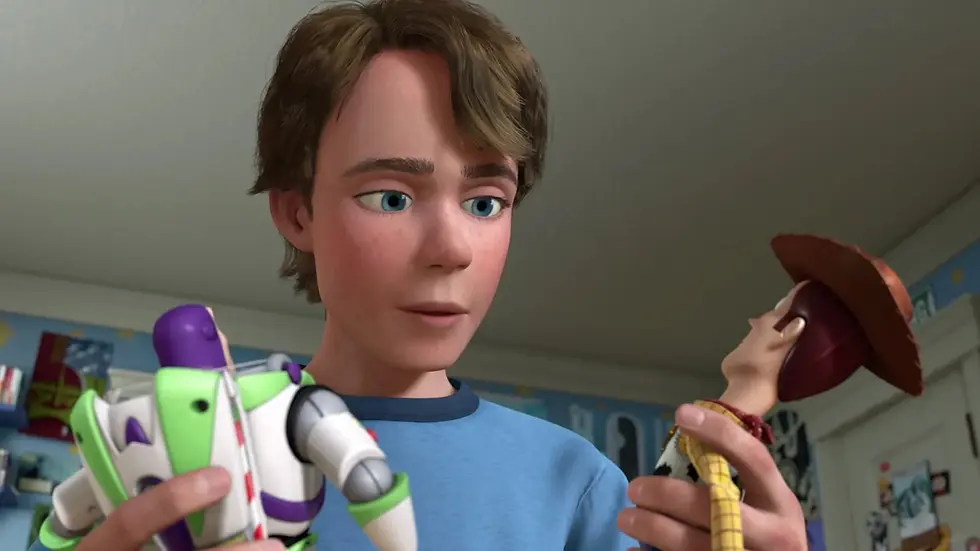
The first lesson in our countdown takes us back to the very beginning. When Buzz Lightyear arrived on the scene with his high-tech wings and laser beams, Woody felt his "stardom" threatened. He spent the entire first movie obsessed with being the "favorite," a feeling many of us face in a corporate toxicity environment or on a competitive social media feed.
Woody’s journey teaches us that when we focus on being "better" than someone else, we lose sight of our own greatness. Buzz wasn't there to replace Woody; he was there to enhance the room. It took a near-death experience at Sid’s house for Woody to realize that they were better as a team than as rivals. This is a practical takeaway for anyone struggling with jealousy: your light doesn't dim because someone else starts to shine. Embracing a found family mentality over a competitive one is the first step toward personal growth.
Shop This Look (The "Modern Sheriff" Aesthetic):
[Buy Men's Classic Yellow Plaid Flannel Shirt on Amazon]
[Buy Premium Cowhide Leather Western Belt on Amazon]
[Buy Men's Slim-Fit Raw Indigo Denim Jeans on Amazon]
Listen to the ultimate stories of love and adventure: That Love Podcast Episodes
9. You Are Not Defined by Your Past (Jessie’s Story)
In Toy Story 2, we meet Jessie, the yodeling cowgirl who was left in a donation box by her previous owner, Emily. Jessie’s trauma made her fearful of connection and skeptical of "forever." Many of us carry "Emily boxes" in our hearts—past heartbreaks or rejections that make us want to stay in a "safe" dark cabinet rather than venturing out into the world.
Jessie’s lesson is one of healing and redemption. She eventually learns that while she can't change what happened under Emily’s bed, she can choose who she belongs to now. This is an inspired guide for anyone navigating emotional health; your history is a chapter, not the whole book. By opening herself up to Woody and Buzz, Jessie finds a lifestyle improvement that includes love, laughter, and a sense of belonging she thought was lost forever.
Shop This Look (The "Boho Cowgirl" Aesthetic):
[Buy Women's Red Wide-Brim Felt Fedora on Amazon]
[Buy Embroidered Denim Button-Down Shirt for Women on Amazon]
[Buy Classic Leather Chelsea Boots in Tan on Amazon]
8. Vulnerability is the Path to True Strength
One of the most heart-wrenching moments in animation history is when Buzz Lightyear tries to fly out of Sid’s window, only to crash and lose his arm. In that moment, his entire identity as a "Space Ranger" is shattered. He realizes he is "just a toy." This moment of "unfiltered" truth is where Buzz’s real journey begins.
Buzz’s breakdown teaches us that pretending to be something we aren't is exhausting and ultimately leads to burnout. It is only when Buzz accepts his limitations that he finds his true purpose: being there for Andy and his friends. This emotional depth is a lesson in authenticity. You don't have to be a "global superstar" to be a hero; you just have to be yourself. This transformation from a delusion of grandeur to a reality of service is the peak of emotional growth.
Shop This Look (The "Galactic Minimalist" Aesthetic):
[Buy Men's White Lightweight Quilted Bomber Jacket on Amazon]
[Buy Futuristic Matte Purple Polarized Sunglasses on Amazon]
[Buy Men's Heavyweight Green Cargo Joggers on Amazon]
7. Teamwork is the Only Way to Survive the "Incinerator"

In the legendary climax of Toy Story 3, the toys find themselves on a conveyor belt heading toward a fiery furnace. In this moment of "absolute presence," they don't scream or fight; they simply reach out and hold hands. This scene became a viral symbol of loyalty and faith.
The lesson here is that in the "incinerators" of our own lives—be it a financial crisis, a health scare, or a messy breakup—we cannot make it through alone. We need a found family to hold our hand. The toys survived because they were unified in their vision of friendship. This provides a structured insight into the power of community: your "squad" isn't just for the fun times; they are for the fire.
Shop This Look (The "Sunnyside Casual" Aesthetic):
[Buy Unisex Oversized Neutral Hoodie in Sand on Amazon]
[Buy Premium Cotton Canvas Tote Bag on Amazon]
[Buy Classic White Leather Minimalist Sneakers on Amazon]
6. Change is Not an Ending, It’s an Evolution
The overarching theme of the entire franchise is "The Moving Day." Whether it’s Andy moving to a new house or moving to college, the toys are constantly forced to adapt to a shifting lifestyle. Change is the only constant in the Toy Story universe, and it’s the lesson we often struggle with most as adults.
Andy’s mother tells him, "I wish I could always be with you," and that sentiment echoes through every sequel. But as Woody learns in Toy Story 4, sometimes the best thing you can do is let the old chapter close so the new one can begin. This is an inspired guide to resilience. Whether you are changing careers or ending a long-term relationship, remember that "moving day" is just a gateway to a new success story.
Shop This Look (The "College Bound" Aesthetic):
[Buy Men's Classic Navy Blue Varsity Jacket on Amazon]
[Buy Premium Brown Leather Messenger Bag on Amazon]
[Buy Slim-Fit Khaki Chino Trousers for Men on Amazon]
You’ll also love: How to Build Emotional Intimacy in Your Relationship
5. Kindness Can Be a Radical Act of Redemption (Gabby Gabby)
In Toy Story 4, Gabby Gabby is initially presented as a creepy villain. However, we soon learn that her "villainy" was just a desperate attempt to be loved. When Woody finally gives her his voice box—the thing he cherished most—he performs a radical act of empathy.
Gabby’s story reminds us that many "difficult" people in our lives are just people who have been denied love for too long. By choosing kindness over retaliation, Woody helps Gabby find her true "stardom" with a lost child. This is a lifestyle hack for modern living: try to see the "broken voice box" in others before you judge their actions. It’s an act of faith and inspiration that can transform an enemy into a friend.
Shop This Look (The "Vintage Revival" Aesthetic):
[Buy Women's Polka Dot A-Line Retro Dress on Amazon]
[Buy Yellow Silk Hair Scarf for Women on Amazon]
[Buy Women's Mary Jane Flat Shoes in Black on Amazon]
You Might Like This
Toy Story has always had more on its mind than toys going on adventures. Friendship, jealousy, growing up, letting go, and finding purpose all run through the series, and these related articles explore those ideas even further:
4. Your Value is Internal, Not Based on "The Name on the Boot"
For years, Woody’s identity was tied to the name "ANDY" written in permanent marker on the bottom of his boot. It was his badge of greatness. But in the end, Woody realizes that he is still Woody, even without Andy. He chooses to become a "lost toy," helping other toys find their owners at the carnival.
This is the ultimate lesson in identity. So many of us tie our worth to a "label"—our job title, our relationship status, or our "stardom" in a specific niche. But the truth is, your value is "unfiltered" and inherent. You don't need a name on your boot to be a leader or a hero. This total transformation of self-worth is what leads to a truly visionary life.
Shop This Look (The "Carnival Explorer" Aesthetic):
[Buy Men's Utility Vest with Multiple Pockets on Amazon]
[Buy Polarized Wayfarer Sunglasses for Men on Amazon]
[Buy Durable Leather Hiking Boots on Amazon]
3. Loyalty is a "Two-Way Street" (The Lotso Cautionary Tale)
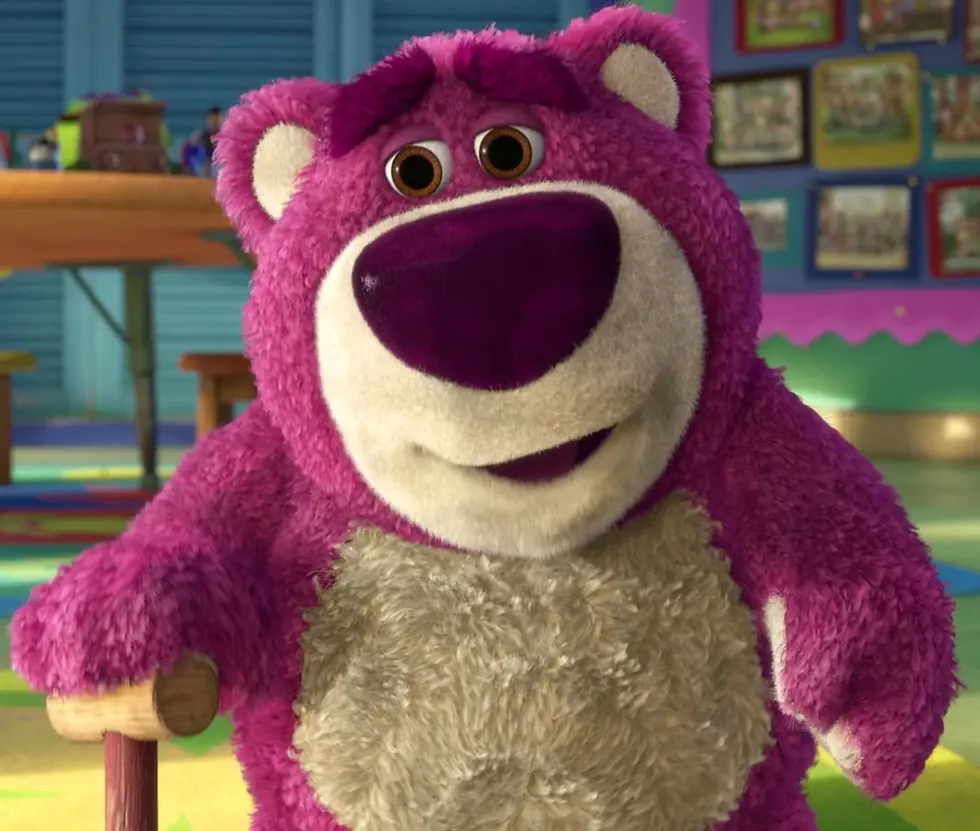
Lotso, the strawberry-scented bear from Toy Story 3, is the dark mirror of Woody. After being accidentally replaced, Lotso became a bitter dictator of corporate toxicity at Sunnyside Daycare. He believed that love was a lie because it wasn't "permanent."
Lotso’s tragedy teaches us that loyalty requires forgiveness. Woody was also "forgotten" many times, but he chose to stay loyal to the idea of love, whereas Lotso chose the "burnout" of nihilism. This is a powerful relationship lesson: don't let one bad experience rot your heart. Stay open, stay loyal, and don't let a "Daisy" from your past ruin the "Andy" of your future.
Shop This Look (The "Cozy Monochrome" Aesthetic):
[Buy Men's Pink Oversized Fleece Hoodie on Amazon]
[Buy Premium White Canvas Trousers on Amazon]
[Buy Scented Strawberry Fragrance for Men on Amazon]
2. True Friendship Requires Sacrifice (The Woody & Buzz Dynamic)
The intense chemistry between a cowboy and a spaceman shouldn't work, yet it is the gold standard for found family in film. Throughout four movies, we see them save each other, lie for each other, and ultimately, let each other go.
The lesson here is that love isn't about possession; it's about what is best for the other person. When Buzz gives Woody the "nod" to stay with Bo Peep at the end of Toy Story 4, it is the ultimate act of mentoring and friendship. They are no longer just toys; they are "soul brothers." This provides an inspired guide for our own relationships: the people who truly love you will always encourage you to follow your own vision, even if it means they have to say goodbye.
Shop This Look (The "Action Hero" Aesthetic):
[Buy Men's Brown Distressed Leather Jacket on Amazon]
[Buy Tactical Sports Watch for Men on Amazon]
[Buy Men's Slim-Fit Black Chino Pants on Amazon]
You’ll also love: Finding Love and Faith: A Guide to Modern Dating
Listen to our stories of growth and love: That Love Podcast Episodes
1. Letting Go is the Ultimate Act of Love
The #1 lesson we learned from Toy Story—the one that made grown men sob in theaters across the globe—is that the most powerful thing you can do for someone you love is to let them go. Andy giving his toys to Bonnie wasn't a tragedy; it was a legacy. He was passing his joy on to the next generation.
This is the "greatness" of the human experience. We are all just "temporary owners" of the things and people we love. Whether it’s a child growing up, a friend moving away, or a parent passing on, the "total transformation" of love happens when we release our grip and say, "Thanks for everything." It’s the most difficult lifestyle improvement to master, but it’s the one that brings the most peace and inspiration. As Woody says in that final, legendary line: "So long, partner."
Conclusion
The Toy Story franchise has spent over 30 years teaching us that we are all part of a "grand design" of love and growth. From the "childhood fears" of being replaced to the "adult wisdom" of letting go, these movies serve as an inspired guide to being a better human. By embracing these ten life lessons, you aren't just looking at animated masterpieces; you are looking into a mirror. You are learning to value your authentic voice, to build a found family, and to face the "moving days" of your life with courage and poise. In 2026, as we continue to navigate a world that feels increasingly digital and "disposable," let the heart of a pull-string cowboy and a plastic spaceman remind you of what is truly "timeless." Remember, you have a friend in them—and more importantly, you have the potential for greatness within yourself. To infinity and beyond, partner.

Support the show: Donate to That Love Podcast
Explore more about love and life: That Love Podcast Episodes
You Might Like This
Toy Story has always had more on its mind than toys going on adventures. Friendship, jealousy, growing up, letting go, and finding purpose all run through the series, and these related articles explore those ideas even further:
10 FAQs
1. Why does Toy Story resonate so much with adults? It tackles universal themes like abandonment, the "fear of aging," and the "evolution of identity," making it a powerful tool for emotional growth at any age.
2. What is the most important lesson from Woody? Woody teaches us that leadership is about serving others and that our value comes from our character, not our "stardom."
3. How does Buzz Lightyear represent "Vulnerability"? Buzz’s journey from "delusional hero" to "accepted toy" mirrors our own human struggle to accept our "limitations" and find strength in authenticity.
4. What does the "Incinerator Scene" teach us about community? It proves that a found family is our greatest asset in times of "crisis" and that unity is stronger than fear.
5. Is Lotso really evil, or just hurt? Lotso is a "cautionary tale" about what happens when we refuse to heal from our past trauma, turning "pain" into "power" through control.
6. Why is "Andy's name on the boot" so significant? It represents our desire for belonging and the labels we use to define ourselves, which we must eventually outgrow to find our "authentic self."
7. How can I apply the "Moving Day" lesson to my career? See every professional shift as an "evolution" rather than an ending. Use resilience to navigate the "unknown" of a new role.
8. What can Gabby Gabby teach us about empathy? She shows that behind every "villainous" act is often a "voice box" that has been silenced by rejection. Kindness can provide a "redemption" arc for anyone.
9. How do I "let go" like Andy did at the end of Toy Story 3? Recognize that holding on too tight can prevent the people (and toys) we love from reaching their full potential. Release is an act of greatness.
10. Where can I find more "Toy Story" inspired lifestyle content? Check out Pinterest and TikTok for "vintage revival" toy decor and "found family" aesthetic tips.
External Link: The Psychology of Pixar: Why Animated Movies Make Us Cry




.jpg)





.jpg)


