






10 Best Batman Comics for Beginners

Getting into Batman comics can feel like arriving in the middle of a story that has been running for decades. The good news is that you do not need to read every issue in order. Many acclaimed Batman graphic novels work as self-contained stories or accessible starting points, introducing Bruce Wayne, Gotham City and the characters who shape his world without requiring a long reading list. This guide follows your exact ranking, from Batman: Earth One at number ten to Batman: Year One at number one.
The selections include origin stories, detective mysteries, psychological character studies and major events. Some are especially welcoming to new readers; others are best approached after you know the basic premise. Each entry explains what the story offers and what a beginner should know before opening it. Editions and collected volumes can differ, so check that the volume you buy contains the story named here. For an official starting point, see DC’s guide to starting Batman comics.
Support That Love Podcast
For more superhero recommendations, browse 10 DC Movies and Shows for Dark Knight Trilogy Fans and Top 10 Marvel & DC Movies Ranked in IMDb’s Top 250. Visit the Episodes page for more pop-culture conversations, or support That Love Podcast if our guides help you find your next story.
Enjoying these recommendations? Support That Love Podcast and keep independent entertainment content coming.
If you love this, explore more Batman and DC recommendations and listen to our episodes.
Want to Reach Entertainment Fans?
Brands, publishers, streaming services and creators can learn about advertising with That Love Podcast.
10. Batman: Earth One
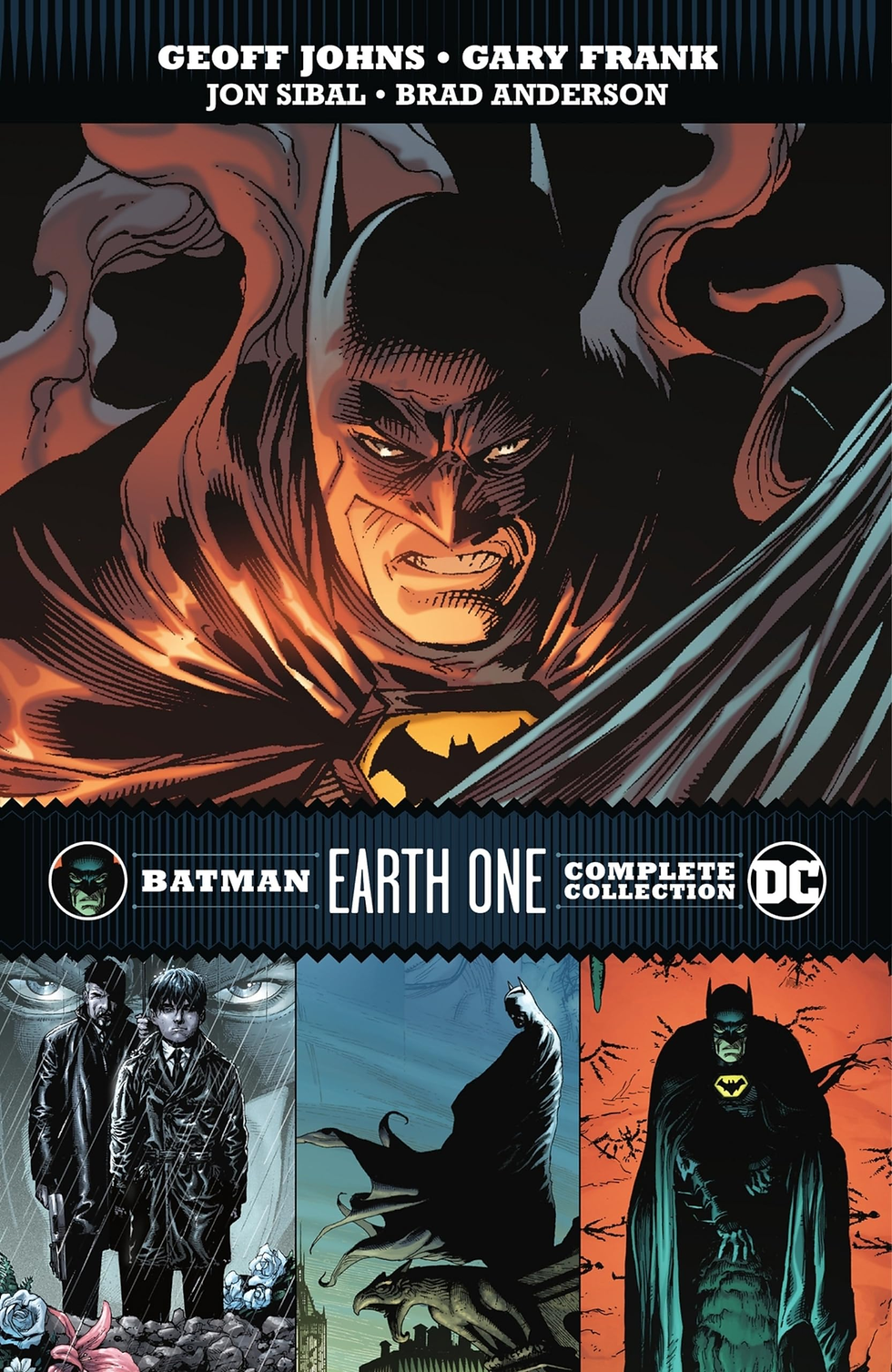
Geoff Johns and Gary Frank’s Batman: Earth One reimagines Bruce Wayne’s early years in a separate continuity. This is not the main DC timeline’s definitive origin; it is an alternate take that lets new readers meet a less polished Bruce. He is inexperienced, emotionally raw and still learning what it means to act as Batman. Gotham’s political power structure and the Wayne family legacy also receive a fresh interpretation.
That self-contained quality makes the book a useful entry point. Readers do not need background on decades of continuity, and the story establishes the core ingredients clearly: a young Bruce, Alfred as a crucial partner, a corrupt city and a developing detective. Its version of the hero makes mistakes, which gives the familiar origin a different energy. If you enjoy the central idea, the series continues in later volumes, but the first book stands on its own well enough for a newcomer.
At number ten, Earth One is a good choice for readers who want a contemporary alternate-universe introduction. Start here if you prefer seeing Bruce learn through trial and error instead of meeting a fully formed crime fighter. It is also an easy way to compare how different creative teams reshape the same foundational character.
Need a listening break between books? Discover That Love Podcast episodes.
9. Batman: The Dark Knight Returns

Frank Miller’s Batman: The Dark Knight Returns is a landmark story about an older Bruce Wayne returning to action after years of retirement. Its influence can be felt across later comics and screen adaptations, but beginners should know that it presents a specific, unusually hard-edged interpretation rather than a neutral starting definition of Batman. Bruce is older, more severe and operating in a city whose public institutions have lost confidence.
The book works as a standalone graphic novel and gives readers a complete story. It explores what Batman means when the character’s body is ageing but his desire to fight injustice has not disappeared. The art and narration create a distinctive atmosphere, and the conflicts with Gotham’s authorities, new criminals and Superman make it one of the most discussed Batman books ever published.
Why place it ninth for beginners? Its historical significance makes it essential, but its tone is more rewarding after you understand the familiar version of Batman that it challenges. Read Year One first if you want the origin, then come here to see a possible future. At number nine, it is a major piece of the character’s publishing history and an absorbing, contained read.
8. Batman: Under the Red Hood
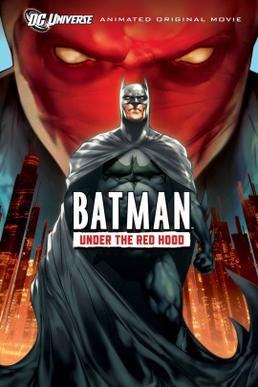
Under the Red Hood is a revenge story that asks what Batman’s no-kill rule means when someone from his past returns with a weapon and a grievance. The story introduces the Red Hood as a new criminal power in Gotham and gradually reveals his connection to Bruce. Readers who know nothing about Jason Todd can still follow the mystery, although the emotional stakes become clearer if they know that Jason was once one of Batman’s Robins.
The collection is a useful next step after a basic introduction because it explores the consequences of Batman’s choices. Bruce has a strict code, but the story forces him to confront the possibility that his restraint has not prevented every tragedy. The Red Hood is not simply another costumed villain; he is someone whose history gives the conflict a personal edge.
At number eight, this book is accessible as a crime saga while offering extra rewards to readers familiar with the Bat-family. It also has a well-known animated adaptation, so beginners can compare how the story changes across formats. Choose it if you want an action-driven narrative with a serious argument at its centre.
7. Batman: Ego
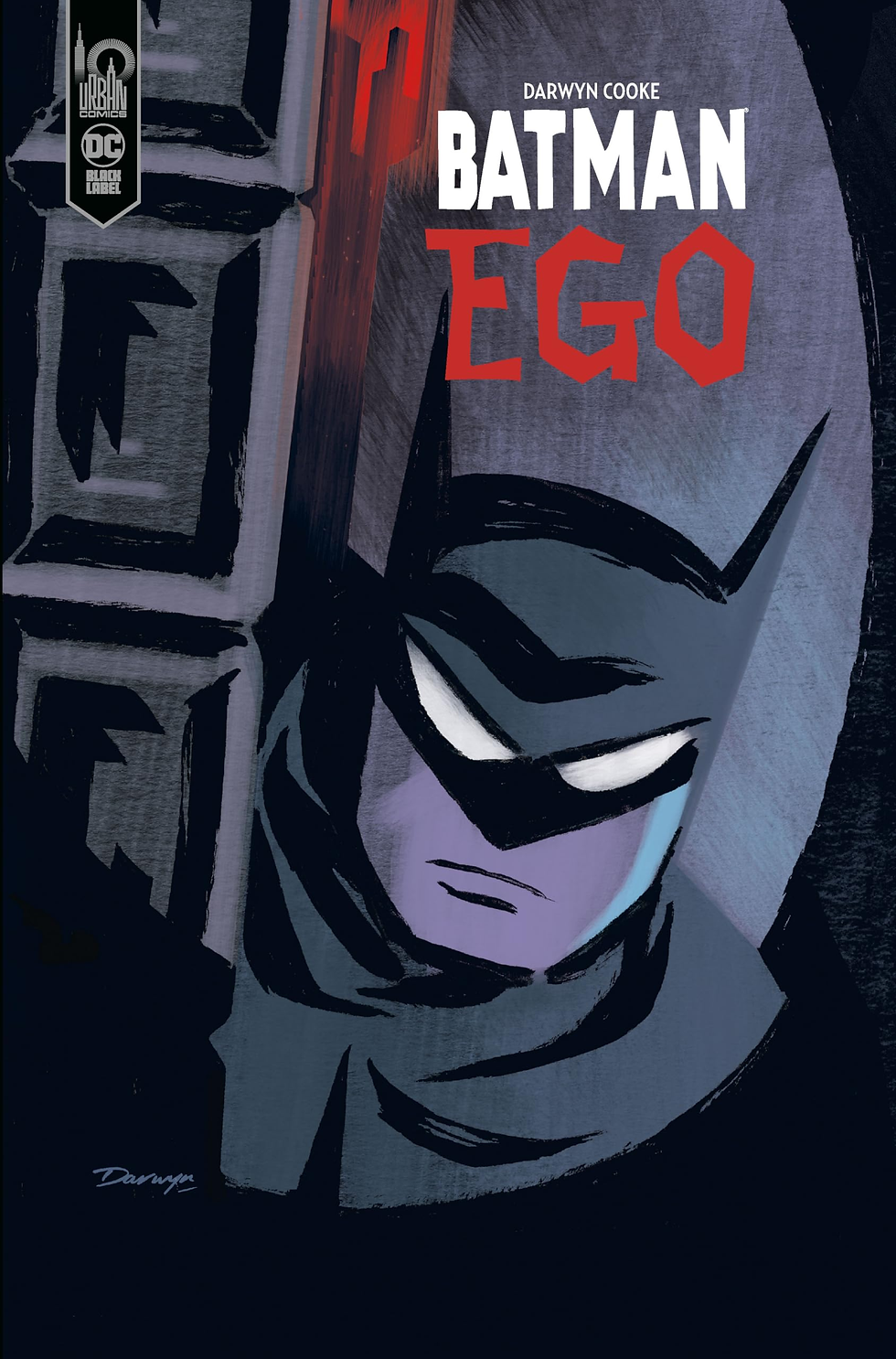
Darwyn Cooke’s Batman: Ego is a concise psychological story about Bruce Wayne’s struggle with the identity he has created. Rather than building toward a citywide crisis, it takes the reader inside Bruce’s mind after a traumatic case. Batman must face the darker impulse represented by the persona he has made, and the story asks whether that anger can be controlled or only redirected.
Its short length and focused idea make it approachable for a new reader. You do not need to understand current continuity, and the story does not rely on a long list of supporting characters. The art contributes strongly to the mood, moving between familiar Gotham imagery and the more subjective, internal conflict. It is a character study first and an action comic second.
Ego is a strong choice for readers asking what separates Bruce Wayne from Batman. The answer is complicated: the mask gives him purpose, but it also gives his anger a shape. At number seven, it is among the most thoughtful standalone Batman stories and a useful contrast to larger crossover events.
6. Batman: The Man Who Laughs
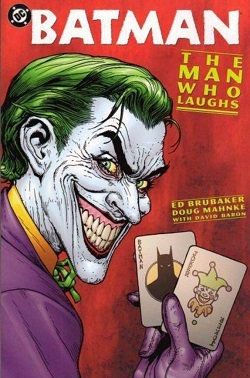
The Man Who Laughs tells an early Batman-Joker story, placing the first clash between Gotham’s new vigilante and the city’s most theatrical criminal. It draws inspiration from the character’s earliest comic appearance and gives readers a clear introduction to the rivalry. The Joker’s crimes announce a different kind of threat from ordinary mob violence, while Batman has to understand the pattern before the next attack.
For beginners, the appeal is straightforward: the story does not require deep knowledge of the wider DC Universe. It presents the central ingredients of the rivalry—Joker’s unpredictable theatricality, Batman’s detective work and Gotham as the stage on which they test one another. The book works especially well after Year One, since it can be read as an early chapter in a modern origin-era sequence.
At number six, this comic is a strong first Joker story for readers who want a direct, focused confrontation. It does not attempt to summarise every later version of the character. Instead, it introduces the danger of a villain who treats crime as performance and sees Batman as his most interesting audience.
Taking a break from reading? Explore the latest episodes.
That Love Podcast also offers advertising opportunities for entertainment brands and creators. See the information above to get in touch.
5. Batman: The Court of Owls
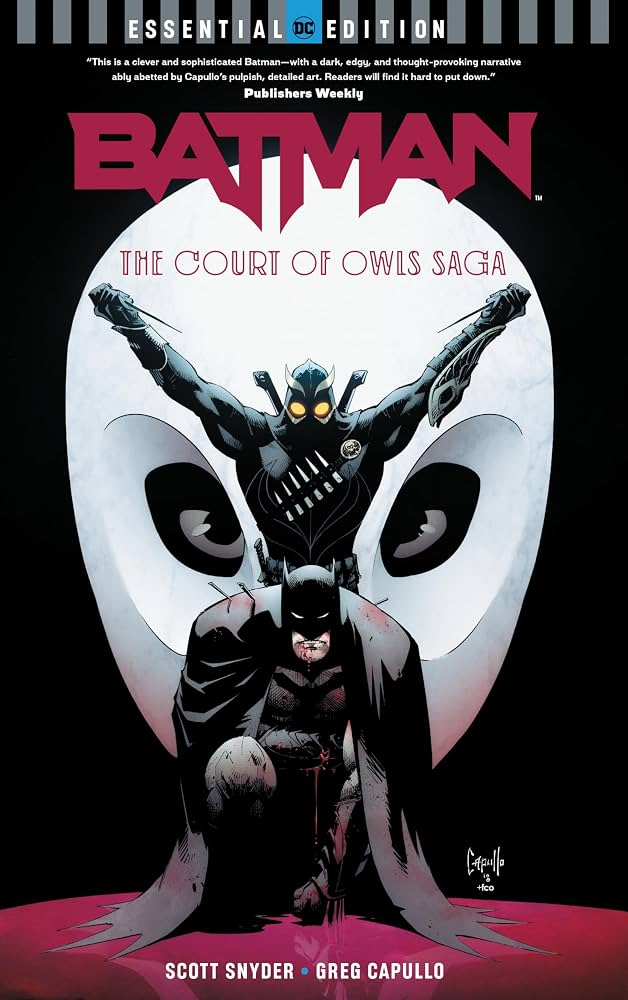
Scott Snyder and Greg Capullo’s Court of Owls begins a major modern Batman story about a secret society with deep roots in Gotham. Bruce believes he knows his city, but a series of clues suggests that an unseen power has been shaping it for generations. The mystery challenges his expertise and introduces the idea that Gotham may be more ancient and more controlled than he thought.
The book is a strong beginner choice because it starts a new run and makes its central mystery legible without requiring a full history of Batman comics. Readers meet Bruce as an established hero, but the story explains enough of his relationship with Gotham to make the danger clear. Capullo’s art gives the Court and its Talons a memorable visual identity, while the story’s shifts in perspective keep the investigation moving.
At number five, Court of Owls is a modern classic and an excellent gateway into contemporary Batman comics. It is especially appealing if you enjoy detective stories, secret societies and the unsettling idea that a hero may not know his own home as well as he thinks. DC’s official graphic novel page gives edition details.
4. Batman: The Killing Joke
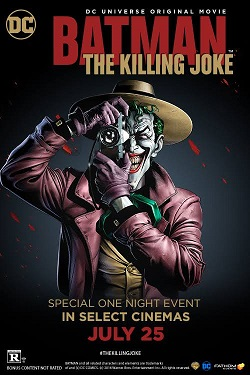
Alan Moore and Brian Bolland’s The Killing Joke is one of the most discussed Batman-Joker stories. It explores the Joker’s attempt to prove that a terrible day can push an ordinary person into madness. Batman tries to stop the plan and considers whether his relationship with the Joker might end another way. The book is short and self-contained, but its dark subject matter and controversial choices make it a more challenging recommendation for first-time readers.
A beginner can follow the plot without extensive continuity knowledge. Still, it helps to know that the story is an intense psychological confrontation rather than a broad introduction to Batman’s world. The artwork and structure are influential, and the narrative has shaped later interpretations of Joker. Readers should be aware that the comic depicts violence and trauma in a way that has prompted significant debate among fans and critics.
At number four, The Killing Joke is included for its influence and its central character study, not because it is the only place to begin. Consider reading Year One or The Long Halloween first, then return to this story when you want to explore the darker edge of Batman’s rivalry with Joker.
3. Batman: Hush
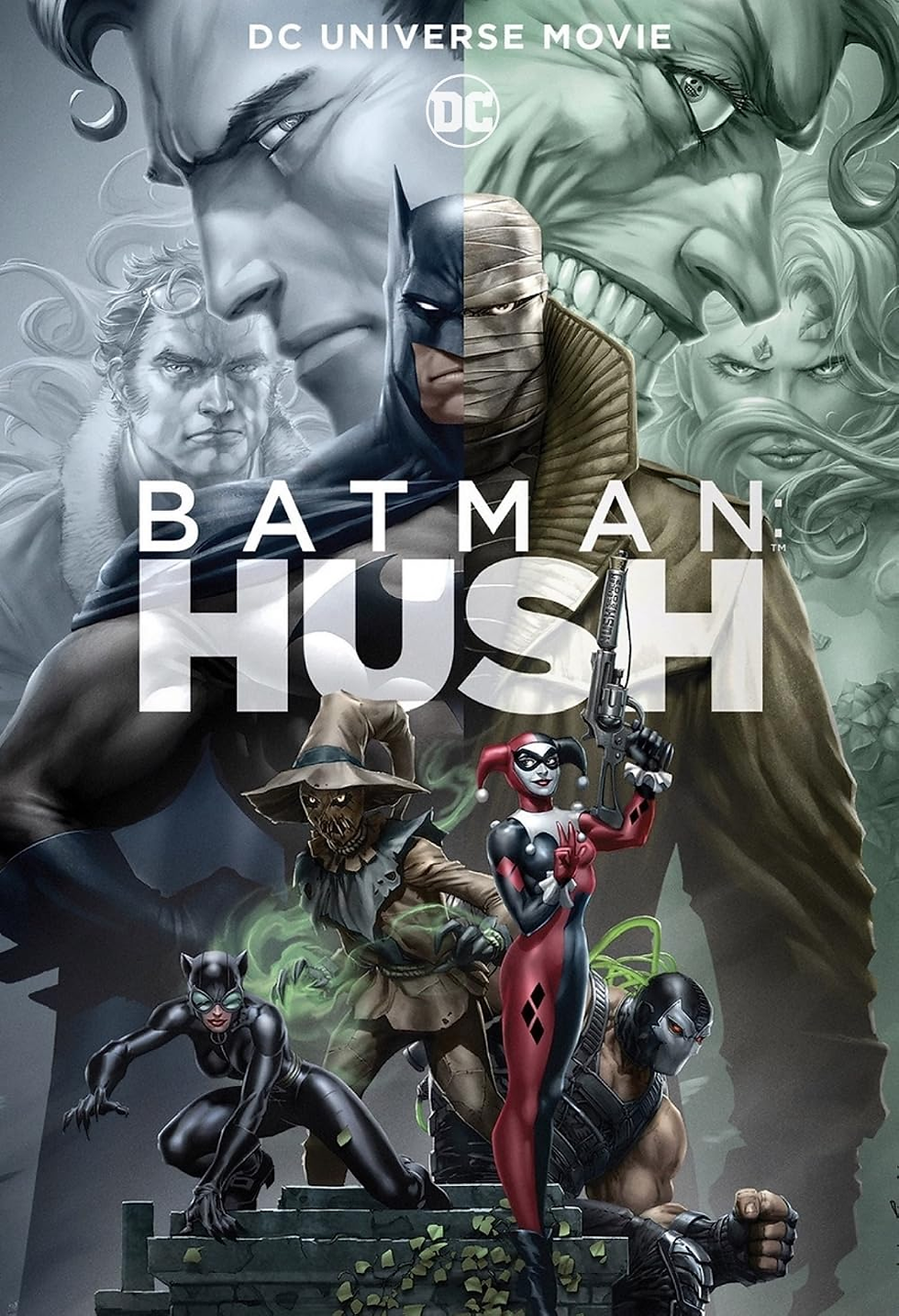
Jeph Loeb and Jim Lee’s Hush is a high-profile mystery that brings together many of Batman’s allies and enemies. A new figure called Hush appears to be manipulating events in Gotham, while Bruce’s personal life and past relationships become part of the investigation. The book’s greatest strength for beginners is its broad tour of Batman’s world: readers encounter familiar characters without needing to have read every previous appearance.
The story is designed as a mystery, with clues and misdirection encouraging readers to form theories as they go. Jim Lee’s polished, cinematic art makes the large cast easy to distinguish and gives the action an immediately accessible look. Because the story features so many figures from Batman’s history, some references will have extra resonance for long-time fans, but the central plot remains understandable on its own.
At number three, Hush is a good next read after an origin story. It shows how expansive the Batman mythos can be and offers a useful sampling of villains, allies and complicated romances. Avoid searching for the answer before reading if you want the mystery to land as intended.
2. Batman: The Long Halloween

Jeph Loeb and Tim Sale’s The Long Halloween follows Batman during his early career as a serial killer known as Holiday targets members of Gotham’s criminal families on significant dates. The case develops across a year, and Batman works with Harvey Dent and Lieutenant Gordon to uncover who is responsible. The story combines detective mystery with the transformation of Gotham’s underworld and Harvey’s eventual tragedy.
The book is one of the best choices for readers who want to see Batman as a detective. The holiday clues give the investigation a clear structure, while the changing alliances show how organised crime and costumed villains overlap. Tim Sale’s expressive art creates a noir atmosphere that distinguishes the story from more realistic crime comics. The plot also gives a newcomer a strong introduction to Harvey Dent and the moral pressure that can turn hope into tragedy.
At number two, it is a nearly ideal beginner graphic novel: self-contained, atmospheric and central to the modern Batman tradition. It pairs naturally with Batman: Year One, though it can be read independently. If you enjoy it, follow up with Dark Victory, which continues aspects of the story.
Before the No. 1 comic, discover original stories on That Love Podcast.
1. Batman: Year One
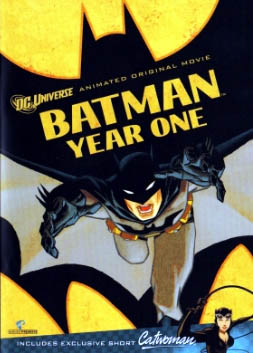
Frank Miller and David Mazzucchelli’s Year One is the strongest first Batman comic because it retells the beginnings of Bruce Wayne’s mission with focus and clarity. The story follows Bruce as he returns to Gotham and tries to become a symbol that criminals will fear, while Lieutenant James Gordon arrives in a city whose police department is compromised. Their parallel stories make Gotham itself part of the origin.
The book is grounded and character-driven. Bruce is not yet a flawless fighter or master detective; he makes mistakes and has to learn how to work in the city. Gordon’s perspective adds an ordinary lawman’s view of the same corrupt system. Mazzucchelli’s art and Miller’s narration keep the plot direct, while the relationship between the two men establishes one of Batman’s most important alliances.
Year One is often recommended as a starting point because readers can understand it without a continuity guide. It gives the essentials—Bruce’s mission, Gotham’s corruption and the value of allies—without trying to include every famous villain. At number one, it is a clear, compelling origin that prepares readers to explore the rest of the list.
A Simple Batman Comics Reading Path
If you are starting from zero, read Year One first, then The Long Halloween for a detective mystery that expands the cast. Hush offers a broader tour of Batman’s allies and enemies. Court of Owls moves into a modern storyline, while Ego gives you a short character study between larger books. The Man Who Laughs and Under the Red Hood are useful if you want to focus on Joker or Jason Todd.
There is no single mandatory order for these graphic novels. Continuity in superhero comics can be flexible, and collected editions may present different material depending on the publisher and format. Check the contents page before buying, especially for books with multiple volumes or anniversary editions. DC’s Batman comics starting guide is a helpful companion for readers ready to continue beyond these ten books.
How to Build a Batman Comics Reading List
A new reader does not need a complete chronological checklist. It is more useful to choose a story by tone and then follow the threads that genuinely interest you. If you like grounded origins, Year One is a natural first book. If you prefer a murder mystery, The Long Halloween gives you a case with a beginning, middle and resolution. Readers who want a broad cast can move to Hush, while Court of Owls introduces a modern storyline with a clear central mystery.
Standalone books and long runs serve different purposes. Ego is short and introspective, so it can be read in one sitting and does not demand follow-up. The Dark Knight Returns also functions as a complete story, but it reimagines Batman as an older, more extreme figure; it is most satisfying when you already recognise the familiar hero it is challenging. Earth One offers another alternate approach and can be enjoyed without tracking changes in the main continuity.
Collected editions sometimes package multiple arcs together, so check the table of contents before you buy. A volume labelled with a character or storyline may include a sequel, a tie-in or a special issue. Digital editions can use different volume numbering from print collections. If you are borrowing from a library, ask whether the next volume continues the same run, and do not worry if you choose a different story before completing every related book.
Batman continuity has been rebooted and reshaped several times, but the character’s basic foundations remain easy to understand. Bruce Wayne is a wealthy Gotham resident whose parents were murdered when he was a child; he trains to fight crime and adopts a bat symbol to frighten criminals. Alfred, Gordon, Robin, Catwoman and the rogues gallery add different kinds of relationships. Most recommended graphic novels explain what a first-time reader needs for that particular story.
These books also show how the medium changes the reading experience. Page layout controls pace: a full-page reveal can make a mystery land differently from a quick cut between panels. Colour and line can move from noir shadow to expressive fantasy. Reading several versions side by side is a useful way to see why one definitive visual style has never replaced all the others.
A sensible first-month plan could be Year One, then The Long Halloween, followed by Ego as a shorter character study. After that, pick Hush if you want a crowded Gotham adventure or Court of Owls if you want a modern arc. Save The Killing Joke and The Dark Knight Returns for when you are curious about influential, more challenging interpretations. The best order is the one that makes you want to read another book.
Choosing a First Batman Graphic Novel
Think about the kind of reading experience you want before choosing a book. Year One and Earth One focus on beginnings, but one belongs to a widely influential continuity and the other deliberately reimagines the material. The Long Halloween uses a calendar-based murder mystery to pull the reader through a year in Gotham. Hush presents a wide cast and a puzzle about who is moving events from behind the scenes. Court of Owls has the pace of a modern thriller and opens a larger story arc.
A beginner should not feel obliged to solve the publication history before reading. Superhero comics often have retcons, alternate timelines and events that change the status quo, but a well-chosen collected story explains what its plot needs. If a name or relationship is unfamiliar, keep reading; many books supply context through dialogue and images. You can look up background after finishing rather than interrupting every chapter.
Pay attention to the creative team as you find your preferences. Writers bring different ideas about Bruce’s code and Gotham’s institutions. Artists shape the mood through page layout, shadow, colour and the design of action. A reader who loves Tim Sale’s noir visual language may want to seek other work by that artist; someone drawn to the clean, dynamic storytelling in Hush may favour similarly accessible superhero art.
A practical route is to start with Year One, continue to The Long Halloween, then choose a different style for the third book. Ego offers a short psychological story, while Hush or Court of Owls introduces a larger ensemble. Save the more challenging reinterpretations for when you want to see how writers can push the character. This approach builds familiarity gradually while leaving room to jump to whatever looks interesting.
For advertising and partnership opportunities, please refer to the details above and contact the That Love Podcast team.
Conclusion
The best Batman comics for beginners offer several ways into Gotham. Year One establishes Bruce’s mission, The Long Halloween builds a compelling case, and Hush introduces a broad cast. Court of Owls shows how a modern run can refresh the city’s mysteries, while Ego looks inward at the person behind the mask. The Killing Joke, The Dark Knight Returns and Under the Red Hood are influential stories that reward readers who already know the basics. Earth One provides an alternate continuity, and The Man Who Laughs offers an accessible early Joker clash.
This ranking follows your order, but you can choose based on the kind of story you want. If you prefer origin stories, start at number one. If you want a big mystery, try The Long Halloween or Hush. If you are curious about Batman’s darker psychology, pick Ego. For more superhero coverage, read Top 10 Marvel & DC Movies Ranked in IMDb’s Top 250, then visit our homepage for new entertainment guides.
Support That Love Podcast
Enjoyed the guide? Support That Love Podcast.
🎧 Keep the conversation going after this conclusion with That Love Podcast episodes.
Frequently Asked Questions
What is the best Batman comic for beginners?
Batman: Year One is the clearest starting point in this ranking. It presents Bruce Wayne’s early mission and Gordon’s work in a corrupt Gotham without requiring knowledge of long-running continuity. The Long Halloween is another excellent choice if you prefer a detective mystery.
Do I need to read Batman comics in order?
No. Many Batman graphic novels are self-contained or designed to welcome new readers. Some stories connect to others, but a beginner can choose based on character, tone or subject. Check an edition’s contents and any collected-volume notes if you want to follow a particular run.
Is The Dark Knight Returns a good first Batman comic?
It can be read on its own, but it presents an older and unusually hard-edged Batman. It is often more rewarding after you know the basic character and want to see a famous alternate future. Year One is generally a more straightforward first choice.
What should I read after Batman: Year One?
The Long Halloween is a natural follow-up because it continues Batman’s early-career atmosphere and features Harvey Dent and Gordon. Dark Victory continues parts of The Long Halloween. You can also jump to Hush or Court of Owls for a later-career Batman mystery.
Is Batman: The Killing Joke suitable for younger readers?
The Killing Joke contains dark themes and depictions of violence and trauma. Suitability depends on the reader’s age and comfort level, so an adult should check the edition and content before recommending it to a younger reader. It is not necessary reading for understanding Batman.
What is Batman: Hush about?
Hush is a mystery involving a new enemy who appears to manipulate Batman’s wider circle. The story features many allies and villains, making it a broad introduction to the cast. It is usually more rewarding after readers understand the basic premise of Bruce Wayne’s double life.
Is Court of Owls a standalone story?
Court of Owls launches a modern Batman storyline and can be read without deep prior continuity. Its central mystery is understandable to new readers, though it continues into a follow-up arc. Look for the collected edition that includes the first volume of the Court story.
Should I start with comics, films or animation?
Any format can work. Films and animation introduce the character quickly, while comics let you explore a range of tones and eras. If your main interest is reading, start with a self-contained book such as Year One or The Long Halloween rather than trying to begin with a random issue in the middle of a long run.
What does “alternate continuity” mean in Earth One?
Earth One tells a version of Batman’s story outside the main DC comics continuity. It reimagines familiar characters and events, so readers can enjoy it without knowing every change in the main timeline. Treat it as a separate interpretation rather than a required origin.
Where can I find these Batman comics?
Collected editions are commonly sold through bookshops, comic shops and digital comic platforms, but availability varies. Check the exact title, volume and edition before buying, since some books have anniversary editions or multiple collected formats. Libraries may also carry graphic novels.
You May Also Love
More Places to Find Great Movies and TV Shows
DC’s Batman comics starting guide
DC’s official Court of Owls graphic novel page
For more film, television, comics and pop-culture information, these reference sites are useful starting points:
Advertising and Support
For advertising and partnerships, visit the That Love Podcast contact page. If this guide helped you choose a book, support our work.
Enjoyed what you read?
Subscribe to the That Love Podcast newsletter for the latest blogs, entertainment recommendations, updates and exclusive giveaways. Share the article with someone who loves movies, television, books or pop culture. Let’s spread the love together!


.jpg)



.jpg)


