






10 Sewing Tips to Recreate Taylor Swift Tour Looks

Updated: Aug 9
Introduction
The Eras Tour wasn't just a concert; it was a cultural phenomenon that fundamentally changed the landscape of concert fashion. Even in 2026, the ripple effects are felt in the DIY community. Taylor Swift’s tour sparked a massive resurgence in sewing, crafting, and costume design, as fans traded fast fashion for handmade, hyper-specific replicas of her iconic stage looks. From the shimmering, rhinestone-encrusted Lover bodysuit to the flowing, moss-covered cottagecore gowns of the Folklore era, "The Eras Tour" became the ultimate runway for creativity.
Recreating these looks is no small feat. It requires navigating tricky fabrics like sequins, mesh, and spandex, mastering the art of structural corsetry, and possessing the patience of a saint when it comes to hand-gluing thousands of crystals. But the reward—stepping into a stadium (or a themed party) in a garment made with your own hands—is unmatched. Whether you are a seasoned seamstress or a beginner looking to tackle your first big project, these tips will guide you through the technical challenges of bringing Taylor's wardrobe to life.
We have compiled the top 10 essential sewing tips for recreating Taylor Swift tour looks, ranked from foundational skills to the advanced techniques that separate a costume from couture. Get your sewing machine ready; we are entering our DIY era.
You Might Like This
Recreating tour looks yourself gives you much more freedom to adapt the colour, fit, sparkle, and details to your own style. These related concert and Taylor-inspired guides offer more inspiration:
10. Master the Art of Rhinestoning (The Glue Debate)

The Look: The Lover Bodysuit, The Midnights Bodysuit The Challenge: Keeping thousands of stones attached while dancing.
Kicking off our list at number 10 is the technique that defines the Eras Tour aesthetic: Rhinestoning. You cannot recreate the Lover bodysuit without tackling the sparkle. The key here isn't just buying shiny things; it's understanding adhesion.
The Glue Strategy: The debate usually falls between E6000 and Gem-Tac.
E6000: This is the industrial standard. It is incredibly strong and flexible, making it perfect for bodysuits that need to stretch. However, the fumes are toxic. Safety Tip: Always use E6000 in a well-ventilated area or wear a respirator mask.
Gem-Tac: This is a non-toxic, water-based glue. It is easier to work with but takes longer to dry and isn't quite as indestructible as E6000.
Application Tip: Do not apply glue to the stone. Apply small dots of glue directly onto the fabric in small sections (so it doesn't dry out), then use a wax pencil or a "crystal katana" tool to pick up the stone and press it into the glue. For the Lover bodysuit, you are looking at approximately 3,000 to 5,000 stones. Work in gradients, mixing sizes (ss16, ss20, ss30) to create a textured, expensive look rather than a flat, uniform grid.
9. Sewing Sequins Without Breaking Needles

The Look: The Red Era Romper, The 1989 Set The Challenge: Snapped needles and dull scissors.
At number 9, we tackle the nemesis of sewing machines everywhere: Sequins. Taylor's Red era is defined by that sparkling crimson romper, but sewing sequin fabric is notorious for breaking needles and ruining shears.
The Fix: You must "sculpt" your seam allowances. Before you sew two pieces of sequin fabric together, you need to remove the sequins from the seam line.
Mark your stitch line (usually 5/8").
Use a seam ripper or small scissors to cut the sequins off the fabric only within that seam allowance. Do not cut the thread holding them if it creates a run; just snip the plastic discs.
This leaves you with a bald strip of mesh or satin to sew through.
Needle Choice: Use a Microtex or Jeans needle. These are sharp and strong enough to punch through any stray plastic you might have missed. And never, ever use your good fabric scissors to cut sequin fabric—dedicate a pair of "trash scissors" to this task to save your blades.
8. Handling Chiffon and Rolled Hems

The Look: The Folklore and Evermore Dresses The Challenge: Fraying edges and slippery fabric.
Number 8 takes us to the cottagecore woods. The Folklore dresses are characterized by flowy, ethereal chiffon fabrics that drape beautifully but are a nightmare to sew. They slip, they slide, and they fray the second you look at them.
The Technique:
Cutting: Use a rotary cutter and a self-healing mat rather than lifting the fabric with scissors, which distorts the grain. Use pattern weights instead of pins to avoid leaving holes.
French Seams: Because chiffon is sheer, your insides will show. A French seam encloses the raw edge completely, giving a professional, couture finish that prevents fraying.
Rolled Hems: For those fluttering sleeves and miles of skirt hem, a standard fold-over hem looks bulky. Use a rolled hem presser foot on your machine, or a 3-thread rolled hem on a serger, to create a delicate, wire-thin edge that floats on the air.
Internal Link: Love the romantic look of the Folklore era? See how this style translates to bridal fashion in 16 Trendy 2026 Wedding Ideas.
7. Creating Movement with Fringe

The Look: The Fearless Dress The Challenge: Avoiding a tangled mess and ensuring the "shake."
Ranking seventh is the kinetic energy of the Fearless era. That gold fringe dress is iconic because of how it moves when Taylor spins. The mistake many beginners make is sewing fringe flat, resulting in a stiff look.
The Secret: Layering density. Do not just sew one row of fringe. You need to overlap your rows slightly to hide the ribbon header of the fringe trim.
Spacing: If your fringe is 6 inches long, sew your rows about 1 to 1.5 inches apart. This ensures that when the top layer flies up during a spin, the layer underneath provides coverage and volume.
Stabilizing: Sew the fringe onto a stable base fabric (like a cotton coutil or a stable interlining) before constructing the dress, or sew it onto the finished garment while it is on a dress form to ensure it hangs correctly over the curves of the body.
6. Working with Stretch Fabrics (Spandex & Mesh)

The Look: The Reputation Bodysuit, The Midnights Bodysuit The Challenge: Popped seams and wavy hems.
At number 6, we address the foundation of pop star fashion: Stretch. Most of Taylor's outfits are performance wear designed to allow extreme movement. To recreate the Reputation one-legged bodysuit, you need to master sewing knits.
The Stitch: Do not use a straight stitch; it will snap the moment you pull the bodysuit on. You must use a Zig-Zag stitch (usually a narrow setting like 0.5 width, 2.5 length) or a "Lightning Bolt" stretch stitch if your machine has it. Even better, use a Serger (Overlocker) for construction seams.
Walking Foot: Stretch fabrics like to drag under the presser foot, creating wavy, stretched-out seams. A Walking Foot attachment feeds the top and bottom layers of fabric evenly, preventing this distortion. It is the single best investment for sewing bodysuits.
External Link: Check out Patterns for Pirates or Jalie Patterns for excellent bodysuit bases to hack.
You Might Like This
Recreating tour looks yourself gives you much more freedom to adapt the colour, fit, sparkle, and details to your own style. These related concert and Taylor-inspired guides offer more inspiration:
5. Appliqué on Sheer Mesh

The Look: The Reputation Snake Bodysuit The Challenge: Sewing heavy patches onto delicate fabric.
Breaking into the top 5 is the intricate detail of the Reputation era. The red snakes slithering up the sheer black mesh require advanced appliqué techniques. If you simply sew a sequin snake onto thin mesh, the mesh will sag and tear under the weight.
The Fix: You need a stabilizer.
Water Soluble Stabilizer: Place a layer of this paper-like material underneath the mesh while you sew. It makes the mesh stiff and stable like cardstock.
Stitch: Zig-zag stitch around the edge of your snake appliqué.
Rinse: Once sewn, dunk the garment in water. The stabilizer dissolves, leaving just the snake floating on the mesh. This ensures the snake follows the curve of the body without puckering the delicate sheer fabric.
4. Fabric Dyeing for Ombre Effects
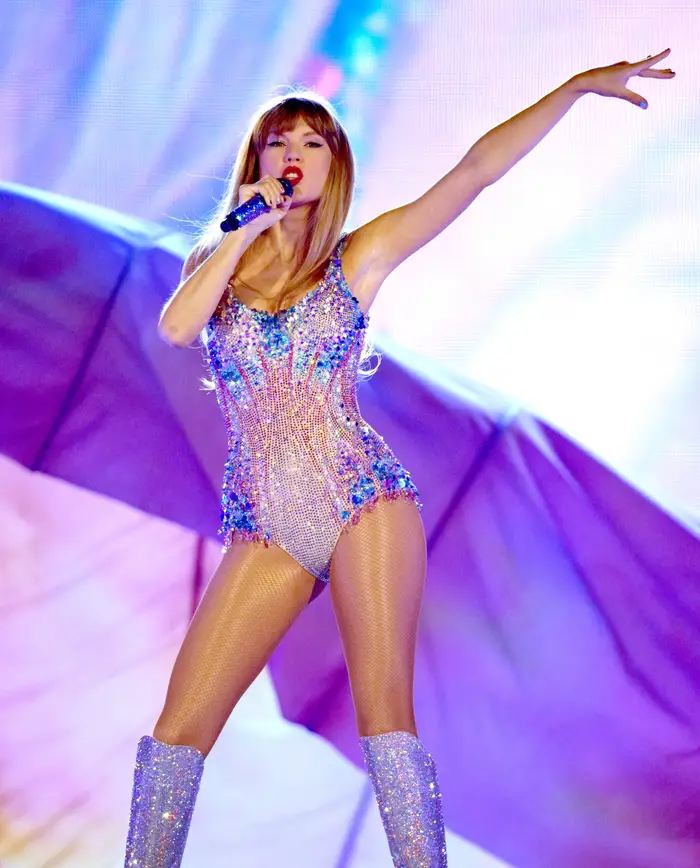
The Look: The Lover Bodysuit The Challenge: Getting a smooth gradient.
Number 4 brings out the chemist in you. The Lover bodysuit isn't just pink and blue; it is a seamless sunset gradient. You rarely find fabric that matches this perfectly, so DIY dyeing is essential.
The Method: Use a synthetic dye (like Rit Dyemore) because bodysuits are made of polyester/spandex.
Dip Dyeing: Keep a pot of hot dye on the stove. Wet your fabric first. Dip the section you want darkest into the dye and hold it there. Slowly lower the rest of the fabric in and pull it out quickly to create the lighter fade.
Blending: For the transition between pink and blue, allow the dyes to bleed slightly into each other to create a purple transition zone, rather than a hard line. Always test on a scrap piece of the exact same fabric first!
3. Corsetry and Boning Basics

The Look: The Speak Now Ballgown, The TTPD White Gown The Challenge: Keeping the bodice up and smooth.
Taking the bronze medal at number 3 is structural engineering. Taylor's ballgowns and the Tortured Poets Department white gown rely on internal structure to stay up without straps and to provide a smooth silhouette for lyrics or crystals.
The Materials:
Rigilene Boning: This is a plastic boning that can be sewn through. It provides light support and is good for beginners.
Spiral Steel Boning: For a truly professional, heavy-duty corset that cinches the waist, use spiral steel. It flexes with the body (so you can dance) but never kinks.
Coutil: Use a non-stretch layer (interfacing or coutil) inside the bodice. Even if the outside fashion fabric stretches, the internal structure must be rigid to hold the boning and grommets in place.
Internal Link: Structure is key for professional attire too. Learn how to style tailored looks in 10 Power Outfit Ideas to Dress to Impress at Work.
2. Creating Volume with Tulle (Horsehair Braid)

The Look: The Speak Now Ballgown, The Enchanted Dress The Challenge: Getting the skirt to stand out without weighing a ton.
The runner-up at number 2 is volume. To achieve the massive circumference of the Speak Now gown, you can't just rely on layers of fabric.
The Secret Weapon: Horsehair Braid. This isn't actual hair; it's a stiff plastic mesh tape. Sew a 2-inch or 4-inch wide horsehair braid into the hem of your lining or tulle layers. It forces the hem to stand away from the body, creating massive volume and those beautiful, rolling "waves" at the bottom of the skirt. It adds drama without adding the weight of 20 extra layers of crinoline.
1. The "Frankenstein" Pattern Method
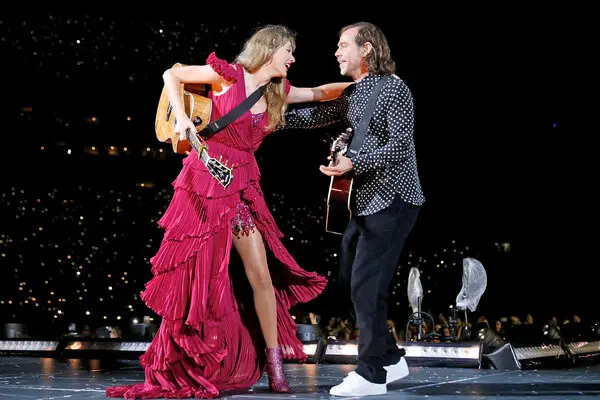
The Look: Every Custom Tour Outfit The Challenge: No commercial pattern looks exactly right.
Taking the number 1 spot is the most important skill of all: Pattern Hacking. You will almost never find a "Simplicity" pattern that is an exact replica of a Taylor Swift tour look. You have to create it.
The Method: Don't start from scratch. Buy a commercial pattern that is close (e.g., a basic swimsuit pattern for the bodysuits, or a prom dress pattern for Speak Now).
Modify: Trace the pattern onto paper, then slash and spread it to add volume, or cut it apart to create color-blocking seams (like the 1989 two-piece sets).
Mock-Up: Always, always sew a "muslin" (a test version in cheap fabric) first. This allows you to fit the garment to your specific measurements and draw the new design lines directly onto the fabric while it's on your body. This is how costume designers achieve that "painted on" fit.
Call to Action: Ready to start your project? Stream our latest episode on "Creative Confidence" on That Love Podcast and check out local fabric stores for your supplies.
Conclusion
Recreating a Taylor Swift tour look is a journey of patience, creativity, and a lot of glue. It pushes your sewing skills to the limit, forcing you to learn new techniques like dyeing, corsetry, and crystal application. But when you put on that finished garment—whether it's a fringed dress that shimmies or a bodysuit that sparkles under the lights—you aren't just wearing a costume. You are wearing a labor of love that connects you to the music and the community.
So, thread that needle, turn up "Shake It Off," and don't be afraid to make the whole place shimmer.
You Might Like This
Recreating tour looks yourself gives you much more freedom to adapt the colour, fit, sparkle, and details to your own style. These related concert and Taylor-inspired guides offer more inspiration:

10 FAQs
1. What is the best glue for rhinestones on a bodysuit? E6000 is the strongest and most flexible, but Gem-Tac is a safer, non-toxic alternative that works well if you allow ample drying time (24-48 hours).
2. How much fabric do I need for the Folklore dress? A lot. For a maxi dress with cape sleeves and ruffles, aim for 6 to 8 yards of chiffon to ensure you have enough for gathering and French seams.
3. Can I sew sequins with a regular needle? It is risky. A regular needle will dull quickly or break. Use a Microtex or Jeans needle and try to remove sequins from the seam allowance first.
4. How do I make the Fearless fringe dress spin better? Use rayon fringe rather than polyester. Rayon is heavier and has better "drape" and movement. Polyester fringe is stiff and static.
5. What fabric should I use for the Reputation bodysuit? Use a 4-way stretch mesh (power mesh) for the sheer parts and a high-quality performance velvet or spandex for the solid parts.
6. Do I need a serger to sew the bodysuits? No, but it helps. You can sew the entire bodysuit on a regular sewing machine using a zig-zag stitch or a stretch stitch.
7. How do I wash my handmade tour outfit? Hand wash only in cold water. Never put a rhinestoned or fringed outfit in the washing machine or dryer. The heat will melt the glue, and the agitation will destroy the fringe.
8. What is horsehair braid? It is a stiff, synthetic mesh tape used in hems to give them body and structure. It is essential for ballgowns like the Speak Now dress.
9. How do I get the lyrics on the TTPD dress? You can use Heat Transfer Vinyl (HTV) cut with a Cricut machine, or use fabric paint and stencils for a more handwritten, organic look.
10. Is it expensive to make these costumes? It can be. While you save on labor costs, high-quality materials (rhinestones, yards of chiffon, fringe) add up. Budget accordingly and look for sales or bulk discounts on stones.
External Link
The Sewing Rabbit - Sewing Stretch Fabric Guide - A great resource for mastering knits and spandex.
💡 You Might Also Like
If you enjoyed this, here are more trending fashion, beauty, and style ideas to explore next:
👗 10 Bold Print Fashion Trends for 2026https://www.thatlovepodcast.com/post/10-bold-print-fashion-trends-for-2026
✨ 10 Fashion Trends for 2026https://www.thatlovepodcast.com/post/10-fashion-trends-for-2026
🌴 12 Tropical Nail Art Ideas for Summer 2025https://www.thatlovepodcast.com/post/12-tropical-nail-art-ideas-for-summer-2025
🧵 10 Sewing Tips to Recreate Taylor Swift Tour Lookshttps://www.thatlovepodcast.com/post/10-sewing-tips-to-recreate-taylor-swift-tour-looks
🍀 Stylish St. Patrick's Day Outfitshttps://www.thatlovepodcast.com/post/10-stylish-st-patricks-day-outfits-that-arent-just-green-t-shirts
☀️ 11 Lightweight Suit Styles for Hot Weather in 2025https://www.thatlovepodcast.com/post/11-lightweight-suit-styles-for-hot-weather-in-2025
💧 5 Wet Hairstyles for Busy Morningshttps://www.thatlovepodcast.com/post/5-wet-hairstyles-for-busy-mornings



.jpg)



.jpg)


