






The Dreadful (2026) Movie Review

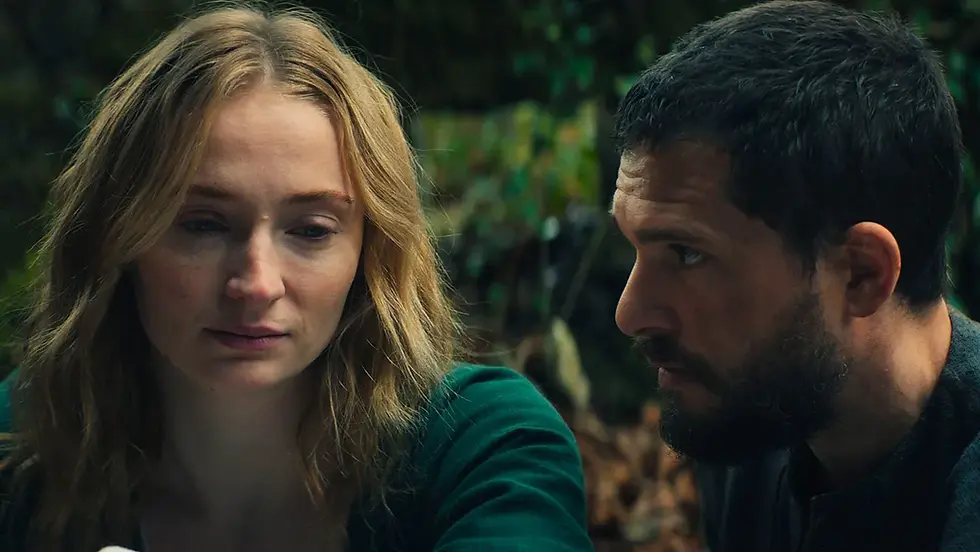
A damp, bone-chilling fog seems to roll right off the screen and into your living room the moment Natasha Kermani’s The Dreadful begins. Set against the bleak, unforgiving landscape of the 15th century, the film arrives on the shoulders of massive pop-culture expectations. For the first time since the polarizing finale of Game of Thrones seven years ago, Sophie Turner and Kit Harington are reunited on screen. This is not the glittering fantasy of Westeros, however. This is mud, blood, and religious terror. In this The Dreadful review, we explore a gothic horror that aims for the profound, atmospheric dread of classic 60s cinema. Kermani has crafted a world dripping with tension and aesthetic beauty, making it a must-watch for genre purists. Yet, despite the undeniable allure of seeing the Stark siblings share the screen once more, the film ultimately asks a difficult question: can exquisite atmosphere save a story that stumbles when it matters most?
💖 If this guide inspires or helps you, consider supporting us here: https://www.thatlovepodcast.com/donate
Related Articles from That Love Podcast
A Dance with Death and Devotion
The narrative of The Dreadful is rooted in the desperate, agonizing wait of women left behind by war. We meet Anne (Sophie Turner), a fiercely pious woman clinging to her faith and her domineering mother-in-law, Morwen (Marcia Gay Harden). They live in crushing poverty on the fringes of society, their survival dependent on meager rations and Morwen’s increasingly ruthless willingness to steal from their neighbors. Their entire existence is a holding pattern, waiting for the return of Anne’s husband, Seamus. The fragile ecosystem of their shared misery shatters when Jago (Kit Harington), Seamus’s childhood friend and a confessed deserter, arrives bearing devastating news: Seamus is dead.
This revelation is the catalyst that sends the film hurtling into darkness. Morwen descends into a violent, avaricious madness, dragging a reluctant Anne into her bloody orbit. Simultaneously, Jago offers Anne an escape, sparking a dangerous, illicit romance that challenges her religious vows. Caught between the terrifying demands of her mother-in-law and the thrilling, yet sinful, allure of her husband's friend, Anne’s psyche begins to fracture. The question of "is The Dreadful based on a true story?" is easily answered no, but its deep inspiration drawn from Kaneto Shindō's 1964 Japanese classic Onibaba gives the plot a timeless, folkloric weight. The tension lies not just in the physical threat of starvation or discovery, but in the spiritual battle for Anne's soul.
Shadow and Fog: The Cinematic Craft
Natasha Kermani approaches The Dreadful with the eye of a painter obsessed with decay. Her visual language is oppressively beautiful. Working alongside cinematographer Julia Swain, the film is bathed in desaturated tones—slate grays, muddy browns, and the sickly yellow of candlelight. The camera rarely makes sudden movements; instead, it lingers on the harsh textures of the period: the rough weave of wool, the dirt under fingernails, the glint of a stolen blade. Kermani excels at building a dream-like, suffocating atmosphere that makes the viewer feel the cold dampness of the setting in their bones. If you appreciate films that prioritize visual mood over jump scares, you will likely find a lot to love here, much like the slow-burn dread analyzed in our review of The Witch (2015).
However, a film cannot survive on fog alone. The pacing in the first two acts is a deliberate, agonizing crawl that builds tension effectively, but the editing rhythm becomes erratic as the film rushes toward its climax. Where the production design truly shines is in its stark minimalism, utilizing the isolating landscape to mirror the characters' internal desolation. This is elevated significantly by Jamal Green’s haunting score, a dark, lilting composition that swells perfectly to punctuate the horror. For a deeper understanding of how Kermani honors her cinematic influences, exploring her official IMDb page reveals her consistent dedication to female-led psychological thrillers.
Faith, Greed, and the Masks We Wear
The thematic architecture of The Dreadful is fascinating, though occasionally heavy-handed. The central conflict revolves around the corruption of faith. Anne’s piety is constantly tested by a world that seems abandoned by God. Her religious guilt is weaponized, first by the society that demands her submission, and then by Morwen, who twists scripture to justify her descent into murderous greed. The The Dreadful explained narrative asks whether morality can survive in absolute poverty, or if survival inherently requires sin.
Furthermore, the film plays heavily with the concept of possession—not demonic, but interpersonal. Both Morwen and Jago seek to possess Anne, viewing her not as a person with agency, but as an object to fulfill their own emotional and physical needs. The film’s most crucial visual metaphor—a terrifying mask central to the third-act twist borrowed from Onibaba—serves to highlight the monstrous identities people adopt when pushed to the brink. It is a rich thematic vein to mine, exploring how trauma and desperation warp the human soul. For viewers who enjoy unpacking complex, character-driven horror, this thematic depth aligns perfectly with the psychological terrors discussed in our list of Movies That Make You Question Reality.
The Starks Reunited: Acting and Chemistry
The primary marketing hook for The Dreadful is, undeniably, the reunion of Sophie Turner and Kit Harington. Their on-screen chemistry, built over years of playing siblings, translates surprisingly well into the dark, desperate romance of Jago and Anne. The moments where their characters connect silently—a stolen glance, a hesitant touch—are the few instances where the film allows warmth to penetrate the gloom. However, the The Dreadful cast faces a significant hurdle: the dialogue.
"It's the first time we've seen Anne smile properly in the movie, and she looks younger and happier with Jago."
The script demands a thick, archaic English accent that proves challenging. Harington leans into it heavily, resulting in a grating, sometimes incomprehensible delivery that distracts from his naturally commanding physical presence. Turner, conversely, barely attempts the accent, which ironically makes her the most grounded and watchable character. Yet, the film's MVP is undoubtedly Marcia Gay Harden. Her portrayal of Morwen is a masterclass in feral intensity. She oscillates between a mourning, fragile mother and a bloodthirsty, manipulative crone with terrifying ease. Her sharp, unpredictable performance anchors the film, ensuring that even when the narrative wavers, you cannot look away from her. To see how other actors handle the transition from fantasy epics to intimate horror, read our feature on Actors Escaping Their Most Famous Roles.

A Masterclass in Mood Setting
When evaluating the strengths of The Dreadful, the discussion must begin and end with its atmosphere. Kermani has successfully crafted a genuine Gothic nightmare. The film’s ability to sustain a tone of impending doom is exceptional. The nightmare sequences that plague Anne—flashes of gore and religious iconography—are genuinely unsettling and beautifully constructed.
Furthermore, the film does not shy away from the brutal reality of its historical setting. The desperation of Morwen and Anne is palpable, making their horrific choices feel, if not justifiable, then horribly inevitable. This commitment to the grim reality of poverty elevates the horror from the supernatural to the deeply human. It is a film that rewards patience, enveloping the viewer in a suffocating world where every shadow feels like a threat. If you appreciate the meticulous world-building of period horror, this film will satisfy that specific craving, much like the titles featured in our Best A24 Horror Movies Ranked roundup.
Stumbling in the Dark: The Third Act
Unfortunately, The Dreadful falters exactly where it needs to soar. The film spends over an hour meticulously building tension, only to squander it in a rushed and confusing third act. When the central twist is finally revealed, the film seems unsure of what to do with the supernatural elements it introduces.
The pacing goes into overdrive, abruptly resolving Anne’s character arc before she is given the chance to truly develop. We spend so little time with Anne outside the influence of Morwen and Jago that when she is finally forced to make her ultimate choice, it lacks the emotional weight it requires. The ending feels abrupt, robbing the film of the devastating momentum it had carefully cultivated. This flaw will be particularly frustrating for audiences who invest deeply in the slow-burn setup, only to be handed a conclusion that feels incomplete.
Echoes of the Past: Comparative Analysis
It is impossible to discuss The Dreadful without acknowledging its direct inspiration, Onibaba. Where Kaneto Shindō used the mystery of the Samurai mask as a sharp commentary on the dehumanizing effects of war, Kermani’s adaptation loses some of that biting social critique in favor of supernatural ambiguity.
When looking at recent Western cinema, the The Dreadful vs The Witch comparison is apt. Both films isolate female characters in harsh, religiously oppressive historical settings, utilizing slow-burn dread and folklore. However, where Robert Eggers’ The Witch committed fully to its terrifying conclusion, The Dreadful hesitates, leaving its themes slightly unfulfilled. Still, for fans of the genre, it provides a solid, if flawed, entry into the modern Gothic revival.
If you are a fan of atmospheric period horror, consider adding these comparable titles to your physical media collection:
Who Should Brave the Fog?
This film is precision-engineered for a specific audience. If you are a devotee of slow-burn Gothic horror, a fan of deeply atmospheric period pieces, or someone who simply must see the Game of Thrones reunion between Turner and Harington, The Dreadful is worth your time.
However, general audiences looking for fast-paced action or traditional jump-scare horror will likely find the pacing tedious. Couples looking for a dark, moody watch on a rainy night will appreciate the grim romance, but be aware: this is a bleak film. Content warnings apply for graphic violence, intense psychological manipulation, and disturbing religious imagery. It asks for your patience, and while the payoff may be imperfect, the journey through the fog is undeniably striking.
The Lingering Chill: Personal Impact
Long after the credits rolled, the feeling that stuck with me wasn't terror, but a profound sense of melancholy. The Dreadful is a deeply sad film about people trapped by their circumstances and their own worst instincts. It made me reflect on how easily faith can be corrupted into a weapon when survival is on the line.
While I found myself frustrated by the abruptness of the finale, I couldn't stop thinking about Marcia Gay Harden's terrifying performance. Her portrayal of Morwen is the kind of cinematic monster that gets under your skin because her motivations—hunger, fear, and a desperate need to control her environment—are so fundamentally human. The film doesn't entirely succeed, but it leaves a cold, damp impression that is hard to shake.
The Final Verdict
In the final assessment of our The Dreadful review, the film stands as a gorgeously flawed experiment in Gothic horror. Natasha Kermani has directed a visually sumptuous, thematically ambitious movie that boasts a powerhouse performance from Marcia Gay Harden and undeniable chemistry between its famous leads. However, its inability to stick the landing in the third act prevents it from achieving the cult-classic status it so clearly aims for.
Should you stream it? Yes, but with managed expectations. If you are willing to forgive a rushed conclusion in exchange for top-tier atmosphere and a genuinely unsettling mood, it is a journey worth taking.
Stream The Dreadful on Hulu (US) and Lionsgate+ globally.
💖 If you enjoyed this, please consider donating here: https://www.thatlovepodcast.com/thewriter
🛒 Want to explore related titles or merchandise? Visit our curated selection on Amazon.
Related Articles from That Love Podcast
You Might Also Like
Frequently Asked Questions
Is The Dreadful worth watching? Yes, if you enjoy slow-burn, highly atmospheric Gothic horror and are a fan of the lead cast. However, viewers who need a fast-paced plot or a neatly resolved, satisfying ending might find it frustrating.
Do I need to have seen Game of Thrones to watch The Dreadful? No, the film is completely unrelated to the HBO series. The only connection is that actors Sophie Turner and Kit Harington star in both, marking their first on-screen reunion since the show ended.
Where can I watch The Dreadful in the UK / US? In the US, The Dreadful is streaming on Hulu following its theatrical run. In the UK, it is available via Lionsgate+ and premium video-on-demand services.
Is The Dreadful suitable for families / couples? It is strictly for adults. The film contains graphic violence, disturbing imagery, and heavy psychological themes. It is suitable for couples who enjoy dark, moody horror films.
Does The Dreadful have a happy ending? No. True to the Gothic horror genre, the ending is bleak, abrupt, and morally ambiguous, leaving the characters in a state of despair rather than triumph.
Is The Dreadful based on a true story or a book? It is not based on a true story. It is an original screenplay heavily inspired by the 1964 Japanese historical horror film Onibaba, directed by Kaneto Shindō.
How long is The Dreadful? The film has a runtime of approximately 1 hour and 45 minutes.
The Dreadful vs The Witch — which is better? The Witch is generally considered a tighter, more successful film with a stronger, more terrifying conclusion. However, The Dreadful offers a more intense interpersonal dynamic between the two female leads.
Will there be a sequel to The Dreadful? No, the film is a self-contained story with a definitive, albeit abrupt, ending. There are no plans for a sequel.
Who plays Morwen in The Dreadful? The character of Morwen, the ruthless mother-in-law, is played by Academy Award-winning actress Marcia Gay Harden.
About the Director
Natasha Kermani is a rising voice in independent genre filmmaking, known for her sharp, feminist approach to science fiction and horror. Her previous works, including the acclaimed sci-fi thriller Imitation Girl (2017) and the horror satire Lucky (2020), established her signature style: moody atmospherics, sparse dialogue, and complex female protagonists navigating hostile environments. With The Dreadful, Kermani steps into period filmmaking, proving her ability to sustain tension and honor classic cinematic influences while working with high-profile casts. IMDb | Rotten Tomatoes | Wikipedia
If you'd like to support That Love Podcast and help us continue creating passionate reviews, storytelling, and inspiring content, consider donating here: https://www.thatlovepodcast.com/donate


.jpg)





.jpg)


