



.jpg)
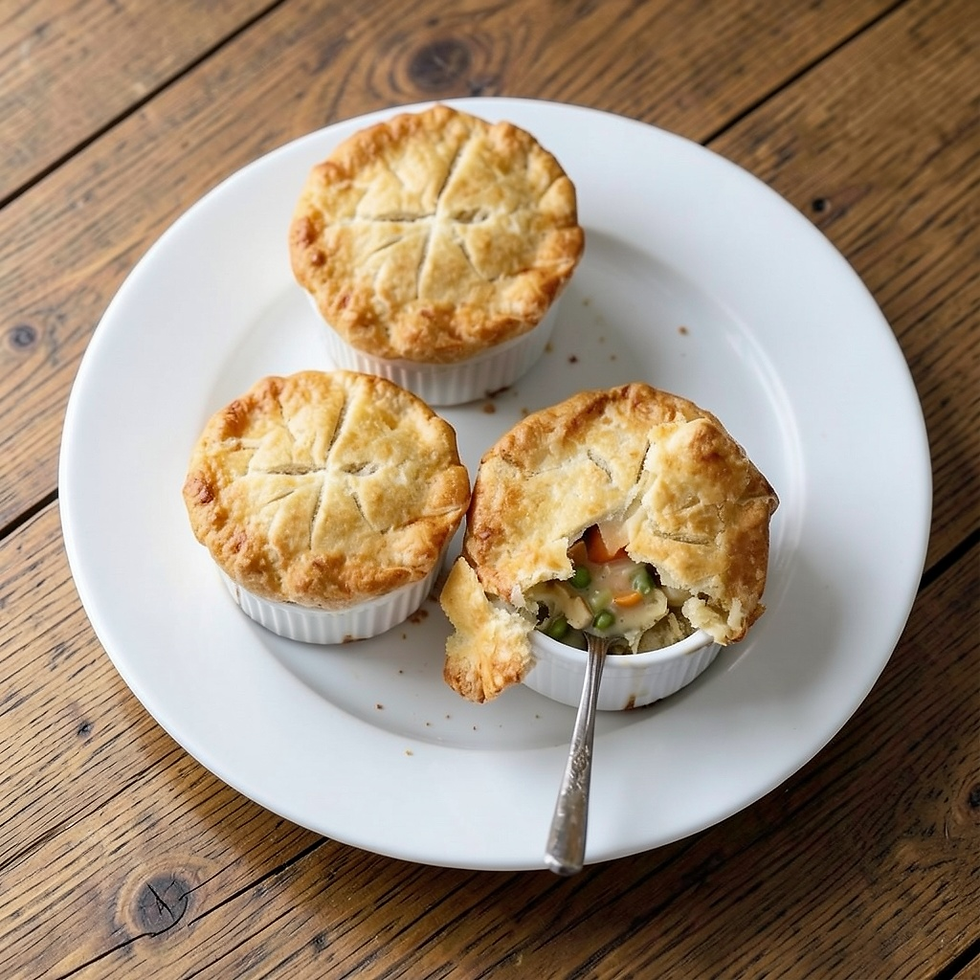
Homemade Chicken Pot Pie with Flaky Butter Crust

Updated: Jan 28
Introduction
There are few dishes in the culinary world that evoke the same level of visceral, heartwarming nostalgia as a chicken pot pie. It is the culinary equivalent of a weighted blanket, a warm embrace on a rainy afternoon, or the feeling of returning home after a long journey. The scent alone—a complex bouquet of roasted poultry, savory herbs, caramelized aromatic vegetables, and the unmistakable richness of baking butter—has the power to transport us back to family kitchens and Sunday dinners of the past. In an era where food trends move at the speed of light on TikTok and Instagram, shifting from viral feta pastas to smashed burger tacos, the enduring legacy of the chicken pot pie remains unshaken. It does not need to be reinvented because it is already perfect.
However, the difference between a frozen, store-bought pie and one made from scratch is the difference between a flicker and a flame. This recipe is not just a meal; it is a labor of love that rewards the cook with a golden, bubbling masterpiece. What makes this specific version unique, and why it has garnered such a devoted following, lies in the science of its components. We are not simply throwing ingredients into a dish; we are engineering the perfect bite.
This recipe distinguishes itself with two specific culinary secrets. First, the filling utilizes a dual-thickening method involving both flour and cornstarch, ensuring a gravy that is luscious and glossy without being gummy or overly dense. Second, the crust—the crowning glory of the dish—incorporates a splash of vinegar. This acidity inhibits gluten formation, resulting in a pastry that is shatteringly flaky and tender, defying the toughness that often plagues homemade crusts. It is a harmonious balance of texture and flavor, designed to be the best chicken pot pie you will ever taste.
If you enjoy our recipes and the stories that connect us through food, please consider supporting our work here: https://www.thatlovepodcast.com/donate.
The Art and Science of the Perfect Chicken Pot Pie
Creating the ultimate chicken pot pie is a journey that begins with understanding your ingredients and treating them with respect. This is not a 30-minute meal, though the active time is manageable; it is a project for a cozy afternoon where the process is just as enjoyable as the result. To build this masterpiece, we must look at the dish in two distinct parts: the rich, creamy filling and the buttery, flaky vessel that encases it.
The Foundation: Aromatics and Texture
The soul of this dish lies in the mirepoix. In French culinary tradition, a mirepoix is the holy trinity of onions, carrots, and celery, which provides the aromatic base for soups, stocks, and sauces. For this recipe, you will need a small onion, finely chopped to melt into the background, a medium carrot peeled and diced for sweetness and color, and a celery stalk diced for that essential savory depth. These vegetables are not merely filler; they are the flavor scaffold upon which the rest of the pie is built.
You will begin by melting unsalted butter in a large saucepan. We use unsalted butter to control the sodium levels, ensuring the final dish is seasoned to your palate, not the butter manufacturer's. Sauté the aromatic vegetables over medium-high heat. You are looking for them to soften and release their moisture, a process that concentrates their natural sugars. The kitchen will begin to smell faintly of Thanksgiving stuffing, a promising sign.
Once the vegetables have softened, you introduce the liquid foundation. A cup of high-quality condensed chicken broth (or water mixed with bouillon cubes) acts as the savory bath for the vegetables. At this stage, you also add half a medium Russet potato, peeled and diced. The potato serves a dual purpose: it adds heartiness to the filling, making it a substantial meal, and as it cooks, it releases starch into the broth, subtly aiding in the thickening process. Simmer this mixture, covered, until the vegetables are tender but not mushy. Texture is paramount here; you want the carrots and potatoes to hold their shape amidst the creamy sauce.
The Secret to the Sauce: Dual Thickening
Here is where this recipe diverges from the standard. Most pot pie recipes rely on a simple roux—flour cooked in fat—to thicken the sauce. While effective, a heavy flour base can sometimes mute the flavors of the herbs and chicken, resulting in a "pasty" mouthfeel. Conversely, using only cornstarch can create a texture that is too gelatinous and lacks the opacity we associate with comfort food gravy.
To solve this, we employ both. You will prepare a mixture of softened butter and all-purpose flour in a small bowl, creating a paste often referred to as a beurre manié. Simultaneously, in a separate vessel, you will dissolve cornstarch into milk. This two-pronged approach gives you the best of both worlds: the rich, creamy mouthfeel and opacity from the flour, and the glossy, smooth binding power of the cornstarch.
When you add the butter and flour mix to the simmering broth, stir constantly. As it melts and integrates, the sauce will begin to take on a velvety consistency. Following this, pour in the milk and cornstarch mixture. Bring this to a gentle boil. The heat activates the starches, and before your eyes, the broth transforms into a thick, luxurious gravy that coats the back of a spoon perfectly. It is at this moment that you season with salt and freshly ground black pepper, tasting as you go.
Finally, fold in your protein and green elements. You will need two cups of cooked, diced chicken breast. It is highly recommended to use chicken that has been roasted or poached specifically for this purpose, ensuring it remains juicy.
If you are looking for entertainment while you chop your chicken and prep your veggies, why not listen to a story about love and connection? Check out our latest episodes here: https://www.thatlovepodcast.com/episodes.
Leftover rotisserie chicken works in a pinch, but the texture of home-roasted chicken is superior. Add half a cup of frozen peas for a pop of sweetness and vibrant green color. Stir everything together, remove from heat, and let the filling cool. Cooling is crucial; if you put hot filling into a raw crust, the butter in the dough will melt prematurely, leading to a soggy bottom.
The Crust: A Masterclass in Flakiness
If the filling is the heart of the pie, the crust is its soul. A great pie crust should be tender, flaky, and golden, shattering delightfully when your fork hits it. The enemy of a flaky crust is gluten development. When flour meets water and is agitated, gluten strands form, which are great for chewy bread but terrible for tender pastry.
To combat this, our recipe introduces a secret weapon: white vinegar. The acid in the vinegar inhibits the formation of long gluten strands, essentially "tenderizing" the dough. You will not taste the vinegar in the final product; it is there purely for chemical assistance.
Begin with two cups of all-purpose flour and half a teaspoon of kosher salt in a food processor. The fat component is one cup (two sticks) of unsalted butter. The temperature of this butter is the single most important factor in your success. It must be ice cold. Cut it into cubes and keep it in the fridge or freezer until the very last second. When you pulse the butter into the flour, you are aiming for chunks the size of peas. You do not want a homogeneous paste. Those little lumps of butter are pockets of steam waiting to happen. When the pie hits the hot oven, the water inside the butter evaporates, creating steam that puffs up the layers of dough, creating flakes.
Add a quarter cup of ice water and the tablespoon of vinegar. Pulse sparingly. The dough should look like a pile of damp, coarse crumbs. It should not form a ball in the processor. If it forms a ball, you have likely overmixed it or added too much water. Test the texture by pinching a small amount between your fingers; if it holds together, it is ready.
Turn the crumbs onto a piece of plastic wrap. Use the edges of the wrap to gather the crumbs and twist the plastic to compress the dough into a ball, handling it as little as possible with your warm hands. Divide the dough into two disks, wrap them tightly, and refrigerate for at least one hour. This rest period allows the flour to fully hydrate and the butter to firm up again, ensuring structural integrity during rolling.
Assembly and The Bake
Preheat your oven to 400°F (200°C). This high initial heat is necessary to set the pastry structure before the butter melts out. On a lightly floured surface, roll out your larger disk of dough to about 13 inches in diameter. This will be your bottom crust. Carefully transfer it to a 9-inch pie dish, allowing the excess to overhang.
Spoon your cooled, creamy chicken filling into the pastry-lined dish. Spread it evenly, ensuring the vegetables and chicken are distributed throughout. Roll out the second disk of dough to about 10 inches for the top crust. If you are feeling artistic, you can create a lattice top, but a full crust with slits cut for steam vents is traditional and comforting.
Place the top crust over the filling. Trim the excess dough and crimp the edges together to seal the pie. This seal is vital to keep the delicious gravy from bubbling out and burning on the oven floor. For that professional, glossy, golden-brown finish, whisk an egg yolk with two teaspoons of milk and brush this wash over the entire top crust.
Place the pie on the middle rack of your oven. Baking will take approximately 50 minutes. You are looking for a deep golden brown color. If you notice the edges browning too quickly compared to the center, you can gently cover the rim with aluminum foil (a pie shield) halfway through baking.
When the timer goes off, resist the urge to cut into it immediately. Let the pie rest for 15 minutes. This resting period allows the filling to set slightly, so when you slice a wedge, the layers remain distinct rather than collapsing into a soup.
Variations and Dietary Adjustments
While this classic recipe is a showstopper, the format of a pot pie is incredibly forgiving and adaptable to various dietary needs and flavor preferences.
For those who prefer dark meat, substituting chicken thighs for breasts adds a richer, more intense poultry flavor. Turkey is also an excellent substitute, making this recipe a perfect vehicle for Thanksgiving leftovers. If you are inclined toward red meat, beef pot pie follows a similar methodology, though you would likely swap the chicken broth for beef stock and perhaps add pearl onions and mushrooms for a bourguignon-style twist.
Vegetarians need not miss out on this comfort. By substituting the chicken broth for a robust vegetable stock and replacing the meat with hearty vegetables like mushrooms, sweet potatoes, and parsnips, you can create a pot pie that satisfies even the most carnivorous appetites. The dual thickening method works just as well with vegetable broth, ensuring the gravy remains satisfyingly rich.
For a gluten-free version, the filling can be thickened entirely with cornstarch (omit the flour-butter mixture and increase the cornstarch slightly). The crust, however, requires a reliable gluten-free flour blend that includes xanthan gum to mimic the elasticity of wheat flour. Ensure your baking powder and broth are also certified gluten-free.
Cultural Context: A Dish with Deep Roots
The concept of the "pot pie" has a lineage that stretches back to the Roman Empire, where meats were often cooked in pots with a pastry lid. In Medieval Europe, these savory pies were known as "coffins" (referring to the basket or box shape of the crust) and were often filled with varied meats, from fowl to venison. They were practical dishes, preserving the meat inside a thick, often inedible crust that acted as a storage container.
As culinary techniques refined, the crust became edible and integral to the dish. The modern American chicken pot pie has roots in the classic English meat pies but evolved to feature the creamy, vegetable-laden gravy we know today. It became a staple of American comfort food in the mid-20th century, a symbol of domestic warmth and abundance. Today, it remains a favorite because it bridges the gap between a soup, a stew, and a pastry, offering a complete meal in a single slice.
Troubleshooting Common Mistakes
Even with a perfect recipe, pitfalls exist. The most common complaint with pot pies is the dreaded "soggy bottom." This occurs when the bottom crust absorbs too much liquid from the filling before it has a chance to bake. To prevent this, ensure your filling is completely cool before assembly. Additionally, you can bake your pie on a preheated baking steel or pizza stone, which delivers a blast of heat to the bottom of the pie dish, setting the crust immediately.
Another issue is a runny filling. If you cut into the pie and the sauce pours out like water, it likely didn't cook long enough for the cornstarch to fully activate, or you cut into it while it was piping hot. Remember, the thickening magic happens as the pie approaches the boil and sets as it cools. Patience during the resting phase is key.
Conversely, a tough crust is the result of overworking the dough or warm butter. When you add water to the flour mixture, pulse only until it forms crumbs. Never knead pie dough like bread. If your kitchen is warm, chill your flour and mixing bowl beforehand. If the butter starts to melt while you are working, stop immediately and put everything in the freezer for ten minutes.
Nutrition and Balance
Chicken pot pie is a hearty, calorie-dense meal, typically categorized as indulgent comfort food. A single serving provides a significant amount of protein from the chicken and dairy, carbohydrates from the crust and potatoes, and fats from the butter and pastry. It is a meal that fuels the body and warms the spirit.
To balance the richness of the pie, consider serving it with a side that offers acidity and crunch. A crisp green salad with a sharp vinaigrette—lemon or balsamic—cuts through the creamy, buttery profile of the pie perfectly. Roasted bitter greens like broccoli rabe or Brussels sprouts also make excellent companions.
Storage and Reheating
This recipe yields a large pie that feeds eight people, or fewer with hearty appetites. Leftovers are almost inevitable and are a delight in their own right. Store leftover pie in the refrigerator, tightly wrapped in foil or plastic wrap, for up to 3 to 5 days.
Reheating requires care to preserve the crust's texture. Microwaving leftover pot pie will result in a soft, soggy crust. The best method is to place the slice on a baking sheet and heat it in a 375°F oven or toaster oven for about 35 minutes, or until the filling is bubbling and the crust has re-crisped.
For meal prep enthusiasts, chicken pot pie is a freezer superstar. You can freeze the unbaked pie for up to three months. Assemble the pie in a freezer-safe dish (disposable aluminum pans work well), wrap it in plastic wrap and then foil, and freeze. When ready to bake, brush with the egg wash and bake from frozen. You will need to add 20 to 30 minutes to the baking time and tent the top with foil if it browns too quickly.
Conclusion
The journey of making a homemade chicken pot pie is one of the most rewarding experiences a home cook can have. There is a profound satisfaction in transforming simple sacks of flour, sticks of butter, and fresh vegetables into a golden dome of deliciousness. It is a dish that demands a little time and attention, but asks for nothing in return but your appetite.
This specific recipe, with its chemically perfected crust and texturally balanced filling, elevates the humble pot pie to a culinary triumph. It is a dish that says "I care about you" to anyone you serve it to. It is the centerpiece of a Sunday family dinner, the cure for a bad week, and the celebration of simple, honest ingredients.
We encourage you to clear your schedule for an afternoon, gather your ingredients, and embrace the process. Feel the cold butter in your fingertips, smell the onions sautéing in the pan, and watch through the oven window as your creation puffs and turns gold. It is an act of creation that feeds the soul as much as the body.
Before we get to the frequently asked questions, if you are looking for something to listen to while the pie rests on the counter, don't forget to check out our latest audio episodes here:

And finally, if you love this recipe and want to support us in creating more detailed guides and content, please consider visiting: https://www.thatlovepodcast.com/donate.
Related Articles from That Love Podcast
5 Romantic Dinner Ideas for a Cozy Night In Discover how to pair this chicken pot pie with the perfect ambiance for a romantic evening at home.
The Art of Slow Living: Cooking as Meditation Explore how recipes like chicken pot pie can become a mindful practice to reduce stress and increase happiness.
Frequently Asked Questions (FAQs)
1. Can I use store-bought pie crust for this recipe? Absolutely. While the homemade vinegar crust offers superior flakiness, a high-quality refrigerated pie crust will work well and save significant time. Just ensure you let it come to room temperature slightly before unrolling to prevent cracking.
2. Why is my pot pie filling runny? This usually happens if the pie wasn't baked long enough for the thickeners to activate fully, or if you cut into it immediately after taking it out of the oven. Ensure the filling is bubbling in the center before removing it, and let it rest for at least 15 minutes.
3. Can I make this recipe ahead of time? Yes. You can make the filling a day in advance and store it in the fridge. You can also make the dough disks ahead of time (up to 3 days in the fridge). Assemble and bake when you are ready.
4. What is the best way to reheat leftovers? Avoid the microwave if you want to keep the crust flaky. Reheat individual slices in a 375°F oven or toaster oven for 15-20 minutes.
5. Can I freeze this pot pie? Yes. You can freeze the unbaked pie for up to 3 months. Wrap it tightly in plastic and foil. Bake from frozen, adding extra time (usually 20-30 minutes extra) and brushing with egg wash right before baking.
6. Do I have to use wine in the recipe? This specific recipe does not call for wine, but many do. If you wish to add depth, a splash of dry white wine can be added to the vegetables before the broth. If avoiding alcohol, the recipe as written is perfectly delicious without it.
7. Can I use rotisserie chicken? Yes, rotisserie chicken is a fantastic time-saver and adds great flavor. Discard the skin and bones, and dice the meat into bite-sized chunks.
8. Why do I need vinegar in the crust? Vinegar is acidic, and it helps inhibit the formation of gluten when water mixes with flour. Less gluten means a more tender, flaky crust rather than a tough, chewy one.
9. Can I make individual pot pies? Yes. This recipe yields enough for about 4 to 6 individual ramekins (depending on size). Adjust the baking time down slightly, checking for doneness around the 30-40 minute mark.
10. What kind of potatoes work best? Russet potatoes are excellent because their high starch content helps thicken the filling slightly, and they become fluffy when cooked. Yukon Gold potatoes are also a good choice if you prefer a creamier, waxy texture that holds its shape better.
External Resources
King Arthur Baking - Pie Crust Guide: https://www.kingarthurbaking.com/learn/guides/pie-crust - An authoritative guide on the science of pie crusts.


.jpg)


.jpg)







Comments