



.jpg)
Delicious Trinidad Pelau with Chicken: The Ultimate One-Pot Caribbean Comfort Meal

Updated: Aug 11
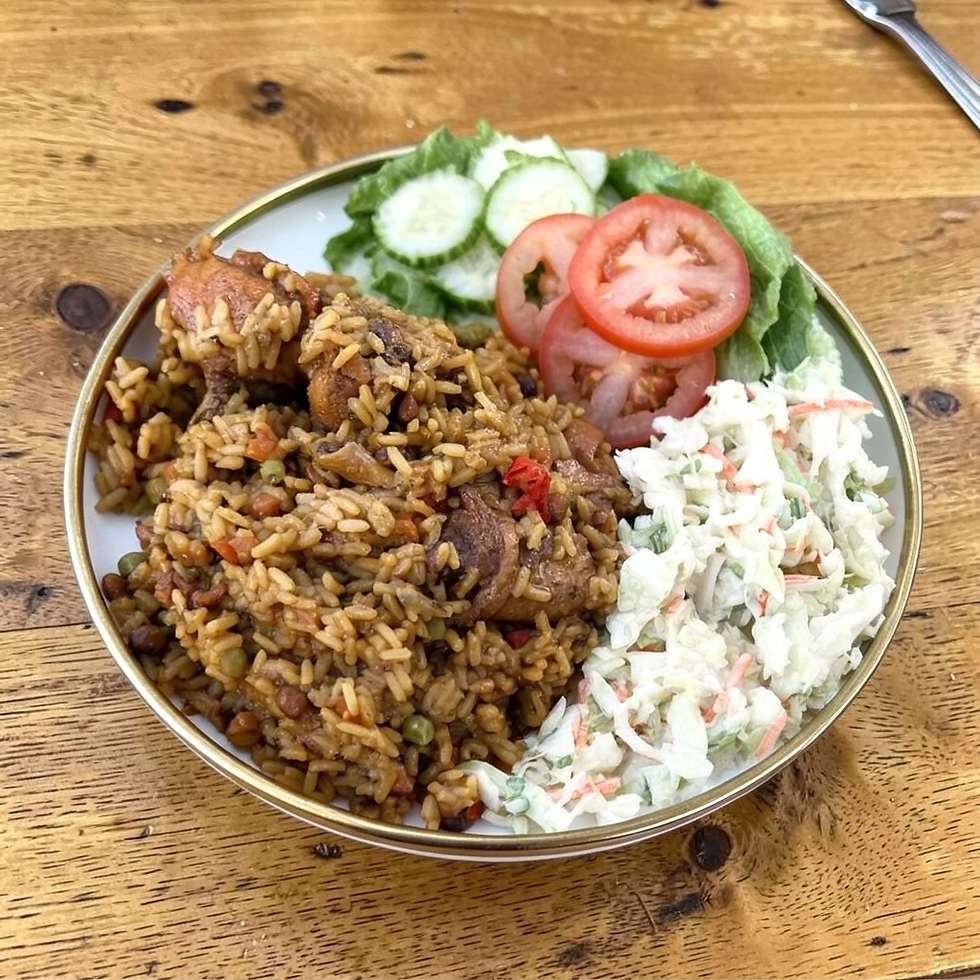
There is a specific, intoxicating aroma that defines a Sunday afternoon in a Trinidadian household. It is the scent of sugar caramelizing in hot oil—a smoky, nutty fragrance that signals the beginning of something sacred. This is the birth of Pelau. In 2026, as the world moves toward "slow living" and the reclamation of ancestral foodways, Trinidadian Pelau has emerged as a global superstar on platforms like TikTok and Pinterest. Home cooks are moving away from sterile, multi-step meal preps and leaning into the "one-pot wonder" philosophy. Pelau is the undisputed heavyweight champion of this category. It isn't just a rice dish; it is a complex tapestry of African, Spanish, and East Indian influences, all simmered together in a single heavy-bottomed pot. It represents the "melting pot" of the Caribbean in the most literal sense.
What makes this specific version of Trinidad Pelau with Chicken so unique is its delicate balance between uncompromising authenticity and modern accessibility. Traditionally, this dish requires a foundational herb paste known as "green seasoning," which can take hours to prepare. In this guide, we mimic those deep, herbaceous vibrations using fresh aromatics added directly to the pot, ensuring that even a cook in a high-rise in London or a bungalow in Toronto can achieve that soul-stirring Trini flavor. We delve into the science of the "sugar burn," the creamy luxury of canned coconut milk, and the spicy, floral heat of the Scotch bonnet pepper. This version celebrates the "bun bun"—the coveted crispy rice at the bottom of the pot—while providing a foolproof method for keeping the rice grains perfectly separate and "grainy," never mushy. It is a meal that tells a story of survival, celebration, and the enduring power of home-cooked comfort.
You Might Like This
Pelau is exactly the kind of one-pot meal that proves comfort food does not have to be boring. These related dishes offer more Caribbean flavours and satisfying chicken dinners:
💖 If this guide inspires your kitchen adventures or helps you find a moment of peace at the dinner table, consider supporting our creative journey here: https://www.thatlovepodcast.com/donate
The Master Palette: Ingredients for a Perfect Pelau
To build a Pelau that would make a Trini grandmother nod in approval, you must start with the right materials. Every ingredient in this list serves a structural purpose. We begin with 2 ½ pounds of chicken thighs, bone-in and skin-on. While you can use breasts, the dark meat is essential for its ability to withstand a 40-minute simmer without becoming stringy. The bone adds a gelatinous depth to the broth that a boneless cut simply cannot provide.
The aromatics are the secondary layer of the foundation. You’ll need 3 sprigs of fresh thyme, 4 cloves of garlic (ideally grated or minced into a fine paste), and a sharp Scotch bonnet pepper. The pepper is a point of contention for many; for a mild dish, we leave it whole to infuse its floral aroma without the fire. For the adventurous, a small nick in the skin of the pepper will release a controlled burn that dances across the palate.
The bulk of the dish is provided by 2 cups of long-grain parboiled rice. This is a non-negotiable requirement. Unlike basmati or jasmine, parboiled rice has been steam-cooked in its husk, which hardens the starch. This ensures that the rice grains remain distinct and firm even after being bathed in coconut milk. Speaking of which, you will need 7 ounces of canned coconut milk. Avoid the "drinking" variety found in the dairy aisle; you need the thick, fatty creaminess of the canned version to achieve the velvety mouthfeel that Pelau is famous for. Finally, the 19-ounce can of pigeon peas provides the nutty, earthy protein that anchors the rice.
Gathering these ingredients is the first step in a meditative process. The cool weight of the chicken, the dry rustle of the rice, and the pungent sting of the garlic all contribute to the ritual. If you find yourself in a romantic or reflective mood while prepping, you might enjoy listening to some of the 10 Songs That Define Modern Love to set the perfect kitchen vibe. The rhythm of the music often mirrors the rhythm of the chopping, creating a holistic sensory experience.
The Alchemy of the Sugar Burn: Detailed Instructions
Step 1: Seasoning the Bird
The chicken is the vessel for flavor. Place your pieces in a large bowl and toss with the leaves from one sprig of thyme, your garlic paste, half a teaspoon of salt, and black pepper. If you have the foresight, let this marinate in the refrigerator overnight. The salt will penetrate the muscle fibers, ensuring the meat is seasoned all the way to the bone. If you are in a rush, even thirty minutes at room temperature will suffice to "wake up" the aromatics.
Step 2: The Most Important Ten Minutes
This is the stage where most beginners feel the most anxiety: the "sugar burn." Pour two tablespoons of vegetable oil into a large Dutch oven over medium heat. Once the oil is shimmering, sprinkle one tablespoon of brown sugar in an even layer. Do not stir it. Watch as the crystals melt into a golden syrup, then bubble into a frothy, dark amber liquid. You are looking for the exact moment it turns the color of a dark chestnut. If it turns black, it will be bitter; discard it and start over.
Once the sugar is a deep, foaming brown, carefully lay the chicken in the pot. It will hiss and splatter—this is the sugar encasing the meat in a sweet, smoky shell. Turn the pieces to coat them entirely. This "browning" is what gives Pelau its signature tan color and a depth of flavor that salt alone cannot achieve. It is a culinary transformation that feels like magic.
While your chicken is browning, you might reflect on the "simmering" stages of a relationship. Just as the sugar needs time to reach its peak amber hue, love often requires a period of heat and transformation to reach its full potential. We explore these themes in our look at Twin Flame Love, where the intensity of the connection is often what creates the most beautiful results.
Step 3: Sautéing the Aromatics
With the chicken browned, add the chopped onion, diced carrots, and pigeon peas to the pot. Stir them into the rendered fat and sugar. The onions will pick up the dark color of the pot, and the pigeon peas will begin to soften. This five-minute window allows the vegetables to release their water, creating a concentrated "base" for the rice to absorb later.
According to authoritative culinary science from Serious Eats, the Maillard reaction—the browning of sugars and proteins—is the key to savory "umami" flavor. By browning the vegetables alongside the chicken, you are doubling down on that savory complexity.
You Might Like This
Pelau is exactly the kind of one-pot meal that proves comfort food does not have to be boring. These related dishes offer more Caribbean flavours and satisfying chicken dinners:
Step 4: The Integration of the Rice
Add your 2 cups of parboiled rice to the pot. Stir it vigorously for several minutes before adding any liquid. This "toasts" the rice, coating each grain in the seasoned oil and sugar. This is the secret to "grainy" Pelau. If you add the liquid too early, the starch on the outside of the rice will turn to paste. Add your cilantro, green onions, and that whole Scotch bonnet pepper now.
The way these disparate ingredients—the humble pea, the hard rice, the sweet sugar—come together to form a cohesive, nourishing whole is a beautiful metaphor for the human experience. We often ask ourselves, What Is Love?, and perhaps the answer lies in the way we blend our individual lives into a shared, flavorful existence, much like a well-made Pelau.
Step 5: The Coconut Simmer
Pour in the 7 ounces of coconut milk and the 3 cups of chicken stock (or hot water). Use your spoon to scrape the bottom of the pot. All those dark, caramelized bits stuck to the bottom are "kitchen gold"—they will now dissolve into the broth. Add the remaining salt and pepper. Bring the liquid to a rolling boil, then immediately reduce the heat to medium-low.
Cover the pot with a tight-fitting lid. If your lid is a bit loose, place a piece of foil or a clean kitchen towel over the pot before putting the lid on to create a "steam seal." Now, the most important instruction: Do not touch it. Every time you lift the lid, you release the steam necessary to cook the rice. Let it simmer for 20 to 25 minutes.
While the pot is sealed and the magic is happening inside, it’s the perfect time to engage your mind. If you’re a fan of romantic storytelling and the complexities of the human heart, catch up on our latest audio dramas at https://www.thatlovepodcast.com/episodes. There is a unique peace that comes from listening to a tale of connection while a hearty meal develops its character on the stove.
Step 6: The "Bun Bun" and the Finish
After 20 minutes, check the rice. It should be tender, and most of the liquid should be absorbed. If you want a "looser" Pelau, you can stop here. But if you want the authentic experience, you want the "bun bun." Turn the heat up to medium for the last three minutes of cooking. You will hear a faint crackling sound. This is the rice at the bottom of the pot caramelizing and getting crispy.
Remove the pot from the heat. Discard the thyme sprigs and carefully remove the Scotch bonnet pepper (being careful not to burst it unless you want extreme heat). This is where you would stir in a teaspoon of Golden Ray margarine if you have it. It adds a salty, buttery, yellow finish that is quintessential to the Trini palate. Fluff the rice gently with a fork to distribute the chicken and peas evenly.
Step 7: The Rest
Let the Pelau sit, uncovered, for five to ten minutes before serving. This allows the grains to firm up and the flavors to settle. It is a lesson in patience that applies to almost everything in life. We often discuss how understanding the 5 Love Languages helps us wait for the right moment to express our feelings; the same applies to the perfect plate of rice.
You Might Like This
Pelau is exactly the kind of one-pot meal that proves comfort food does not have to be boring. These related dishes offer more Caribbean flavours and satisfying chicken dinners:
Variations and Substitutions: Tailoring the Pot
The beauty of a one-pot dish is its inherent flexibility. While the chicken version is the standard, Pelau is a canvas for your pantry.
Beef Pelau: Use 1 ½ pounds of stewing beef cut into 1-inch chunks. Beef requires a much longer browning phase (about 15 minutes) and a 30-minute pre-simmer in the stock before you add the rice. This ensures the beef is "melt-in-your-mouth" tender.
The Veggie Power-Up: For a vegetarian version, double the pigeon peas and add 1 cup of cubed pumpkin or butternut squash. The pumpkin will partially melt into the rice, creating a beautiful orange hue and a natural sweetness.
The Lighter Version: If you are watching your fat intake, use skinless chicken breasts and replace half of the coconut milk with extra chicken stock. You will lose some of the creaminess, but the "sugar burn" will still provide ample flavor.
The Spice Factor: If you can't find a Scotch bonnet, a Habanero is its closest cousin. If you want no heat at all, use a pimento pepper (seasoning pepper), which has all the aroma of a hot pepper with zero of the burn.
Learning to adapt a recipe is a vital skill, much like navigating the complexities of a long-term relationship. Just as you learn when to compromise and when to stand your ground in love, you learn when to substitute an ingredient and when it is essential to the dish's soul. For more on building a foundation of understanding in your life, explore our thoughts on Manifesting Love.
Cultural Context: The Soul of the Diaspora
To eat Pelau is to participate in the history of the Caribbean. The dish is a direct descendant of the "Pilau" or "Pilaf" brought to the West Indies by East Indian indentured laborers in the 19th century. However, it was transformed by the African diaspora, who introduced the technique of browning meat in sugar—a method likely rooted in West African "stewing" traditions.
In Trinidad and Tobago, Pelau is the ultimate "liming" food. To "lime" is to hang out, usually with food and music. Whether it's a "cook-out" at Maracas Beach or a casual Saturday lunch, Pelau is there because it is sturdy. It doesn't spoil quickly, it travels well, and it tastes even better the next day. It is a communal dish, designed to be served in large heaps and shared among friends.
When we cook this dish today, we are participating in a global conversation about heritage and the joy of a shared meal. It is a way of connecting with the past through the oldest form of human community: the shared hearth. For more on the historical evolution of Caribbean cuisine, the Smithsonian Institution offers excellent resources on the cultural exchanges of the Atlantic world.
Nutrition Information (Per Serving)
While Pelau is an indulgent comfort food, it is a remarkably balanced meal containing complex carbohydrates, lean protein, and healthy fats.
Calories: 890 kcal (This is a hearty, "stay-with-you" meal).
Protein: 45g (Primarily from the chicken and pigeon peas).
Fiber: 8g (High fiber content from the legumes).
Fats: 45g (Largely healthy fats from the coconut milk and chicken).
Key Vitamins: High in Vitamin A (from the carrots) and iron (from the peas).
To balance the richness of the Pelau, it is traditionally served with a side of "coleslaw" or a fresh green salad. The acidity of a vinegar-based dressing cuts through the fatty coconut milk, cleansing the palate and allowing you to go back for more. If you are focusing on a holistic approach to your wellness, you might find that your physical health and emotional health are intrinsically linked, a topic we touch on in our guide to Healthy Relationship Signs.
Storage and Reheating: The Art of the Leftover
Refrigeration
Pelau is a victim of its own success; it actually tastes better the next day. As the rice sits in the refrigerator, the coconut milk and spices continue to penetrate the grain. Store leftovers in an airtight container for up to 3 days.
Reheating
Avoid the microwave if possible, as it can make the chicken rubbery. Instead, place the Pelau in a small saucepan with a splash of water or chicken stock. Cover and heat on low for 10 minutes. The steam will re-hydrate the rice, bringing it back to its original "fluffy" glory.
Freezing
Pelau freezes remarkably well. You can freeze individual portions in freezer bags for up to one month. To serve, thaw overnight in the refrigerator and reheat on the stovetop. This makes it an ideal meal for those busy weeks when you don't have the energy to cook from scratch.
Preparing for the future by stashing a bag of Pelau in the freezer is a great way to manage stress. It’s about taking care of your future self, much like the advice we provide in How to Get Over a Breakup: A Practical Guide, where we emphasize the importance of self-preservation and planning for better days ahead.
You Might Like This
Pelau is exactly the kind of one-pot meal that proves comfort food does not have to be boring. These related dishes offer more Caribbean flavours and satisfying chicken dinners:
Common Mistakes to Avoid
Using Basmati Rice: Basmati is too delicate. It will break down into a mushy paste under the weight of the coconut milk. Stick to parboiled long-grain rice.
Stirring the Rice: Once you add the liquid, leave it alone! Stirring releases starch, which makes the rice sticky and "clumpy."
Burning the Sugar to Black: If the sugar goes past dark brown to black, it is burnt. Your Pelau will be bitter and unpalatable. If in doubt, pull the pot off the heat slightly early.
Over-watering: Trinis call Pelau that is too wet "soupy Pelau." It’s still edible, but it’s not Pelau. Ensure you measure your stock and coconut milk precisely.
If you find yourself making these mistakes, don't be discouraged. Every "burnt pot" is a learning opportunity. This philosophy applies to life as much as it does to cooking; if you're navigating a difficult time, remember that growth often comes from the messy parts of the process.
Conclusion: Why Pelau is the Soul of the Caribbean
The journey of creating the perfect Trinidad Pelau is about more than just a 55-minute kitchen task. It is an exercise in mindfulness, a celebration of heritage, and a commitment to quality. In an era where we are bombarded with "fast food" and "instant results," taking the time to hand-rub spices into chicken and watch sugar transform in a hot pot is a radical act of self-care. This recipe works because it honors the fundamentals of Caribbean cooking—acid, salt, fat, and heat—while adapting them for the modern lifestyle.
When you sit down to eat this Pelau, notice the way the crispy "bun bun" edges contrast with the tender rice, the way the coconut milk provides a subtle sweetness that balances the savory chicken, and the way a single pot has created a world of flavor. This is the magic that social media tries to capture, but it is a magic that can only be truly experienced in your own dining room. We encourage you to make this recipe your own. Invite your friends over, set out a bowl of fresh cucumber salad, and share the warmth. Life is too short for boring meals, and it is certainly too short to go through life without the reliable, one-pot comfort of a perfect Trinidadian Pelau.
You Might Like This
Pelau is exactly the kind of one-pot meal that proves comfort food does not have to be boring. These related dishes offer more Caribbean flavours and satisfying chicken dinners:
Before you start your "sugar burn," be sure to catch up on our latest romantic audio dramas and relationship advice at https://www.thatlovepodcast.com/episodes. We believe that every great meal deserves a great story to go with it. Happy cooking, and may your kitchen always be filled with the scent of thyme and the sound of laughter.
💖 If you enjoyed this recipe, please consider supporting our work here: https://www.thatlovepodcast.com/donate

🛒 Call to Action: To ensure you get the best "bun bun," we recommend using a high-quality 6-Quart Enameled Cast Iron Dutch Oven. It is the single most important tool for this recipe. You can find our favorite kitchen tools and authentic Caribbean ingredients like canned pigeon peas at Amazon's Kitchen Store or your local international grocery market.
Related Articles
Frequently Asked Questions (FAQs)
1. Can I use brown rice instead of white parboiled rice? Yes, but you will need to increase the liquid by at least 1 cup and the cooking time by 15-20 minutes. Brown rice is much tougher and requires more hydration to reach a tender consistency. The flavor will be nuttier, but the texture will be less traditional.
2. What if I can't find pigeon peas? You can substitute with black-eyed peas or even red kidney beans. While the flavor profile will shift slightly, the structural role of the legume remains the same. Ensure you drain and rinse them well if using canned varieties.
3. Is Pelau gluten-free? Yes! As long as you ensure your chicken stock and seasonings do not contain hidden gluten additives, the core ingredients—rice, chicken, peas, and coconut milk—are naturally gluten-free.
4. How do I make my Pelau darker? The color comes entirely from the "sugar burn." If you want a darker Pelau, let the sugar reach a deeper mahogany color before adding the chicken. Some people also add a teaspoon of "browning" sauce or soy sauce, but the traditional way is through the sugar.
5. Why is my chicken skin soft? Because the chicken is simmered in liquid, the skin will not stay crispy like fried chicken. However, the skin adds essential fat and flavor to the rice. If you dislike soft skin, you can remove it after the browning phase but before adding the rice.
6. Can I make this in a slow cooker? It is not recommended. Rice in a slow cooker often becomes gummy. Pelau requires the specific temperature control of a stovetop to ensure the rice steams rather than boils.
7. Is the Scotch bonnet pepper really necessary? It is necessary for the flavor, but not the heat. The aroma of a whole Scotch bonnet is a hallmark of Caribbean cooking. If you are terrified of spice, simply leave it out.
8. What is the best side dish for Pelau? In Trinidad, Pelau is almost always served with a side of coleslaw, a slice of avocado (zaboca), and sometimes a bit of "stewed" plantain.
9. How do I prevent the rice from sticking to the bottom? Actually, in Pelau, you want it to stick slightly! That crispy layer is a delicacy. However, if it's burning, your heat is too high. Ensure the flame is at its lowest possible setting during the 20-minute simmer.
10. Can I use fresh coconut milk? Absolutely. If you have the patience to grate a fresh coconut and squeeze the milk, the flavor will be vastly superior to any canned version. Use the "first squeeze" (the thickest milk) for the best results.


.jpg)






.jpg)


Comments