





7 Digital Detox Challenges That’ll Rewire Your Brain in 30 Days


It’s a sensation we all know intimately. That moment you look up from your phone, your eyes bleary and your neck stiff, with a vague, unsettling feeling that you’ve just lost an entire hour to a hypnotic, endless scroll. You picked up your phone to check one email, and somehow you ended up deep in a stranger’s vacation photos, watching videos of a dog learning to skateboard, and reading furious arguments in a comment section. This state of digital overload, a constant barrage of notifications, updates, and algorithmically-chosen content, has become our default. We are living in a state of perpetual distraction, and our brains are paying the price.
The good news is that there is a powerful counter-movement bubbling up from the very platforms that often cause the problem. On TikTok and Pinterest, the conversation around mental wellness has shifted towards a new, accessible form of self-care: the digital detox challenge. This isn't about dramatically throwing your phone into a river and moving off-grid. It’s about small, intentional, and sustainable changes. It’s the trend of the "low-dopamine morning," where you reclaim the first hour of your day from the screen. It’s the rise of the "analog evening," a conscious choice to rediscover the joy of screen-free hobbies. It’s about transforming your relationship with technology from one of mindless consumption to one of mindful control.
This 30-day program is designed to guide you through that transformation. It’s a series of seven simple, week-long challenges that build on each other, helping you to gently reset your brain’s reward system, reclaim your focus, and rediscover the quiet peace that exists beyond the glow of the screen. These are not punishments; they are invitations. They are small experiments designed to show you just how much your life can change when you choose to unplug, even for a little while.
Week 1: The Phone-Free First Hour
The Challenge: For the next seven days, you are not allowed to look at your phone for the first 60 minutes after you wake up. No scrolling social media, no checking emails, no reading the news. Your phone is not the first thing your brain gets to interact with.
The "Why": This is the cornerstone of the "dopamine detox" trend, and for good reason. When you wake up, your brain is in a highly suggestible, transitional state. By immediately reaching for your phone, you are flooding your brain with a massive, unearned hit of dopamine from notifications and new content. This effectively hijacks your brain's reward system, telling it that the most interesting and rewarding thing in your world is your phone. It sets a precedent for the rest of the day, making it harder to focus on less stimulating (but more important) tasks. You start your day in a state of reactive anxiety, responding to the world’s demands instead of setting your own intentions. By reclaiming that first hour, you protect your focus and start your day from a place of calm and control.
How to Succeed:
Buy a Real Alarm Clock: The biggest excuse is "I use my phone as an alarm." Invest in a simple, inexpensive digital or analog alarm clock. This is the single most important step.
Charge Your Phone Across the Room: Make it physically inconvenient to reach for your phone from your bed.
Plan Your Hour: Decide the night before what you will do in your phone-free hour. Will you make a nice cup of coffee? Do some gentle stretching? Sit by a window and just be quiet? Read a physical book? Having a plan removes the temptation to default to your phone out of boredom. This first hour is a gift you give to yourself, a foundational practice in learning how to be present. It’s a powerful act of self-care, a theme that is beautifully explored in these 10 mental health habits that changed my life.
External Link: For a deeper dive into the science of dopamine, the Huberman Lab podcast has several episodes that explain the brain's reward system in an accessible way.
Week 2: The Notification Purge
The Challenge: This week, your mission is to silence the noise. Go into your phone’s settings and turn off all non-essential notifications. This means every single banner, badge, and buzz from social media apps, shopping apps, news apps, and games. The only notifications you should allow are from actual human beings (calls and text messages).
The "Why": Notifications are the engine of the distraction economy. Each little red dot, each buzz in your pocket, is a carefully engineered interruption designed to pull your attention away from the present moment and back into an app. These constant, unpredictable rewards create a state of hyper-vigilance, keeping your nervous system in a low-grade state of "fight or flight." This is devastating for your ability to do deep, focused work or to simply be present in a conversation. By turning them off, you are no longer a slave to the whims of the algorithm; you are in control of when you choose to engage.
How to Succeed:
Be Ruthless: You will be tempted to keep notifications on for "just one app." Resist. The goal is to experience a truly quiet phone. You can always turn them back on later if you truly miss them (you won't).
Schedule "Check-in" Times: Instead of being pulled to your apps by notifications, decide when you will check them. For example, you might decide to check Instagram at lunchtime and again in the evening. This moves you from a reactive to a proactive relationship with your apps.
Inform Your People (If Necessary): If you have friends or family who expect instant replies via social media DMs, just let them know you've turned off your notifications and that the best way to reach you for anything urgent is to call or text. After a week of this, the feeling of peace is palpable. Your phone will transform from a demanding taskmaster into a quiet, useful tool. This sense of control is a powerful form of The Art of Self-Love.
External Link: The Center for Humane Technology, founded by former tech insiders, offers incredible resources and insights into how notifications are designed to be addictive.
Week 3: The Social Media App Swap
The Challenge: Quitting all social media cold turkey is often unrealistic and can lead to a "rebound" binge. The App Swap is a smarter, more sustainable approach. For this week, choose your single most time-consuming social media app (you know which one it is) and delete it from your phone. Then, choose a specific, positive replacement activity that you will do whenever you feel the urge to open that app.
The "Why": Our brains create powerful neural pathways around our habits. The unconscious "thumb-flick" to open a specific app is a deeply ingrained motor pattern. By simply deleting the app, you interrupt this pattern. The key, however, is to have a replacement ready. Without a new habit to fill the void, you're likely to just re-download the app out of boredom or reflex. By creating a positive swap, you are actively rewiring that neural pathway.
How to Succeed:
Be Specific with Your Swap: Don't just say "I'll read more." Say, "Every time I want to open TikTok, I will read two pages of the book on my nightstand." Other great swaps include: doing a Duolingo lesson, texting a friend, writing one sentence in a journal, or doing 10 push-ups.
Move the Replacement App: If your swap involves another app (like Duolingo or a Kindle app), place it in the exact same spot on your phone's home screen where the deleted social media app used to be. This will trick your muscle memory into opening the new, more positive app.
Track Your Progress: Notice how many times you complete your "swap" in a day. It can be a powerful realization of just how often you were reaching for that app without even thinking. This challenge isn't about demonizing social media; it's about making your use of it a conscious choice rather than a mindless reflex.
External Link: The app Freedom is a powerful tool that allows you to block specific apps and websites across all your devices to help enforce your detox goals.
Week 4: The Grayscale Challenge
The Challenge: For one full week, turn your smartphone's screen to grayscale. (On both iPhone and Android, this is usually found in the Accessibility settings).
The "Why": This is a fascinating psychological hack that taps into the "dumb phone" aesthetic trend. App developers and user interface designers are masters of color theory. They use bright, vibrant, and rewarding colours—the bright red of a notification badge, the satisfying colours of a game—to make their apps as appealing and addictive as possible. They are literally designed to be like a digital candy store for your eyes.
When you turn your screen to grayscale, you strip away all of that carefully engineered psychological manipulation. Your phone is instantly transformed from a vibrant toy into a boring, utilitarian tool. The infinite scroll of Instagram is suddenly much less appealing when it’s just a series of grey shapes. This simple change dramatically reduces the "reward" your brain gets from looking at your phone, which in turn can drastically reduce your screen time without you even having to try.
How to Succeed:
Learn the Shortcut: Both iPhone and Android have accessibility shortcuts (like triple-clicking the side button) that allow you to quickly toggle grayscale on and off. This is helpful if you temporarily need to see a photo in colour or use an app where colour is essential.
Embrace the Boring: The first day will feel strange. You will realize just how much you relied on colour for navigation and stimulation. Lean into it. Notice how much less you want to look at your phone.
Observe the World: A fascinating side effect of this challenge is that the real world will suddenly appear more vibrant and beautiful in comparison to your dull, grey screen. This challenge is a powerful way to put a conscious barrier between you and mindless scrolling, freeing you up to engage with more fulfilling activities, like enjoying a great movie. For a perfect night in, you could try one of these 10 Cozy Disney+ Movies for Autumn Nights.
External Link: A great article from WIRED explores the science and effectiveness of the grayscale trick.
Week 5: The "Analog Evening" Ritual
The Challenge: For the final three hours before you go to sleep each night this week, you are not allowed to use any screens with backlit displays (phones, tablets, laptops, TVs). Reading on a Kindle Paperwhite (which is front-lit, not back-lit) is generally considered acceptable.
The "Why": The blue light emitted from our screens is a well-known disruptor of our natural sleep cycles. It suppresses the production of melatonin, the hormone that tells our body it's time to sleep, making it harder to fall asleep and reducing the quality of the sleep we do get. But beyond the science, an analog evening is about reclaiming a time for quiet, contemplative activities that help our brains and bodies to wind down. It’s about creating a peaceful end-cap to your day, free from the stress of work emails or the curated perfection of social media.
How to Succeed:
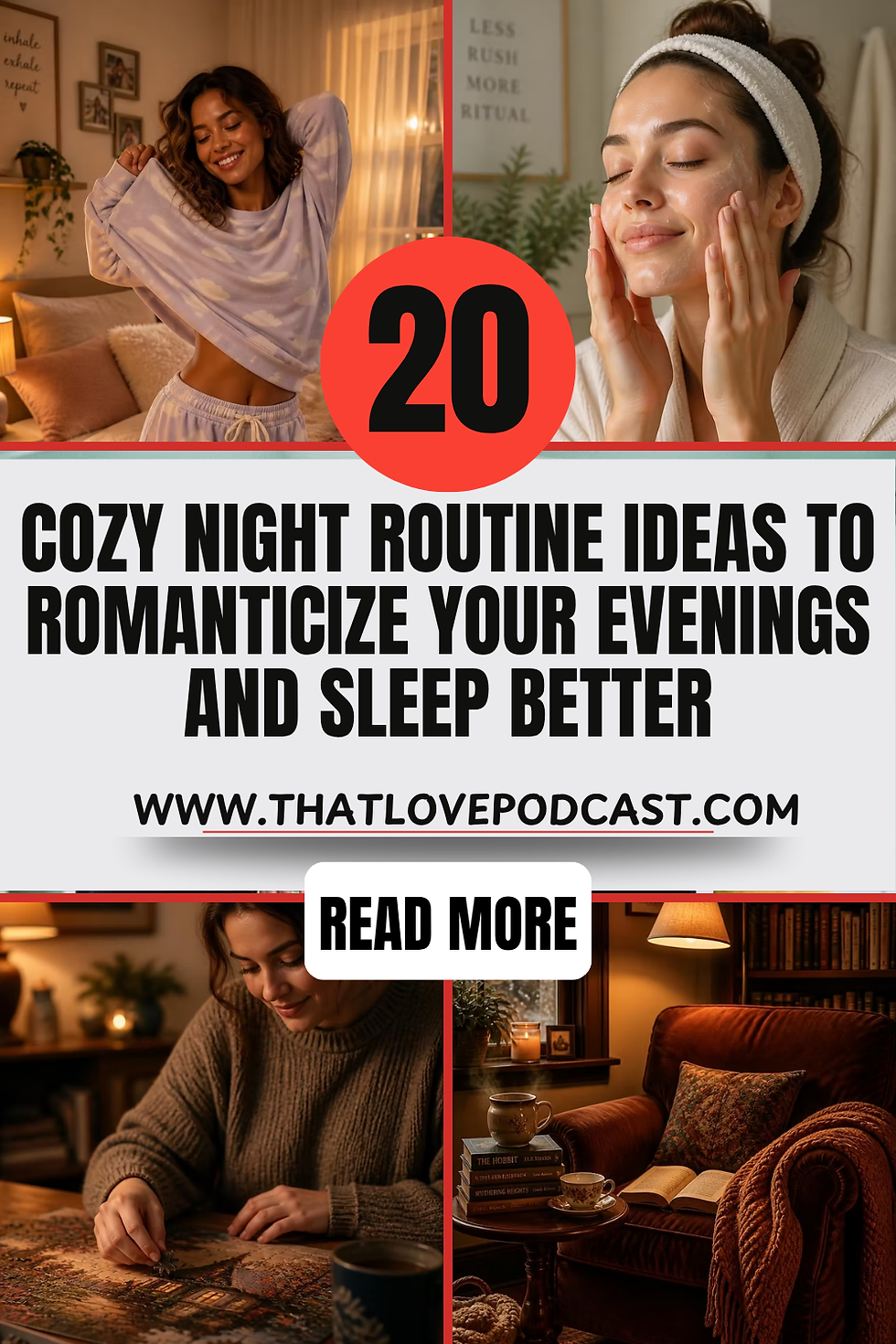
Create a Menu of Analog Activities: Make a list of screen-free things you enjoy. This could include reading a physical book or magazine, listening to music or a podcast on a smart speaker, doing a jigsaw puzzle, trying one of these cozy knitting projects, having a real conversation with your partner or roommate, or taking a warm bath.
Prepare Your Environment: Set the mood. Dim the lights, light a candle, make a cup of herbal tea. Make your analog evening feel like a luxurious, intentional choice, not a punishment.
Start Small: If three hours feels too daunting, start with one hour. The goal is to create a sustainable habit that you genuinely look forward to. This practice can dramatically improve your sleep quality and reduce evening anxiety, creating a foundation for a more peaceful and energized morning.
External Link: The National Sleep Foundation has excellent resources on sleep hygiene and the effects of blue light.
Week 6: The Scheduled "Do Nothing" Time
The Challenge: This week, you must schedule at least 15 minutes every day to do absolutely nothing. This means no phone, no book, no music, no podcasts, no chores. Just you and your own thoughts, in a quiet space.
The "Why": In our culture of constant stimulation, we have become terrified of boredom. We fill every spare moment—waiting in line, commuting, even sitting on the toilet—with a digital distraction. This has robbed our brains of crucial downtime. Neuroscientists have shown that it is in these moments of "doing nothing," when our mind is free to wander, that our brain's "default mode network" activates. This is the network responsible for creativity, long-term planning, and consolidating our sense of self.
How to Succeed:
Put it in Your Calendar: Treat this "nothing time" as an important appointment that you cannot miss.
Find a Spot: A comfortable chair by a window is perfect. The goal is to just sit and observe, either the world outside or your own thoughts passing by.
Don't Judge Your Thoughts: Your mind will be busy at first. You'll think about your to-do list, an awkward conversation, what you want for dinner. That's okay. The goal isn't to have an empty mind, but to simply let your thoughts come and go without engaging with a screen. This practice, while challenging at first, can lead to incredible breakthroughs in creativity and a deeper understanding of your own mind. It’s a powerful habit for anyone looking to cultivate a more intentional life. For more ideas on living intentionally, check out these 10 mental health habits that can change your life.
Week 7: The "Follow an Inspiration" Feed Curation
The Challenge: This final challenge is not about avoiding your phone, but about transforming it. Your task this week is to perform a deep "Marie Kondo" on your social media feeds. Unfollow every single account that makes you feel anxious, envious, or "less than." Then, actively seek out and follow at least 10 new accounts that are purely educational, inspiring, or calming.
The "Why": The algorithms that power our social media feeds are designed to maximize engagement, which often means showing us content that is controversial, emotionally charged, or designed to make us feel insecure (and thus, more likely to buy something). We have far more control over this than we think. By consciously curating your feed, you can transform it from a source of stress into a source of genuine inspiration and learning.
How to Succeed:
The Unfollow Binge: Set aside 30 minutes and scroll through your "following" list. Ask yourself one question for each account: "Does this account make me feel good?" If the answer is no, unfollow without guilt.
Seek Out Inspiration: Think about your genuine interests. Do you love art history? Follow museum accounts. Are you interested in gardening? Follow landscape designers. Do you want to learn to cook? Follow your favourite chefs.
Create a Sanctuary: The goal is to create a digital space that feels like a beautiful library or a peaceful garden, not a chaotic shopping mall. This is the ultimate act of digital wellness, turning a potential source of anxiety into a tool for growth and joy.
Conclusion
A 30-day digital detox is not a magic pill that will solve all of your problems. But it is a powerful reset button. By consciously and intentionally engaging with these seven challenges, you are not just breaking bad habits; you are building new, healthier ones. You are teaching your brain that it doesn't need constant, cheap stimulation to feel content. You are reclaiming your time, your focus, and your ability to be truly present in your own life. You will likely find that after these 30 days, your relationship with technology has fundamentally shifted. Your phone will become what it was always meant to be: a useful tool that you control, not a demanding master that controls you. And that, in our noisy, distracted world, is a quiet revolution.
External Links
Freedom: A popular app for blocking distracting websites and apps across all your devices.
Opal - Screen Time for Focus: An app specifically designed to help you create and stick to screen time boundaries.
The Center for Humane Technology: An organization of former tech insiders dedicated to creating more ethical technology.
Cal Newport's Blog: The author of "Digital Minimalism" offers brilliant insights on focus and technology.
WIRED - "The Case for Doing Nothing": An article exploring the science and benefits of boredom.
The National Sleep Foundation: Resources and information on the impact of blue light on sleep.
Huberman Lab Podcast: Stanford neuroscientist Andrew Huberman explains the science of dopamine in an accessible way.
Minimalist Phone Launchers: A Google Play Store search for apps that can make your Android phone less distracting.
FAQs
What if I can't do the "phone-free first hour" because of my job or kids? The goal is to be intentional, not perfect. If 60 minutes is impossible, try 30, or even just 15. The point is to consciously choose to start your day on your own terms, even for a short period, before reacting to the world's demands.
Will deleting a social media app for a week cause me to lose my data? No. Deleting the app from your phone only removes the app itself. Your account, posts, and messages will all still be there, safe on the company's servers, when you choose to re-download it.
Is it really necessary to buy a separate alarm clock? It is highly recommended for the first challenge. The physical act of separating your alarm from the source of your distraction is a powerful psychological and practical step that dramatically increases your chances of success.
What if my job requires me to have notifications on? Adapt the challenge to your reality. Maybe you can't turn off email or Slack notifications, but you can turn off every single social media, news, and shopping notification. The goal is to reduce the noise as much as your life allows.
Will using my phone in grayscale mess up my photos or apps? No, it's just a screen filter. It doesn't change any of the actual data on your phone. When you toggle it off, all the colours will instantly return to normal.
I feel like I'll miss out on important news if I do this. How do I stay informed? This detox encourages you to shift from passive news consumption (having headlines pushed to you via notifications) to active, intentional consumption. Set aside a specific time, perhaps 10 minutes in the morning, to visit a trusted news website or app and get caught up.
Is it okay to listen to music or podcasts during the "Analog Evening"? Yes! The primary goal is to avoid backlit screens that disrupt melatonin production. Listening to audio on a smart speaker or with your phone placed face down across the room is a wonderful analog-friendly activity.
I tried the "Do Nothing" challenge and it just made me more anxious. What should I do? This is very common at first! Our brains are not used to being bored. Start smaller, with just 5 minutes. Try focusing on an external object, like a tree outside your window, or on the physical sensation of your feet on the floor. It gets easier with practice.
What if I fail a challenge or miss a day? This is not a pass/fail test. It's an experiment. If you slip up, just notice it without judgment and start again the next day. The goal is progress, not perfection.
What is a "dopamine detox"? "Dopamine detox" is a popular term for temporarily abstaining from high-dopamine activities (like scrolling social media, eating junk food, playing video games) in an attempt to reset the brain's reward system, which can help improve focus and make natural, everyday activities feel more rewarding again.




.jpg)





.jpg)


