





10 Modern Bedroom Trends Redefining 2026


Have you noticed how incredibly fast interior design trends have been shifting lately? Just a few years ago, we were entirely consumed by the stark, sterile, ultra-minimalist aesthetic—a sea of white walls, empty surfaces, and cool-toned LED lighting that made homes look more like art galleries than actual living spaces. Then came the chaotic swing into maximalism, where every inch of wall space was covered in bold, loud, and sometimes overwhelming patterns. But as we step firmly into 2026, the pendulum has settled perfectly in the middle. We are entering the era of the modern bedroom sanctuary.
This year, bedroom ideas for 2026 are all about a profound transformation. We are seeing a movement where uncompromising comfort meets brilliant technological innovation, and where high-end style finally gets practical and accessible for the everyday person. Bedrooms are no longer designated simply as places to sleep. They are evolving into our primary sanctuaries, our personal creative zones, our digital detox retreats, and yes, even the meticulously curated backdrops for our content creation.
This comprehensive guide to the top modern bedroom trends redefining 2026 isn't about aimlessly chasing fleeting fads. It is an in-depth exploration of the best interior design hacks designed to help you layer elements that feel profoundly lived-in, intensely personal, and incredibly smart. We are talking about designing spaces that cater to all five senses—think sensory textures that beg to be touched, circadian rhythm mood lighting you control effortlessly from your smartphone, tech-assisted thrift flips that look straight out of a high-end designer showroom, and AI-generated color palettes that literally lower your heart rate the moment you cross the threshold.
If you are finally ready to execute a master bedroom makeover that makes your space feel incredibly current, deeply cozy, and completely authentic to who you are—without blowing your life savings in the process—you are in the right place. These are the definitive modern bedroom trends and budget bedroom ideas you will actually want to implement this year. Let’s dive into the ultimate countdown of the trends shaping our most intimate spaces in 2026.
Related Articles from That Love Podcast
Before you start tearing down wallpaper and ordering new bedding, take a moment to explore these related resources from That Love Podcast. A beautiful bedroom is the perfect backdrop for a beautiful relationship!
10. Quiet Luxury on a Budget

The most defining and influential look of 2026 is undoubtedly the concept of "quiet luxury." Originating in the fashion world as the "old money aesthetic," this trend has thoroughly permeated interior design, specifically in how we approach our most private spaces. Quiet luxury is characterized by an understated, elevated vibe that feels entirely effortless but looks breathtakingly expensive. The best part? The secret to a quiet luxury bedroom isn’t about spending a fortune on high-end designer pieces; it is fundamentally about mastering texture, tone, and proportion.
The Philosophy of Quiet Luxury In previous decades, luxury was loud. It was marked by glittering chandeliers, massive logos, mirrored furniture, and overt displays of wealth. In 2026, luxury is a whisper. It is the absence of clutter, the intentionality of a perfectly placed ceramic vase, and the heavy, comforting drape of high-quality textiles. True luxury is having a space that allows your mind to rest. When a room looks peaceful and curated, it instantly reads as premium—no designer label required.
How to Implement Quiet Luxury on a Budget Start your master bedroom makeover by ruthlessly decluttering. The luxury of 2026 is found in the breathing room between your belongings. Keep only what serves a functional purpose or brings you immense, genuine joy. Once you have a clean slate, it is time to elevate your everyday basics.
Upgrade Your Textiles: Swap out brightly colored, patterned synthetic sheets for neutral bedding with undeniable structure. Think crisp percale cotton, washed European flax linen, or bamboo silk. You don't need a hundred pillows; you just need three to four high-quality, perfectly plumped ones.
Focus on Tactile Accents: Invest in just one or two heavily textured accents to break up the smooth surfaces. A heavy boucle throw blanket draped casually at the foot of the bed or an oversized velvet lumbar pillow can anchor the entire room.
Refine Your Materials: Ditch the plastic organizers and cheap acrylic trays. Swap them out for heavy ceramic catch-alls, travertine stone coasters, or solid walnut wood valets.
Master the Art of Soft Contrast: Quiet luxury thrives on subtle juxtaposition. Pair matte black hardware with warm, unlacquered brass. Contrast dark, rich walnut wood with soft ivory linens. Mix cool, raw stone with warm, inviting fabrics. Everything should look like it belongs in the same sophisticated family, but it should never look perfectly, artificially matched.
To complete the quiet luxury aesthetic, focus on scent. Add a high-quality reed diffuser or a soy-wax candle in muted, minimalist packaging to give your room that calm, editorial, boutique-hotel finish.
Check out our latest podcast episodes here for more inspiration! https://www.thatlovepodcast.com/episodes
9. Biophilic Micro-Moments

We have moved far beyond the trend of turning our bedrooms into overwhelming, high-maintenance indoor jungles. The "plant parent" aesthetic of the early 2020s, which often resulted in cluttered windowsills and a constant battle with gnats, has evolved into something far more sophisticated and intentional for 2026: biophilic micro-moments. Biophilic bedroom design is the architectural and interior design practice of bringing nature back inside in subtle, purposeful ways that reconnect us to calm, earthy rhythms.
The Psychology of Biophilia Human beings have an innate, biological need to connect with the natural world. Studies have consistently shown that incorporating elements of nature into our living spaces can significantly reduce cortisol levels, lower blood pressure, and improve overall cognitive function. In a bedroom setting, biophilic design directly contributes to better sleep hygiene and a more relaxed state of mind as you wind down for the night.
Executing Biophilic Micro-Moments The 2026 approach is about low-maintenance, high-impact natural touches that ground your space in something organic and timeless.
Organic Shapes and Materials: Nature rarely features perfect right angles or harsh, sterile lines. Introduce organic, asymmetrical shapes into your bedroom decor. Replace a standard square nightstand tray with a piece of raw, live-edge wood or a slab of natural river stone.
Botanical Artistry: If you don't have a green thumb, you don't need live plants to achieve a biophilic feel. Swap out generic, mass-produced wall art for a beautifully framed pressed leaf, a high-quality vintage botanical print, or a textured canvas featuring earthy, landscape-inspired abstracts.
Strategic Greenery: Instead of twenty small, demanding plants, opt for one large, architectural statement plant, such as an olive tree or a large snake plant (which also acts as a brilliant natural air purifier) placed in a heavy, minimalist ceramic pot.
Simulated Natural Elements: For those in apartments with less-than-ideal windows, 2026 tech has provided a solution. Incorporate smart sunlight lamps that mimic the gentle, warm progression of natural morning light, helping to regulate your circadian rhythm and bringing the energy of the sun into the darkest corners of your room.
Every small, natural element you introduce serves to soften the harsh edges of our digital, tech-heavy lives, grounding your space in an aesthetic that never goes out of style.
8. Hidden Tech, Visible Calm
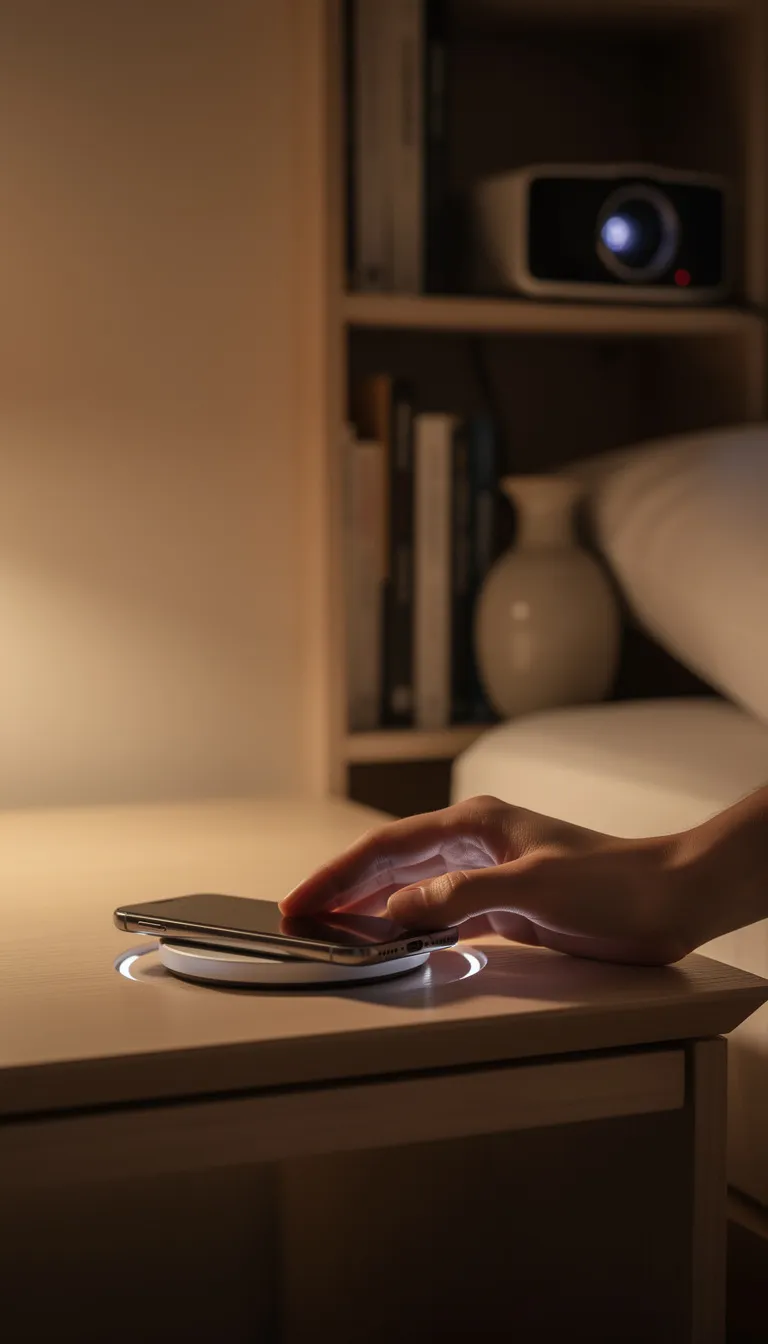
Our lives in 2026 are more intertwined with technology than ever before. We have smartwatches, tablets, e-readers, smartphones, and wireless earbuds that all require constant charging. However, the modern bedroom trends of this year dictate a strict "anti-clutter" approach to our gadgets. 2026 design isn’t anti-tech—it is about integrating smart features so seamlessly into our environment that they essentially disappear. A hidden tech bedroom turns necessary technology into background magic instead of a source of visual chaos.
The Stress of Visual Noise Psychologists often refer to visible clutter—including tangled cords, glowing standby lights, and stacks of devices—as "visual noise." This noise forces our brains to constantly process information, making it incredibly difficult to truly relax and transition into a restful sleep state. By hiding our technology, we create a sanctuary that promotes deep, restorative rest.
Love creating a peaceful environment? You might also enjoy reading our guide on how to foster peace in your relationships. Read: 10 Truths About Love Learned from Life's Messiest Moments
How to Hide Your Tech Like a Pro Transforming your bedroom into a distraction-free zone is one of the most effective interior design hacks of the year, and it usually costs less than $50 to achieve.
Cable Management is King: Start by hiding every visible cable. Use paintable adhesive cord channels that run along your baseboards to completely camouflage TV cords or lamp wires.
Elevate Your Power Sources: Stop reaching down to the floor to plug in your phone. Mount a high-quality surge protector or power strip directly to the underside of your nightstand using heavy-duty mounting tape.
Magnetic and Wireless Charging: Ditch the fraying white charging cables. Install sleek, magnetic charging pads that blend into the top of your dresser or nightstand. Some modern furniture pieces in 2026 even come with induction chargers built directly into the wood.
Voice-Activated Automation: Utilize smart plugs hidden behind furniture. This allows you to control your lamps, humidifiers, or essential oil diffusers entirely by voice command or automated schedules, keeping your bedside table completely clear of switches and remotes.
Invisible Entertainment: If you love watching movies in bed but hate the look of a giant black television screen ruining your carefully curated decor, 2026 is the year of the hidden projector. Tuck a high-definition mini projector on a bookshelf behind some decor and project your shows directly onto a blank wall. When it's off, your room remains a peaceful, tech-free haven.
In 2026, calm is the ultimate luxury. And absolutely nothing feels calmer than a room where the technology works quietly, efficiently, and invisibly in the background.
7. Wall-to-Ceiling Color Wraps

For years, the "accent wall" was the undisputed king of DIY bedroom updates. You would paint three walls a safe, sterile white and paint the wall behind the bed a bold navy or deep green. Let me be the first to tell you: the accent wall is officially dead. 2026 is the year of full, unapologetic immersion. The reigning trend is the wall-to-ceiling color wrap, also known as color drenching.
What is a Color Wrap? Color drenching takes one carefully selected tone and carries it seamlessly across every surface of the room—from the baseboards to the walls, over the crown molding, and straight across the ceiling. It blurs every hard edge and architectural boundary in the space. The result? A room that feels remarkably taller, infinitely cozier, and staggeringly intentional. It is the architectural equivalent of stepping into a perfectly tailored, bespoke suit.
Why This Trend Works Painting a ceiling the same color as the walls might sound intimidating, or even claustrophobic, but the visual effect is actually the opposite. When there is no stark white ceiling to draw a hard line where the wall ends, the eye is tricked into believing the ceiling is higher than it actually is. Furthermore, color wrapping creates a psychological "cocooning" effect. It envelops you in color, making the bedroom feel like a safe, protected retreat from the outside world.
For more insights on the psychology of color in design, visit Architectural Digest's definitive guides. Read more about color psychology at Architectural Digest
Executing the Perfect Color Wrap To nail this modern bedroom trend, the trick is picking a shade with incredible depth and warmth. You want a color that shifts beautifully and dynamically as the natural light changes from morning to evening.
Top 2026 Hues for Wrapping: Think muted, earthy tones. Mossy sage green, rich cocoa beige, dusty terracotta, and warm mushroom gray are dominating the color palettes this year.
The Gradient Trick: If you are too nervous to go completely monochromatic, try a tonal gradient wrap. Use your primary color on the walls and trim, but have your paint store mix a version of that exact same color at 50% strength (making it slightly lighter) for the ceiling. This provides the seamless wrap effect while maintaining a touch of traditional dimension.
Balance with Texture: Because the walls and ceiling are uniform, you must add texture to keep the room from feeling flat. Pair your color wrap with natural, contrasting accents—a jute rug, cane webbing on your furniture, or crisp white linen sheets pop beautifully against a saturated, drenched backdrop.
When color becomes the architecture itself, even the smallest, most builder-grade bedrooms feel impeccably designed rather than merely decorated.
6. Thrift Flips Go High-Tech

Thrifting, upcycling, and vintage shopping are certainly not new concepts. However, the way we approach sustainable bedroom decor in 2026 has been completely revolutionized by technology. Thanks to AI-driven resale apps, augmented reality, and image-recognition tools, finding and transforming designer-quality pieces secondhand has never been easier, more precise, or more addictive. The reigning DIY trend is tech-powered treasure hunting—taking forgotten thrift store finds and flipping them into custom, ultra-modern statement pieces.
The Tech-Assisted Hunt Gone are the days of aimlessly wandering through antique malls hoping to stumble upon a hidden gem. In 2026, you walk into a thrift store armed with your smartphone. Using advanced visual search tools like Google Lens or specialized AI styling apps, you can scan a scuffed, $15 mid-century dresser in the store. Instantly, the AI will pull up the item's real resale value, identify its original manufacturer, and show you high-end, modern designer dupes that share its silhouette. You immediately know if a piece has the "bones" worth saving.
Take a break from DIYing and listen to our latest stories of love and transformation! https://www.thatlovepodcast.com/episodes
The Modern Thrift Flip Strategy Once you’ve secured your tech-approved vintage piece, it’s time to flip it using 2026's most popular, high-impact materials.
Mineral and Chalk Paints: Forget glossy, high-VOC spray paints. The 2026 aesthetic demands a matte, deeply textured finish. Mineral paints bond to almost any surface with minimal sanding and cure to a gorgeous, velvety, stone-like finish that makes cheap wood look like a million bucks.
Peel-and-Stick Cane Webbing: Adding organic texture is crucial. If you find a dresser with boring, flat drawer fronts, applying modern peel-and-stick cane webbing or fluted wood trim instantly elevates it to align with the textured minimalism trend.
Hardware Overhauls: The fastest way to drag a 1980s nightstand into 2026 is by ditching the dated knobs. Upgrade to oversized, half-moon wooden pulls or heavy, knurled brass hardware.
The golden rule for eco-friendly furniture flips this year is simple: Don't buy new—buy smart. Every piece of upcycled furniture tells a unique story, reduces landfill waste, and gives your bedroom a curated, bespoke soul that big-box store furniture simply cannot replicate.
5. Sensory Layering: Designing for How a Room Feels

For a very long time, interior design was almost exclusively focused on the visual. We designed rooms for how they would look in photographs or how perfectly the colors matched. But a profound shift has occurred. 2026 design is fundamentally about emotional interiors—spaces that feel every bit as good as they look. The next frontier in master bedroom makeovers is sensory layering. Texture, scent, sound, and temperature now play equal, starring roles in the design process, creating a multi-sensory experience that actively helps your nervous system unwind the moment you cross the threshold.
The Four Pillars of a Sensory Bedroom
The Sense of Touch (Tactility): A visually beautiful room is useless if the fabrics feel cheap or scratchy. 2026 demands fabrics that actively invite touch. Layer your bed with temperature-regulating washed linen, drape a nubby, heavy wool or alpaca throw across the footboard, and incorporate velvet lumbar cushions. Even the walls are getting a tactile upgrade with fabric wall hangings or limewash paint that feels like soft suede to the touch.
The Sense of Smell (Scent-Scaping): Hotels have used scent branding for decades, and 2026 is the year we brought it into our homes. Scent-scaping involves layering fragrances to anchor a room's mood. Start with a deep, grounding base note using a high-quality reed diffuser (think warm amber, sandalwood, or cedar). Then, layer a lighter, fresher top note using a linen spray on your pillows right before bed (like soothing lavender, bergamot, or clary sage). These overlapping, signature scents subconsciously signal your brain that it is time to rest.
The Sense of Sound (Acoustic Control): Modern bedrooms often suffer from terrible acoustics, with hard floors and empty walls causing echoes that amplify street noise. Soften the soundscape by utilizing thick, plush area rugs and heavy, blackout drapery to absorb rogue sound waves. Take it a step further by hiding a small, high-fidelity Bluetooth speaker beneath your nightstand to play low-frequency ambient tones, brown noise, or gentle nature sounds that mask disruptions and lull you to sleep.
The Sense of Temperature (Thermal Comfort): True comfort is thermal. Invest in a cooling mattress topper, dual-zone climate-control smart blankets, or a quiet bedside fan. When your room visually looks warm but physically feels perfectly cool and crisp, you achieve the ultimate sensory balance.
Curious about how creating a sensory environment can improve your emotional well-being? Check out our wellness deep dives. Read: Why Your "Type" Might Be Wrong for You
The future of bedroom design isn’t just seen through a camera lens. It is intimately, deeply felt.
4. Mixed-Material Headboards: The 2026 Statement Wall
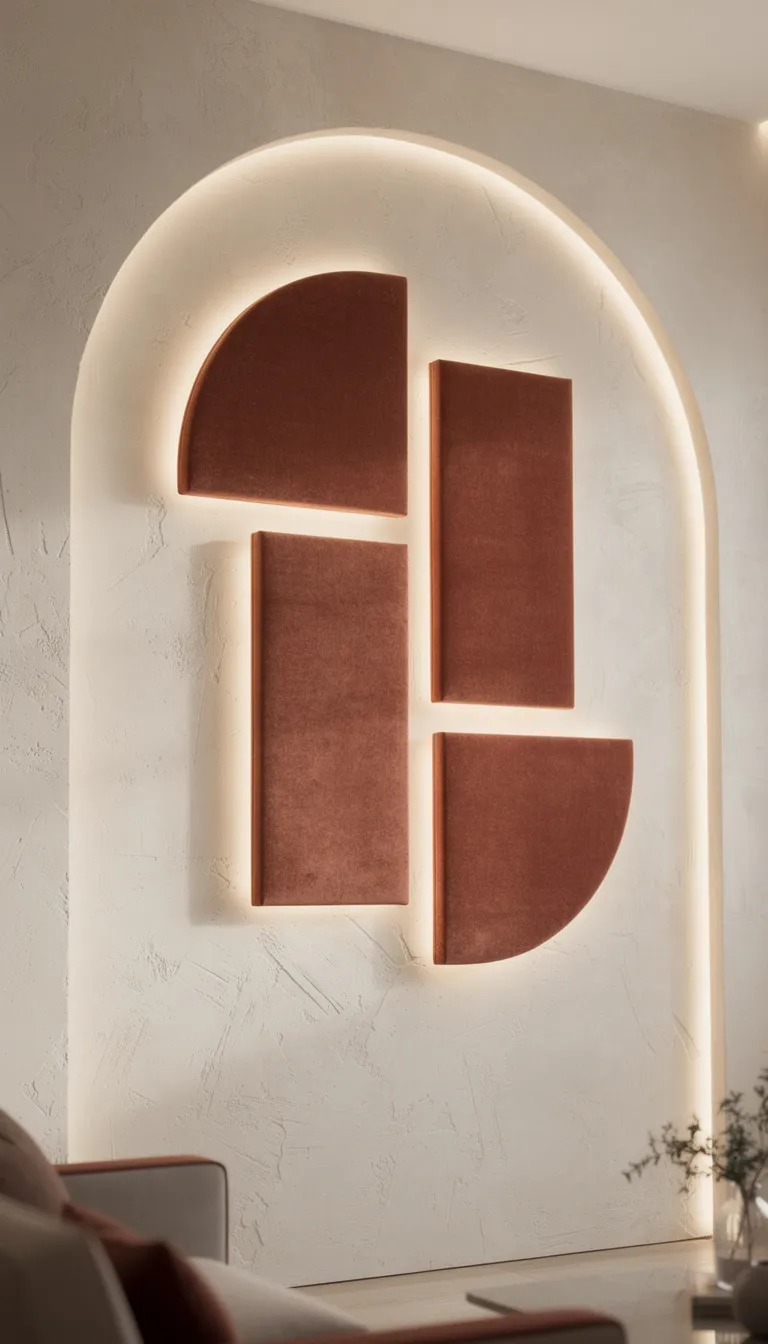
Remember the days when a bed was just a metal frame and a matching, mass-produced wooden headboard you bought as a set? Those days are long gone. In 2026, the headboard is no longer just a piece of furniture; it is the architectural anchor of the room. Designers are moving away from traditional store-bought headboards and instead blending raw materials, dramatic shapes, and saturated colors to turn the entire bed wall into a sweeping, mixed-material masterpiece.
The Rise of the Architectural Headboard The trend this year is all about paint meets texture. Instead of buying a heavy, expensive piece of furniture, DIYers and designers alike are building the visual weight of a headboard directly onto the wall. This approach allows for total customization and often makes a small bedroom ideas feel much grander.
How to Create the Look You can achieve this high-end, custom look over a single weekend, often for under $100.
The Painted Base: Start by painting a bold, oversized architectural shape directly onto the wall behind your bed. The most popular silhouettes for 2026 are sweeping Roman arches, gentle scallops, or massive, color-blocked rectangles that extend wider than the bed itself to encompass the nightstands.
The Textural Overlay: Once your painted base is dry, it is time to layer. Use lightweight MDF cutouts, acoustic foam panels wrapped in rich velvet or linen, or large, framed rattan panels, and mount them directly over the painted shape. This creates incredible 3D dimension.
The Lighting Integration: To truly make it a 2026 statement wall, run a hidden LED light strip behind the textural overlay panels. This creates a stunning, backlit halo effect that highlights the mixed materials and serves as the perfect, moody reading light.
If you want an even softer, more vintage-inspired romantic bedroom design, apply a heavily textured limewash paint over your painted arch. The clouded, mottled texture of the limewash feels beautifully handcrafted and Old-World, providing the perfect backdrop for crisp, modern bedding. The ultimate rule for 2026: The new luxury look is built, painted, and layered—not purchased out of a catalog.
3. Smart Mood Lighting You Can Actually Afford

Lighting used to be a purely functional afterthought—a switch you flipped so you could find your socks in the dark. Today, lighting is the entire mood. In 2026, bedroom lighting is less about wattage and visibility, and almost entirely about psychology and feeling. Thankfully, the technology required to create a deeply customizable atmosphere is no longer reserved for luxury mansions. Affordable smart bulbs, intuitive adhesive LED strips, and app-controlled fixtures have democratized lighting design, allowing anyone to transform their room's energy without hiring an electrician.
The Science of Circadian Rhythm Lighting The most critical lighting trend of 2026 is syncing your bedroom to your biological clock. The harsh, bright "big light" on your ceiling is the enemy of a good night's sleep. Using smart lighting systems, you can now program your bedroom to mimic the sun.
For top-tier smart lighting systems, explore what Philips Hue has to offer. Explore Philips Hue Smart Lighting Solutions
Your smart bulbs can be set to wake you up gently with cool, energizing, blue-toned light that mimics the morning sky. As the day progresses, the lights automatically and gradually shift. By 8:00 PM, your room should be bathed in warm, amber, low-kelvin light that signals to your brain to start producing melatonin.
Layering Your Lightscape To achieve a professional lighting design, you must embrace the concept of layering.
Ambient Light: This is your base layer. Instead of overhead lights, use smart bulbs like Govee, Philips Hue, or Nanoleaf in your existing floor lamps or wall sconces. Connect them to Alexa or Google Home to easily set voice-activated scenes like "Cozy Evening" or "Reading Mode."
Accent Light: Add adhesive, motion-sensor LED strips under the lip of your bed frame or behind your headboard. When you get up in the middle of the night, a soft, hotel-style glow will guide your way without blinding you or waking your partner.
Task Light: Place a small, highly directed, color-changing smart lamp on your nightstand. Many of these modern lamps can sync with your Spotify playlists, softly pulsing and changing color to the rhythm of your relaxing wind-down music.
These incredibly small, relatively inexpensive upgrades (many under $30) wield the power to transform your room from a basic, static box into a dynamic, cinematic sanctuary.
2. Textured Minimalism: The “Soft Structure” Trend

Minimalism has grown up. The 2010s version of minimalism was characterized by cold, empty spaces, stark white walls, and a clinical lack of personality that often felt more like an operating room than a home. 2026 minimalism has violently rejected that sterility. The new aesthetic sweeping the interior design world is called "Soft Structure," or Textured Minimalism. It is a design philosophy that champions creating a calm, elevated, uncluttered space by utilizing profound, tactile layers instead of accumulating "stuff."
The Essence of Soft Structure This modern minimalist bedroom trend is heavily influenced by the Japanese philosophy of Wabi-Sabi, which finds immense beauty in imperfection and nature. It is the intersection where quiet luxury meets ultimate comfort—featuring clean, intentional lines, incredibly rich textures, and absolutely zero visual noise.
Want to learn more about keeping things simple and meaningful in your personal life too? Read our relationship insights. Read: From Friend Zone to End Zone: A Love Story
How to Achieve Textured Minimalism To achieve this deeply relaxing bedroom aesthetic, you must strip your room of highly processed, glossy finishes and harsh, reflective metals.
Embrace Raw Materials: Replace shiny surfaces with matte, natural, and raw materials. We are talking about unpolished, heavily grained woods, honed travertine stone, woven rattan, and textured plaster.
The Magic of Limewash: Traditional flat paint is out; dimension is in. Limewash paint or Roman clay treatments are dominating 2026 walls. These finishes dry with a chalky, suede-like, mottled texture that catches the light beautifully and makes even empty walls look like a deliberate design choice.
The Rule of Opposites: The secret to making minimalism feel warm instead of cold lies in pairing opposites. Layer soft, rumpled linen bedding against a raw, brutalist stone side table. Pair nubby, chaotic boucle upholstery with sleek, brushed walnut wood. Contrast flat, matte-painted walls with the sheen of a heavy velvet curtain.
This delicate balance of opposing textures makes your space feel incredibly organic, intensely intentional, and beautifully serene. It looks as though a high-end designer styled it, yet it remains completely livable. 2026 isn’t about minimalism you just move into; it’s about a textured minimalism you can physically and emotionally sink into.
1. AI-Picked Paint Colors That Match Your Mood

Taking the absolute number one spot on our list of modern bedroom trends redefining 2026 is the ultimate fusion of technology and highly personalized design: AI-generated paint color palettes. Forget the days of taping dozens of tiny, inaccurate paper paint swatches to your wall and praying they look good when the sun goes down. 2026 design starts with complex algorithms.
Listen to our podcast for more life-hacking tips and deep conversations! https://www.thatlovepodcast.com/episodes
The Revolution of the AI Color Matcher Free and low-cost Artificial Intelligence tools have completely removed the anxiety and guesswork from choosing bedroom color palettes. These advanced programs now analyze a photo of your specific room, calculating the exact direction of your natural light (North-facing vs. South-facing), the existing architectural textures, and the color of your unchangeable elements (like your flooring or large furniture).
But the technology goes even deeper than logistics; it taps into emotion. You can now prompt an AI interior design app with emotional directives. You can input, "Give me a color palette that promotes deep focus and lowers anxiety for a room with limited afternoon sun," and the AI will generate the perfect, scientifically backed hues.
For an easy, accessible way to start pulling color codes from your favorite inspiration pictures, try Canva. Use the Canva Color Palette Generator here
The Top Trending Hues of 2026 Because we are leaning heavily into sensory, grounding environments, the AI algorithms of 2026 are overwhelmingly recommending warm neutrals with profound depth.
Clay Beige: A massive step up from the sterile greys of the 2010s, clay beige has a subtle pink/terracotta undertone that makes a room feel incredibly warm and enveloping.
Mossy Sage: The ultimate biophilic color, sage green acts as a neutral in 2026. It is calming, restorative, and photographs beautifully.
Cinnamon Blush: For a romantic, soft structure vibe, muted, earthy blushes are dominating. They reflect incredibly flattering light onto your skin, making the bedroom feel like a permanent golden hour.
The Ultimate Budget Hack Upload a photo of your current, unstyled bedroom to an AI color matcher like RemodelAI, Sherwin-Williams Color Expert, or Behr Paint Visualizer. Watch as the AI virtually repaints your walls in real-time, perfectly adjusting for shadows and light bounce. Once the AI gives you its top suggestion, spend $5 on a sample pot. It is the fastest, cheapest, and most foolproof interior design hack to find a wall color that actually feels perfectly, undeniably like you.
These tools ensure that instead of blindly hoping a color looks good, you will have absolute, algorithmic certainty that it will transform your room into the sanctuary you deserve.
Conclusion: Your 2026 Sanctuary Awaits
Your bedroom does not have to be gutted, demolished, or redesigned from scratch to feel brand new; it simply requires a shift in intention. The modern bedroom trends defining 2026 are the ultimate proof that exceptional, life-enhancing design isn’t about how much money you spend—it is entirely about how deeply and authentically you connect with your space.
From the scientific precision of AI color tools to the emotional grounding of sensory layering and the understated elegance of quiet luxury, the future of home decor is intensely personal, beautifully grounded, and smarter than ever before. These 10 decor hacks are not about mindlessly following the internet's whims; they are about curating a highly functional, deeply comforting environment that perfectly matches how you want to live, sleep, and feel every single day.
Start small. Paint a wall using an AI suggestion, layer a new nubby texture on your bed, hide that tangled mess of charging cords, or finally set up mood lighting that works with your biological clock. Treat your space like it matters, because your environment shapes your reality. The goal for your bedroom in 2026 isn’t an unattainable standard of perfection. It is about creating a space where peace looks, feels, and sounds beautiful.
If you found this guide helpful and want to support our continued content creation, please consider donating here: https://www.thatlovepodcast.com/donate
Don't forget to subscribe and listen to That Love Podcast for more incredible stories and advice! https://www.thatlovepodcast.com/episodes
More from That Love Podcast
10 FAQs About Modern Bedroom Trends in 2026
1. What is the most popular bedroom color for 2026? The most popular colors for 2026 are warm, earthy neutrals with deep undertones. "Clay Beige," "Mossy Sage," and "Cinnamon Blush" are leading the charge. These colors are chosen for their psychological ability to promote calm and their flattering appearance under smart LED lighting.
2. Is the accent wall completely out of style? Yes, the traditional single accent wall is considered dated in 2026. Instead, designers are embracing "color drenching" or "wall-to-ceiling color wraps," where the entire room, including the trim and ceiling, is painted in a single, immersive hue to create a cozy, cocoon-like environment.
3. What does "Quiet Luxury" mean in bedroom design? Quiet luxury refers to an aesthetic that looks highly elevated and expensive without relying on flashy logos, loud patterns, or obvious displays of wealth. It is achieved through decluttering, prioritizing high-quality materials (like real linen and solid wood), and utilizing a soft, cohesive color palette.
4. How can I use AI to help design my bedroom? You can use free AI tools like RemodelAI, the Sherwin-Williams Color Expert app, or Google Lens to upload photos of your space. These tools can virtually repaint your walls to test colors, suggest furniture layouts based on your room's dimensions, and help you find affordable dupes for high-end furniture.
5. What is "Textured Minimalism" or "Soft Structure"? Textured minimalism is a design style that embraces the uncluttered, clean lines of traditional minimalism but replaces cold, stark surfaces with warm, tactile materials. Think limewash painted walls, boucle fabrics, raw stone, and unpolished wood, bringing warmth and depth to a clutter-free space.
6. How do I make my bedroom more "sensory"? Sensory layering means designing for all five senses. You can achieve this by using inviting fabrics (touch), utilizing smart sunlight lamps and hidden tech (sight), employing scent-scaping with diffusers and linen sprays (smell), using heavy rugs and white noise for acoustic control (sound), and managing thermal comfort with cooling bedding (temperature).
7. Are headboards still popular in 2026? Traditional, store-bought, matching headboards are less popular. Instead, the trend is "Mixed-Material Statement Walls." People are creating custom headboards by painting architectural arches directly onto the wall and layering them with tactile elements like upholstered acoustic panels, rattan frames, or floating wood trim.
8. What is biophilic design and how do I use it? Biophilic design connects indoor spaces to the natural world. In 2026, the trend is "biophilic micro-moments." Instead of filling a room with high-maintenance plants, you incorporate subtle natural elements like live-edge wood nightstand trays, framed pressed botanicals, or a single air-purifying snake plant.
9. How do I manage technology and cords in a modern bedroom? The 2026 trend is "Hidden Tech." You achieve this by using paintable cord concealers along baseboards, mounting power strips to the underside of nightstands, using sleek magnetic charging pads built into furniture, and utilizing smart plugs so devices can be controlled via voice without visible remotes.
10. What is circadian rhythm lighting? Circadian rhythm lighting uses smart bulbs (like Philips Hue or Govee) programmed to mimic the natural progression of the sun. The lights emit cool, blue-toned light in the morning to wake you up, and automatically shift to warm, dim, amber tones in the evening to stimulate melatonin production and prepare your body for sleep.
For more information on the latest in smart home technology, visit TechRadar's smart home hub. Read the latest Smart Home Reviews on TechRadar



.jpg)






.jpg)


Comments