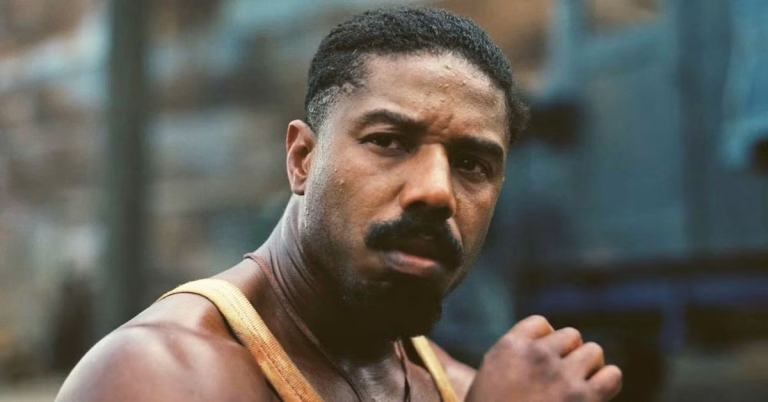
10 Best Sunrise on the Reaping Characters, Ranked From Worst to Best
That is why Haymitch and Lenore sit at the top of the ranking, while Snow remains just below the central emotional figures. Snow controls the political conditions of the story, but he does not provide its warmth. Lenore shows what Haymitch stands to lose, and Haymitch’s own choices hold the strands together. Maysilee’s placement reflects her agency as well as her effect on the protagonist. A different ranking could place the rebels higher or give a returning character more credit, but the order here reflects the film’s balance of emotional impact and character development.
Why These Characters Matter to the Franchise
The ensemble works because each character shows a different kind of power. Snow wields the state; Plutarch and Beetee work against it; Drusilla and Magno package the Games as spectacle; Effie embodies the Capitol’s culture; and the tributes reveal the cost. Haymitch stands at the centre, forced to navigate all of those systems while trying to remain loyal to the people he loves. The characters also give the movie its connection to the other films, turning a prequel into more than a timeline exercise.
The performances create a useful balance between familiar faces and new interpretations. Joseph Zada’s Haymitch, Elle Fanning’s Effie and Jesse Plemons’s Plutarch are younger versions of people audiences know, while Lenore and Maysilee are pivotal figures whose lives help explain the franchise’s emotional history. For more context, read our connections guide to the original Hunger Games movies, then compare our best moments ranking.
If you want to revisit the book’s fuller character work, find The Hunger Games novels on Amazon (affiliate link). The reading experience gives Haymitch’s inner voice more space and allows several supporting relationships to develop at a slower pace.
Affiliate disclosure: That Love Podcast may earn from qualifying Amazon purchases at no extra cost to you.
Frequently Asked Questions
Who is the main character in Sunrise on the Reaping? Haymitch Abernathy is the protagonist. Joseph Zada plays the younger Haymitch, whose experience in the 50th Hunger Games shapes the man seen in the original films.
Who plays young Haymitch? Joseph Zada plays young Haymitch Abernathy. Woody Harrelson appears as the older character in the film’s future-set material.
Who plays Lenore Dove? Whitney Peak plays Lenore Dove Baird, Haymitch’s girlfriend and one of the story’s central emotional figures.
Who plays Maysilee Donner? Mckenna Grace plays Maysilee Donner, a tribute who forms an important alliance with Haymitch.
Who plays the younger Effie Trinket? Elle Fanning plays a younger Effie Trinket, the Capitol escort later portrayed by Elizabeth Banks.
Is Plutarch a villain or a hero? He is a strategic opponent of Snow, but his methods and political role are complicated. The film presents him as a covert organiser rather than a simple action hero.
Which character has the biggest effect on Haymitch? Several people shape him, especially Lenore, Maysilee and the vulnerable tributes he tries to protect. Snow’s retaliation ultimately defines the lasting trauma.
Does Sunrise on the Reaping bring back original actors? Yes. Woody Harrelson, Jennifer Lawrence and Josh Hutcherson appear as older versions of Haymitch, Katniss and Peeta in the epilogue.
Are the character rankings official? No. This is an editorial ranking based on story impact, performance and development, not a studio or audience poll.
Where can I see the full cast? Rotten Tomatoes publishes a cast-and-crew listing, and Lionsgate publicity materials also identify the film’s principal cast.
Sources and Further Reading
Rotten Tomatoes: Sunrise on the Reaping cast and crew
Associated Press: Review of Joseph Zada as Haymitch
GamesRadar+: Review and ensemble performances
Rotten Tomatoes: First reviews roundup
More from That Love Podcast: our film review, Hunger Games villains ranked and teen movies based on books. You can also browse the Hunger Games series on Amazon (affiliate link).
Spoiler warning: This ranking discusses character fates and major story turns in The Hunger Games: Sunrise on the Reaping.
The Hunger Games: Sunrise on the Reaping places a new generation of actors inside a story whose outcome is already shadowed by the original films. We know the adult Haymitch Abernathy as a guarded, sharp-tongued mentor, but the prequel gives Joseph Zada the chance to show the teenager before the Capitol’s punishment changes him. Around Haymitch, the film builds a crowded ensemble of tributes, rebels, Capitol officials and family members. Some have only a few scenes; others reshape the story long after the arena is gone.
This list ranks the ten most compelling characters by their storytelling impact, performance and development. It is not a ranking of who is morally good, and it does not measure screen time alone. A character can be fascinating because they reveal the Capitol’s cruelty, embody a possible future for Panem or force Haymitch to make a devastating choice. The placements are editorial, but the cast identities are confirmed by the film’s credits. The official cast listing at Rotten Tomatoes includes Joseph Zada, Whitney Peak, Mckenna Grace, Jesse Plemons, Elle Fanning and the rest of the ensemble.
If you’re catching up, read our ending explained and book-versus-film comparison. For a copy of Collins’s novel, browse Hunger Games books on Amazon (affiliate link).
10. Magno Stift — Billy Porter

Magno Stift arrives in the story as part of the Capitol’s elaborate machinery for dressing up violence. Billy Porter gives him a flamboyant presence that distinguishes the stylist from the officials who manage the tributes’ lives more directly. That surface sparkle is not incidental: the Capitol makes the Games look glamorous because spectacle helps hide the human cost. Magno is one of the characters who helps turn children into public images before they are sent into an arena.
Porter’s performance brings a theatrical energy to scenes that might otherwise become procedural. The character’s look, voice and posture communicate the Capitol’s taste for excess in seconds. In a film with many tributes to introduce, that visual clarity matters. Magno does not need a long speech to show how the Capitol aestheticises the Quell; his presence makes the preparation itself feel like part of the show.
His position also lets the film explore the complicated place of Capitol citizens. Magno is not presented as the central architect of the Games, yet he participates in a system that turns suffering into entertainment. The character’s flamboyance can make him entertaining to watch, but the context keeps that entertainment uneasy. Every polished costume is being prepared for a child whose life has been placed in danger.
Magno ranks tenth because he adds flavour and thematic texture more than he drives the central plot. He is a memorable supporting presence, and Porter uses limited time effectively. The character’s scenes remind us that the Capitol’s cruelty does not always look like a soldier with a weapon. Sometimes it arrives as a stylish presentation that encourages the audience to look away from what is being done.
9. Drusilla Sickle — Glenn Close

Drusilla Sickle represents the polished authority of the Capitol. Glenn Close gives the escort an imposing manner that makes the reaping and tribute preparations feel less like ceremony and more like administration. She stands at the point where district children are converted into public figures: their names are called, their families are forced to watch, and their lives become part of a broadcast. Drusilla’s composure makes that process even more chilling.
Close is especially effective because she does not need to play Drusilla as a constant shouter. The character’s certainty is more unnerving than theatrical rage. She behaves as though the Capitol’s rituals are normal and inevitable, which is exactly how authoritarian systems make their violence seem respectable. The contrast between her formal presentation and the terror of the children she addresses gives her scenes their tension.
The role also demonstrates how the film’s supporting characters establish Panem quickly. A reaping scene can explain the rules, show the social hierarchy and introduce multiple characters at once. Drusilla’s controlled performance helps make the ceremony legible without softening its brutality. She is an official who understands that her public role is to keep the event moving, regardless of what it costs the families in front of her.
She ranks ninth because her impact is strong but primarily institutional. Drusilla helps define the world and makes the Capitol’s cruelty feel organised. She is not as emotionally central as Haymitch’s allies, but Close ensures that the character leaves an impression whenever she is on screen.
8. Effie Trinket — Elle Fanning

Elle Fanning’s younger Effie Trinket is one of the film’s most immediately recognisable links to the original series. Elizabeth Banks made Effie a bright, eccentric presence in Katniss’s story; Fanning takes the character back to an earlier stage, before the audience knows what experiences might change her. The performance offers a fresh interpretation while keeping enough of Effie’s public-facing energy to make the connection satisfying.
The younger Effie’s role is a reminder that the Capitol’s personalities have their own timelines. She is not simply a copy of the older character. The film can show her among a different generation of officials, still immersed in the rules and aesthetics of the system that Katniss will later challenge. That context makes Effie’s appearances interesting even when she is not steering the central action.
Fanning balances comic eccentricity with the character’s place in a cruel world. Effie’s bright manner can generate humour, but the humour sits alongside the knowledge that she is helping manage a deadly spectacle. That tension is central to the character’s long franchise arc: the audience can enjoy her colourful presentation while recognising that her original role was to serve the Capitol’s rituals.
Effie lands at number eight because this is a supporting appearance built around recognition and world-building, rather than a full transformation. Fanning makes it feel like a character performance in its own right. The role also encourages viewers to consider how much a person’s understanding of the Capitol can shift over time.
7. Beetee Latier — Kelvin Harrison Jr.

Beetee Latier is a technical mind whose presence helps connect the 50th Hunger Games to the resistance that will later become more visible. Kelvin Harrison Jr. plays him with a measured intelligence, giving the character a different kind of danger from the tributes who rely on physical strength. In Panem, knowledge of systems can be as threatening as a weapon, especially when the system’s power depends on appearing invulnerable.
Beetee’s importance lies partly in what he represents across the franchise. Viewers of Catching Fire and Mockingjay know that the older Beetee is a skilled inventor and an ally in the rebellion. The prequel lets us see an earlier point in that history, when resistance is still covert and the cost of failure is immediate. His involvement makes the political story feel older than Katniss’s public emergence.
Harrison’s restrained performance suits a character who observes before he acts. Beetee does not need to dominate the room to suggest that he is thinking several moves ahead. The film’s use of him gives the ensemble a strategist and a bridge between the arena plot and the broader anti-Capitol effort. His scenes also remind the audience that rebellion is built by people whose names may not become symbols.
Beetee ranks seventh because his thematic importance exceeds his personal screen time. He helps widen the story beyond Haymitch’s survival, and his presence rewards viewers who remember the later films. The character’s contribution is not only what he does in this instalment, but the history he carries into the franchise. Browse the novels and companion editions on Amazon (affiliate link).
6. Louella McCoy — Molly McCann

Louella McCoy gives the film one of its clearest reminders that the tributes are children rather than abstract competitors. Molly McCann plays her with a vulnerability that makes the Capitol’s treatment of District 12 feel personal. Haymitch’s protective feelings toward Louella give the audience another way to understand his compassion, especially as the story forces him to make choices that cannot save everyone.
The story surrounding Louella and Lou Lou is among the film’s most disturbing ideas. The Capitol’s ability to replace a dead child and keep the public performance going shows that its concern is not for the tributes but for the smooth continuation of the spectacle. Louella’s absence becomes part of the plot, but the emotional force begins with the audience seeing her as a person who should have had a life beyond the Games.
McCann’s performance works because it does not turn Louella into a symbol only. Her youth and fear make the surrounding machinery of the Capitol more grotesque. Small moments of connection with Haymitch give their relationship warmth, allowing the audience to feel what is at stake before the story takes that possibility away. She also contributes to the prequel’s larger conversation about who gets remembered and who is erased.
Louella ranks sixth because her limited screen time has a disproportionate impact. She changes Haymitch’s emotional landscape and exposes the system’s capacity to replace a child as if she were a costume. Her story is difficult, but it gives the film some of its strongest moral clarity.
5. Plutarch Heavensbee — Jesse Plemons

Jesse Plemons plays a younger Plutarch Heavensbee as a man who can move through the Capitol without advertising everything he thinks. That quality suits the character’s place in the story: Plutarch’s rebellion is not performed in the open, because open opposition would be crushed. He watches the spectacle, understands its weaknesses and tries to turn those weaknesses into opportunities.
The prequel gives the audience a view of the resistance before it becomes a coordinated revolution. Plutarch is not the only person working against Snow, and the film is careful to show that dissent has many forms. Still, his presence creates a direct line to the older Plutarch who becomes central to Katniss’s public role. His choices show that the Mockingjay plan has roots long before Katniss is selected as its face.
Plemons makes the character slippery and watchable. There is a calmness to his performance that can make an apparently ordinary exchange feel strategic. He is not a straightforward hero, and that ambiguity helps the story. Plutarch understands that a rebellion must manage images and audiences just as the Capitol does; his tactics are shaped by the same media environment he wants to undermine.
He ranks fifth because he expands the scope of the film. Haymitch’s personal fight and Plutarch’s political plan are not identical, but they collide in the larger struggle over who controls the narrative. The character is compelling precisely because the audience can see both the promise and the risk of turning an individual into a symbol.
4. President Coriolanus Snow — Ralph Fiennes

Ralph Fiennes gives President Snow a terrifying calm. Snow does not need to dominate every scene physically, because the entire system bends toward his authority. His power is most effective when it feels personal: he knows how to identify what Haymitch loves and make that love a vulnerability. The prequel shows how the president maintains control through intimidation, punishment and the ability to turn private grief into public warning.
Fiennes inherits a role played by Donald Sutherland in the earlier films, but his performance does not rely on imitation. He brings a colder, more controlled presence to the younger point in the franchise timeline. The difference in age does not make Snow less dangerous. Instead, the film depicts a ruler whose authority is secure enough that he can choose when to speak softly and when to make the threat unmistakable.
Snow’s relationship to propaganda is central to what makes him an effective antagonist. He understands that the Capitol does not merely punish bodies; it also edits stories. Haymitch can win the Games and still lose control of how the public sees him. By shaping the victory into a cautionary tale, Snow tries to make rebellion appear selfish and futile. The character’s menace comes from the fact that his cruelty is both intimate and administrative.
He ranks fourth because he casts a long shadow over everyone, even when the story is following the tributes. Snow is not the film’s emotional centre, but he is the force that defines the stakes. Fiennes makes the familiar villain feel active rather than routine, and his scenes explain why survival alone cannot deliver freedom.
3. Maysilee Donner — Mckenna Grace

Maysilee Donner becomes one of Haymitch’s most consequential allies. Mckenna Grace plays her as resourceful and determined, a tribute who refuses to be reduced to a helpless figure waiting for another character to rescue her. Their alliance grows inside a situation designed to make trust dangerous. Maysilee is capable of helping Haymitch, challenging him and making decisions of her own.
Her role deepens the arena story by adding a relationship that is both tactical and emotional. The pair’s discovery of the arena boundary changes their understanding of the space around them. For a moment, the Games look less like an unknowable wilderness and more like a structure that may have weaknesses. Maysilee is important to that shift: she contributes to the thinking and risk-taking that make the arena’s design matter.
Grace brings intensity without making Maysilee feel like a single-note fighter. The character can be sharp and guarded, but the film gives her a connection with Haymitch that allows other qualities to emerge. The alliance gradually carries emotional weight because each person knows how precarious it is. In a story where every relationship is tested by the Capitol’s rules, their moments of trust become acts of resistance in themselves.
Maysilee ranks third because her death is one of the story’s defining losses, but her value is not limited to what her fate does to Haymitch. She is a character with agency, intelligence and a distinct presence in the arena. Her relationship with Haymitch offers the film one of its most affecting bonds, and Grace gives it the conviction it needs.
2. Lenore Dove Baird — Whitney Peak

Whitney Peak’s Lenore Dove Baird represents the life Haymitch might have had if the Capitol had not turned his victory into a sentence. Her relationship with him gives the film a warm emotional centre outside the arena. Lenore is not merely a romantic interest waiting at home: she has a voice, a connection to the Covey’s musical heritage and a clear understanding that love in Panem can be an act of defiance.
Peak gives Lenore a combination of tenderness and resolve. Her scenes with Haymitch show an intimacy built on knowing one another before the Games have consumed their future. That relationship allows the film to make the stakes of the arena personal. Every danger is not just a threat to Haymitch’s life; it is a threat to the shared future he and Lenore hope to claim.
Lenore also connects this story to the earlier prequel. Her family ties to the Covey bring musical memory and Lucy Gray Baird’s history into Haymitch’s world. The connection matters because it shows how Panem carries stories forward even when the Capitol tries to erase them. Songs, names and relationships survive in private, passed between people who know that public history is being rewritten.
She ranks second because the film’s emotional tragedy depends on the audience believing that Haymitch’s love is real and that it can be taken from him. Peak gives Lenore a presence that extends beyond the mechanics of the plot. She embodies possibility, and the loss of that possibility shapes the adult Haymitch we already know.
1. Haymitch Abernathy — Joseph Zada

Joseph Zada’s Haymitch is the character around whom every major strand of the film turns. The performance must bridge a difficult gap: viewers know the older Haymitch as cynical, alcoholic and sharply funny, yet this teenager is still capable of hope, love and a fierce instinct to protect people. Zada makes the younger character recognisable without reducing him to a younger imitation of Woody Harrelson.
The film’s strongest idea is that the man Haymitch becomes is not born from a single bad day. He is shaped by the arena, by the people he loses and by the Capitol’s deliberate response to his resistance. Zada lets the audience see the compassion that survives underneath the later sarcasm. He can be gentle with Lenore and the vulnerable tributes, then brutally focused when the arena gives him no other option. That range makes his eventual damage feel earned rather than decorative.
Haymitch is also a protagonist with contradictions. He wants to protect people, but he must make choices that may leave someone exposed. He is funny, but humour does not mean he is untouched by fear. He can outthink the Games without escaping the consequences of winning them. Zada’s performance gives those contradictions a human centre, letting us understand why a clever victory cannot save Haymitch from grief or Snow’s revenge.
He ranks first because the movie is ultimately an origin story about the person behind the familiar mentor. The supporting cast enriches that portrait, but Haymitch’s transformation gives the story its shape. Zada carries the film through tenderness, strategy, anger and loss, making this version feel like a character rather than simply an answer to a franchise question.
Characters Who Nearly Made the Top Ten
Several other figures leave a strong impression even though this list has room for only ten. Caesar Flickerman matters because he turns cruelty into entertainment with the ease of a seasoned television host. His public persona is bright and welcoming, but the format he represents gives the Capitol a way to make tributes perform while their lives are at stake. Caesar’s role in Haymitch’s public humiliation makes him part of the story’s argument about image: the camera can turn a victor into a joke before he has time to explain himself.
Wyatt Callow is important because the Games do not wait for the arena to begin before they become lethal. His fate around the reaping establishes how quickly the Capitol’s pageantry can become a matter of life and death. Wyatt’s story is brief, but it helps make the Second Quarter Quell feel unstable from the outset. The tributes are not entering a fair contest with agreed rules; they are being placed inside a spectacle in which even the path to the arena can become dangerous.
Lou Lou also deserves recognition as one of the film’s most unsettling characters. Her situation is defined by what the Capitol does to her, and that makes her difficult to rank alongside characters whose actions drive the plot. The replacement plot reveals that the regime treats identity as something it can manipulate for an audience. The character’s limited agency is part of the horror. She is not a villain in the usual sense; she is a victim forced into a role that the Capitol needs filled.
Mags Flanagan’s presence provides another quiet link to the later story. Viewers know the older Mags from Catching Fire, where she is among the previous victors drawn back into the arena. Seeing her at an earlier point gives the franchise’s history more continuity, even if this version has less space to develop her. The same is true of Wiress, whose later importance makes her younger appearance rewarding for fans who remember the original films. Their presence helps the prequel feel like part of a lived-in timeline.
These characters also show why the ensemble cannot be judged solely by screen time. A cameo or a short appearance can carry meaning because of what the audience already knows. A tribute with only a few scenes can make the Capitol’s indifference more immediate than a long speech from an official. A returning figure can change how we understand a later film. The ranking favours characters whose acting, relationships or decisions shape this film’s core, but the wider cast supplies much of its historical depth.
For readers comparing the novel and movie, the book gives some supporting relationships more space to breathe. That does not automatically make the film’s shorter appearances ineffective. Cinema can communicate through costume, framing and a glance, while prose can spend time on what a character privately thinks. If you want to return to Collins’s fuller ensemble, explore the Hunger Games novels on Amazon (affiliate link).
The question of who is “best” therefore depends on what a reader values. A performance may make a secondary character especially memorable; a character with fewer scenes may represent an important political idea; and the person who matters most to Haymitch may not be the one with the greatest influence on Panem’s future. This list uses a blend of those measures rather than pretending there is a single objective scoreboard. It gives the top places to characters whose performances and choices make the story’s emotional argument clearer.
One useful way to watch the film again is to track each character’s relationship with the Capitol’s cameras. Drusilla performs official authority, Magno creates a public image, Caesar makes humiliation into a broadcast, and Plutarch tries to turn media into a weapon against Snow. The tributes have the least control over how they are seen, even though their faces and actions are the centre of the show. Haymitch’s character arc begins to change when he recognises that survival and control of the story are two different challenges.
That is why Haymitch and Lenore sit at the top of the ranking, while Snow remains just below the central emotional figures. Snow controls the political conditions of the story, but he does not provide its warmth. Lenore shows what Haymitch stands to lose, and Haymitch’s own choices hold the strands together. Maysilee’s placement reflects her agency as well as her effect on the protagonist. A different ranking could place the rebels higher or give a returning character more credit, but the order here reflects the film’s balance of emotional impact and character development.
Why These Characters Matter to the Franchise
The ensemble works because each character shows a different kind of power. Snow wields the state; Plutarch and Beetee work against it; Drusilla and Magno package the Games as spectacle; Effie embodies the Capitol’s culture; and the tributes reveal the cost. Haymitch stands at the centre, forced to navigate all of those systems while trying to remain loyal to the people he loves. The characters also give the movie its connection to the other films, turning a prequel into more than a timeline exercise.
The performances create a useful balance between familiar faces and new interpretations. Joseph Zada’s Haymitch, Elle Fanning’s Effie and Jesse Plemons’s Plutarch are younger versions of people audiences know, while Lenore and Maysilee are pivotal figures whose lives help explain the franchise’s emotional history. For more context, read our connections guide to the original Hunger Games movies, then compare our best moments ranking.
Frequently Asked Questions
Who is the main character in Sunrise on the Reaping? Haymitch Abernathy is the protagonist. Joseph Zada plays the younger Haymitch, whose experience in the 50th Hunger Games shapes the man seen in the original films.
Who plays young Haymitch? Joseph Zada plays young Haymitch Abernathy. Woody Harrelson appears as the older character in the film’s future-set material.
Who plays Lenore Dove? Whitney Peak plays Lenore Dove Baird, Haymitch’s girlfriend and one of the story’s central emotional figures.
Who plays Maysilee Donner? Mckenna Grace plays Maysilee Donner, a tribute who forms an important alliance with Haymitch.
Who plays the younger Effie Trinket? Elle Fanning plays a younger Effie Trinket, the Capitol escort later portrayed by Elizabeth Banks.
Is Plutarch a villain or a hero? He is a strategic opponent of Snow, but his methods and political role are complicated. The film presents him as a covert organiser rather than a simple action hero.
Which character has the biggest effect on Haymitch? Several people shape him, especially Lenore, Maysilee and the vulnerable tributes he tries to protect. Snow’s retaliation ultimately defines the lasting trauma.
Does Sunrise on the Reaping bring back original actors? Yes. Woody Harrelson, Jennifer Lawrence and Josh Hutcherson appear as older versions of Haymitch, Katniss and Peeta in the epilogue.
Are the character rankings official? No. This is an editorial ranking based on story impact, performance and development, not a studio or audience poll.
Where can I see the full cast? Rotten Tomatoes publishes a cast-and-crew listing, and Lionsgate publicity materials also identify the film’s principal cast.
Sources and Further Reading
Rotten Tomatoes: Sunrise on the Reaping cast and crew
Associated Press: Review of Joseph Zada as Haymitch